On Saturday 13 September, Spain's World Heritage Cities will be decked out in their finest to celebrate Heritage Night, a unique cultural event in Europe that transforms their historic centres into living stages. Paradores invites you to join in this celebration of heritage with irresistible, free activities to suit all tastes.
This initiative, promoted by the World Heritage Cities Group in collaboration with the Spanish Ministry of Culture and the Aragonese Employment Institute - INAEM, has the main aim of disseminating and highlighting cultural heritage, bringing it closer to the public through lively, accessible and exciting experiences.
The programme is divided into three main groups that take place simultaneously in each city: Live Heritage, Open Heritage and Heritage Scene. At Paradores, we invite you to experience this magical night with a curious eye, a willing palate and a heart open to history.
LIVING HERITAGE
In this space, culture takes to the streets. Music, theatre, gastronomy, guided tours, exhibitions and family activities fill the historic centres with life. Each city offers its own essence, in dialogue with its history and its most emblematic spaces.
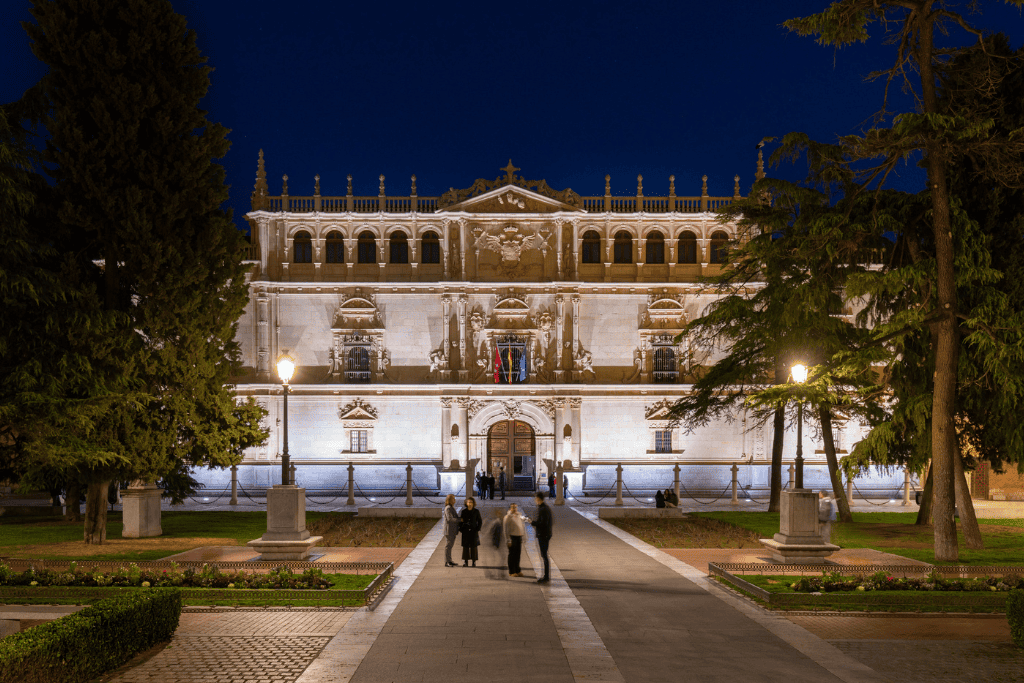
When night falls, the cities will be transformed. The squares will fill with music, the gardens will become stages, and the monuments will be surrounded by life. In Alcalá de Henares, the Teatro Salón Cervantes will host a concert by Ismael González, while the university streets will be filled with activity. Nearby, the Parador de Alcalá awaits you, where you can enjoy a well-deserved rest after the cultural hustle and bustle or enjoy the cuisine in a more relaxed atmosphere.
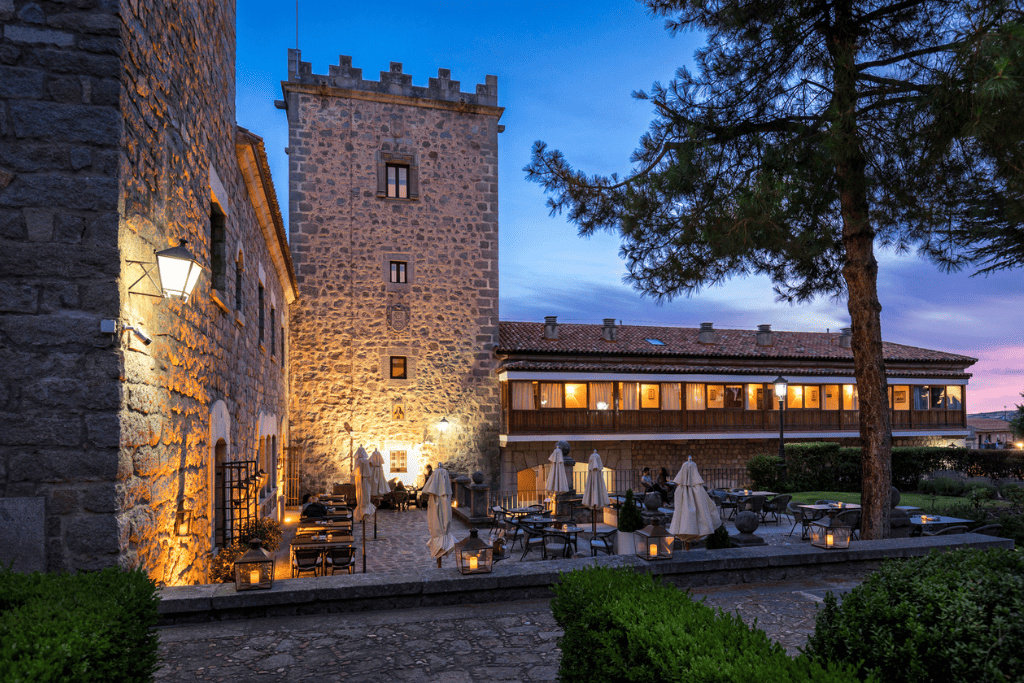
In Ávila, the exhibition of medieval costumes in the Palacio de los Verdugos transports us back to the era of knights and city walls. The city, birthplace of Saint Teresa, retains a spiritual atmosphere that can also be felt in the Parador de Ávila, built into the city walls themselves.
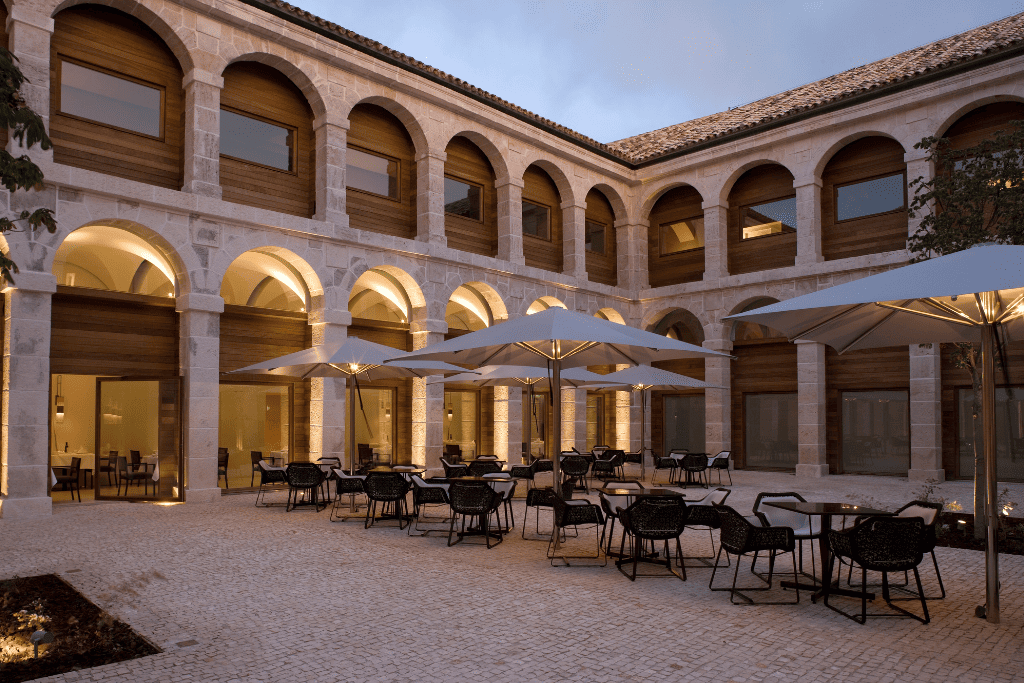
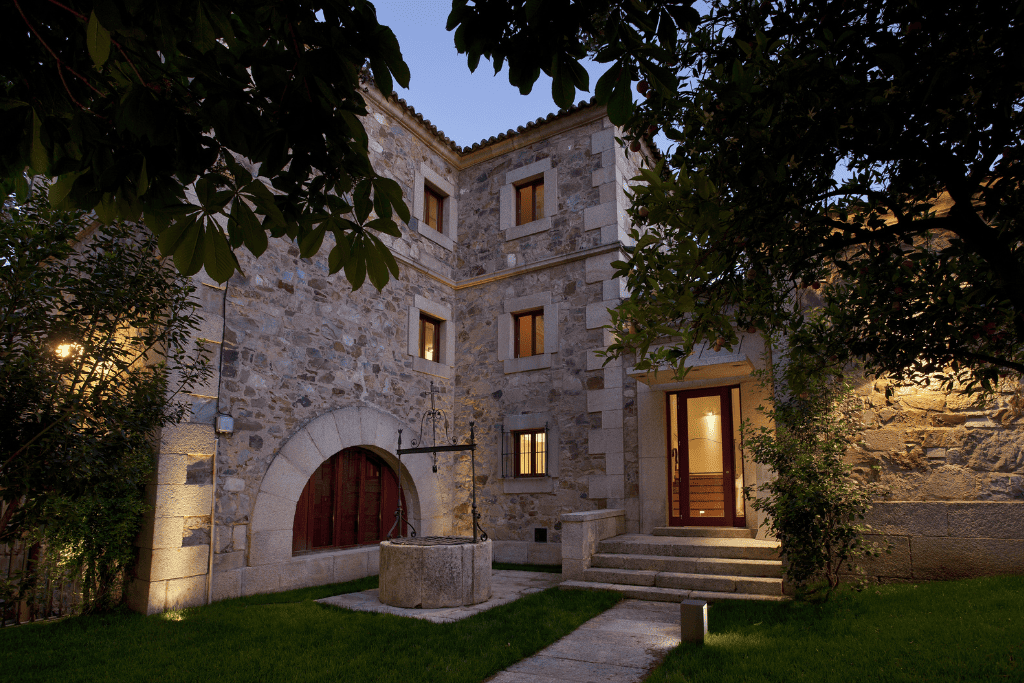
Baeza, with its band playing in the Plaza Puerta de Toledo, will revive the splendour of the Andalusian Renaissance, while Cáceres, will feature young talents who will fill the Plaza de las Veletas, in the heart of the medieval quarter, with music. A few steps away is the Parador de Cáceres, consisting of two adjoining palaces that combine Gothic, Renaissance and Baroque styles, the artistic hallmarks of the city. The Parador also offers a gastronomic experience that combines tradition and modernity.
In Córdoba, poetry recitals at the Taberna Fuenseca will evoke the literary soul of the Caliphate city. A little further away, the Parador de Córdoba, located on the ruins of the site where Abd al-Rahman I had his summer palace, allows you to gaze at the city from above while enjoying an exquisite salmorejo.
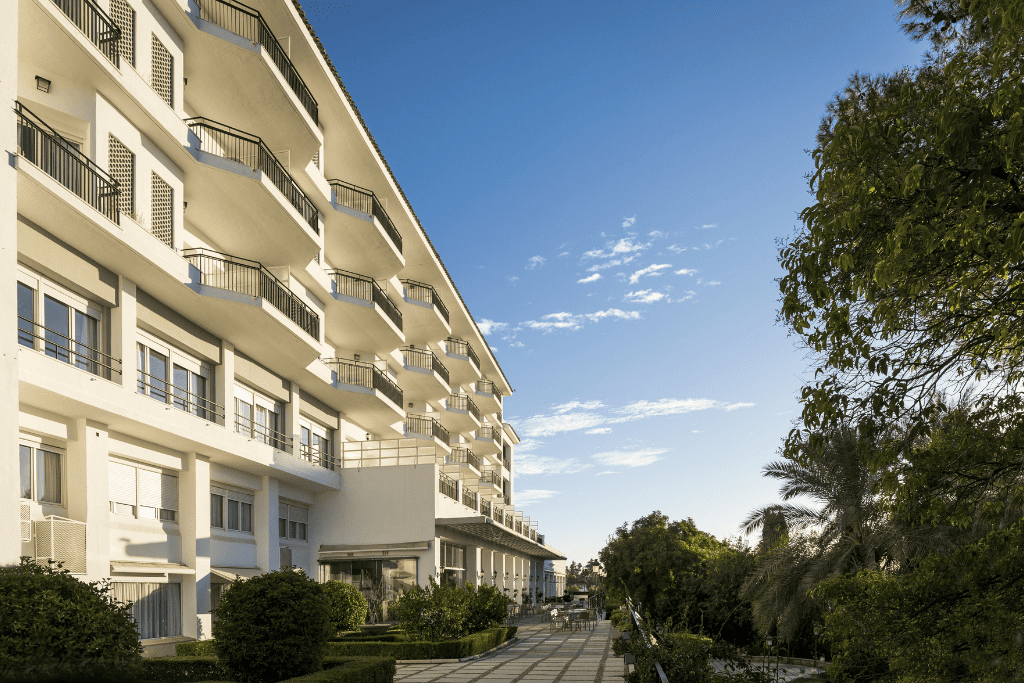
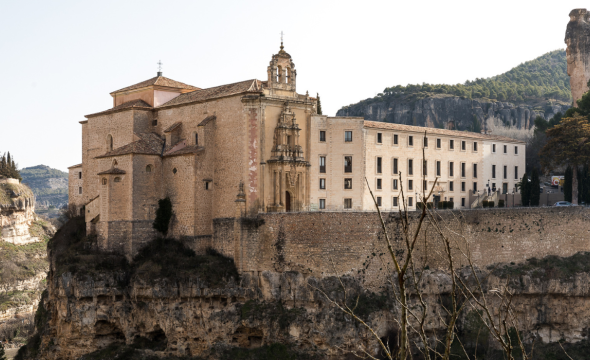
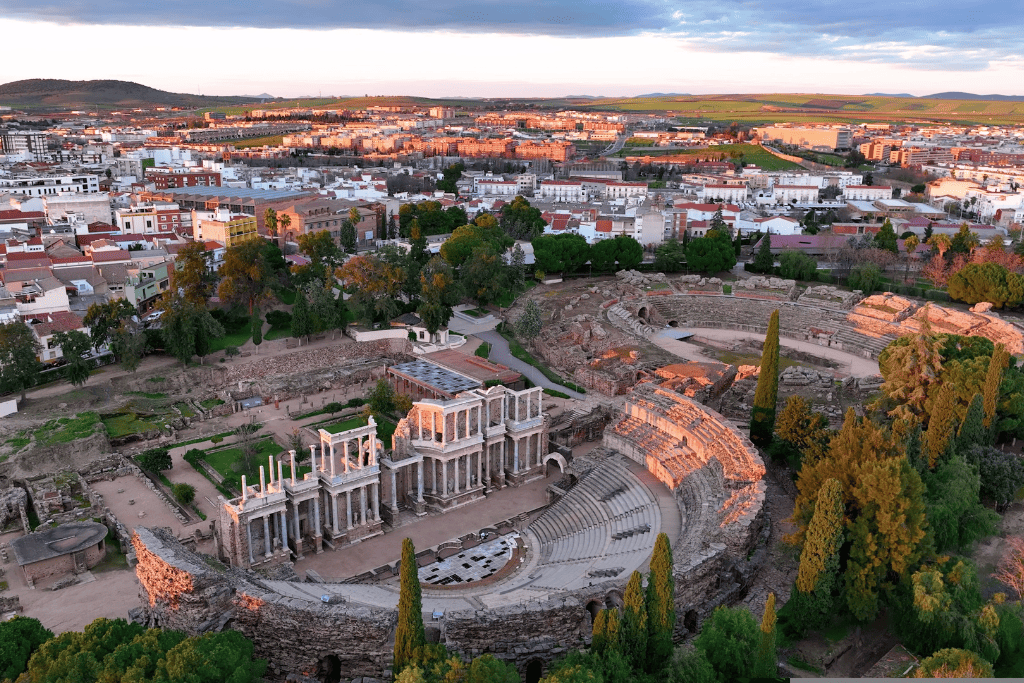
Cuenca is filled with musical notes in the Jardín de los Poetas, while the Hanging Houses look down from above. The Parador de Cuenca, recently renovated and suspended above the Huécar river gorge, will be a magnificent natural extension of the experience. In Mérida, the Arab Alcazaba will host folk dances that will contrast with the Roman legacy. The Parador de Mérida, next to the Temple of Diana, will invite you to end the night with Extremaduran flavours and an atmosphere steeped in history.
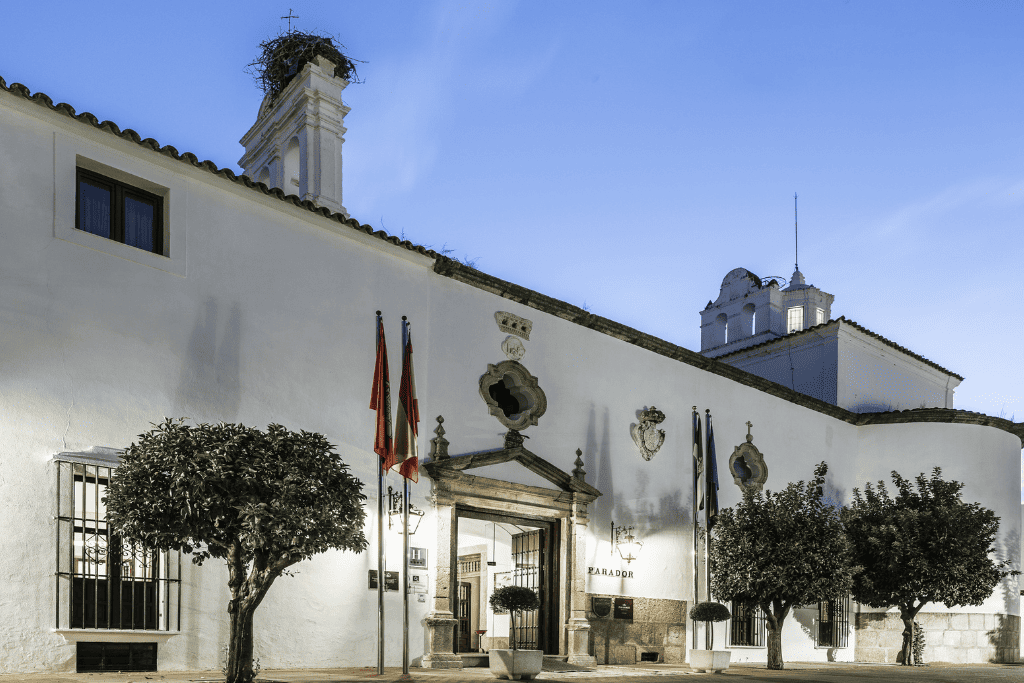
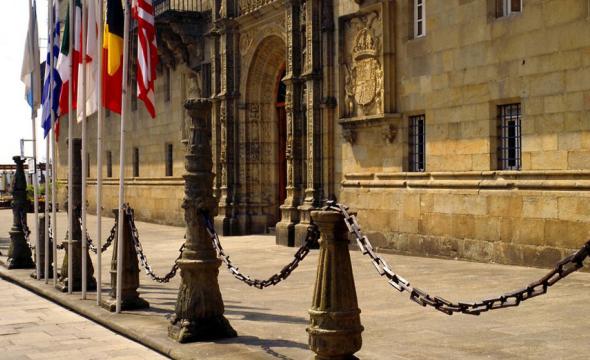
Salamanca, a university city par excellence, offers guided tours of the Domus Artium, while its Plaza Mayor is a meeting point. The Parador de Salamanca, located on the other bank of the River Tormes, offers stunning views and local cuisine. In Santiago de Compostela, themed activitiestake you around the historic quarter, while the Hostal dos Reis Católicos or Parador de Santiago de Compostela, awaits you to put the finishing touch to a very special night.
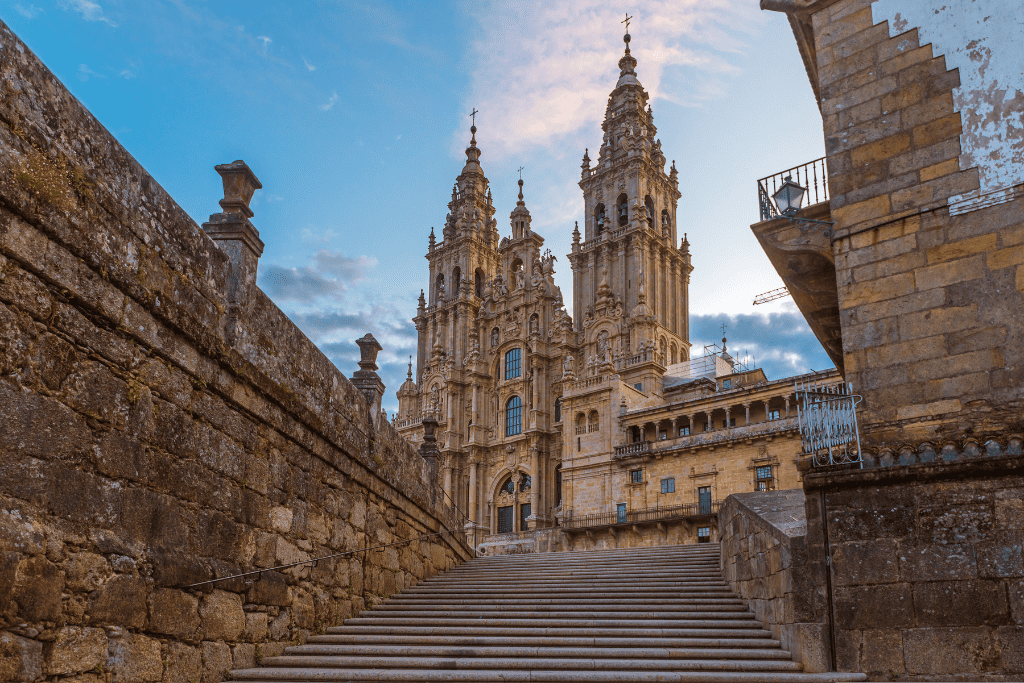
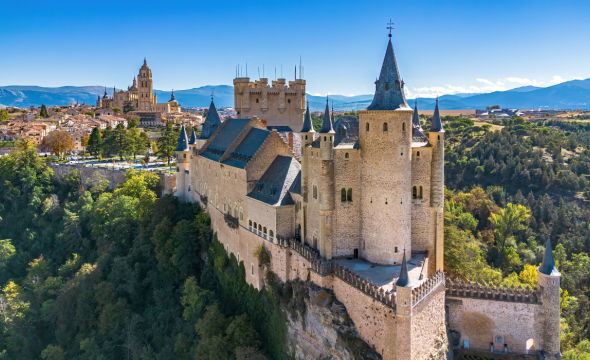
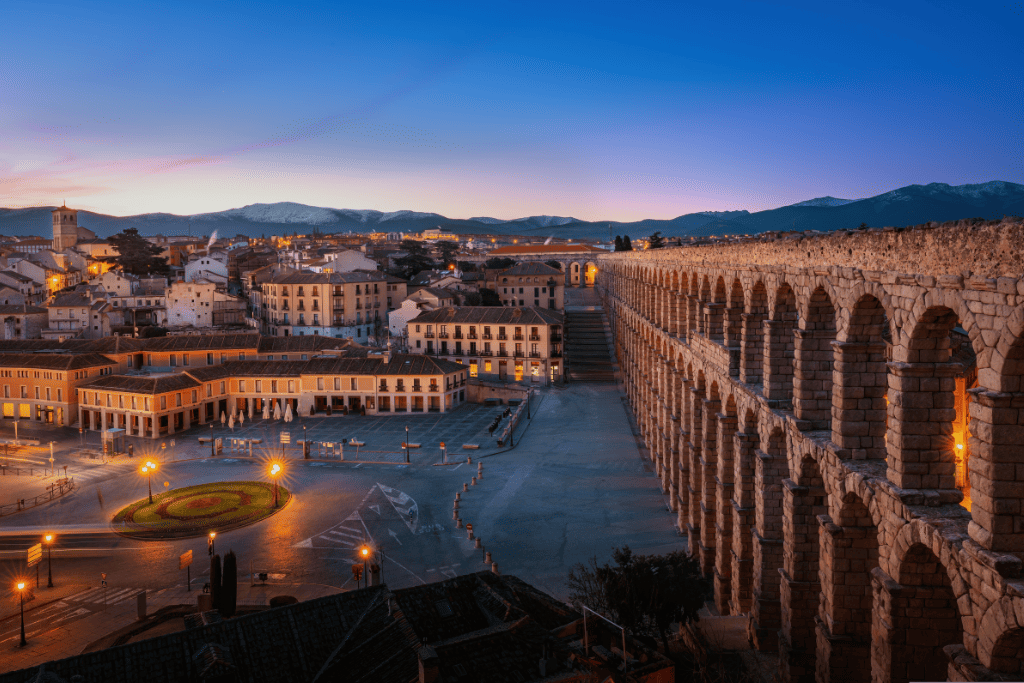
Segovia invites you to stroll through the gardens of the walled enclosure, with the Aqueduct as a silent witness. Three kilometres from the historic centre is the Parador de Segovia, a modern building from which to view the city’s monumental skyline. In Toledo, Ana Alcaide will be singing in the Adarve de la Puerta del Sol, while the imperial city lights up. The Parador de Toledo, with views of the towers and rooftops, is the ideal place to end the night.
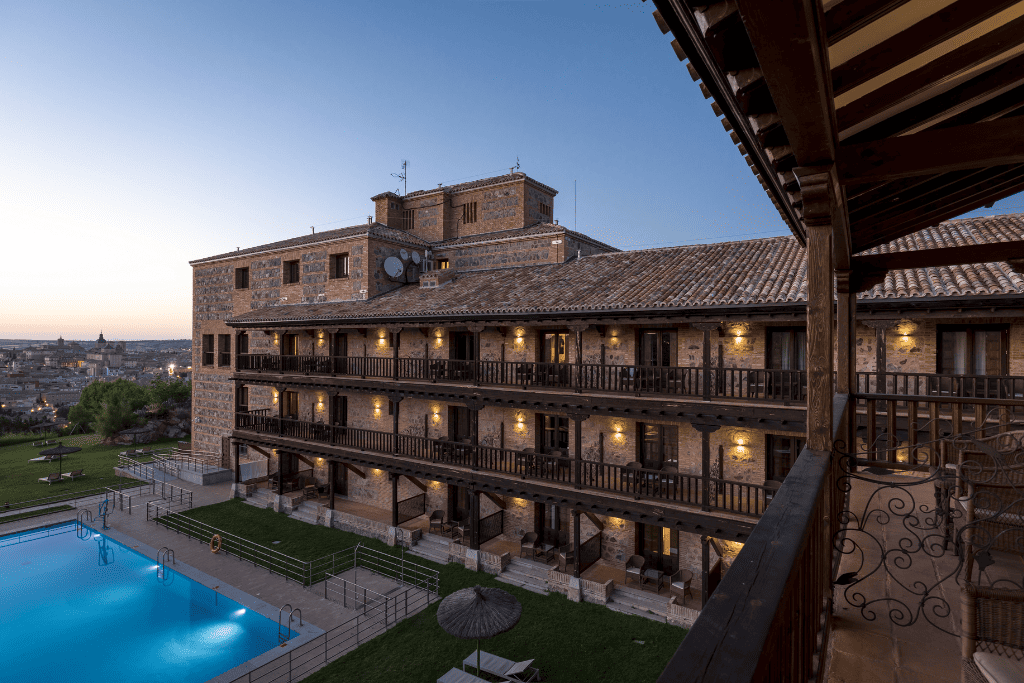
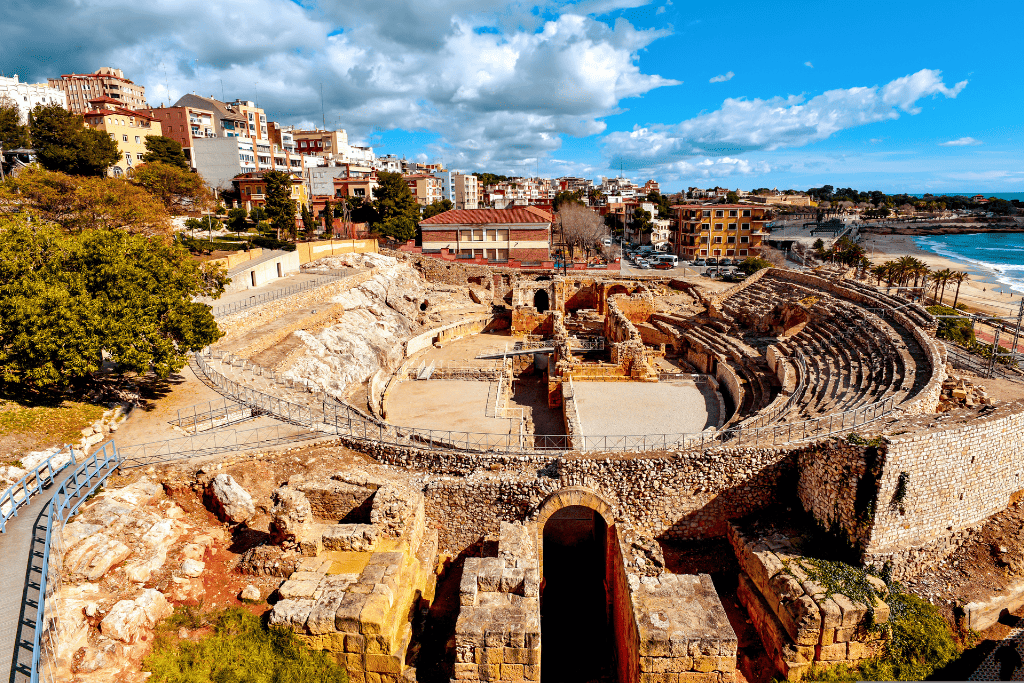
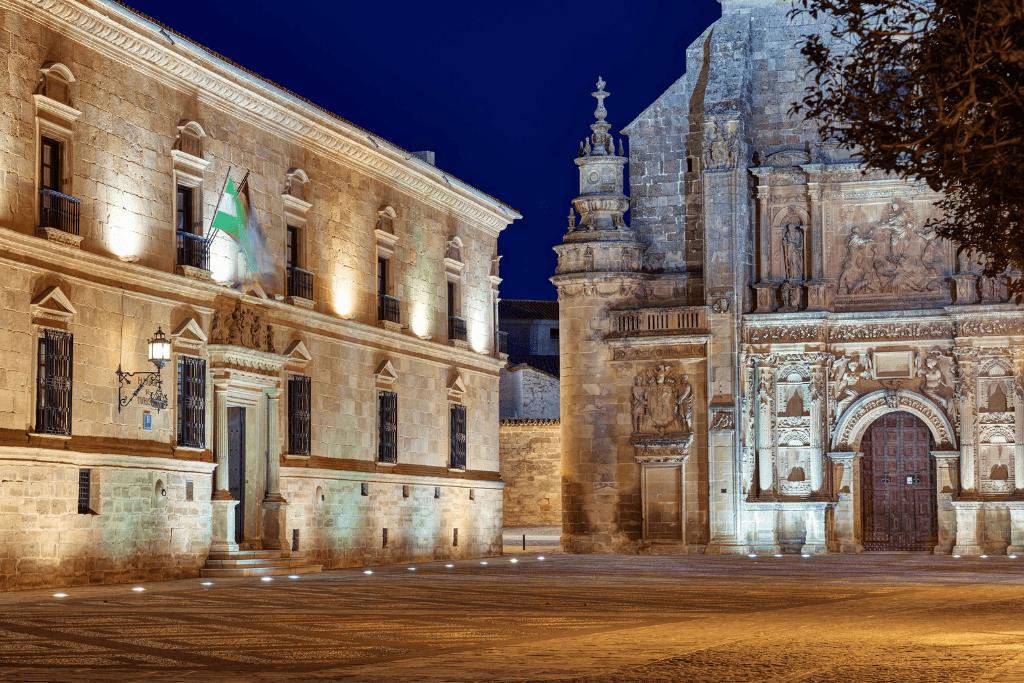
Úbeda brings history to life with a recreation of Roman legionaries in the Archaeological Museum. Opposite the Sacra Capilla del Salvador, the Parador de Úbeda offers cuisine from Jaén, with extra virgin olive oil as the star ingredient. In Tarragona, the 'diables' will parade through the historic centre, filling the Roman streets with fire and tradition. And in San Cristóbal de La Laguna, the former convent of Santo Domingo will be transformed into a heritage cinema, while the colonial layout of the city invites you to ramble.
OPEN HERITAGE
The second major event of the night will be the opening of monuments and cultural spaces that are normally closed or have limited access. It is an invitation to discover the soul of each city through its most iconic buildings.
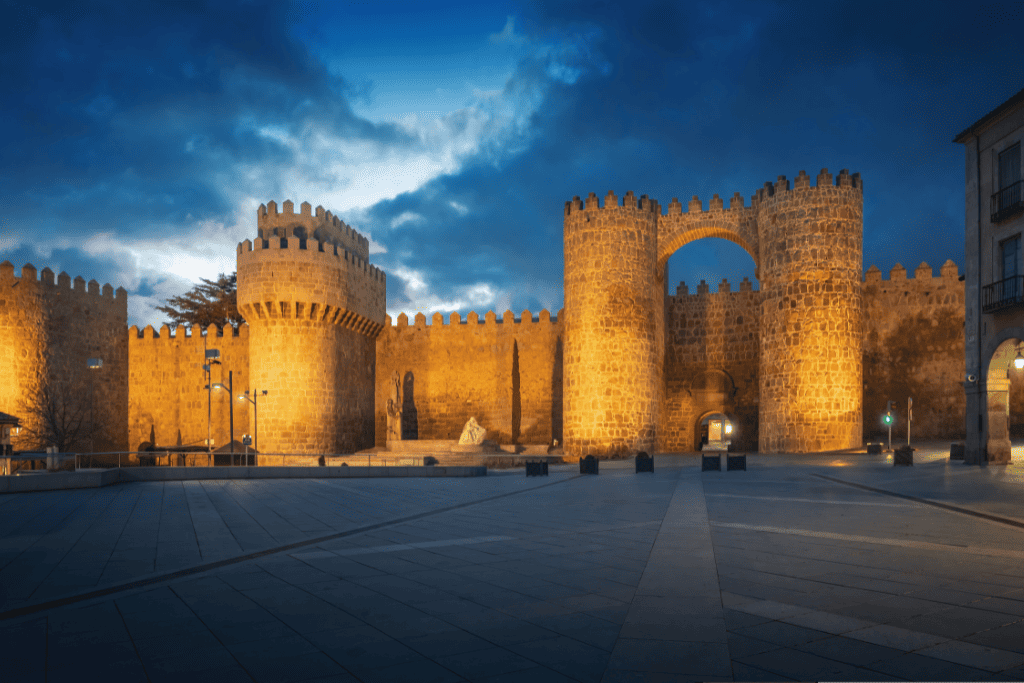
In Ávila, the city walls, will take centre stage, allowing visitors to explore its towers and feel the defensive pulse of the city. Cuenca will open the Casas Colgadas, (hanging houses) suspended over the void, a testament to medieval architecture adapted to the landscape. Córdoba will allow visitors to visit the Alcázar de los Reyes Cristianos, where Isabel and Fernando planned the conquest of Granada.
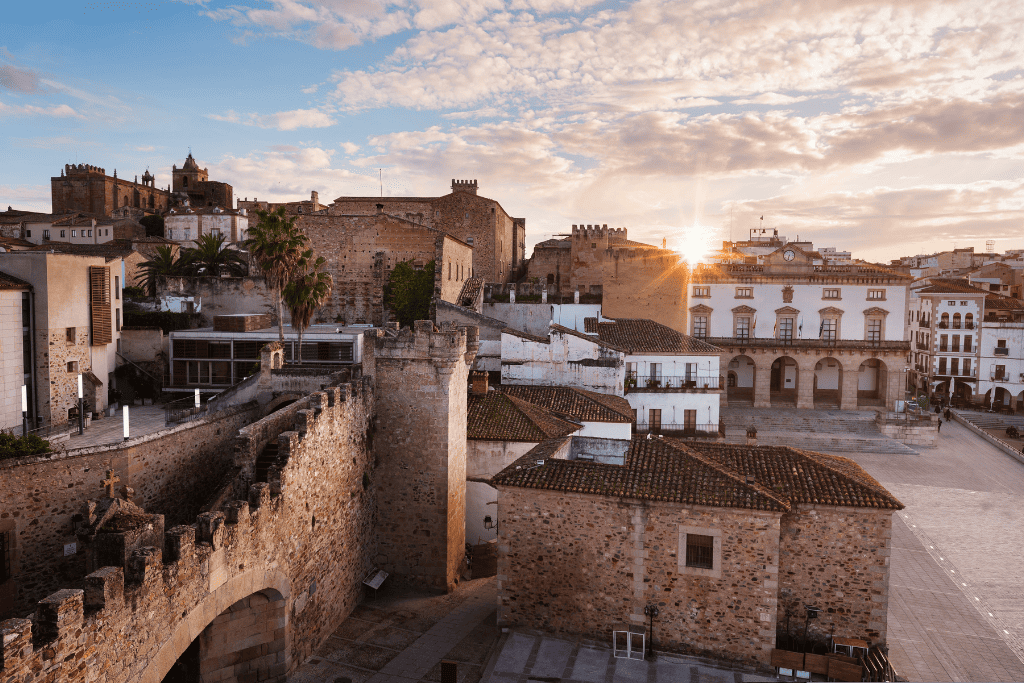
Cáceres will open the Co-Cathedral of Santa María, a mixture of Gothic and Renaissance styles, the spiritual heart of the city. In La Laguna, the Hermitage of Santo Domingo shows Canarian devotion in an intimate setting. Tarragona invites you to visit the Praetorium and the Roman Circus, vestiges of ancient Tarraco, capital of Hispania Citerior.
Úbeda will open the Basilica of Santa María de los Reales Alcázares, a Gothic-Renaissance church with an episcopal history. Ibiza invites you to visit the Museu d'Art Contemporani, where modern art converses with the Renaissance wall. Mérida will allow you to enter the Casa del Mitreo, a Roman domus with mosaics and a garden.
Salamanca will open the Torres de la Clerecía, from where you can take in the views of the golden city. Segovia invites you to visit the Jewish Quarter Educational Centre, a memorial to the Jewish community. Santiago de Compostela will allow visits to the Pazo de Raxoi, the city hall and an example of neoclassical architecture.
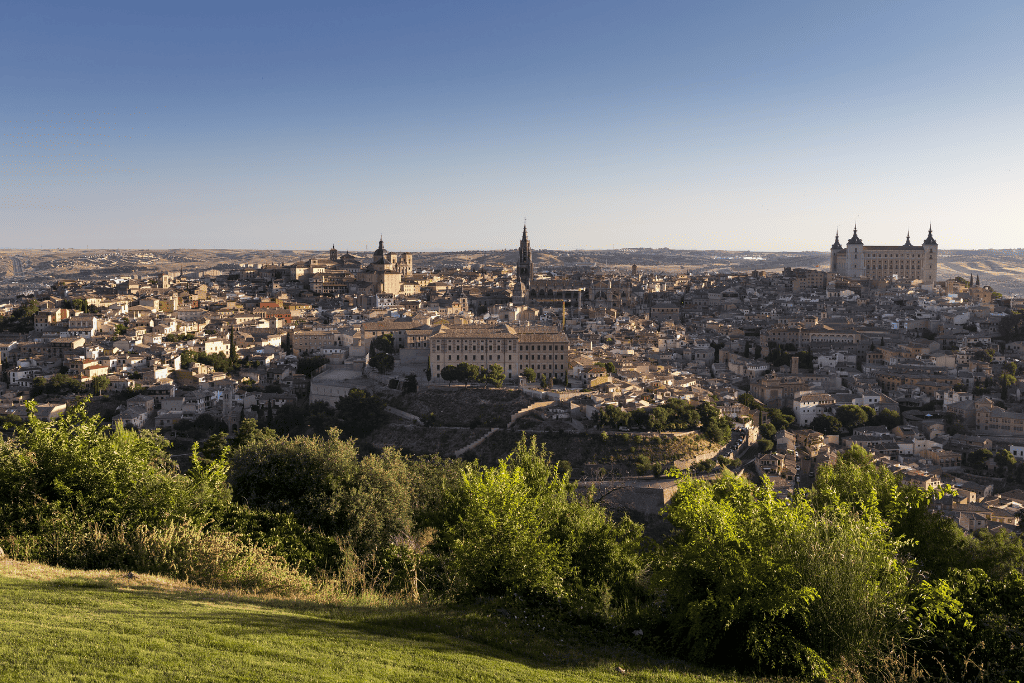
Alcalá de Henares will open the Assembly Hall of its university, the academic heart of the city. Baeza will allow visitors to enter the Church of La Encarnación, built in the Renaissance period with a Baroque altarpiece. Meanwhile Toledo will open the Garden and Church of San Lucas, a space of peace and Mudejar art.
HERITAGE SCENE
Contemporary dance enters historical spaces with pieces created especially for this night. With the title Vestigios Íntimos (Intimate Traces), the Festival Escena Patrimonio offers a dialogue between memory and the present, between the traces of time and the impulses of the body.
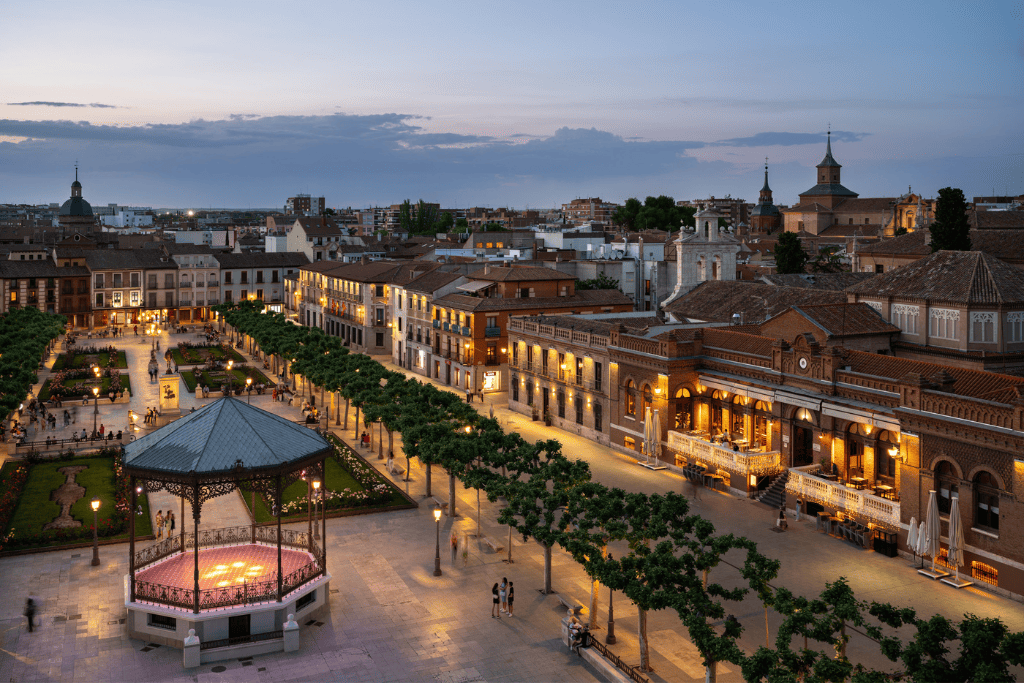
In Alcalá de Henares, Carmen Fumero and Chang Dance Theatre fuse tradition and avant-garde in a university space steeped in history. Alberto Velasco takes dance to the heart of Ávila, exploring the body as resistance and memory. Irene Naranjo offers a choreography inspired by the Renaissance in Baeza, while Sol Picó contrasts the ancestral with the contemporary in Cáceres.
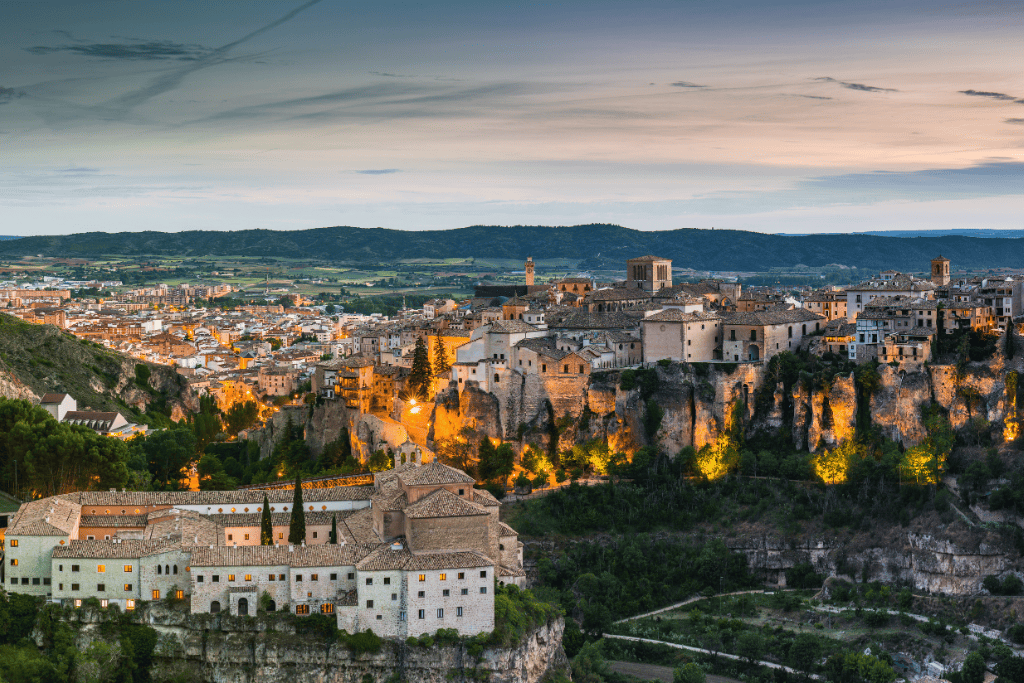
Laila Tafur explores the Andalusian legacy in Córdoba, and Javier Martín transforms the rugged landscape of Cuenca into movement. Magdalena Garzón turns the Baluarte de Sant Pere in Ibiza into a space of light and body. Marco Flores, a figure in contemporary flamenco, explores the Roman legacy in Mérida.
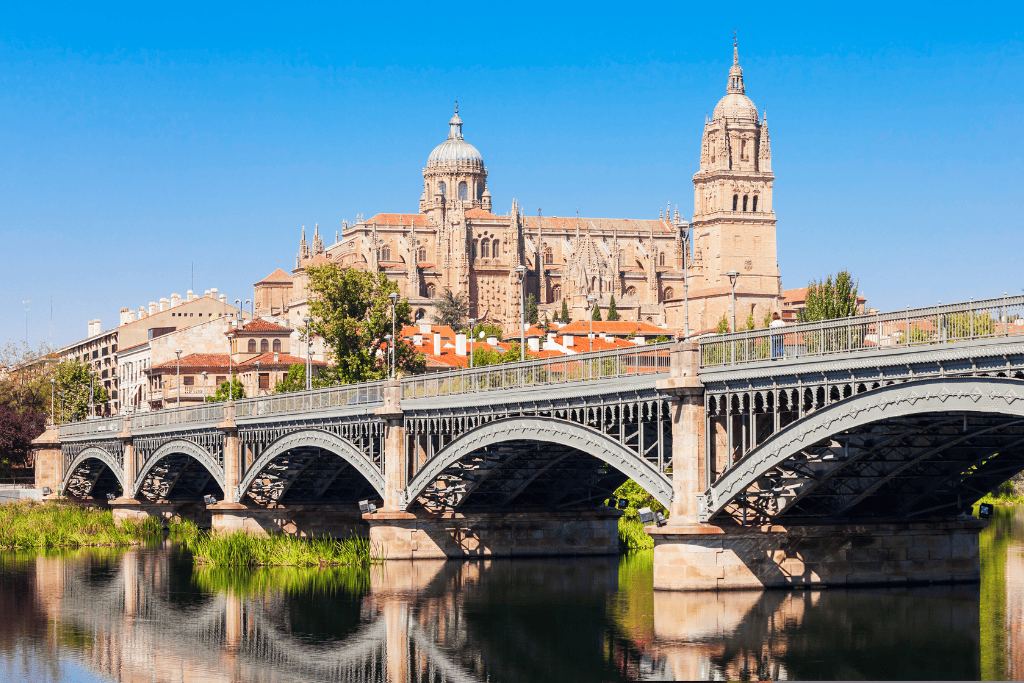
Antonio Najarro celebrates elegance and technique in Salamanca, and Carlos Carvento connects Canarian tradition with urban dance in La Laguna. Lorena Nogal transforms the historic centre of Santiago into a space for introspection. The National Dance Company presents a fragment of its show “Decimos verdades que parecen mentiras” (We tell truths that seem like lies) in Segovia
.
Marc Fernández brings dance to the Roman Praetorium in Tarragona, and Italy's Centro Coreografico Nazionale / Aterballetto presents a piece in Toledo that engages in dialogue with the city of three cultures. Finally, Celia Espadas explores identity through the body in Úbeda, in a dialogue with the Renaissance.
Heritage Night is an invitation to experience the past from the present, to visit cities that are living history and to enjoy a cultural programme that is unique in Europe. And if you decide to stay at one of the Paradores located in these cities, the experience will be even more complete: art, flavour, relaxation and memory. Are you coming?
BOOK YOUR PARADOR AND ENJOY HERITAGE NIGHT