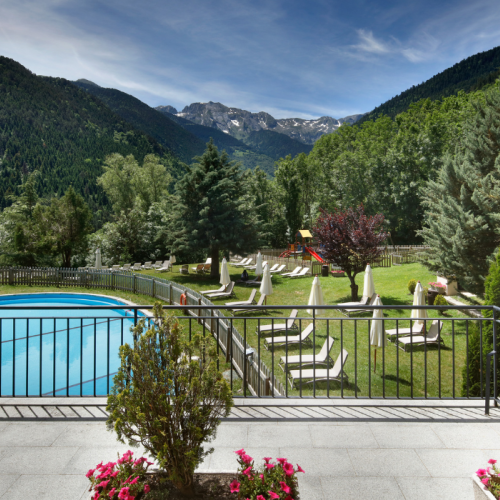
For generations, the image of summer has been inextricably bound to the coast—to unrelenting heat and the flat, seamless horizon of the Mediterranean or the Atlantic. Yet there is an entirely different way to experience the season: one that is cooler, more serene, and sublimely elevated. A summer where the landscape unfolds not horizontally, but vertically.
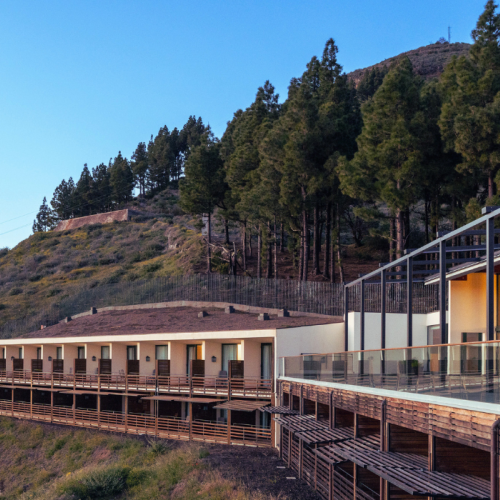
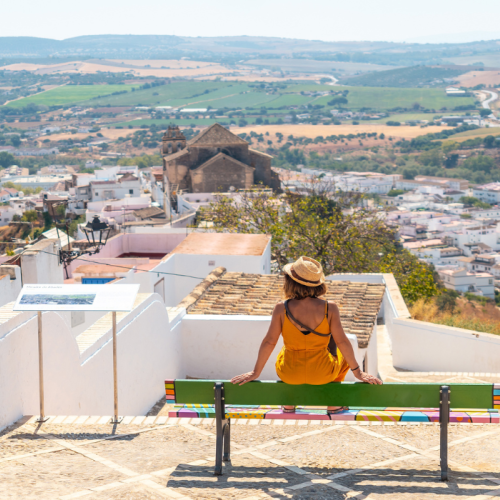
The finest show of the day requires neither a stage nor a ticket. It takes place every evening, lasts just a few minutes, and is never exactly the same twice. All you need to do is find the perfect vantage point to watch how the fading light completely transforms a landscape. Medieval castles, historic towns, beaches stretching out to the Atlantic, or mountains that seem to touch the sky then reveal a different kind of beauty—more serene and altogether fleeting.

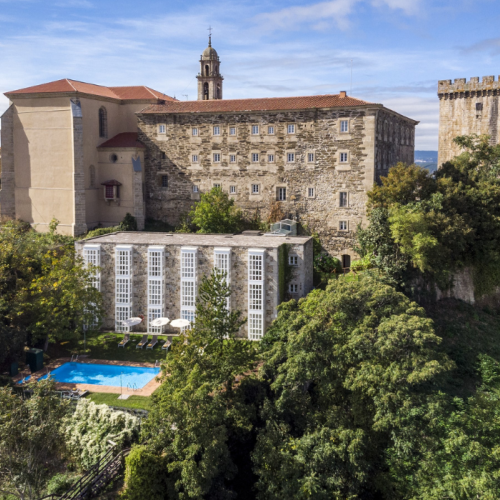
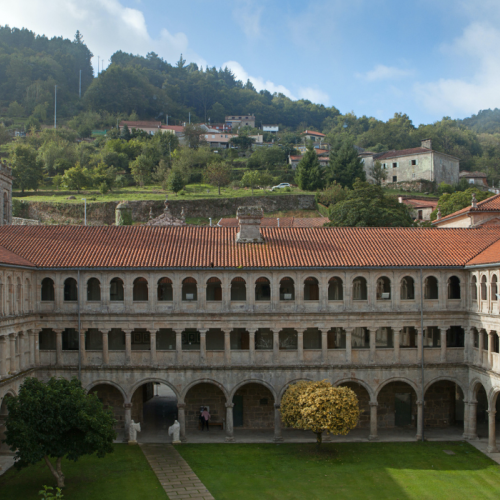
In the very heart of the Ribeira Sacra, enveloped by oak and chestnut forests, lies the Parador de Santo Estevo—a former Benedictine monastery that retains intact its power to evoke absolute silence. Amidst stone cloisters where prayer, study, and contemplation coexisted for centuries, one finds rooms steeped in history. Yet none tells its story better than Room 210, known as the Abad Franquila Room.

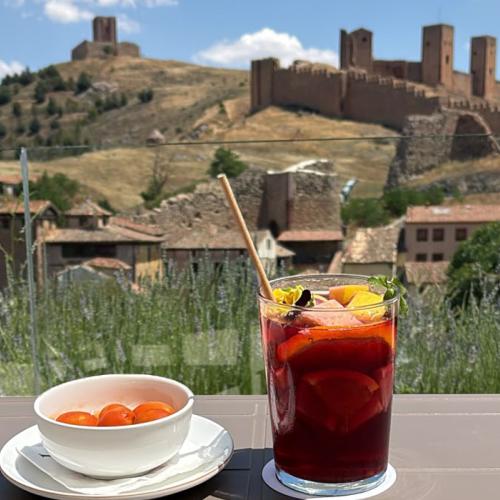
If one drink captures the essence of a Spanish summer, it is undoubtedly sangría. Refreshing, vibrant with fruit, and effortlessly simple to prepare, it has become a global icon of Spain’s gastronomic heritage.

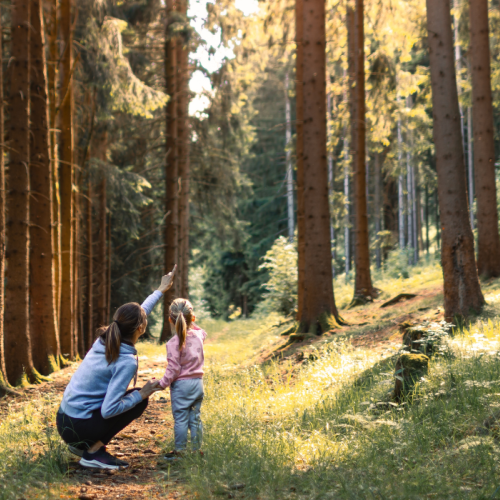
Nature holds one distinct advantage over any theme park: no two adventures are ever the same. A forest invites you to follow animal tracks, a marshland transforms into a birdwatching haven, and a mountain peaks as the perfect stage to discover waterfalls, rushing rivers, and centuries-old trees. For children, every outing is a game; for adults, it is a chance to see the landscape with fresh eyes.

There is a moment that is repeated on almost every visit to Monforte de Lemos, because anyone arriving in the town usually starts by meandering along the River Cabe, enjoying an amble across the Old Bridge or wandering aimlessly through the streets of the historic centre. But, sooner or later, your gaze is inevitably drawn upwards. There, on the hill of San Vicente, the silhouette of the Keep and the ancient monastery – which have dominated the town for centuries – will make it very hard to resist the urge to climb up.

There was a time when travelling meant merely ticking sights off a checklist. It meant catching connecting flights, rising at the crack of dawn to beat the queues, and returning home with a full memory card but the nagging feeling of not having truly been anywhere. Today, in contrast to this frantic pace, another way of exploring the world is gaining ground—one that advocates swapping speed for presence, a hectic itinerary for quality time, and the mere accumulation of experiences for those that leave a lasting impression.

There was a time when lions roared, camels roamed, and a giraffe captivated ambassadors from across Europe within the walls of the Royal Palace of Olite. While contemporary courts vied to erect impregnable fortresses, King Charles III 'the Noble' transformed his Navarrese seat into an extraordinary domain, where gardens, pageantry, exotic fauna, and architecture converged to conjure an environment designed to instil wonder.

There is a way of travelling that can only be truly discovered over time—one where rushing no longer dictates the pace of your journey, your strolls, your conversations, or your meals. It is no longer about ticking off as many sights as possible in a single day; instead, it is about pausing in a quiet square, taking in a stunning view, uncovering the rich history of a building, or lingering over a meal without ever glancing at the clock.