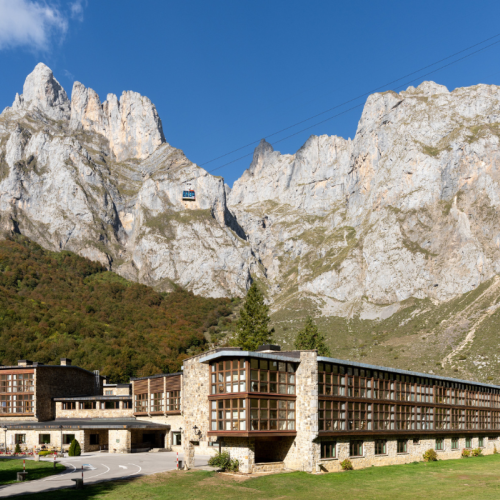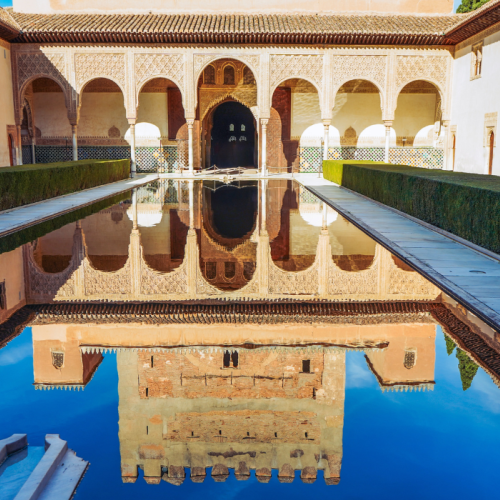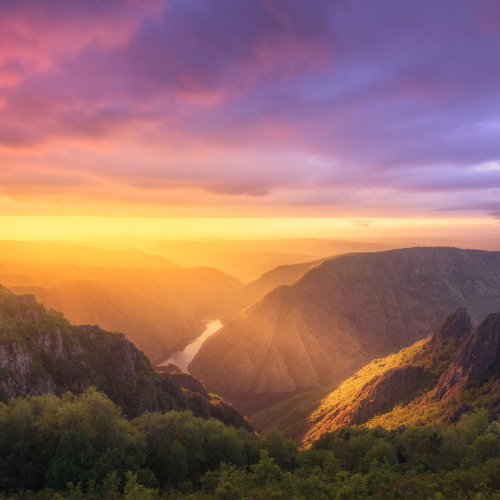
Nature holds one distinct advantage over any theme park: no two adventures are ever the same. A forest invites you to follow animal tracks, a marshland transforms into a birdwatching haven, and a mountain peaks as the perfect stage to discover waterfalls, rushing rivers, and centuries-old trees. For children, every outing is a game; for adults, it is a chance to see the landscape with fresh eyes.
More than just a collection of villages with whitewashed façades, the white villages form one of Spain’s most distinctive cultural landscapes. Their history, architecture, and deep connection to the land make every visit a journey into the very essence of Andalusia.
There is a moment that is repeated on almost every visit to Monforte de Lemos, because anyone arriving in the town usually starts by meandering along the River Cabe, enjoying an amble across the Old Bridge or wandering aimlessly through the streets of the historic centre. But, sooner or later, your gaze is inevitably drawn upwards. There, on the hill of San Vicente, the silhouette of the Keep and the ancient monastery – which have dominated the town for centuries – will make it very hard to resist the urge to climb up.
There was a time when travelling meant merely ticking sights off a checklist. It meant catching connecting flights, rising at the crack of dawn to beat the queues, and returning home with a full memory card but the nagging feeling of not having truly been anywhere. Today, in contrast to this frantic pace, another way of exploring the world is gaining ground—one that advocates swapping speed for presence, a hectic itinerary for quality time, and the mere accumulation of experiences for those that leave a lasting impression.
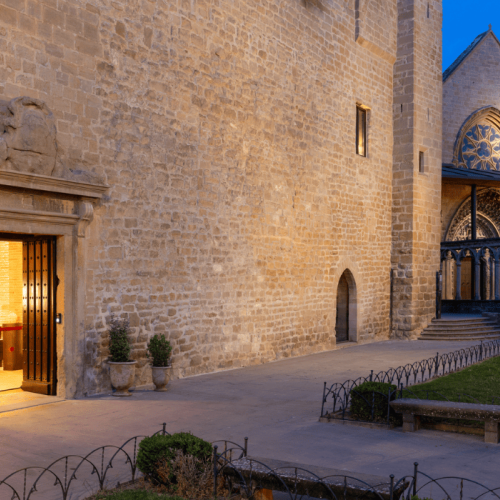
There was a time when lions roared, camels roamed, and a giraffe captivated ambassadors from across Europe within the walls of the Royal Palace of Olite. While contemporary courts vied to erect impregnable fortresses, King Charles III 'the Noble' transformed his Navarrese seat into an extraordinary domain, where gardens, pageantry, exotic fauna, and architecture converged to conjure an environment designed to instil wonder.
There is a way of travelling that can only be truly discovered over time—one where rushing no longer dictates the pace of your journey, your strolls, your conversations, or your meals. It is no longer about ticking off as many sights as possible in a single day; instead, it is about pausing in a quiet square, taking in a stunning view, uncovering the rich history of a building, or lingering over a meal without ever glancing at the clock.
The finalist in the latest Planeta Prize, Ángela Banzas, has crafted a novel that offers a welcome respite from so much grim news. *When the Wind Speaks*, set in the building now occupied by the Parador de los Reyes Católicos – a former hospital until 1954 – explores the power of imagination in the face of horror, and love as our last hope. The comforting conclusion it offers is simple: a great story can always save our lives.
Being a finalist for the Planeta Prize is a huge boost for any author. Do you see it as a boost to your career?
There are certain landscapes that yield their secrets only to those on foot. The Ribeira Sacra is indisputably one of them. Cradled between the provinces of Lugo and Ourense, the landscape here has been sculpted over millennia by the Miño and Sil rivers, which have carved out dramatic gorges, steep, vertiginous slopes, and ancient Atlantic forests where gravity-defying vineyards cling to the rock.
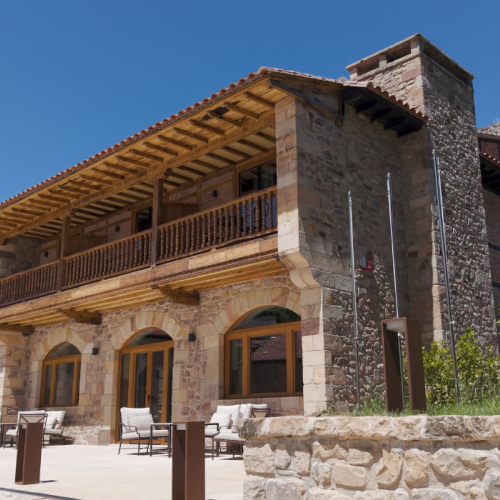
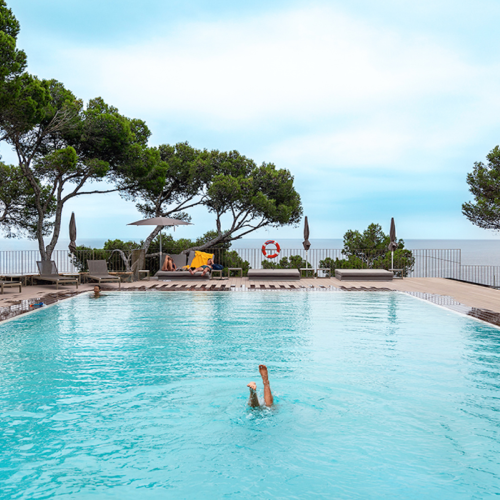
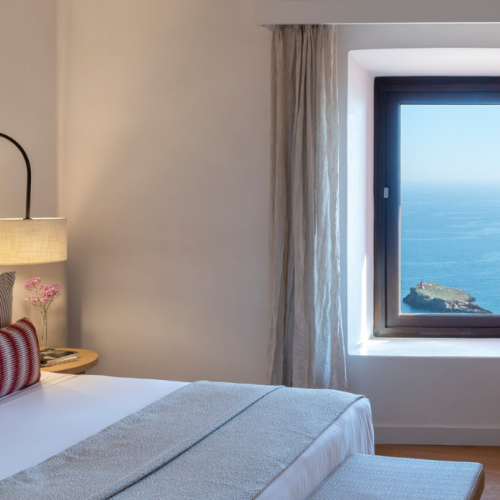
On these journeys, it is not so much the destination that matters as the effortless way it manages to captivate you. Some places do so with an incomparable quality of light; others with landscapes that seem to defy the very limits of imagination, with flavours that only truly make sense beside the sea, or with that rare alchemy that causes time to lose all meaning.
Albacete lies at the heart of the La Mancha plain, with a character that blends traditional craftsmanship, wide avenues and an open-minded spirit. Historically linked to trade and the routes that criss-crossed the south-east of the Iberian peninsula, the city experienced strong growth between the 18th and 19th centuries thanks to the cutlery industry, which would become internationally renowned. Today, it offers visitors a comfortable and vibrant city break, with heritage, green spaces and a cuisine that reflects the essence of La Mancha.