It is often said that Santillana del Mar is the town of the three lies, as it is neither holy (santa), nor flat (llana), nor does it have a sea (mar). Yet, one needs only pause for a moment to realise that this old cliché overlooks certain nuances. The town’s history is inextricably linked to Saint Juliana; the terrain, though rolling, features only gentle slopes; and the municipality does indeed reach the Cantabrian Sea via Ubiarco and Santa Justa beach. Perhaps that is why Santillana del Mar is so enchanting: behind one of Spain’s best-preserved medieval towns lies a region brimming with scenic paths, dramatic cliffs, prehistoric rock art, Romanesque architecture, and idyllic getaways.
A town born around a monastery
The origins of Santillana del Mar date back to the 8th century, when a group of monks arrived in the area bearing the relics of a martyr named Juliana. Around their modest chapel, a medieval settlement began to flourish, eventually evolving into one of Cantabria’s most significant historic sites.
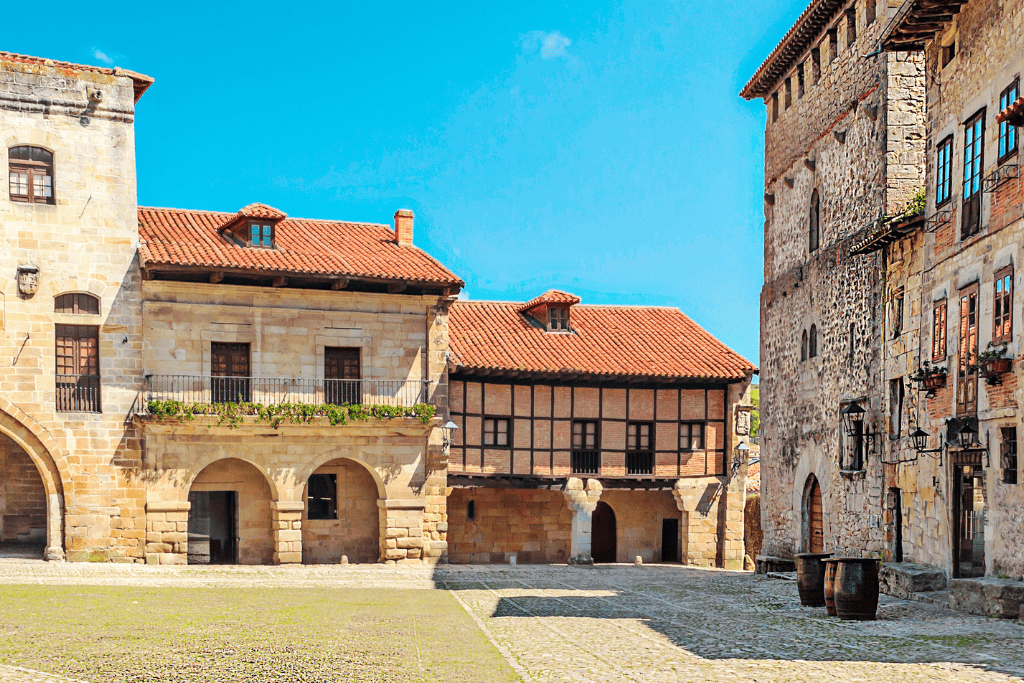
Even today, centuries later, the town preserves its essence remarkably intact. Stone façades, defensive towers, Renaissance palaces, and ancestral mansions with noble coats of arms create a townscape frozen in time. Yet, Santillana is far from static; on the contrary, it remains one of the premier cultural and tourist hubs of northern Spain.
Streets to get lost in
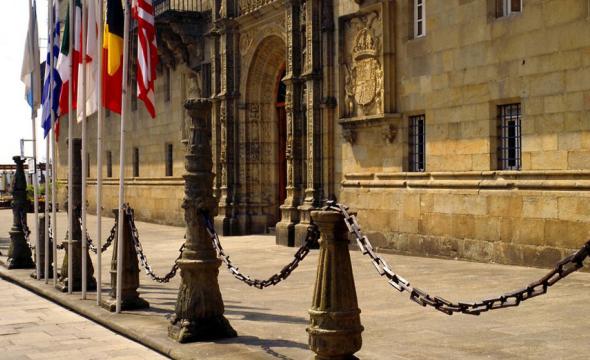
The finest way to experience Santillana is on foot. Calle de Santo Domingo leads directly into the historic heart of the town, where the Plaza Mayor showcases some of its most iconic landmarks, such as the Torre del Merino and the Torre de Don Borja—two of the town's oldest secular structures. Nearby, you will find historic noble residences, balconies overflowing with flowers, and façades adorned with heraldic shields, all serving as reminders of the historical prominence of the aristocracy in this region of Cantabria.
The Collegiate Church of Santa Juliana: Where it all began
In Santillana, all roads seemingly lead to the Collegiate Church of Santa Juliana. This is not merely because it is the town’s most iconic landmark, but because the very history of the municipality unfolded around it.
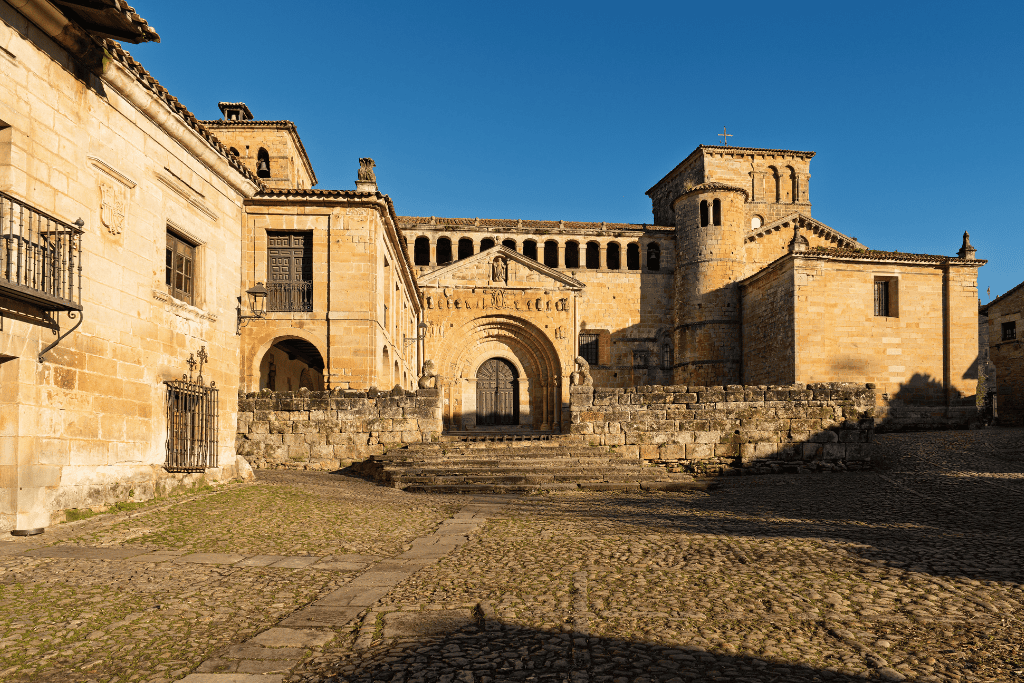
The current collegiate church, built between the 12th and 13th centuries, stands as one of the finest examples of Romanesque art in Cantabria. Its cloister, featuring capitals decorated with biblical scenes, mythical beasts, and floral motifs, masterfully encapsulates the medieval iconography of the era.
The interior also houses a magnificent high altarpiece that beautifully marks the transition from Gothic to Plateresque styles, alongside other historical elements that underscore the prominence Santillana once held along the northern route of the Camino de Santiago.
Altamira and the art that changed history
Just a few kilometres from the historic centre lies one of Spain’s greatest cultural treasures, known worldwide as the Altamira Cave.
The cave paintings discovered here in the late 19th century fundamentally revolutionised our understanding of prehistoric art. The famous polychrome bison—painted millennia ago, brilliantly incorporating the natural contours of the rock face—remain a global benchmark.
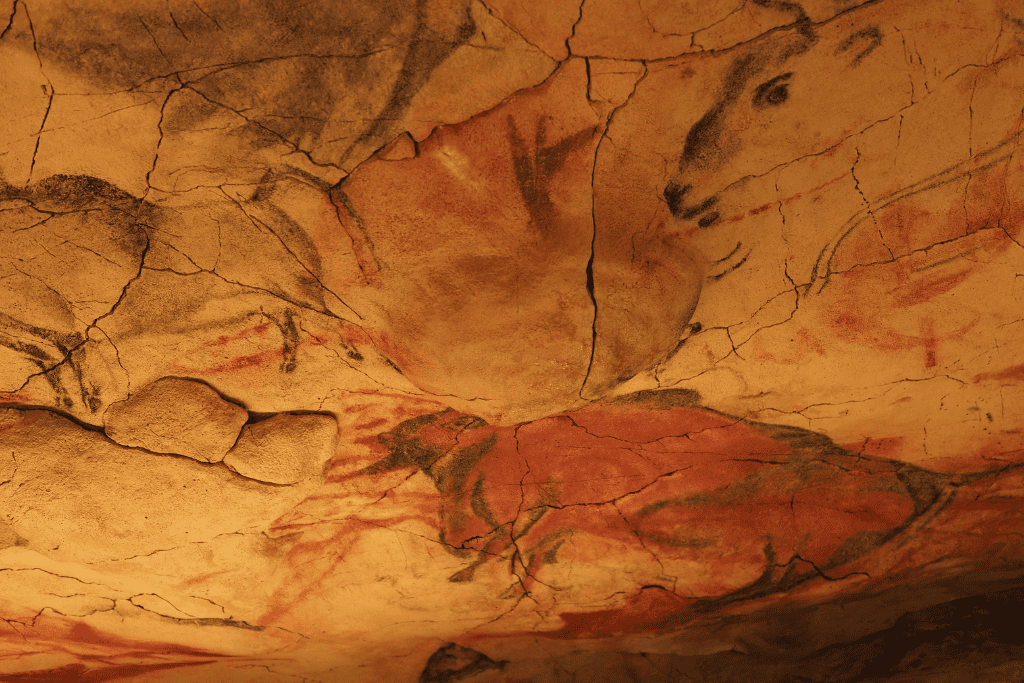
Although the original cave is closed to ensure its preservation, the Altamira Museum allows visitors to experience this prehistoric world through the Neocueva, a meticulously precise replica that conveys the artistic and technical genius of the original site. Beyond its archaeological weight, the visit also highlights the immense cultural heritage that envelops Santillana del Mar.
The Cantabrian Sea: Santillana's coastal side
Another of the town’s surprises awaits as you leave the historic centre and venture towards the coast. For, as previously mentioned, Santillana does indeed possess a shoreline.
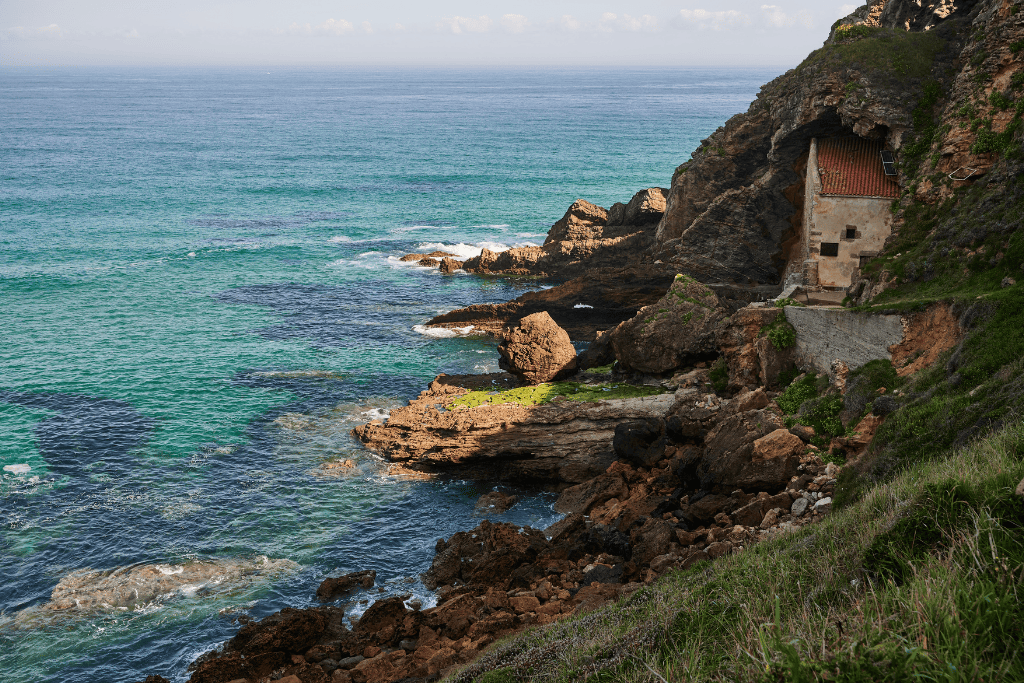
Santa Justa beach in Ubiarco, is arguably one of the most singular spots in the region. The tiny hermitage built directly into the cliff face, set against the rugged backdrop of the Cantabrian Sea, creates a truly unforgettable vista.
Nearby, Onzapera offers a starkly different experience, where serenity, natural pools, and a much lesser-known setting provide the perfect counterpoint to the bustling atmosphere of the medieval town.
Two Paradores to rediscover Santillana
Santillana del Mar enjoys a unique distinction within the Paradores network, boasting two distinct establishments located just a stone's throw from one another.
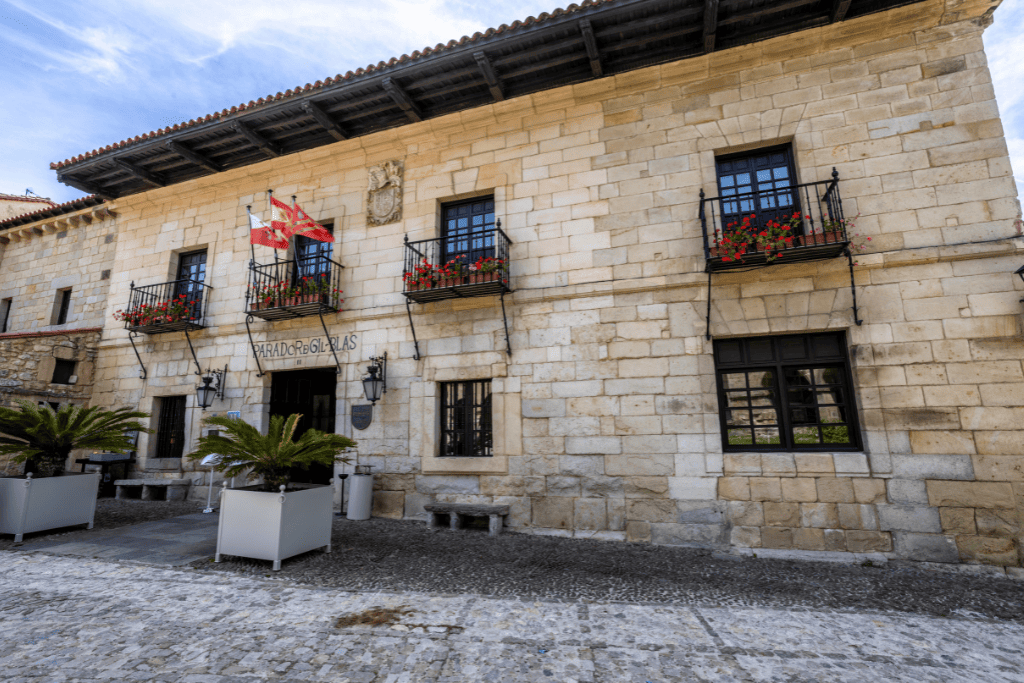
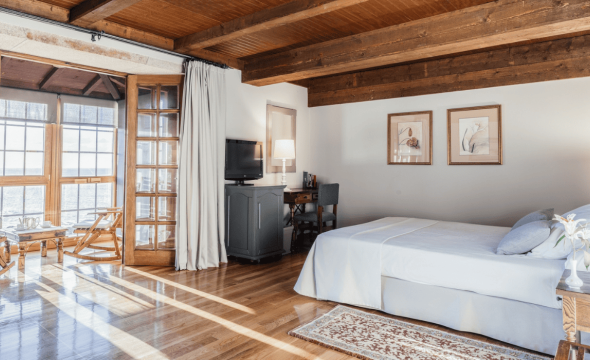
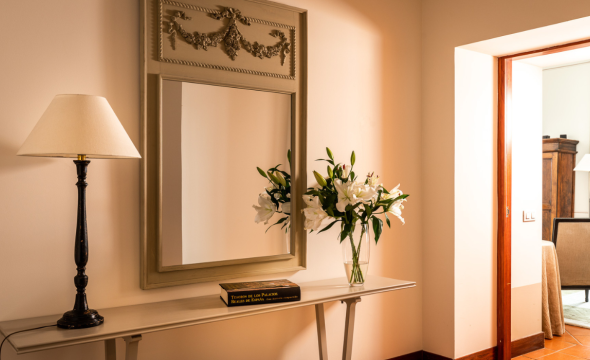
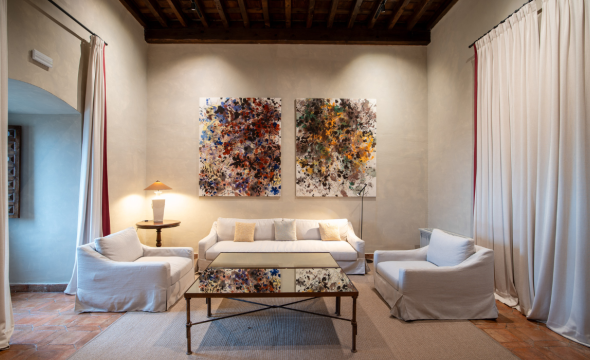
The Parador de Santillana Gil Blas reopened its doors on 30 April following an extensive refurbishment and complete interior redesign. Housed in a 17th-century Baroque mansion in the heart of the town’s main square—adjacent to the Torre del Merino and opposite the town hall—it was one of the earliest properties in the Paradores network, originally opening in 1946. Among its newly introduced features is an indoor terrace open to the public, seamlessly integrated into the town’s historic surroundings.
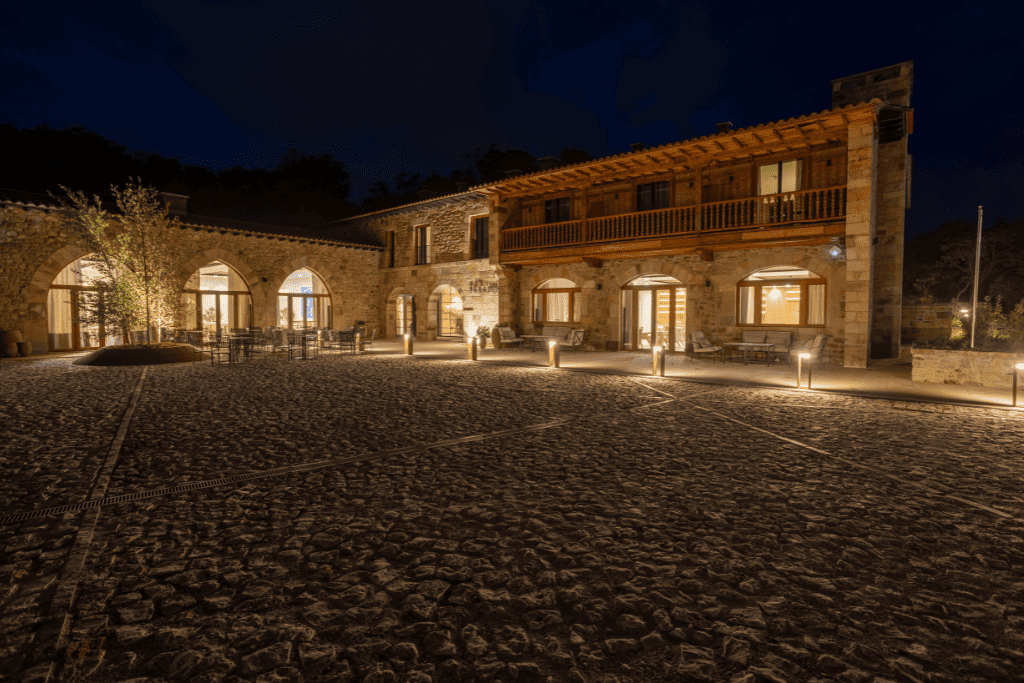
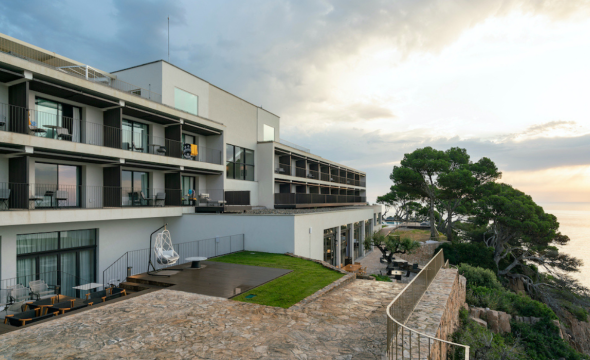
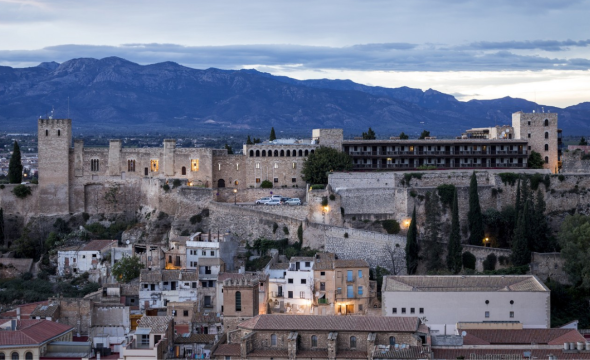
Just a few metres away sits the former Parador de Santillana del Mar, which has been closed since May 2021 for a major overhaul. It is set to reopen shortly under a new name: Parador de Santillana Altamira. . Its official unveiling will take place on 5 June, and it will begin welcoming guests on 10 June 2026. Visitors familiar with the previous property will discover a completely transformed space.
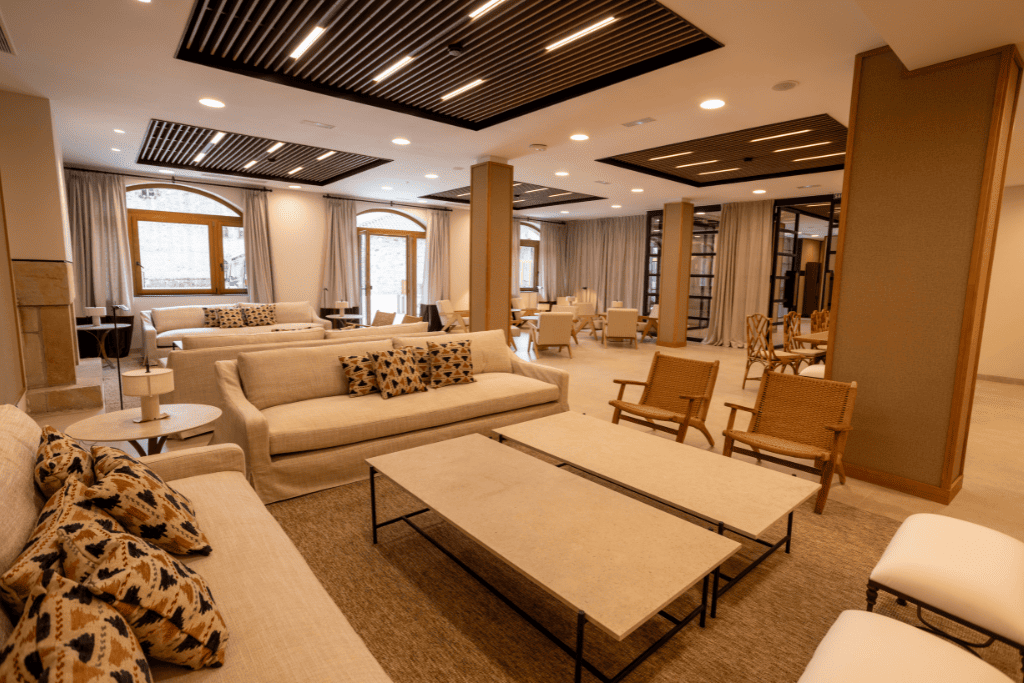
Beyond offering luxury accommodation, both properties are woven into the fabric of Santillana's everyday landscape, blending naturally into a town where heritage, history, and daily life seamlessly coexist.
Beyond the village
Santillana’s prime location also serves as an ideal base for exploring some of Cantabria’s most fascinating destinations, all within a short drive.
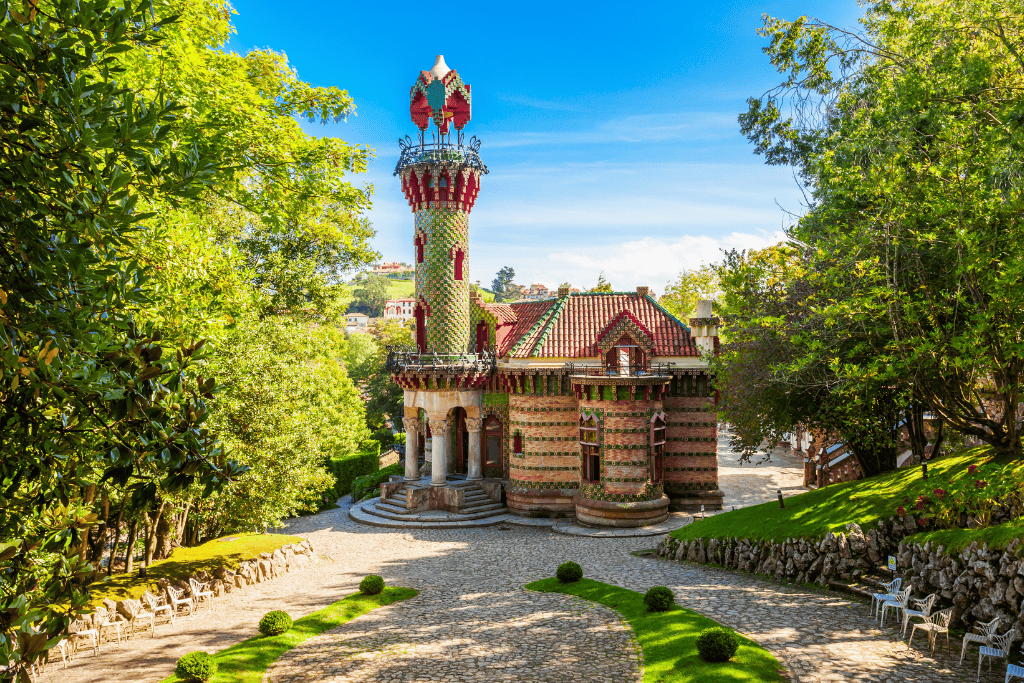
Comillas—home to Gaudí’s El Capricho, the Palacio de Sobrellano and striking aristocratic architecture—is one of the most rewarding day-trip options. Equally worth visiting are the redwood forest of Cabezón de la Sal, the dramatic Bolao cliffs, and the peaceful villages of Cartes and Riocorvo, which showcase a quieter, more intimate side of Cantabria.
Heading towards the coast, Suances offers a completely different vibe, defined by its sandy beaches and lively seaside atmosphere.
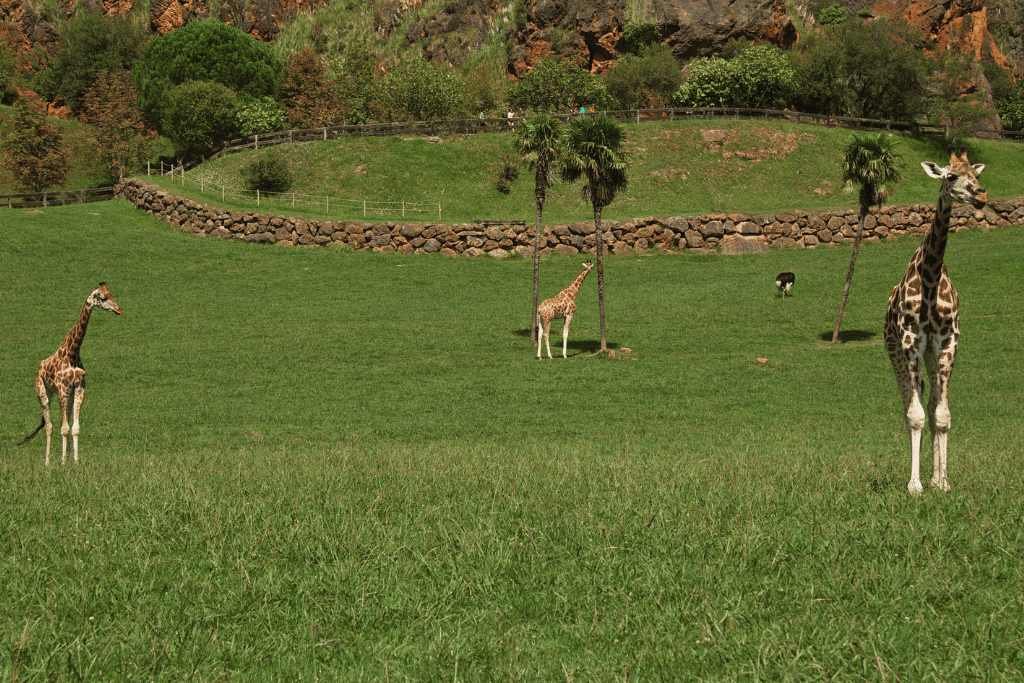
Meanwhile, for those yearning for nature in its purest form, the Cabárceno Nature Park and the Picos de Europa are close enough to perfectly round off any getaway.
Ultimately, Santillana del Mar is not merely a destination, but a starting point—a place where history greets you at every turn, yet where something extraordinary always awaits just a few kilometres down the road.