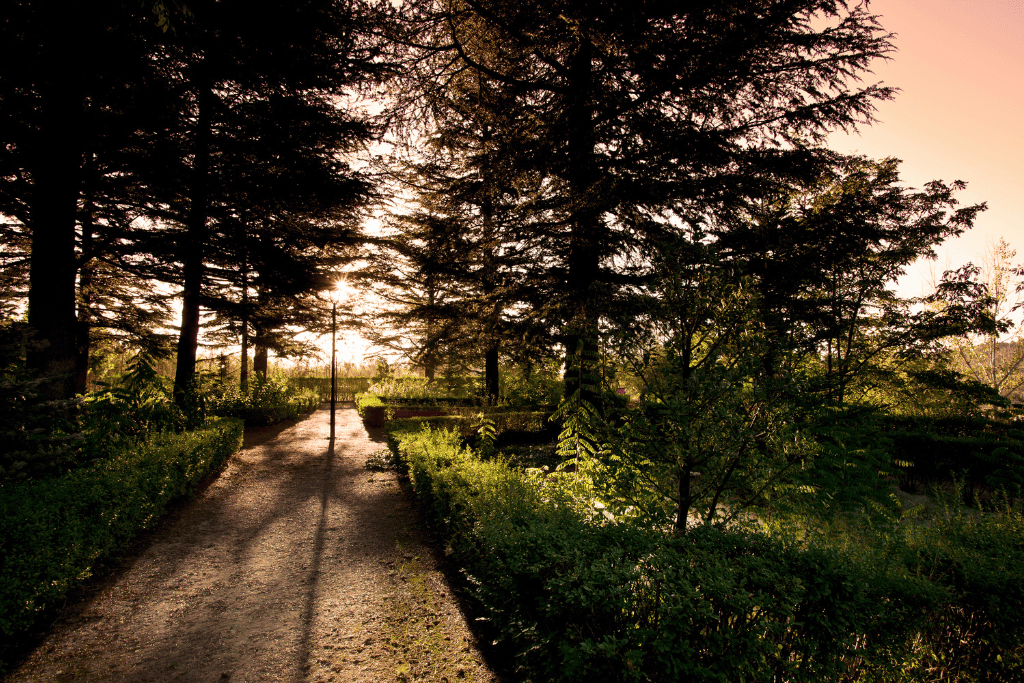
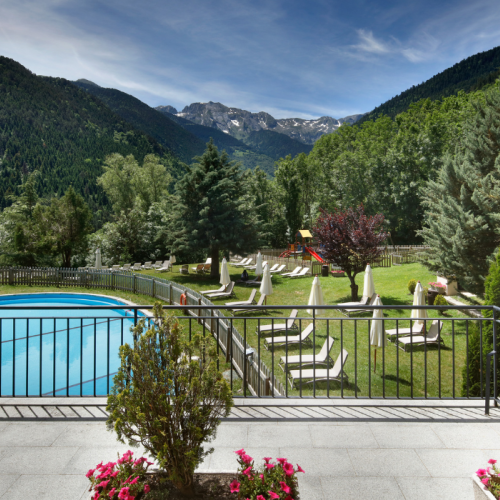
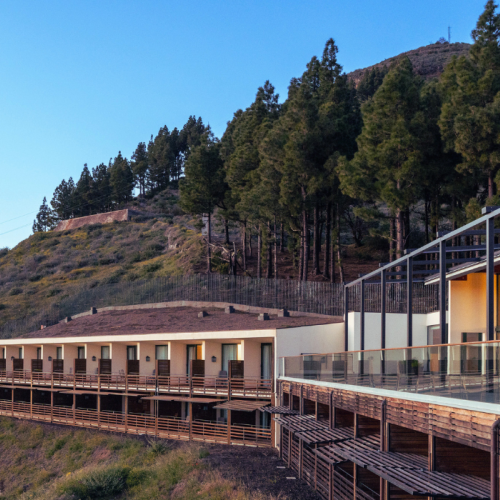
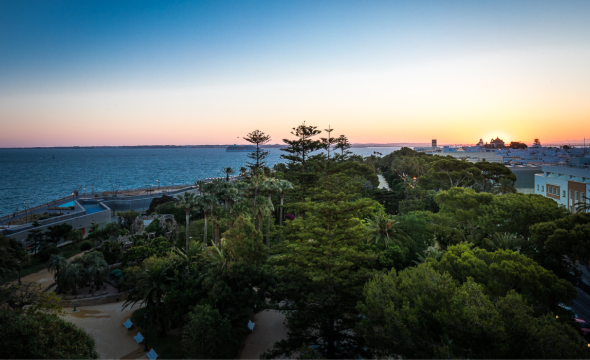
Autumn is not a pause, it is momentum. It is the season when projects flourish, ideas are harvested and landscapes are adorned in warm tones that invite you to go out, explore and breathe. With mild temperatures and days that are still generously long, autumn becomes the perfect time to discover those corners of Spain that, in the hottest months, remain somewhat hidden. Nature is transformed into a spectacle of colours, and the fresh air invites you to walk along paths through the trees. It is the ideal time to savour typical dishes that celebrate the season, and to immerse yourself in destinations steeped in history. Whether you are looking for tranquillity or adventure, autumn offers a unique opportunity to rediscover Spain. Here are five places where you can be carried away by the magic of this season.
Natural beauty in the heart of Soria
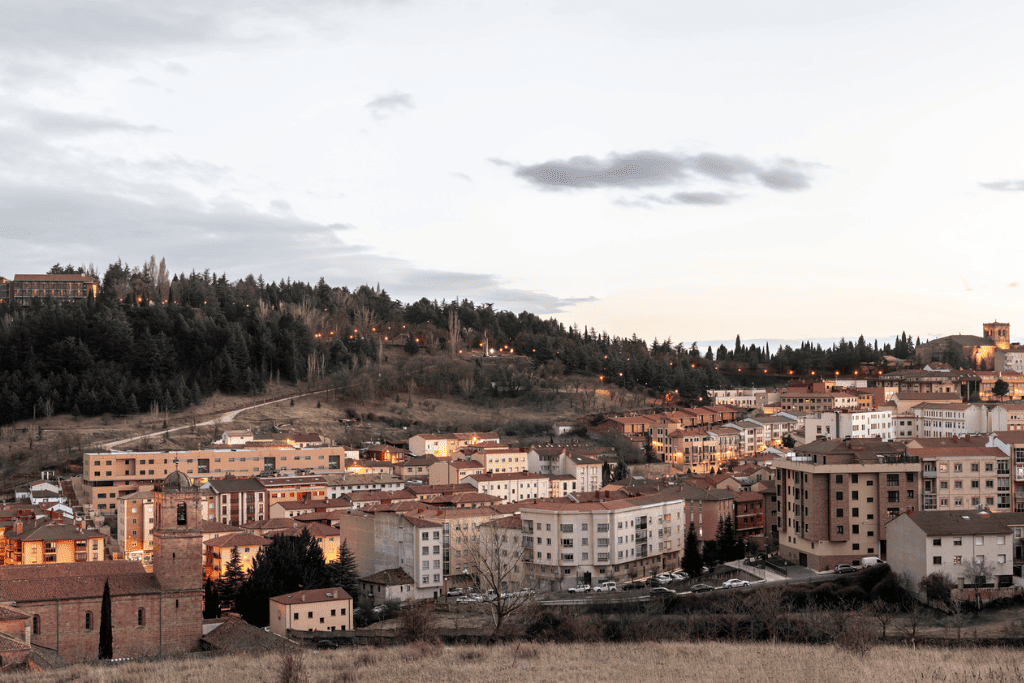
Soria is a land of eloquent silence, serene horizons and unadorned beauty. Antonio Machado captured its soul in verses that still echo amongst the oak trees and golden fields. In autumn, this province becomes a perfect refuge for those seeking to reconnect with nature, far from the hustle and bustle while remaining close to the essentials.
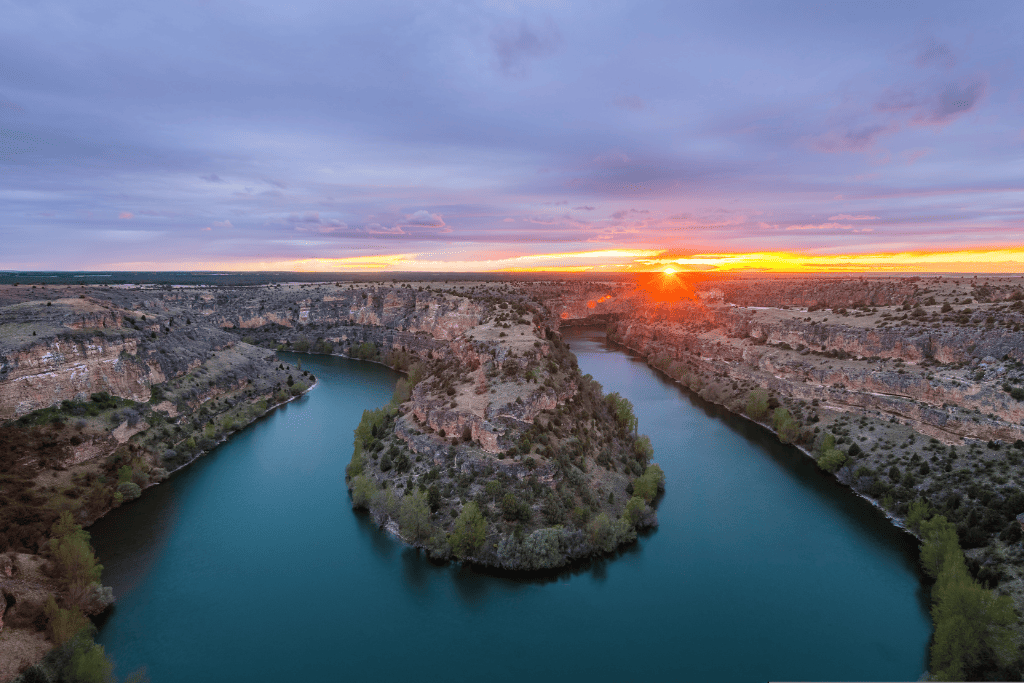
If there is one place where autumn is felt intensely, this must be the Río Lobos Canyon Natural Park. This nature reserve, shared between Soria and Burgos, is one of the most spectacular landscapes in Spain. Over centuries, the river has carved out a canyon of impossible shapes, where the ochre and reddish colours of autumn blend with the limestone and the persistent green of the pine forests.
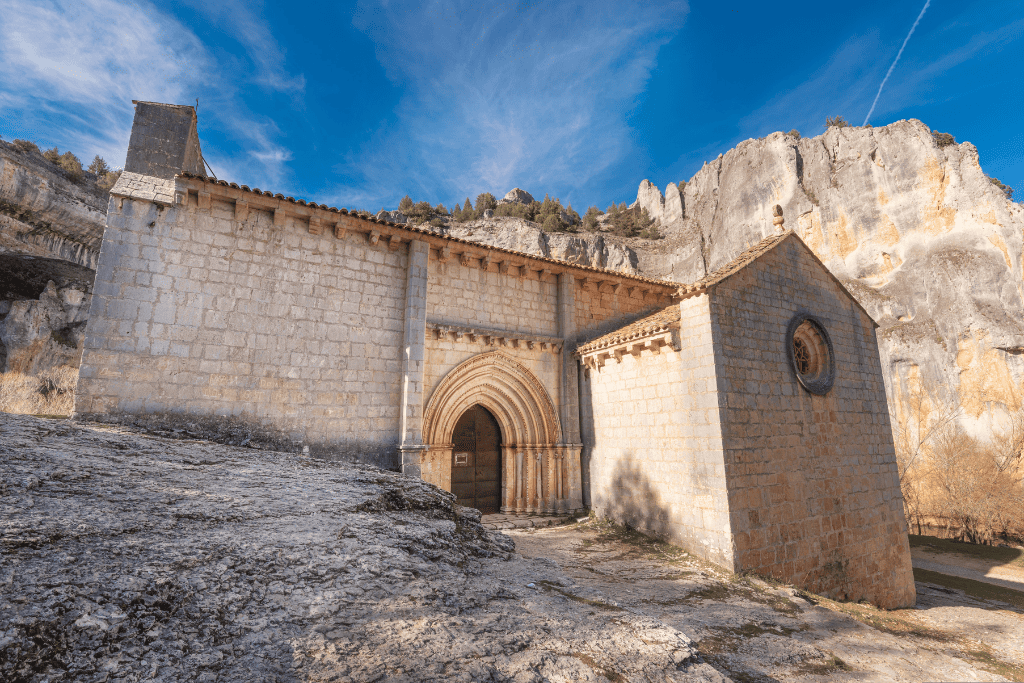
The hiking trails running through the park allow you to delve into this fairy-tale setting, whether on a leisurely stroll to the mysterious Templar hermitage of San Bartolomé or on a longer trek following the course of the river. The majestic flight of griffon vultures, the crunchy carpet of leaves underfoot and the golden light filtering through the canyon walls make every step a sensory experience.
Parador de Soria
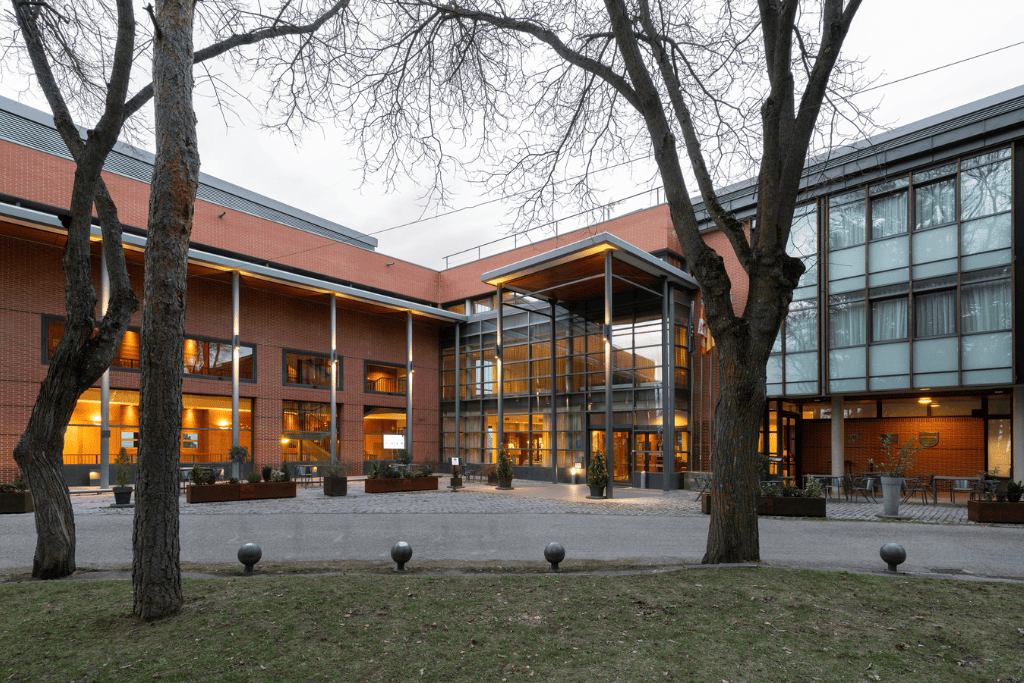
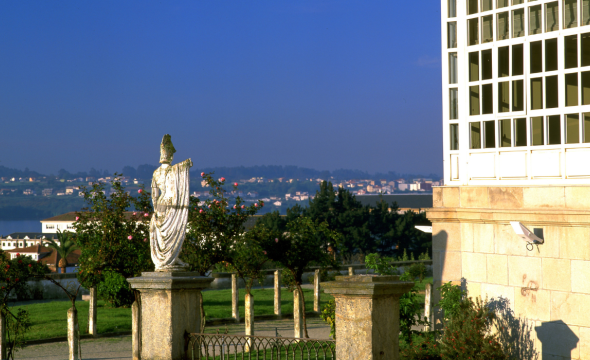
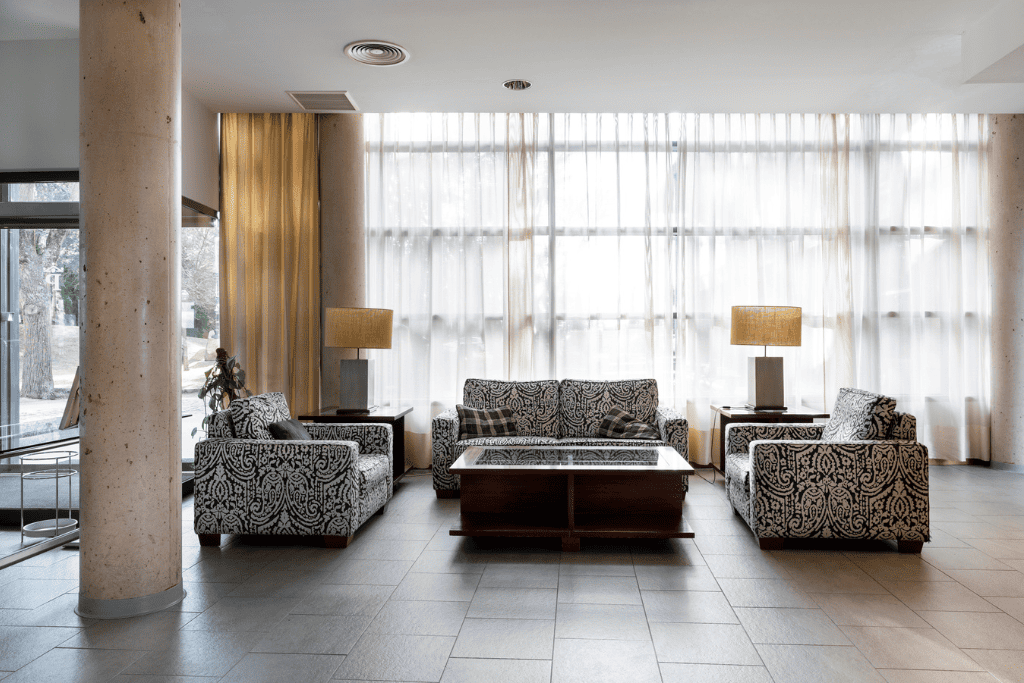
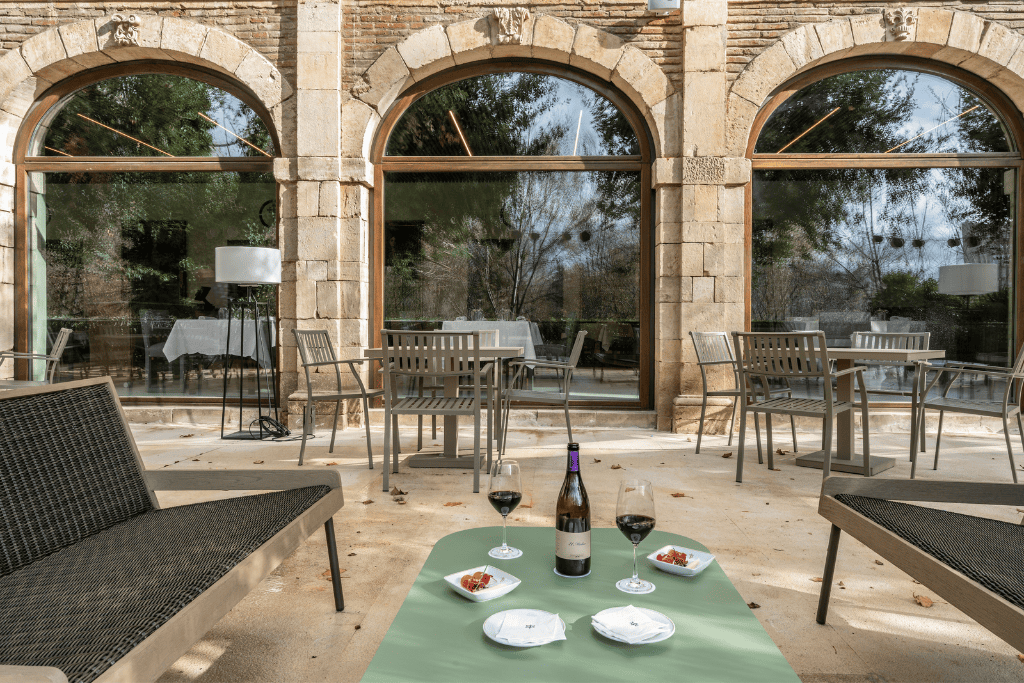
If there is one place perfect for experiencing autumn in Soria with all your senses, this must be the Parador de Soria. Located on top of a hill and surrounded by a forest that changes into a mosaic of ochre tones at this time of year, this enclave offers a privileged panoramic view of the city and the River Duero, as it meanders peacefully among trees that are beginning to shed their leaves.
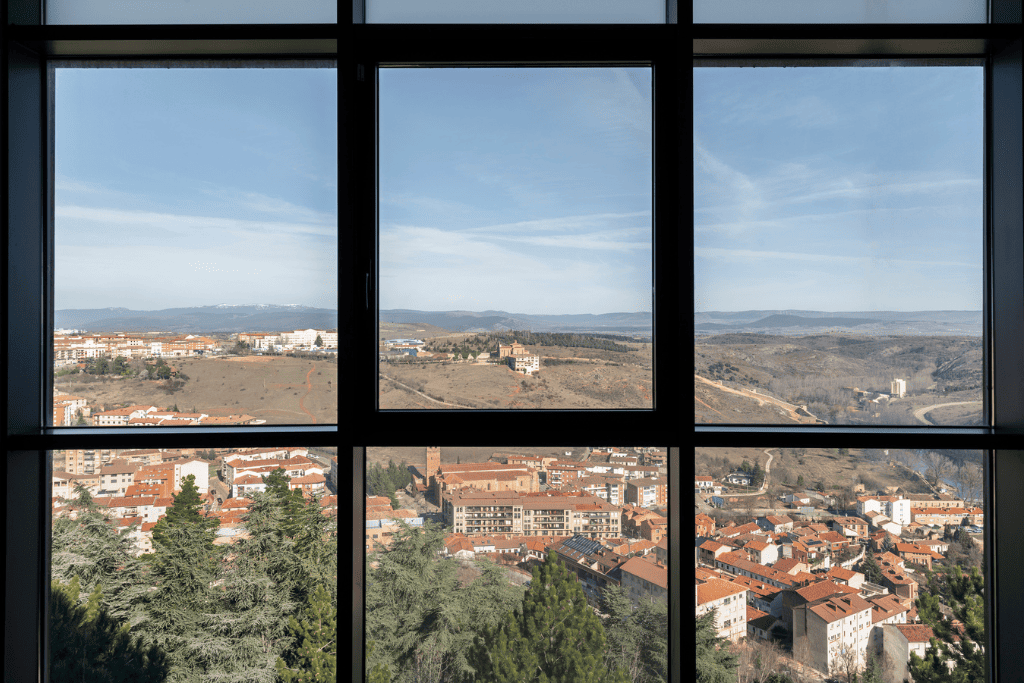
From the large windows, the autumn landscape becomes quite the spectacle. The Castle Park, just opposite the Parador, is dressed in browns and golds, and the fresh air invites you to take a leisurely stroll. Just a ten-minute walk from the historic city centre, the Parador is the ideal starting point for discovering the places that inspired poets such as Machado and Bécquer, and for savouring the cuisine of Soria in the hotel restaurant: beans, migas, garlic soup and roast lamb, all with the authentic flavours of the land.
Autumn at its best in the heart of León
León, one of the most surprising provinces in northwestern Spain, conceals spots that seem to resist the passage of time. Among mountains, valleys and ancient forests, Faedo de Ciñera emerges as one of its best-kept secrets. Just 40 kilometres from the capital of León, this centuries-old beech forest offers one of the most fascinating autumn experiences in the region.
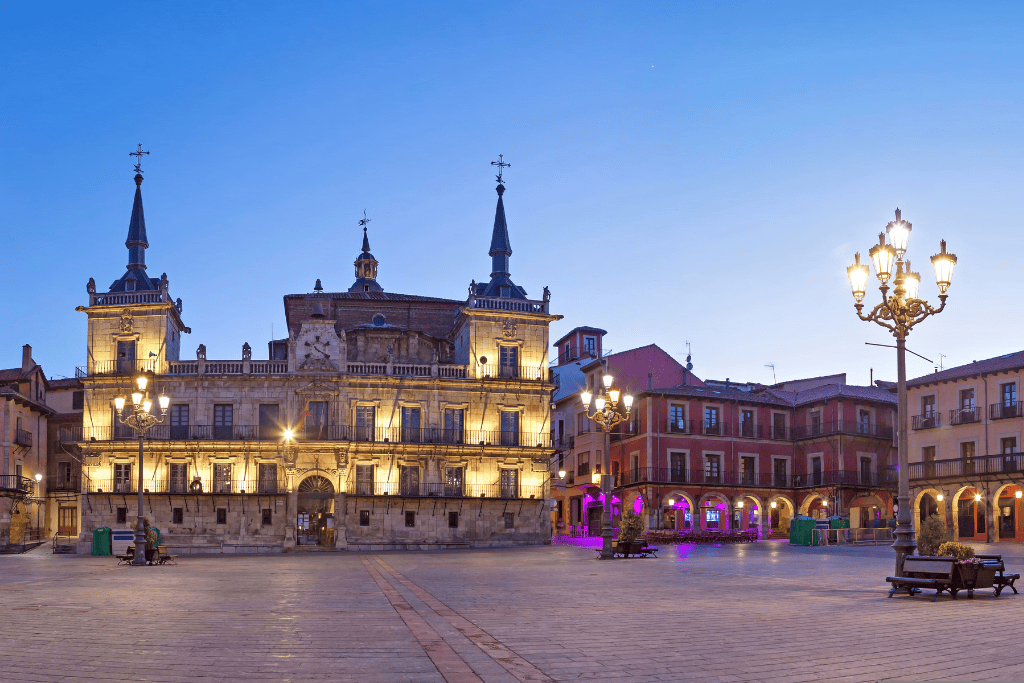
Faedo de Ciñera is not just a forest; it is a natural refuge that, during the autumn months, is transformed into a canvas of warm, vibrant colours. With its golden and reddish leaves, it becomes the perfect place to disconnect from the hustle and bustle of city life and immerse yourself in a fairy-tale landscape. It is the kind of place where, as you walk among the trees, you can feel time standing still. Recognised in 2007 as "the best-preserved forest in Spain", its care and conservation have made it a model of respect for nature, preserving its biodiversity and allowing travellers to enjoy its beauty without altering it.
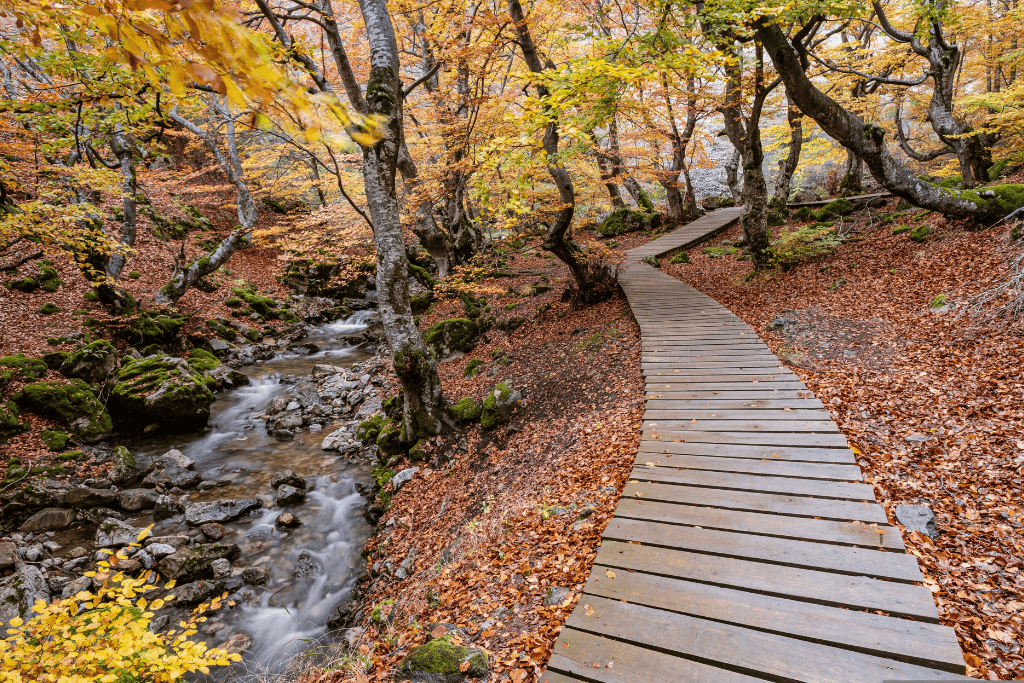
The most popular route to explore the Faedo starts in Ciñera de Gordón, a picturesque village located next to the Bernesga River. From there, a 7-kilometre trail, suitable for all types of hikers, leads into the heart of the forest. During the walk, the majesty of the beech trees, some of which are over 500 years old, takes centre stage, with Fagus, the oldest beech tree in the forest, being one of the natural gems that most attracts visitors. This colossal beech tree, with a circumference of over 6 metres, is a living witness to the evolution of this ecosystem.
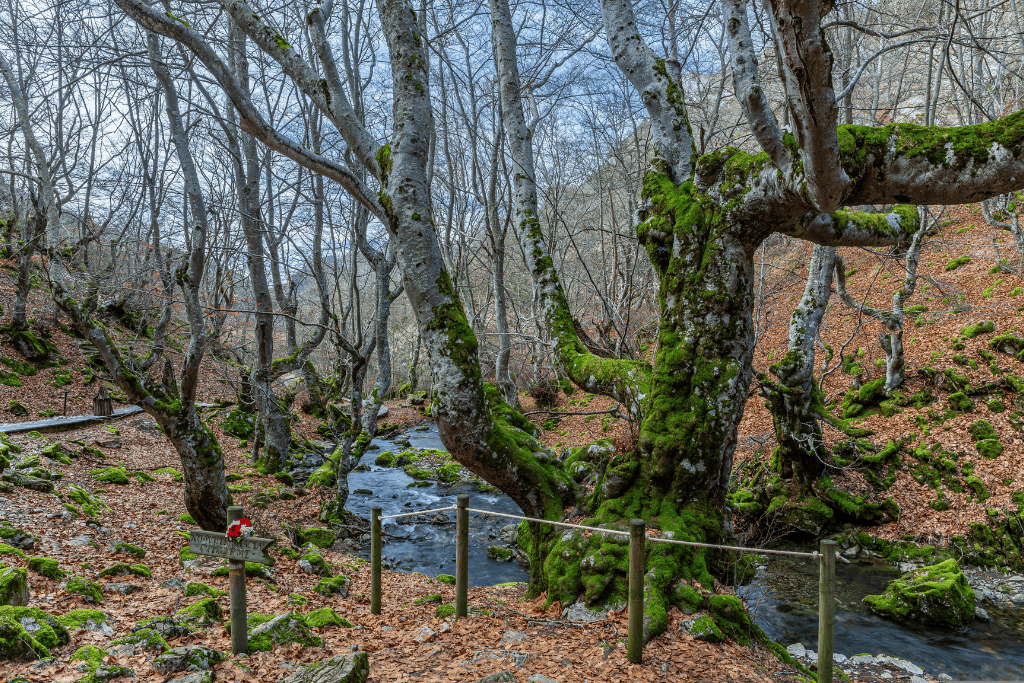
The route ends at the Marmitas de Gigante, a series of waterfalls and pools of crystal-clear water that add the finishing touch to this immersion in nature.
Parador de León
After a day exploring the magic of Faedo de Ciñera and inhaling the fresh autumn air, what better than to relax at one of the most emblematic places in León, where history and modernity go hand in hand: the Parador de León.
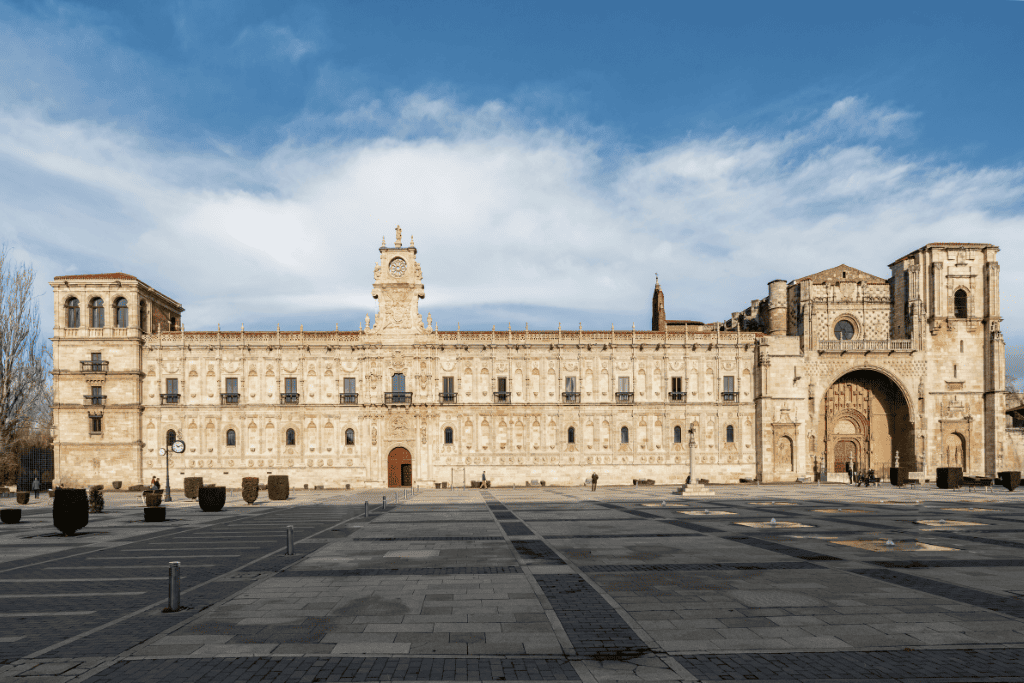
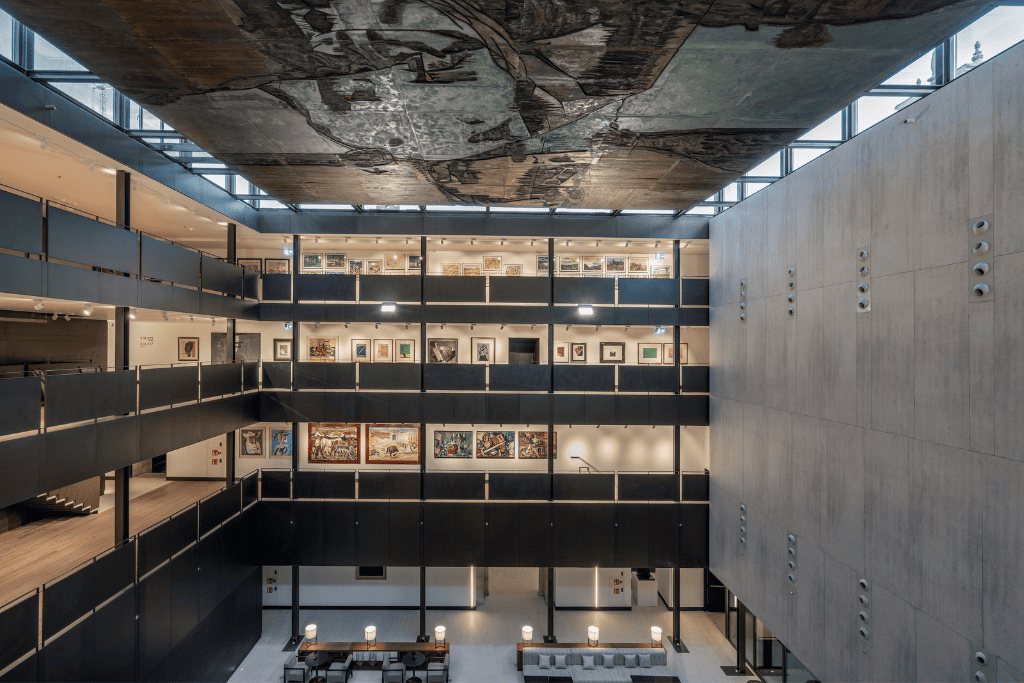
Located in the majestic Hostal San Marcos, a former emblem of the Order of Santiago, the Parador offers a unique accommodation experience. This monument, considered one of the finest examples of the Spanish Renaissance, has been carefully renovated to combine its imposing historical legacy with an avant-garde touch that give it a new lease of life. From its iconic café, located under a ceiling painted by Lucio Muñoz, to the terrace overlooking the Bernesga River, the Parador is the perfect retreat for those seeking comfort and culture in the heart of León.
Within the walls, guests can enjoy an exceptional art collection, ranging from the impressive Renaissance works of Juan de Juni to contemporary pieces by artists such as Eduardo Chillida and Fernando Zóbel. In addition, the Chapter House, with its Mudejar coffered ceilings, invites you to be absorbed by its history and beauty. Thus, the Parador de León is not only the ideal place to rest after a day of exploration, but also a true living museum, where art and architecture become part of the experience.
An autumn of colours and Pyrenean magic
At the greenest end of Lleida, the Aran Valley unfolds like a privileged corner of the Catalan Pyrenees, where autumn takes on a unique intensity. Before the snow transforms it into a ski resort, the mild, sunny days of this season invite you to discover its alpine landscape on foot, step by step, among forests that burst into a symphony of colours. Here, nature seems to take its time, and travellers are grateful for this: all you need is a pair of boots, comfortable clothing and a desire to get lost on paths that connect stone villages, hidden waterfalls, high-altitude lakes and centuries-old beech forests.
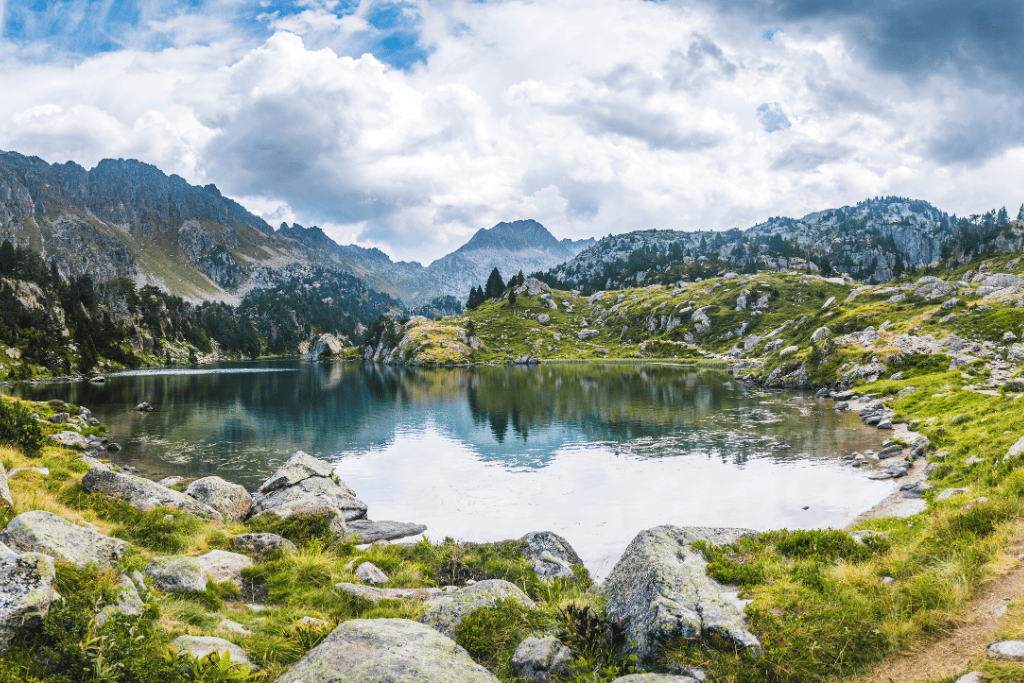
The forests are the main attractions. The Toran forest, with its mixture of hazelnut and ash trees; Baricauba, with its thickets of fir trees; or the Carlac beech forest, an almost magical place where thousand-year-old beech trees twist together as if still under the influence of the wind. These are ideal settings to be carried away by the calm of the environment and practise "forest bathing", a leisurely and sensory way of walking under the canopy of the Pyrenees. For the more active, the valley offers routes such as the Camin Reiau, connecting 33 villages over 150 kilometres, or the demanding circuit of the 7 lakes of Colomèrs, set among high mountain landscapes.
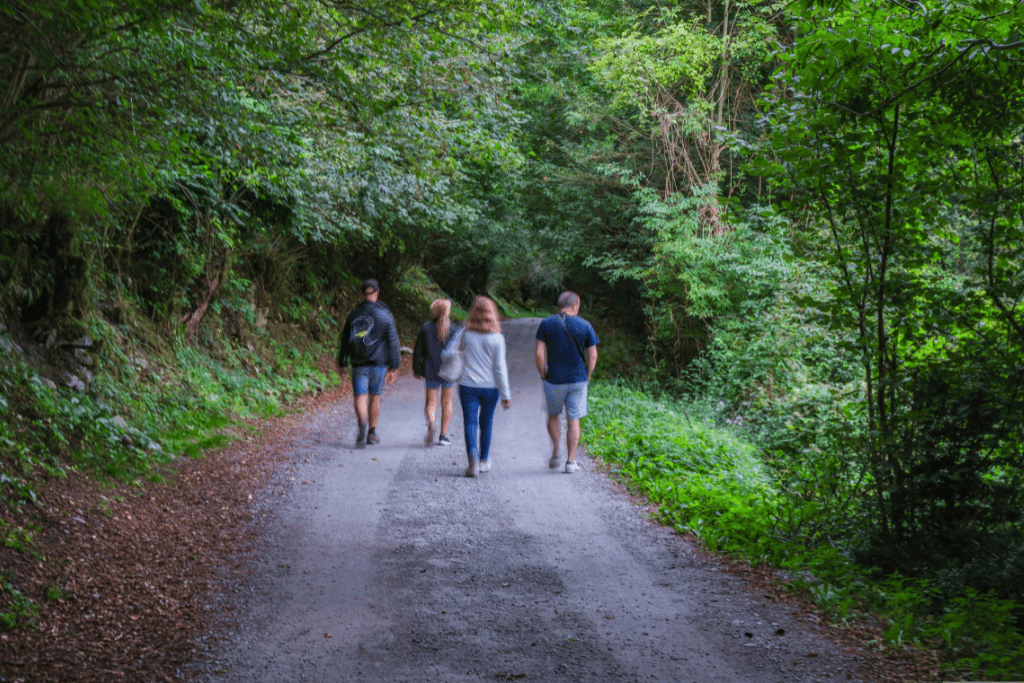
Autumn is also a time to relish. The mushroom season transforms the valley into a mycological paradise. The damp forests of black pines and firs are filled with mushroom gatherers and restaurant menus are adorned with dishes where mushrooms share the limelight with foie gras, duck breast and the traditional Aranese òlha.
Parador de Arties
After a day spent in the forest, on trails and in high-altitude landscapes, what could be better than to unwind in a place that reflects the essence of the valley: the Parador de Arties, a charming retreat in the heart of the Catalan Pyrenees.
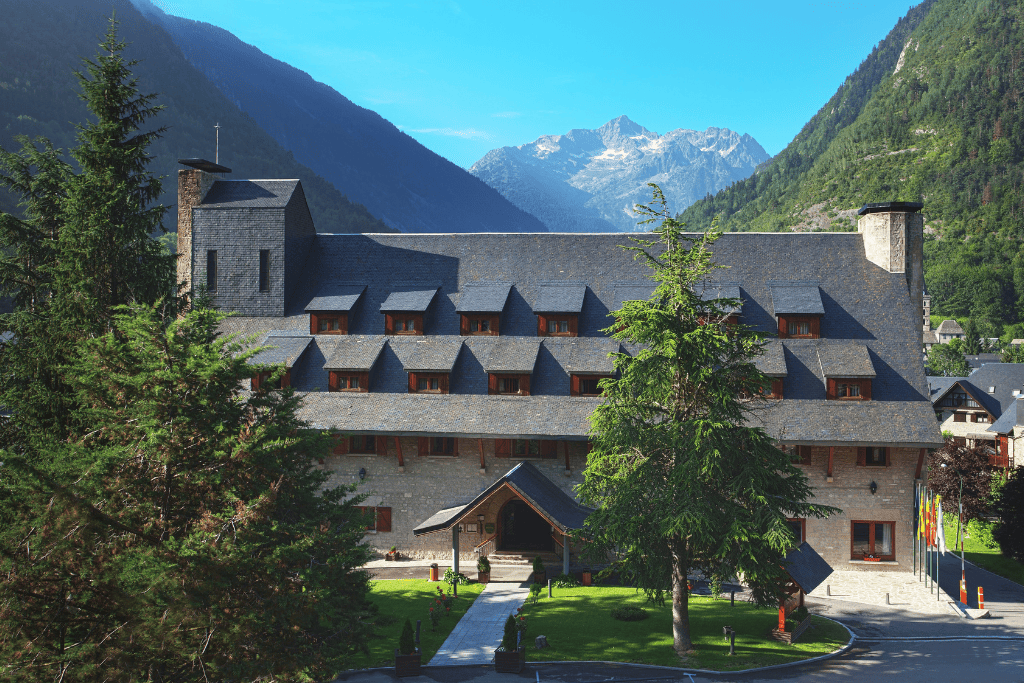
Housed in a 14th- and 15th-century mansion, this jewel of Aranese architecture offers cosy rooms with sloping wooden ceilings, warm and welcoming corners and privileged views of the Pyrenean peaks and the village houses.
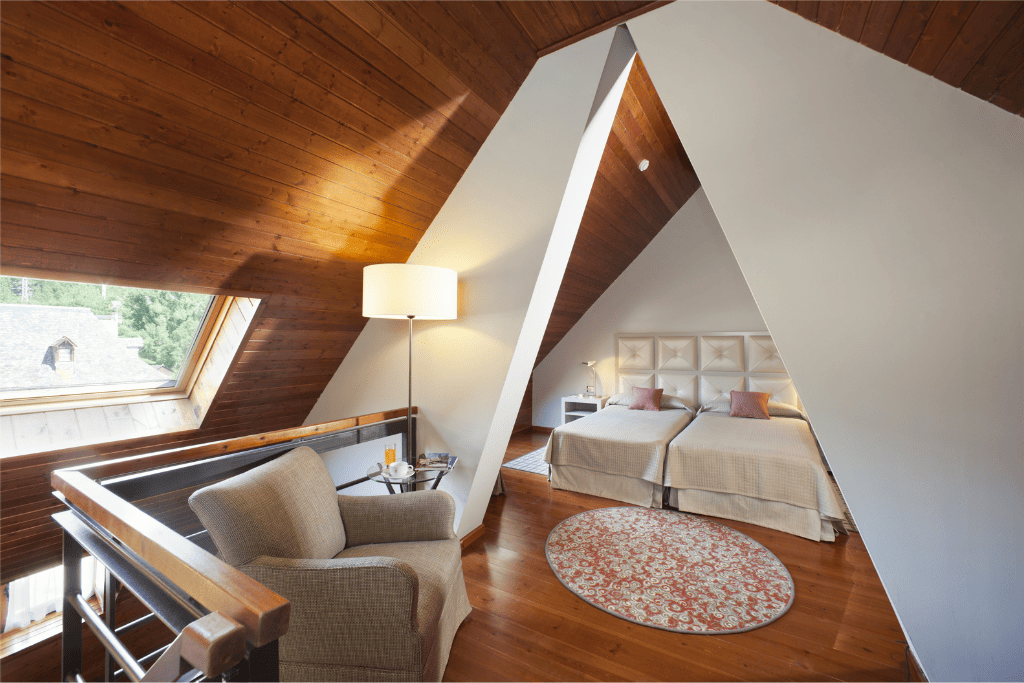
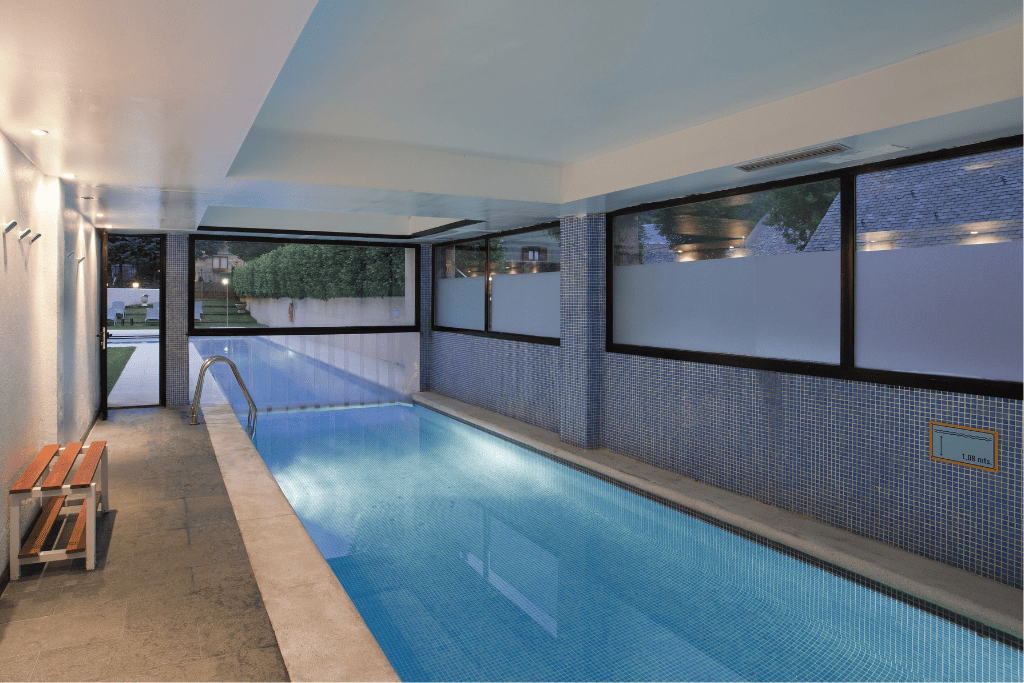
In autumn, it is at its most serene. The Parador becomes the perfect retreat for enjoying the calm of the valley. From relaxing in the heated spa pool with mountain views to enjoying a cocktail by the fireplace in the elegant restaurant, every corner of the hotel invites you to reconnect with your surroundings and with yourself.
Fountains, palaces and golden forests
Just 13 kilometres from the city of Segovia, at the foot of the Central System, lies one of the most dazzling autumn landscapes in Castile: the Royal Palace of La Granja de San Ildefonso. This monumental complex, declared a Biosphere Reserve and Historic-Artistic Site, offers an unforgettable experience in autumn. The soft light of this time of the year embraces the royal gardens, the palace and its forests with a beauty that seems suspended in time.
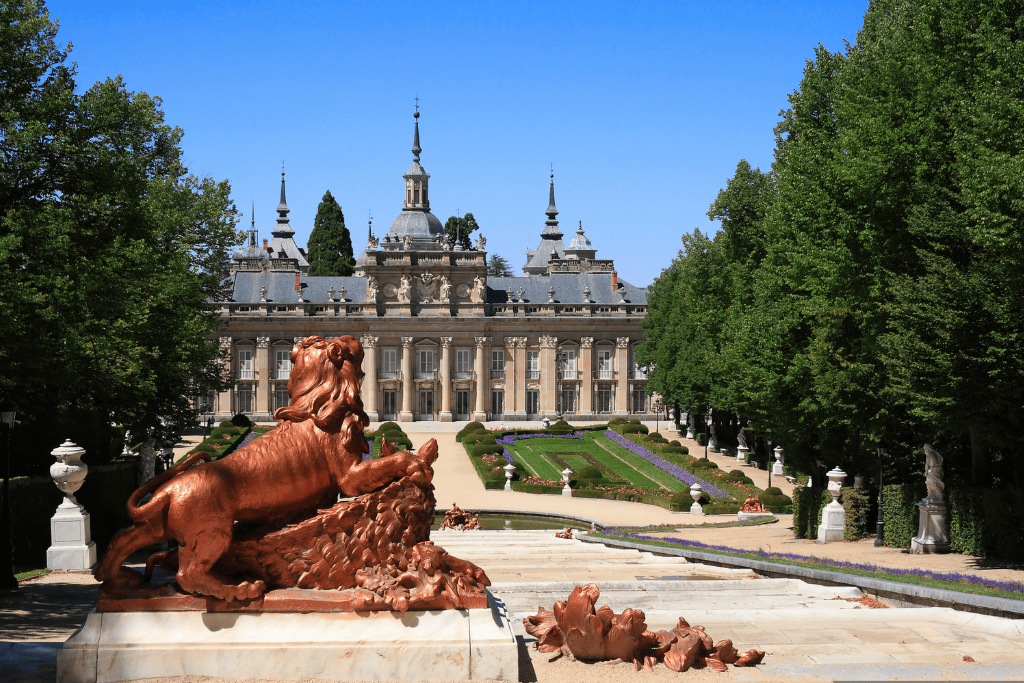
Created by Philip V in the 18th century as his summer residence, the Royal Palace of La Granja retains the grandeur of the Bourbon monarchy. But what really sets the palace apart are the Versailles-style gardens, among the most important scenic gems in Europe. Designed by the Frenchman René Carlier, the gardens cover 146 hectares where architecture, sculpture and nature intertwine in almost perfect harmony. The 21 mythological fountains, still with their original hydraulic system, stand among rows of centuries-old trees, natural forests and sculpted hedges that turn red, gold and copper in autumn.
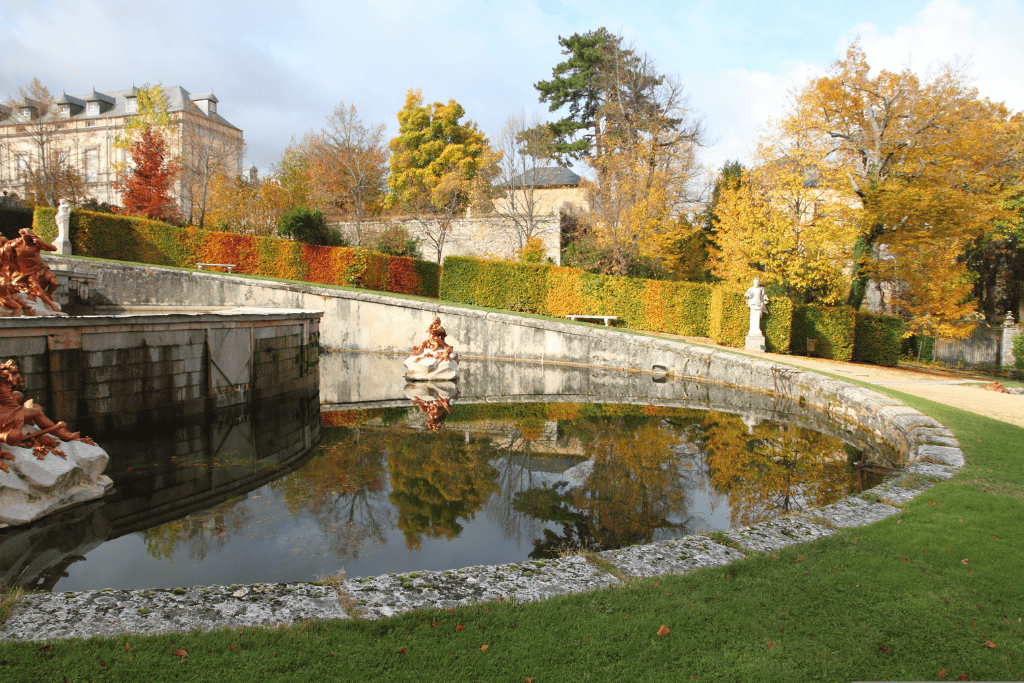
A walk to "El Mar", the large pond that supplies the fountains, offers one of the most iconic views of the complex: the golden treetops reflected in the still water. Beyond the palace and its fountains, the surroundings hold other treasures such as the maze, the House of Flowers and the chapel, all surrounded by a forest bursting with colour. Wild cherry trees, lime trees, maples, horse chestnuts, giant redwoods... more than 12,000 trees in rows and another 70,000 natural specimens make up a mosaic of plants that is hard to match.
Parador de La Granja
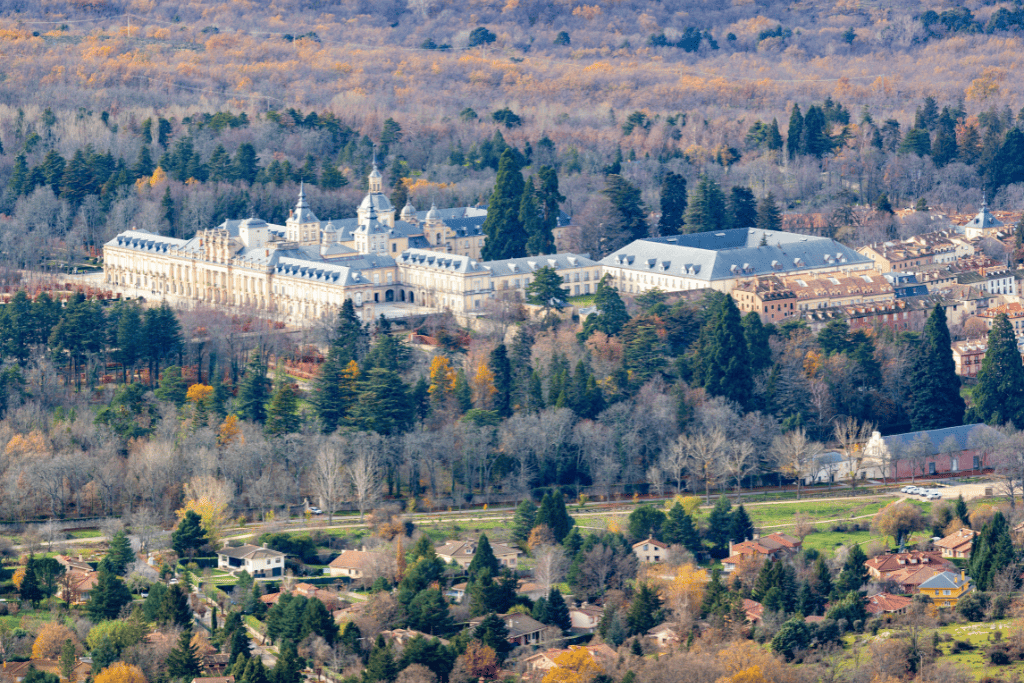
Nearby, after wandering aimlessly around the gardens and palaces of La Granja, a chance to rest and learn some history continue at the Parador de La Granja, located in the imposing Casa de los Infantes, an 18th-century architectural gem built by Charles III for his children. This emblematic building combines historical charm with modern comforts, offering a warm and elegant retreat in the heart of the town.
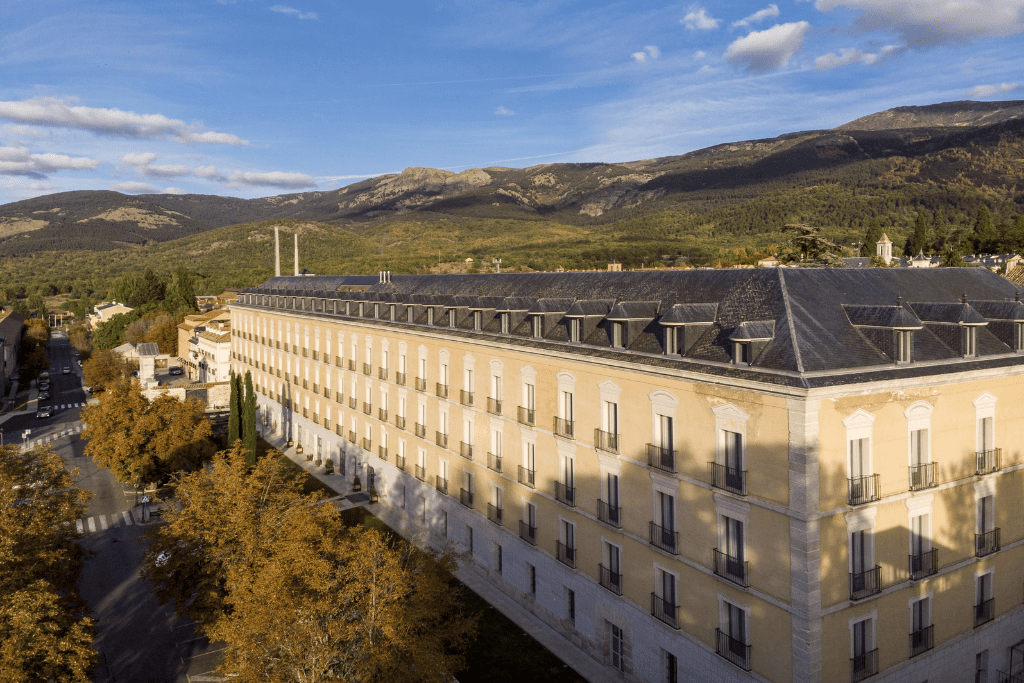
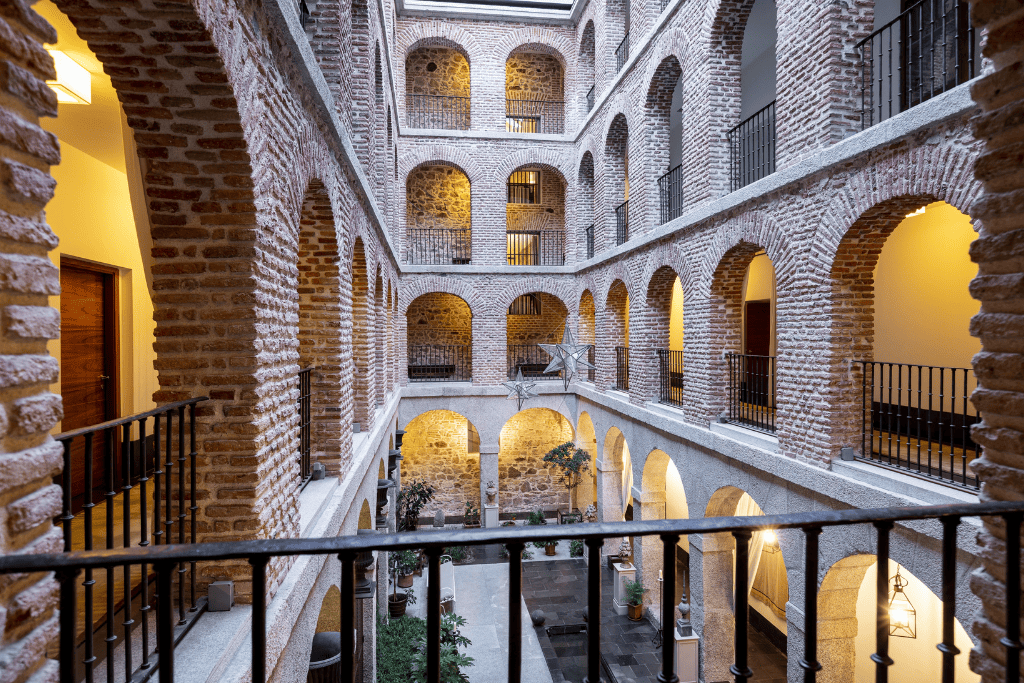
The three interior courtyards, surrounded by galleries of semi-circular arches, create a unique atmosphere that invites you to relax after a day exploring the Royal Palace. In addition, next to the Parador is the former Cuartel de la Guardia de Corps, now transformed into a modern Congress and Convention Centre, adding a touch of vitality to the surroundings.
Staying here means immersing yourself in the living history of La Granja de San Ildefonso, less than an hour from Madrid, with the Royal Palace, the Tapestry Museum, the Marble Room and the Royal Glass Factory all within easy reach, and just waiting to be discovered.
BOOK AT THE PARADOR DE LA GRANJA
Living history between cliffs and forests
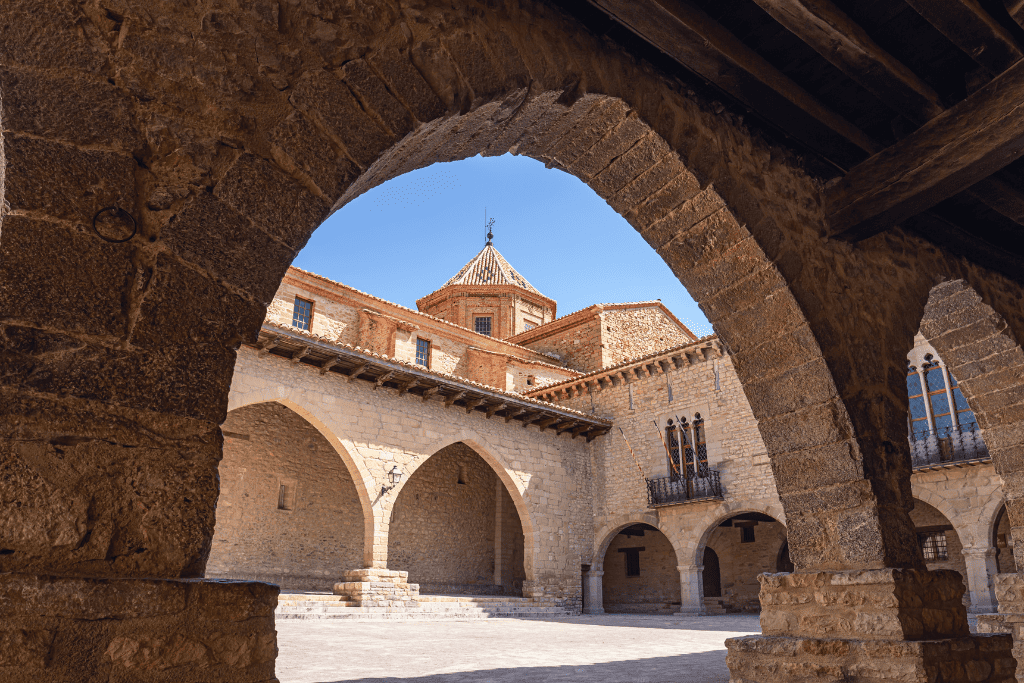
In the heart of the Maestrazgo region of Teruel, perched on an imposing cliff at an altitude of over 1,300 metres, Cantavieja eemerges as a medieval enclave that seems untouched by the passage of time. Ninety kilometres from the city of Teruel this Templar town of cobbled streets invites you to enjoy a leisurely, authentic getaway steeped in history, and untouched by mass tourism.
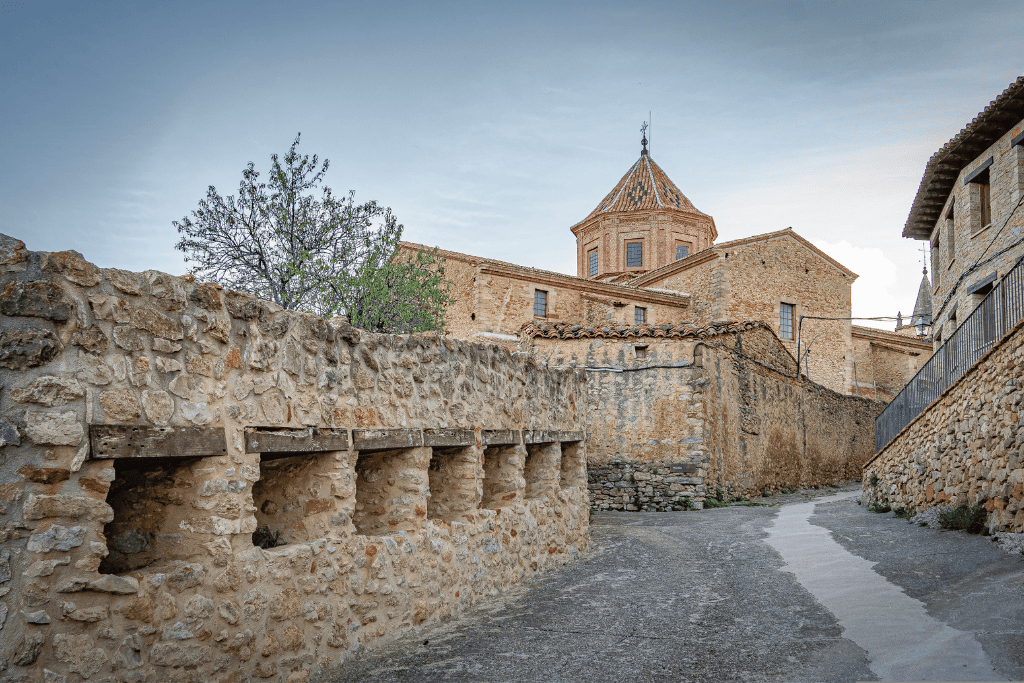
Stroll through Cantavieja in autumn to discover the essence of rural Aragon, which continues to thrive. The Plaza Porticada, the Gothic church of La Asunción, the Tower with its old school dating from 1918, and the Casa el Bayle, former residence of the Carlist Ramón Cabrera, are just some of the traces that time has left on its stones. Everything here speaks of borders, battles and silences, from the remains of the wall to the museum dedicated to the Carlist Wars.
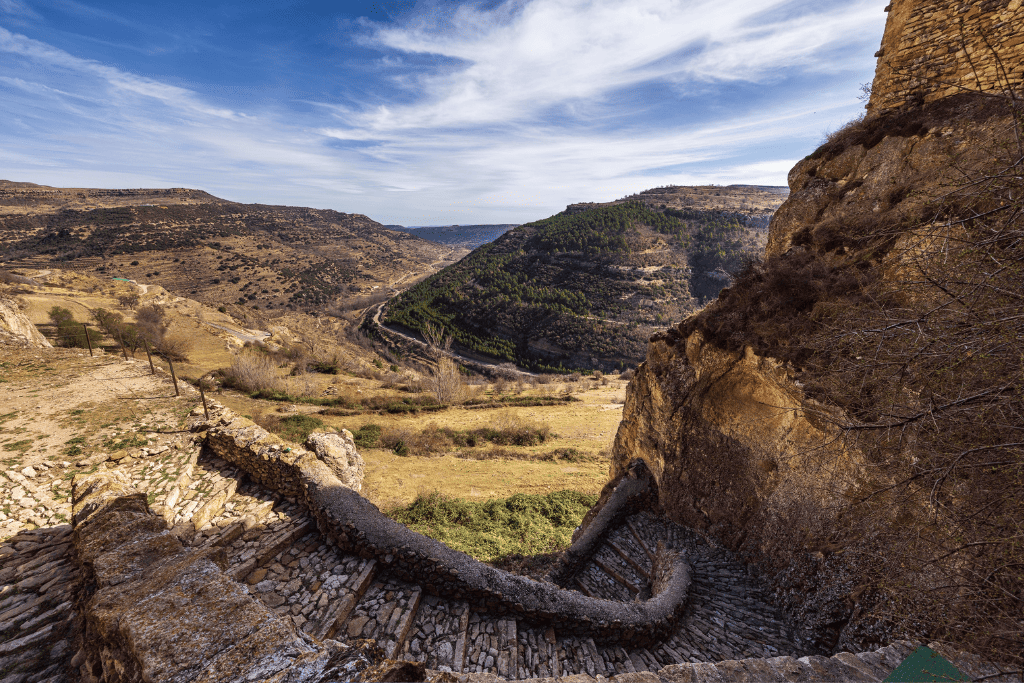
In addition to its monumental value, Cantavieja is the gateway to a region that is transformed in autumn. Amber-coloured forests, riverside paths, routes under the walls and viewpoints such as La Tarayuela make a visit here a natural experience without frills. This is the season for mushrooms, leisurely walks and good food, with dishes that taste of the land and tradition.
Parador de Teruel
And if, after exploring Cantavieja and the landscapes of the Maestrazgo, you are looking for a place to relax in peace and quiet surrounded by history, the Parador de Teruel, just 90 kilometres away, is the perfect choice. Housed in an elegant mansion on the outskirts of the city, this hotel combines the charm of the Mudejar style with the comfort of spacious gardens and areas designed for relaxation, family trips or cultural breaks.
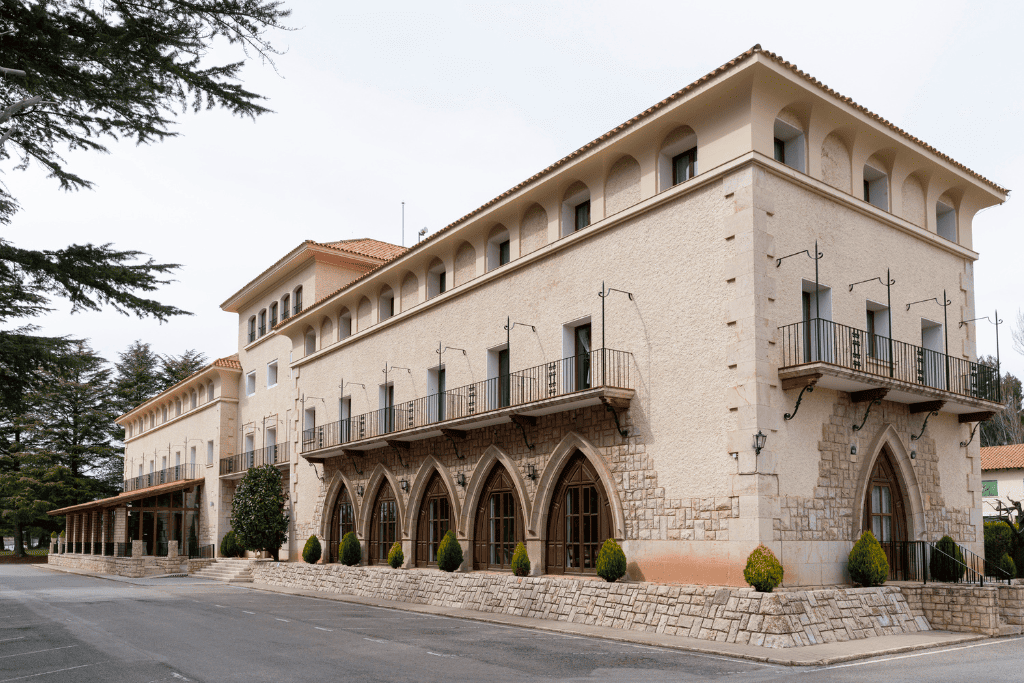
Inspired by traditional Aragonese architecture, with pointed arches, marble details and tiles that reflect the region's Arab heritage, the Parador is also the ideal gateway for discovering Teruel, a city of legends such as that of the Lovers and unique monuments such as the Mudejar cathedral of Santa María or the Towers of San Martín and El Salvador. If you fancy some nature, the surrounding area offers peaceful routes along the Rambla de Valdecebro or the Tortajada lagoon, perfect for rounding off this autumn getaway amid history, landscape and authenticity.