There are certain landscapes that yield their secrets only to those on foot. The Ribeira Sacra is indisputably one of them. Cradled between the provinces of Lugo and Ourense, the landscape here has been sculpted over millennia by the Miño and Sil rivers, which have carved out dramatic gorges, steep, vertiginous slopes, and ancient Atlantic forests where gravity-defying vineyards cling to the rock.
In this cloistered corner of inland Galicia, the Ribeira Sacra Nature Trail follows ancient paths trodden for generations by monks, farmers, and the inhabitants of the tiny hamlets that lie scattered across the valleys. Today, these historic rights-of-way offer an unparalleled means of discovering one of Spain’s most visually arresting and culturally profound landscapes.
A landscape shaped by water
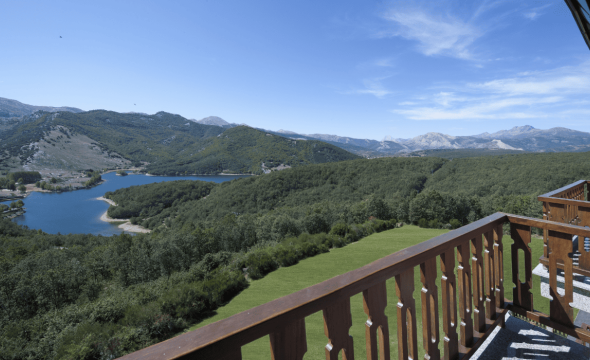
The defining character of the Ribeira Sacra is inextricably bound to its two great aquatic arteries: the Miño and the Sil. Both rivers have sliced deep, sheer chasms through the bedrock of the region, creating some of the most spectacular, breathtaking viewpoints in all of Galicia.
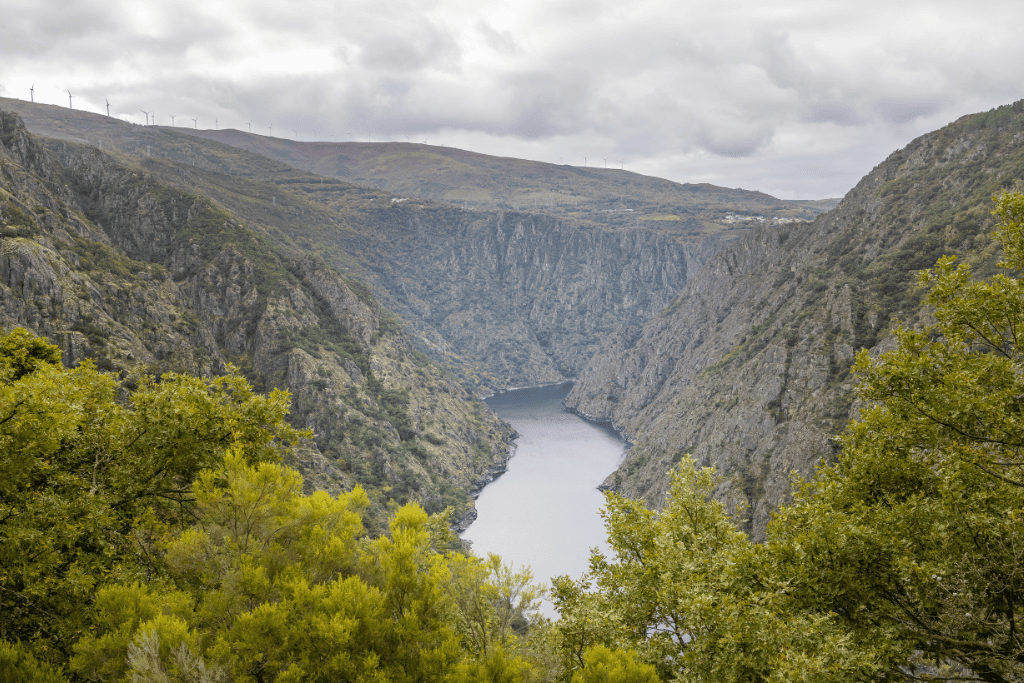
As the trail unfolds, the scenery shifts fluidly between dense canopies of chestnut and oak and the stone-walled terraced fields that plunge precipitously toward the water's edge. These are the legendary slopes of viticultura heroica—‘heroic viticulture’—a gruelling method of cultivation that demands intensive, painstaking manual labour on near-vertical inclines.
From countless vantage points along the route, one can marvel at these stepped terraces, which form the very soul of the region’s visual identity.
A trail between monasteries and chapels
One of the most compelling stretches of the Camino Natural connects the historic Monastery of Santo Estevo with the solitary chapel of Virxe do Monte, tracing some 24 kilometres of traditional paths and ancient tracks.
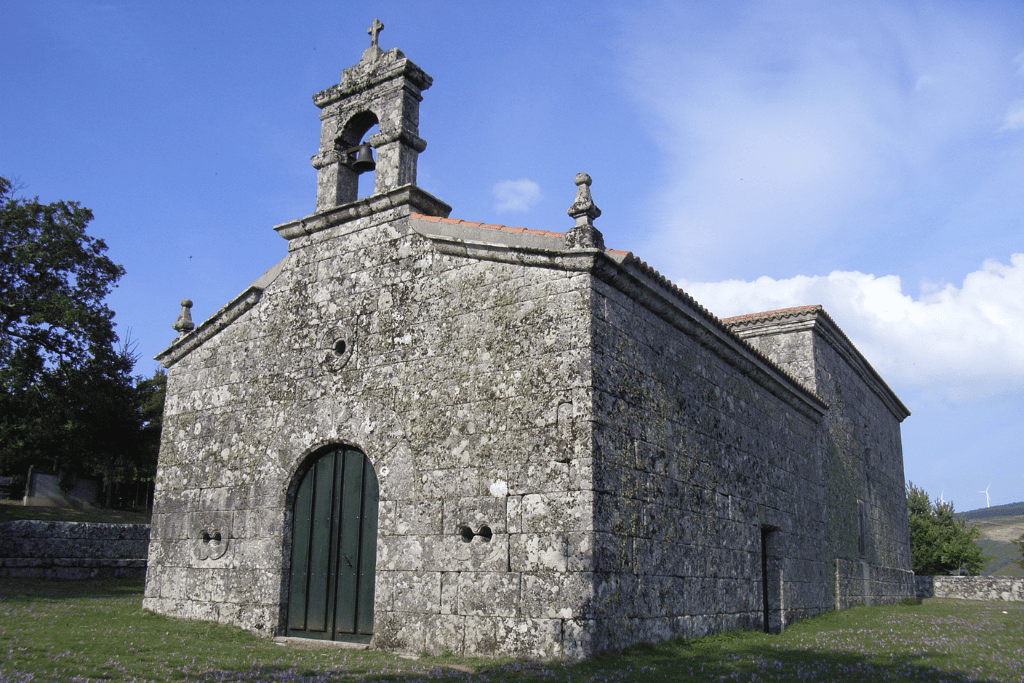
This route allows walkers to immerse themselves fully in the quintessential scenery of the Ribeira Sacra while uncovering the sacred roots that gave the region its name. It is by no means accidental that the word sacra (sacred) echoes through these valleys. For centuries, numerous monastic orders sought out these isolated depths, drawn by the profound seclusion and spiritual stillness that the terrain naturally affords.
That monastic legacy remains vividly etched into the landscape, visible in the monasteries, stone churches, and small, votive chapels that punctuate the trail.
Spend the night in a monastery with over a thousand years of history
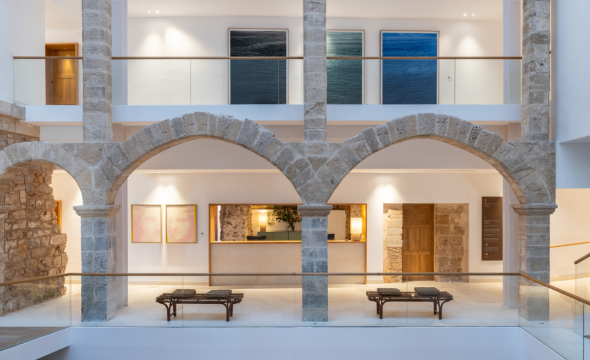
At the journey's end, few places embody the timeless spirit and history of the Ribeira Sacra quite like the Parador de Santo Estevo.
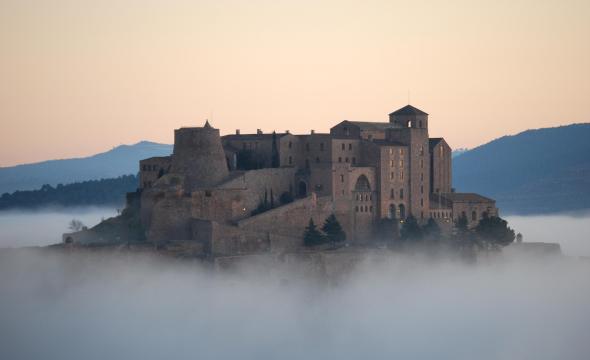
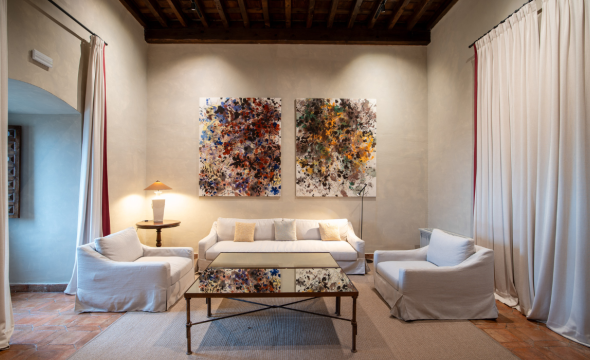
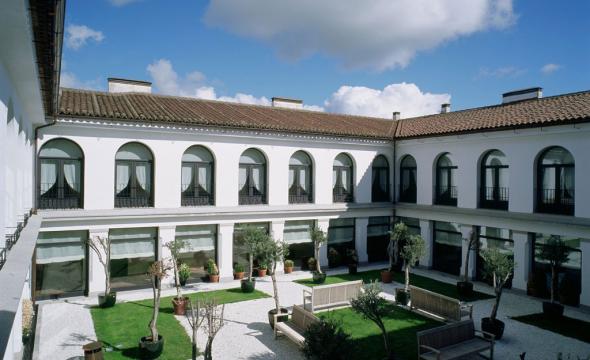
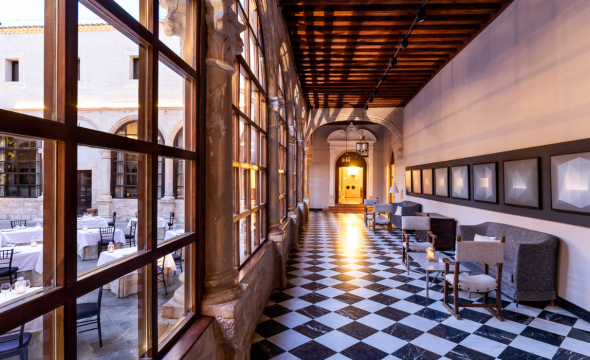
The hotel is masterfully integrated into one of Galicia’s most superbly preserved monastic complexes. Its foundations date back to the 6th century, and its striking architecture charts a course through Romanesque, Gothic, and Renaissance styles. Three distinct cloisters from different architectural epochs allow guests to physically trace the building’s grand historical evolution.
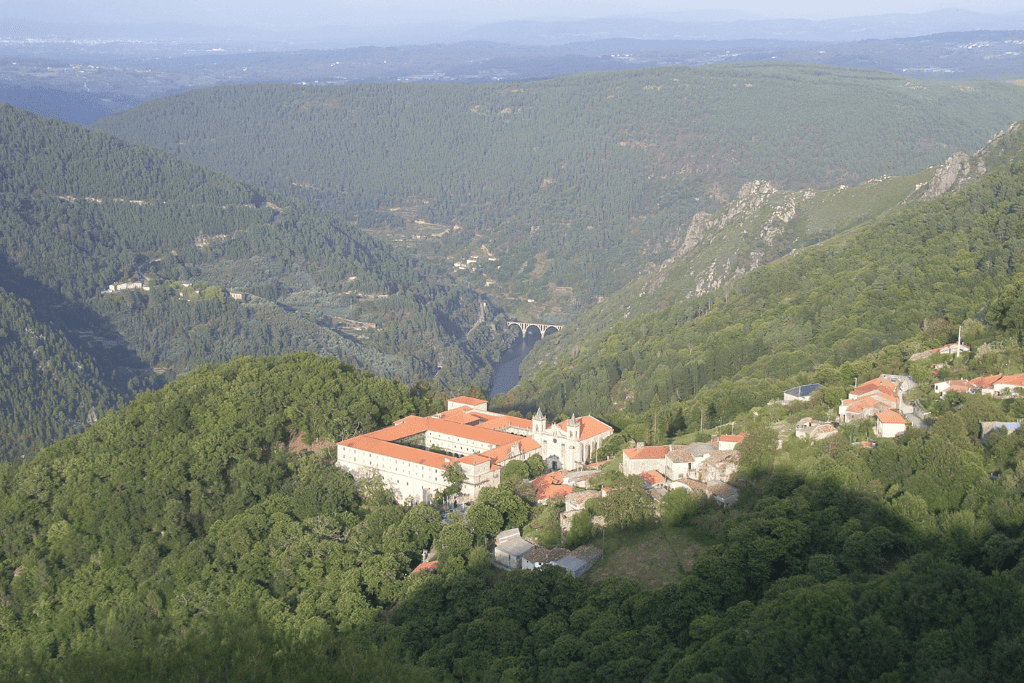
Local lore tells that nine holy bishops found sanctuary here during the Muslim invasion of the Iberian Peninsula, transforming the monastery into an important and revered centre of pilgrimage.
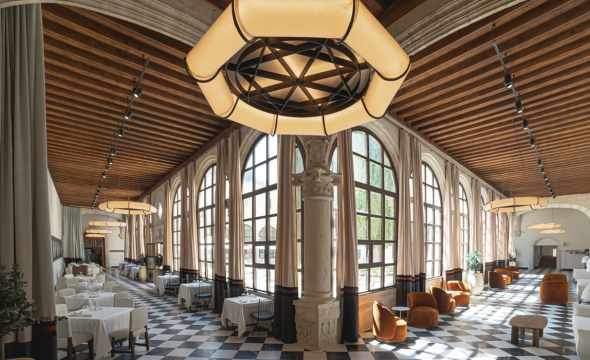
Today, the monastery provides a magnificent continuation of the Camino experience. The ancient, contemplative monastic spaces coexist seamlessly with contemporary, high-end comforts, all without compromising the sacred, historic character that defines the complex.
Cuisine with a local flavour
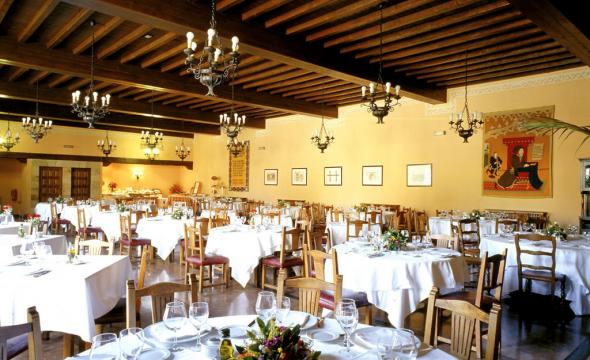
The Ribeira Sacra is equally celebrated for the richness of its culinary heritage. After a demanding day's hiking, the local gastronomy rewards the traveller with some of Galicia’s most exceptional, terroir-driven produce. Traditional savoury empanadas, hearty mountain meats, artisan cheeses, and the expressive wines coaxed from the steep banks of the River Sil are staples of the local table.
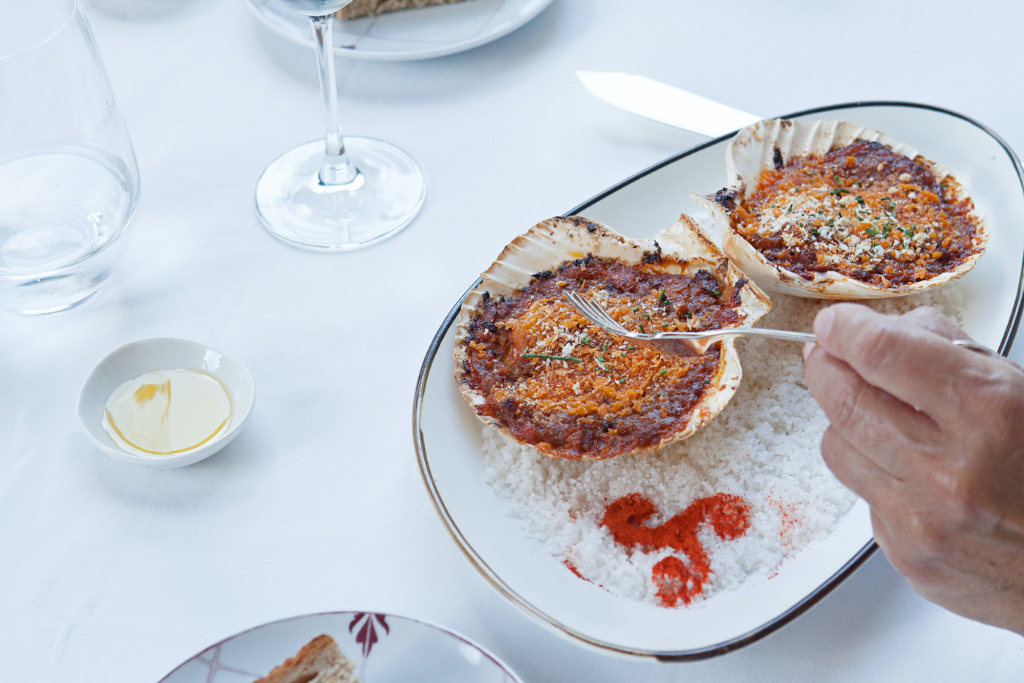
The wine, in particular, stands as the supreme emblem of the region. The unforgiving topography dictates that the vineyards must be tended almost entirely by hand—a proud, enduring tradition that has elevated the Ribeira Sacra into one of the most prestigious and fiercely respected designations of origin in northern Spain.
A journey combining nature and history
The Ribeira Sacra beautifully crystallizes the very essence of the Natural Trails experience: landscapes slowly sculpted by the passage of time, monumental historical heritage seamlessly woven into the natural world, and an intimate, symbiotic relationship between human endeavour and the wild.
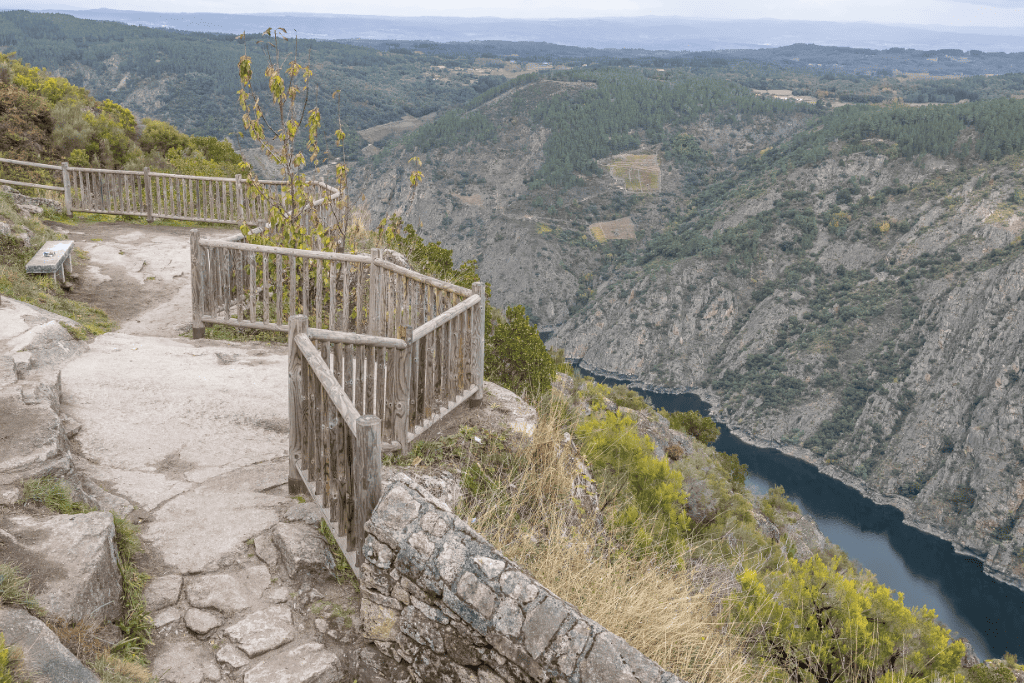
Here, the path twists through deep canyons, sun-drenched vineyards, and silent monasteries. Each unique section offers a deeper understanding of how this extraordinary geography has dictated the way people live, work, and build in one of Galicia’s most captivating regions.