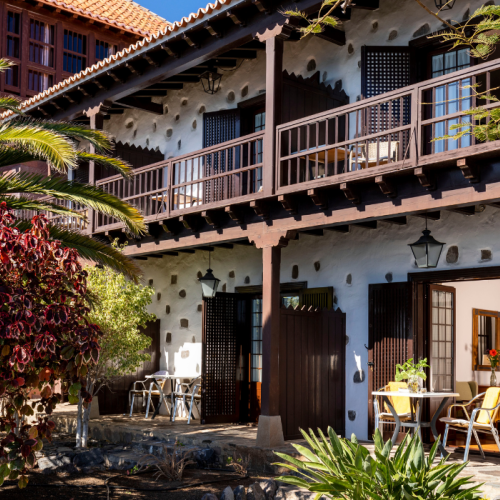
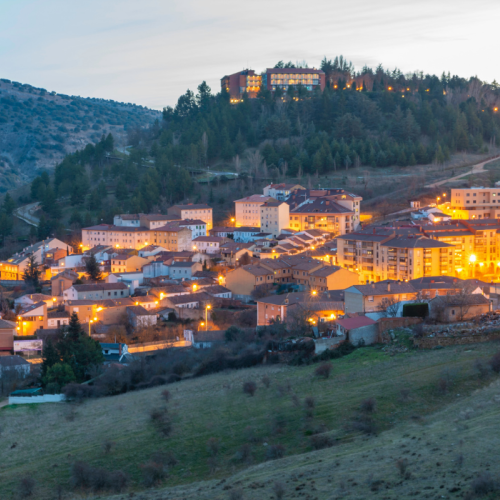
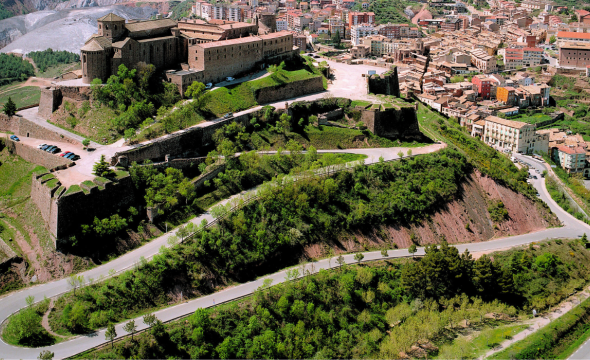
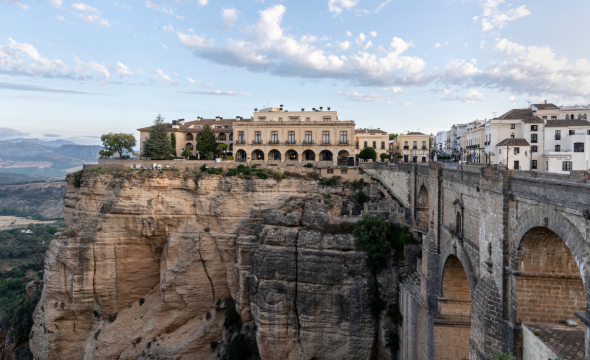
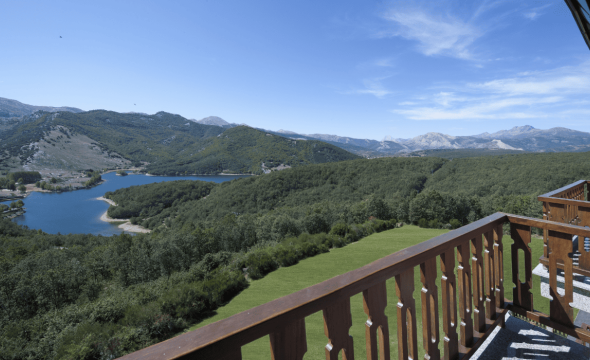
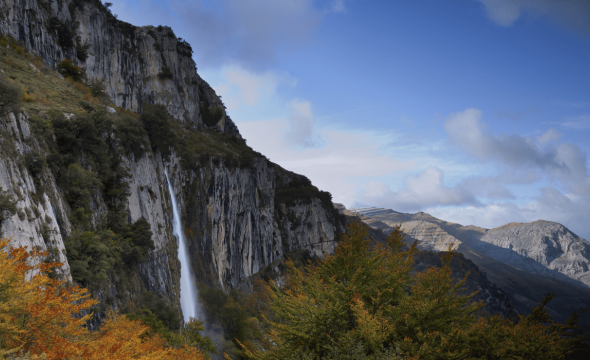
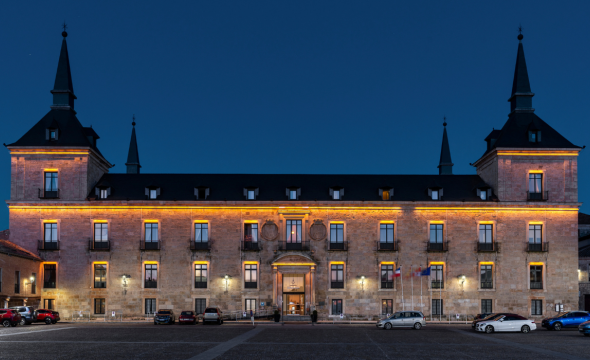
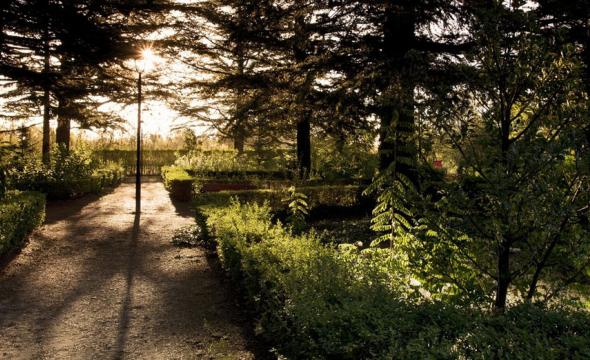
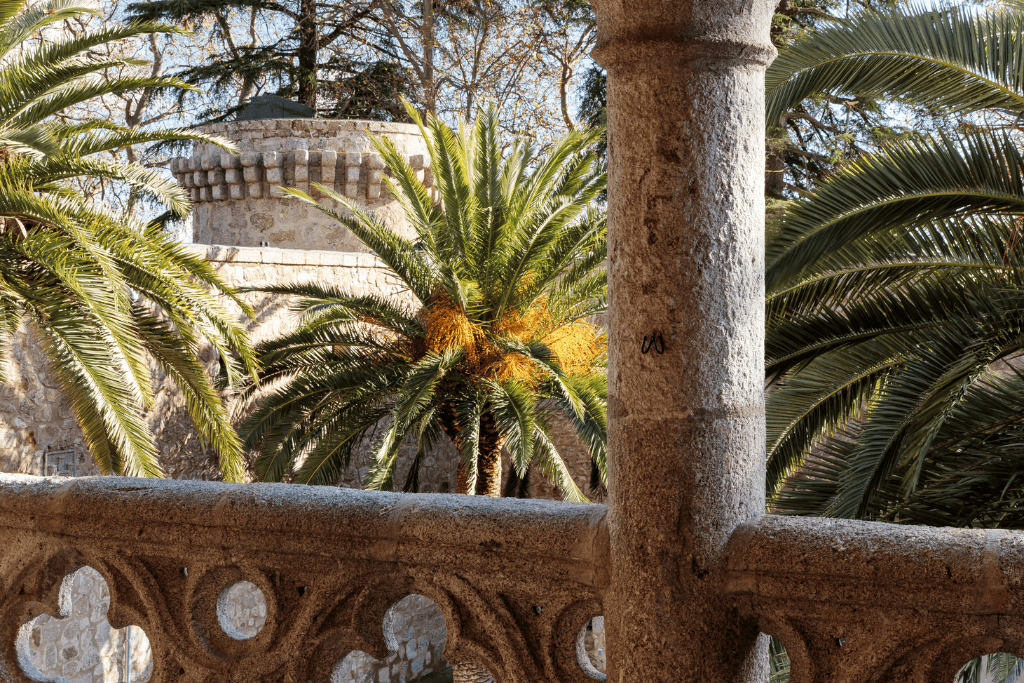
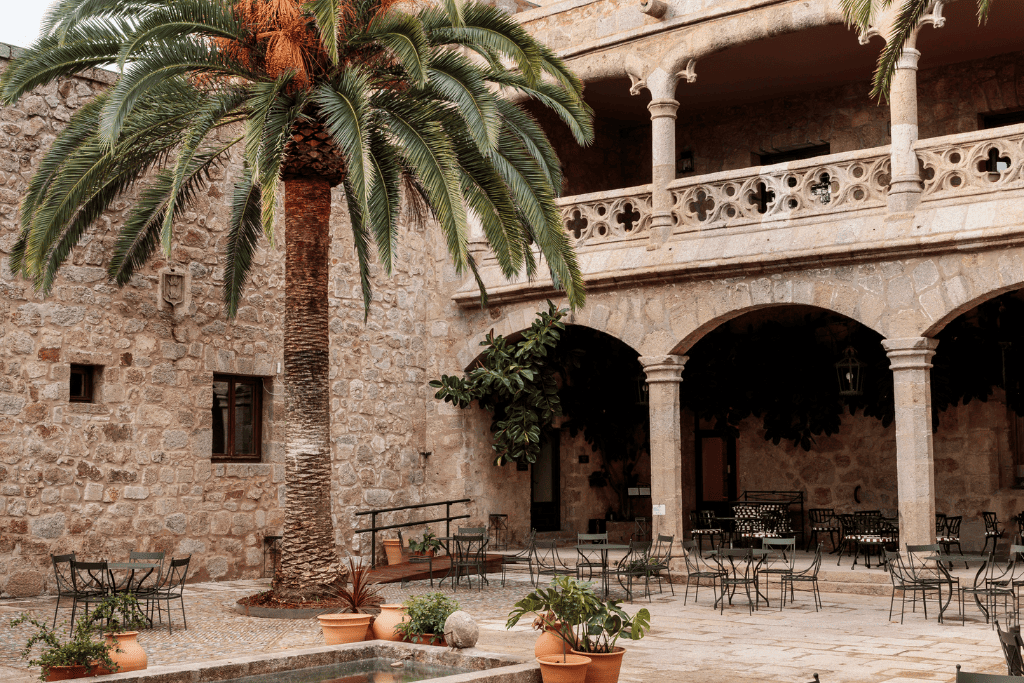
In the heart of La Vera, cradled by crystal-clear gorges, sweeping chestnut forests, and some of Extremadura’s most breathtaking landscapes, stands the Parador de Jarandilla de la Vera. This former castle-palace of the Counts of Oropesa—which famously served as a sanctuary for Emperor Charles V before his final retirement to the Monastery of Yuste—has long been a historic crossroads where heritage, nature, and culture converge.
A major refurbishment, representing an investment of nearly six million euros in partnership with Turespaña, has not only modernised the building's infrastructure and historic spaces, but has also introduced a curated art collection. Designed to engage deeply with the genius loci, the collection mirrors the history of the building, the landscapes of La Vera, and the time-honoured traditions that have shaped this region for centuries, ultimately enriching the experience of every guest.
A journey through landscape, matter and memory
From the moment they arrive, visitors encounter a collection that speaks intimately of nature, traditional craftsmanship, and the enduring bond between humanity and the land—themes deeply rooted in the identity of La Vera, here reinterpreted through a contemporary artistic lens. .
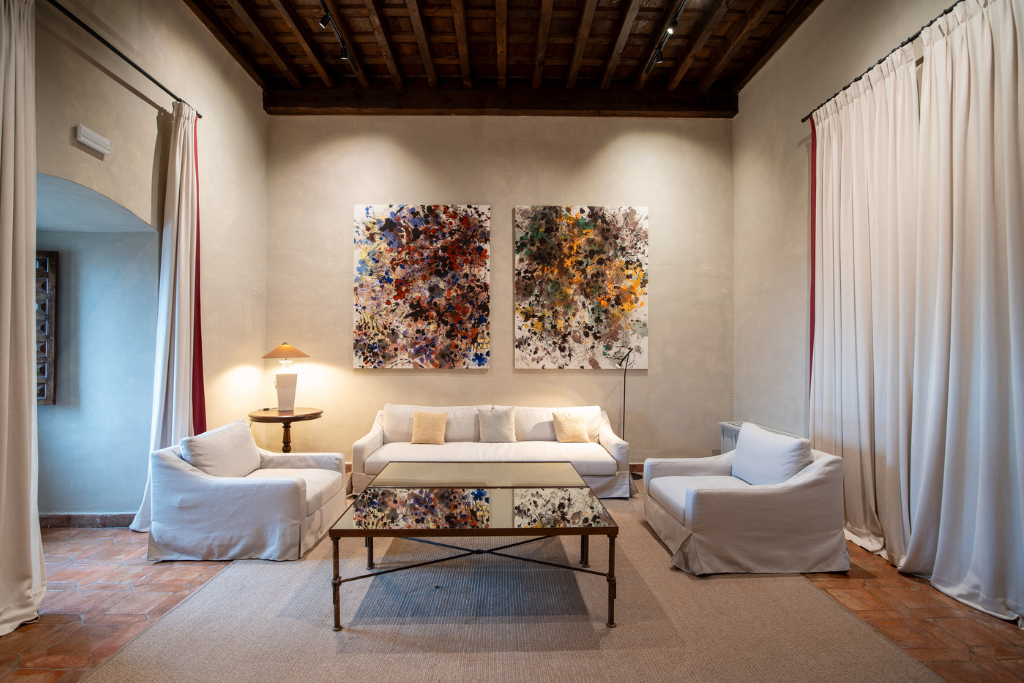
Lin Calle’s large-scale works lend a serene, contemplative gaze to the landscape. Trained in Fine Arts and acclaimed with accolades such as the UNED Prize for Plastic Arts, Calle creates abstract paintings that beautifully merge Eastern landscape traditions with echoes of abstract expressionism. Her pieces from the Estudio del polen series transform the Parador’s interiors into spaces for unhurried observation, where colour and atmosphere delicately evoke the natural world outside Jarandilla. The ethereal quality of these paintings creates a captivating contrast with the formidable, defensive architecture of the ancient castle.
Tradition transformed into sculpture
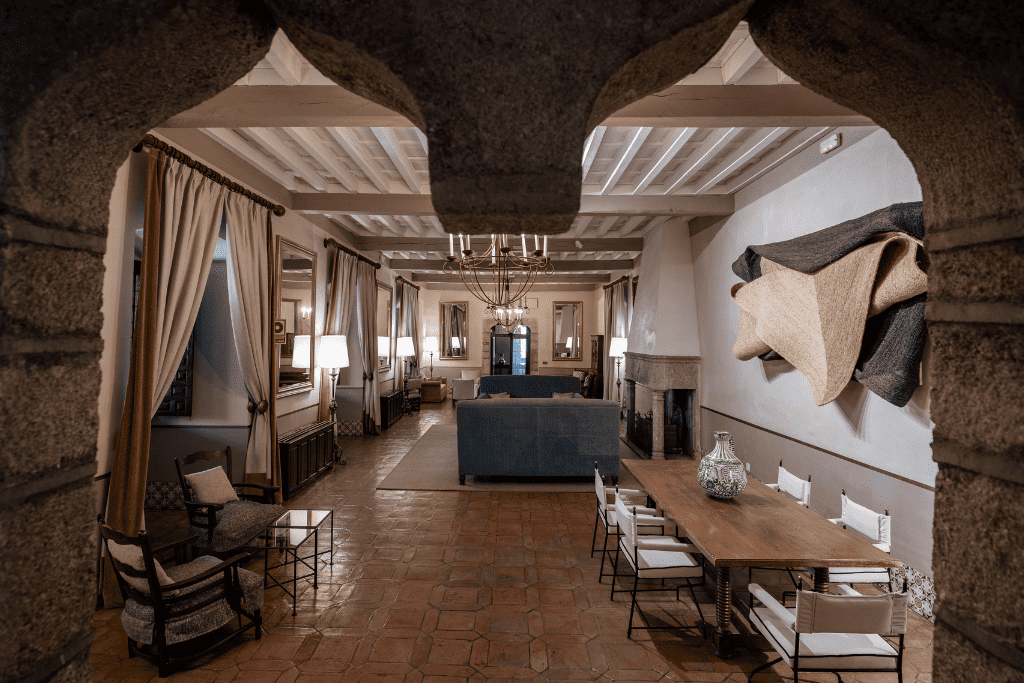
The collection also features a spectacular installation by Sonia Navarro, one of the leading trailblazers in contemporary Spanish textile art and winner of the prestigious BMW Painting Prize in 2023.
Crafted from esparto grass, her work connects directly with the raw materials and artisanal techniques that define Mediterranean folk culture. Navarro elevates a material traditionally associated with manual labour and rural trades into a monumental sculptural piece, highlighting the profound value of ancestral knowledge passed down through generations. Her presence within the Parador injects a contemporary dimension into a building steeped in history, beautifully demonstrating how tradition and the avant-garde can seamlessly coexist.
The mark of transhumance
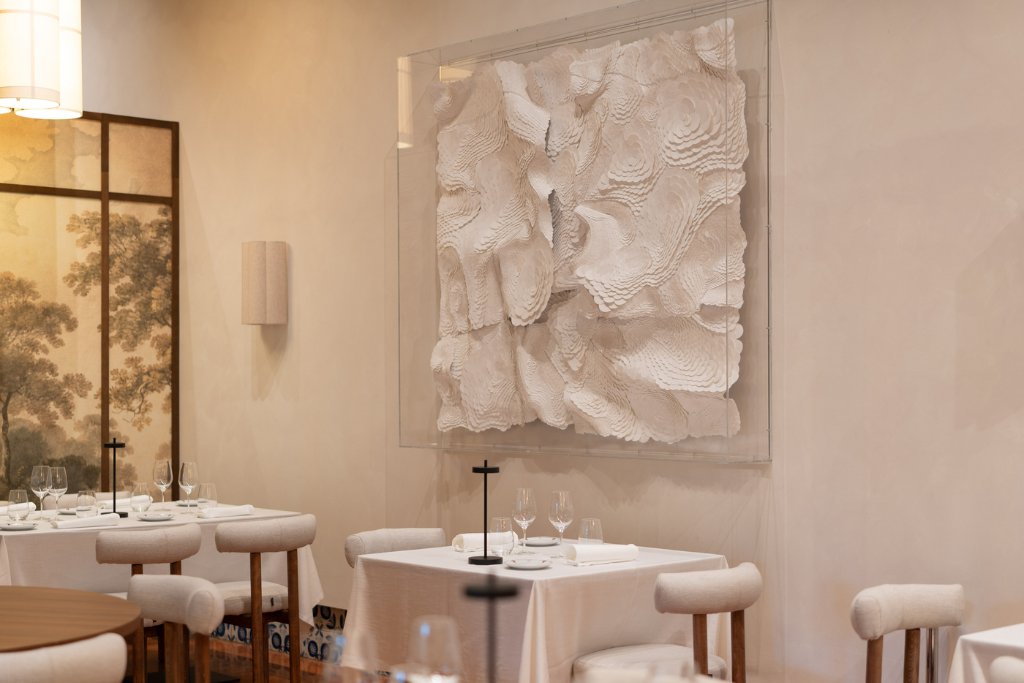
Another central narrative of the collection is the relationship between mankind and the environment, masterfully captured in the work of Nacho Zubelzu.
A multidisciplinary artist with visceral ties to the rural world, Zubelzu draws his primary inspiration from the ancient practice of transhumance, which he undergoes alongside nomadic shepherds from Extremadura and Andalusia. His delicate, cut-paper masterpiece, “La piel del Almanzor”, evokes the ancient livestock trails, the rugged mountain peaks, and the natural cycles that have sculpted the Iberian Peninsula over millennia. The piece prompts a thoughtful reflection within the Parador on movement, memory, and our connection to nature—a theme that resonates powerfully in a region defined by its rich landscape.
The identity of a region
Completing the contemporary showcase is a curated selection of historical photographs by José Ortiz Echagüe, one of the titan figures of 20th-century Spanish photography.
His striking images offer a window into the richness of La Vera's traditional regional costumes and provide an intimate glimpse into the ways of life that characterised the area nearly a century ago. Beyond their immense documentary worth, these photographs forge a bridge between the contemporary collection and the cultural heritage of the region, serving as a poignant reminder that a place’s identity is ultimately shaped by the people who inhabit it.
A Parador looking to the future
With this artistic evolution, the Parador de Jarandilla de la Vera deepens its long-standing commitment to heritage and culture. The castle that once welcomed Charles V now embraces a fresh layer of meaning through works that articulate stories of landscape, memory, craftsmanship, and nature.
This is a collection thoughtfully designed to accompany guests throughout their stay, proving that contemporary art can be an incredibly powerful gateway to discovering, understanding, and savouring a region as thoroughly unique as La Vera.