For generations, the image of summer has been inextricably bound to the coast—to unrelenting heat and the flat, seamless horizon of the Mediterranean or the Atlantic. Yet there is an entirely different way to experience the season: one that is cooler, more serene, and sublimely elevated. A summer where the landscape unfolds not horizontally, but vertically.
There is no definitive debate between those who pledge allegiance to the sea and those who choose the mountains; rather, they represent two distinct expressions of the very same desire: to truly switch off. Some chase the kinetic energy of the water, the beach bars, and the vibrant social life along the shore. Others favour the crisp, clean air, the shaded trails weaving through the woods, the profound silence of the valleys, and the rare privilege of gazing at a pristine, unpolluted sky.
And the truth is, both versions of summer are equally real. In Spain, moreover, they coexist in astonishing proximity. Few countries can boast a single map that brings together so many kilometres of dramatic coastline alongside such majestic high-mountain landscapes, stretching from the Pyrenees to the Picos de Europa.
This is a journey through three destinations where summer is savoured from a different vantage point—encompassing three distinct altitudes, and three ways of interpreting tranquillity, nature, and time. Yet they all share a singular, grounding thread: the unmistakable feeling of being exactly where you want to be.
Summer rising amongst the mountains
In the absolute heart of the Picos de Europa, Fuente Dé is one of those rare places where the landscape ceases to be mere scenery and becomes an imposing, constant presence. Here, the mountains dominate the entire world. They rise abruptly, almost impossibly, as if the earth had chosen to grow upwards rather than outwards.
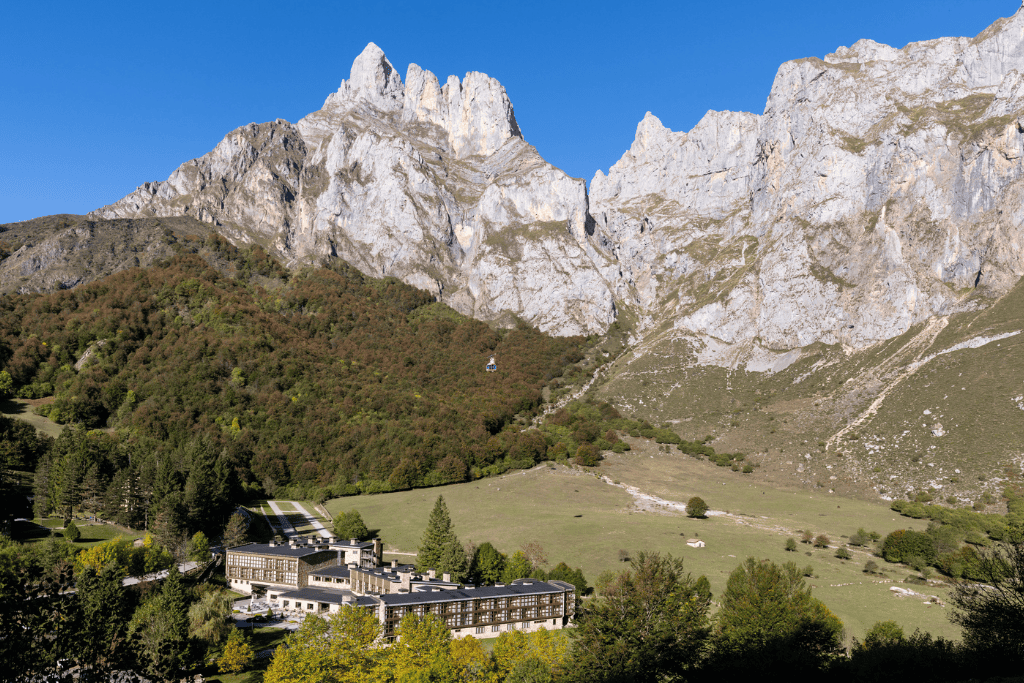
Silence here is not the absence of sound, but rather an exquisite way of hearing everything with heightened clarity—the rush of water in the rivers, the wind sweeping down the slopes, the crisp echo of footsteps on the trails… In summer, while other destinations are sweltering and bustling with crowds, the temperature here becomes a compelling reason to visit in its own right.
It is then that one of the area’s most iconic landmarks comes into view: its cable car. An almost weightless, soaring ascent that bridges the valley floor with the heights, completely transfiguring the scale of the landscape. In a matter of minutes, the lush green below yields to an alpine panorama where the horizon is no longer a straight line, but a sweeping succession of peaks.
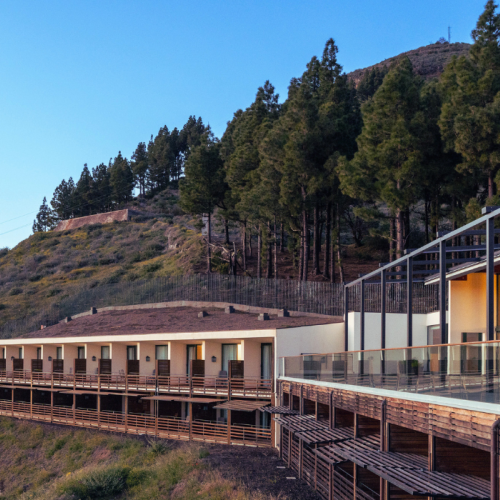
Yet Fuente Dé is about more than just dramatic altitude; it is about taking a well-earned breather. The Parador de Fuente Dé, nestled right beside the cable car station, serves as that perfect halfway point where the body naturally chooses to pause. It is not an isolated retreat, but a space completely open to the elements, where the expansive windows seem to extend the valley itself.
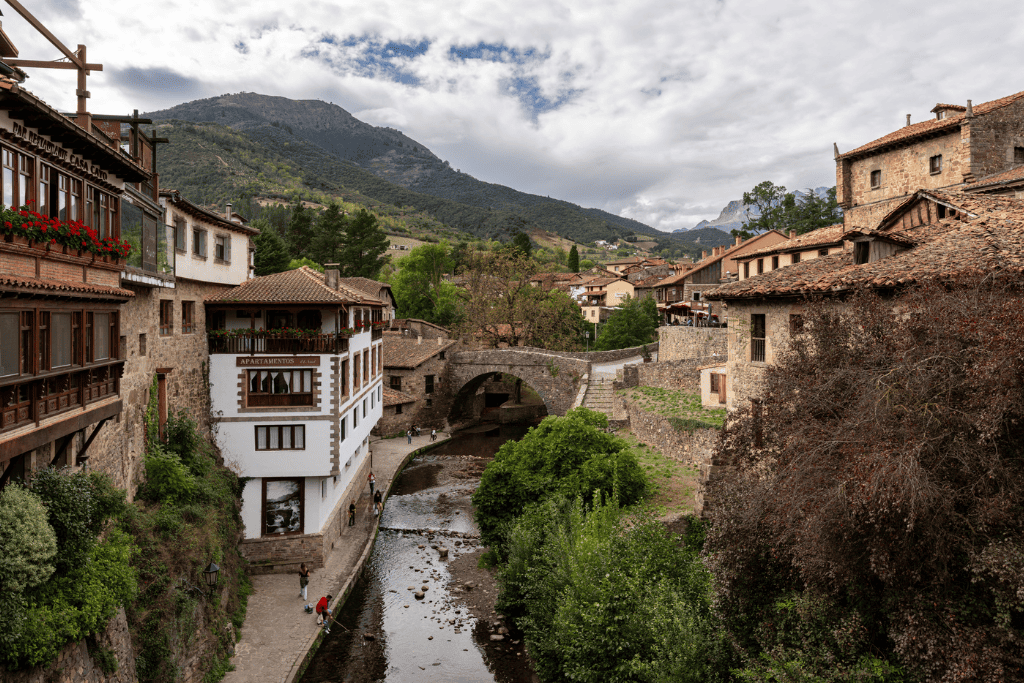
Here, summer adopts a different rhythm. Rewarding hiking trails alternate with a leisurely return to the Parador; the days dawn early and draw to a close with the satisfying sense of having been far from the madding crowd without having missed a single thing. Even the local cuisine feels thoughtfully designed to restore one's energy while respecting the delicate balance of the surroundings. And all around, small, storied villages like Potes or Mogrovejo serve as a gentle reminder that these mountains are teeming with local life, too.
A summer steeped in history
In south-western Asturias, Cangas de Narcea emerges as a land where the mountains warmly envelop you. The landscape here is a masterclass in green, spanning every conceivable shade: lush valleys, dense, prehistoric forests, and slopes that seem to roll on infinitely. These mountains are less rugged than the sheer faces of the Picos de Europa, yet they are more continuous, more intimate, and almost secret.
The roads wind gracefully through traditional farmsteads, rural stone churches, scattered manor houses, and old villages where history remains tangibly alive—where everything feels built to withstand the test of time.
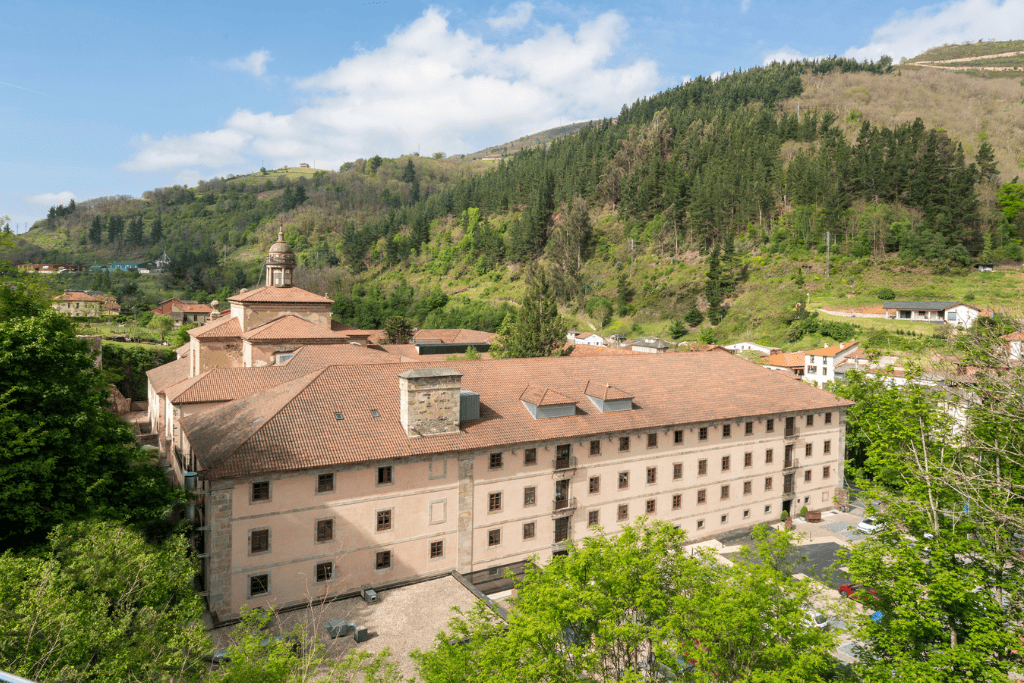
But the true dramatic turning point arrives at Corias. The ancient monastery of San Juan Bautista commands immediate attention with its striking geometry and solid, stone presence overlooking the River Narcea, transforming the natural landscape into something grand and architectural.
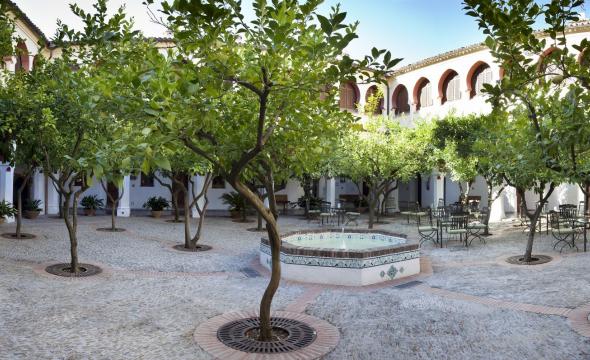
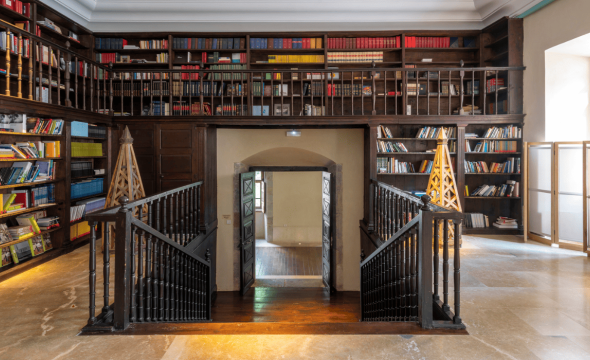
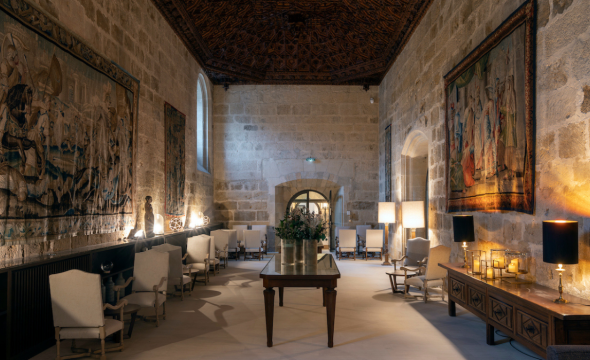
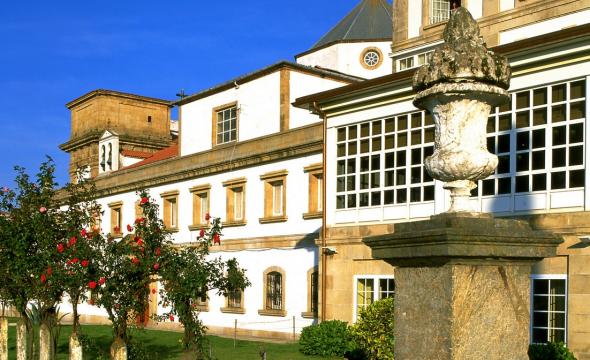
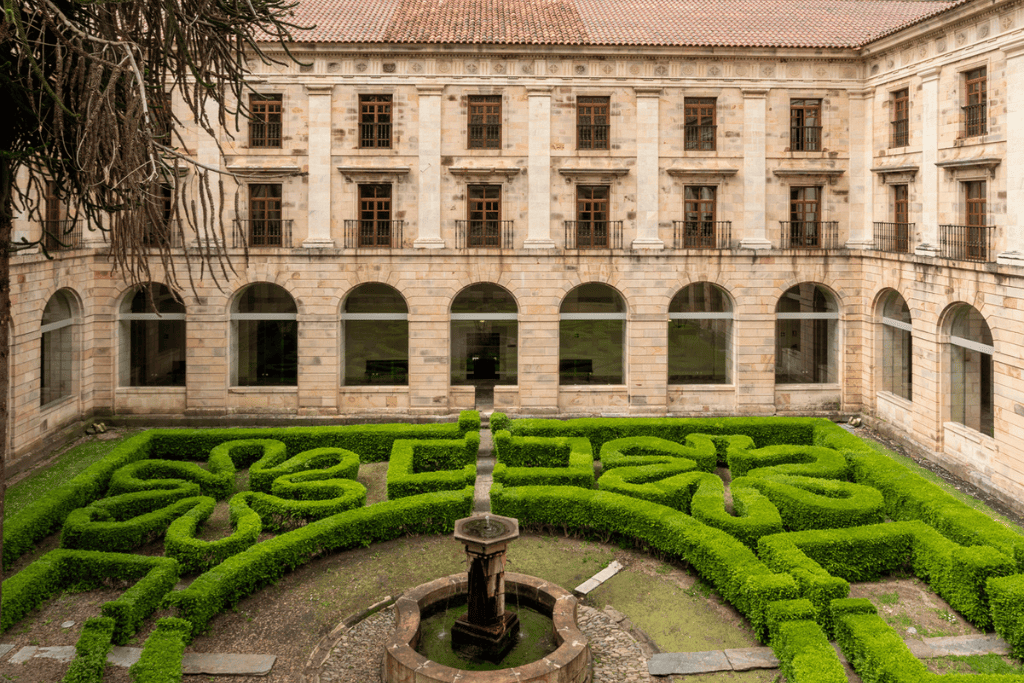
The Parador de Corias, which forms an integral part of this monumental complex, beautifully honors that feeling. To stroll through its silent cloisters, to wander across its cavernous rooms, or to pause quietly in its library is to step into a different kind of silence—one that is denser, deeper, and more restrained.
All around, the Fuentes del Narcea, Degaña and Ibias Natural Park serves as an enduring reminder that this is one of the grand green reserves of northern Spain. These are woodlands that shift beautifully with the changing light, home to a rich wealth of wildlife, and criss-crossed by inviting trails just waiting to be explored.
Between one discovery and the next, local life naturally takes centre stage. Whether you are visiting a steep, heroic vineyard, participating in a local workshop, embarking on a wildlife-spotting trail, or, naturally, sampling the legendary Asturian cuisine—it does what it has always done best: speaking volumes about the region without needing to explain a thing.
Cangas de Narcea does not seek to compete with conventional summer destinations; it simply offers an alternative that is entirely sublime.
A summer that breathes the Pyrenees
In the Aran Valley, the mountains open up in all their sheer grandeur. The Pyrenean landscape enveloping Vielha possesses that ethereal quality unique to high alpine valleys that is so difficult to capture in words: an unexpected, sweeping expanse, rapidly shifting light, and a constant, underlying sense of movement, even when everything appears perfectly still.
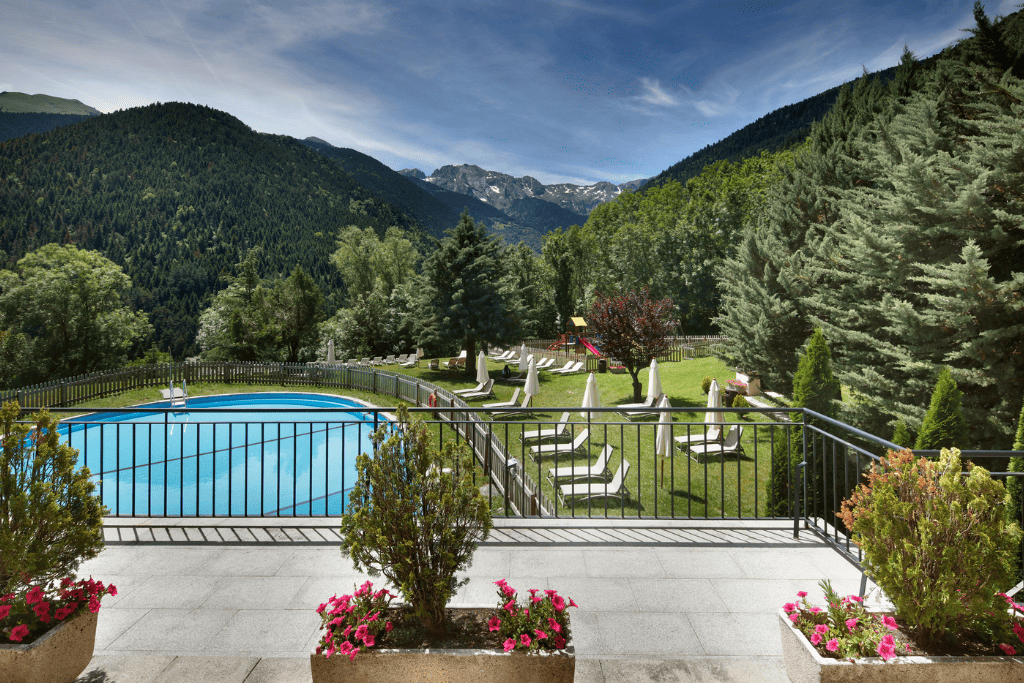
Here, summer is a season of pure vitality. The days begin early and are rich with trails, rushing water, stone-paved paths, and deep forests that play with alternating patches of deep shade and brilliant sunlight. The Garonne runs alongside the valley floor like a living artery, masterfully setting the pace for everything that unfolds around it.
Vielha, sitting proudly at the heart of this region, perfectly retains the character of mountain villages that have successfully adapted to the modern world without ever diluting their identity. Stone houses, slate roofs, and narrow lanes form a backdrop where everyday local life coexists seamlessly with travellers arriving in search of the wild.
Yet the Aran Valley cannot be fully appreciated from the village streets alone; it demands that you venture into its spectacular surroundings. Think of hiking trails that wind amongst glacial lakes, exhilarating canyon descents, and paths meandering through dense pine forests and high-mountain meadows. Here, the body is kept joyfully active.
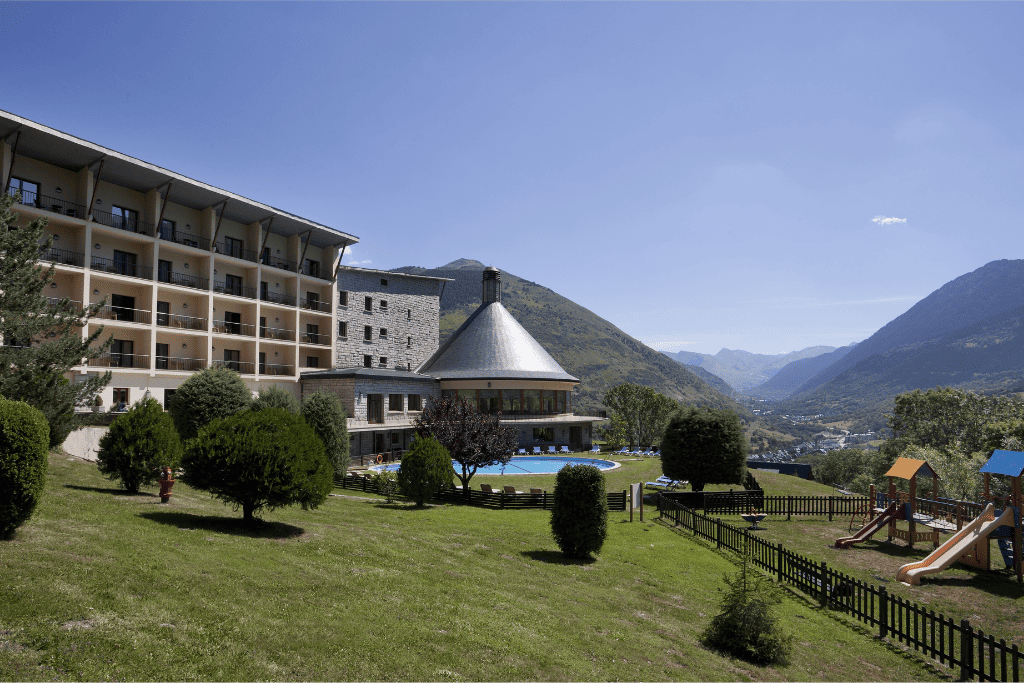
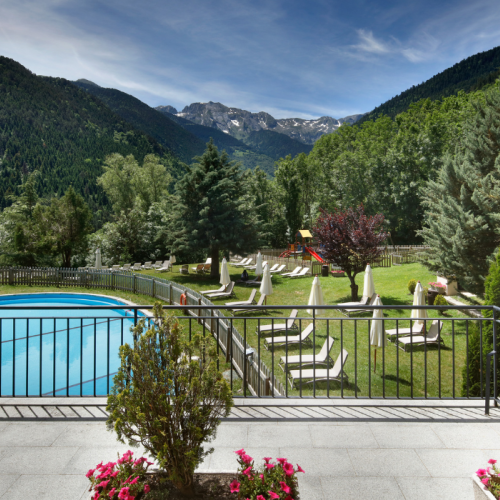
At the end of a long day, resting at the Parador de Vielha beautifully restores your equilibrium. Perched high above the valley floor, its commanding location turns every single bedroom into a natural, panoramic viewpoint. What is more, the swimming pool, the exceptional local cuisine, and the deep tranquillity of its interiors all conspire to round off the day with the rewarding feeling of having been on the move without ever losing your centre. Even the night here takes on a profound new meaning. At times, the sky clears with a diamond-like clarity that reminds you that the Pyrenees remain, above all else, one of the great, enduring realms of silence.