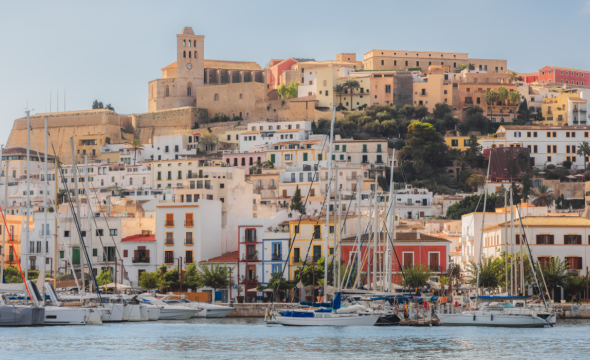
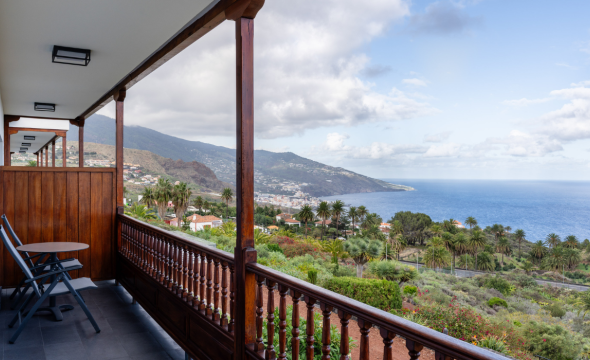
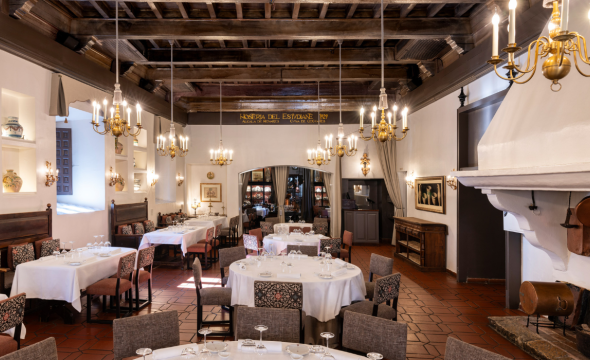
The Parador de Eivissa- Dalt vila unveils a restaurant with an identity of its own, attuned to the island’ s pulse.
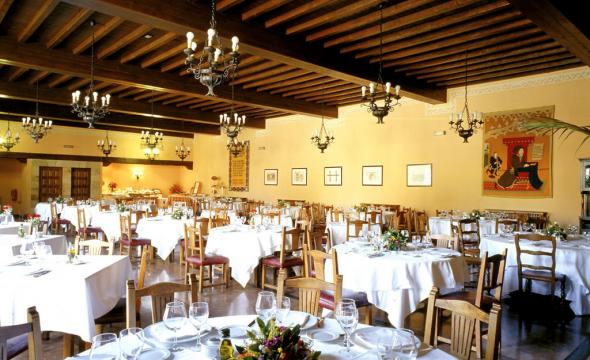
In the heart of the historic quarter, the new Parador de Ibiza has opened the doors of Almudaina, a fresh take on the Paradores dining experience, conceived for a cosmopolitan clientele and a destination in constant motion, without ever losing the Paradores spirit.
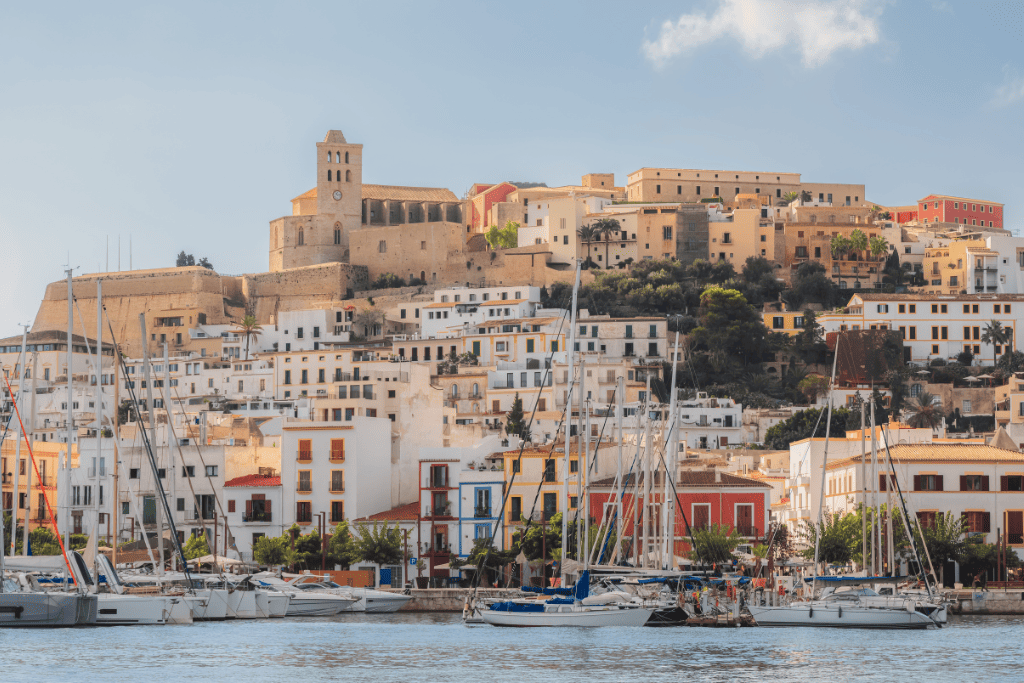
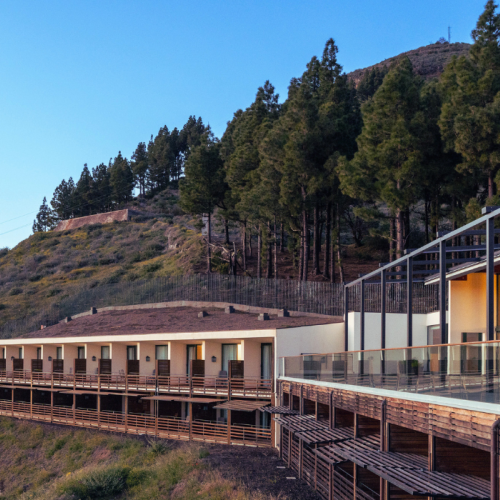
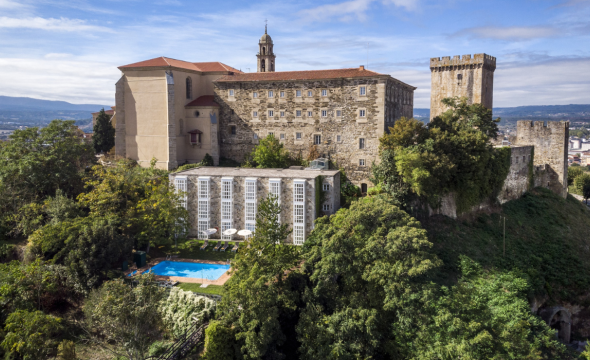
The opening of the Parador de Eivissa-Dalt Vila, set within the his-toric heart of town, accomplishes two things at once. It restores one of the island’s most emblematic sites while launching a cu-linary proposal ready to claim its place on Ibiza’s dining scene. Backed by all the know-how and tradition of Paradores, becoming a local point of reference feels less a question of if than of when.
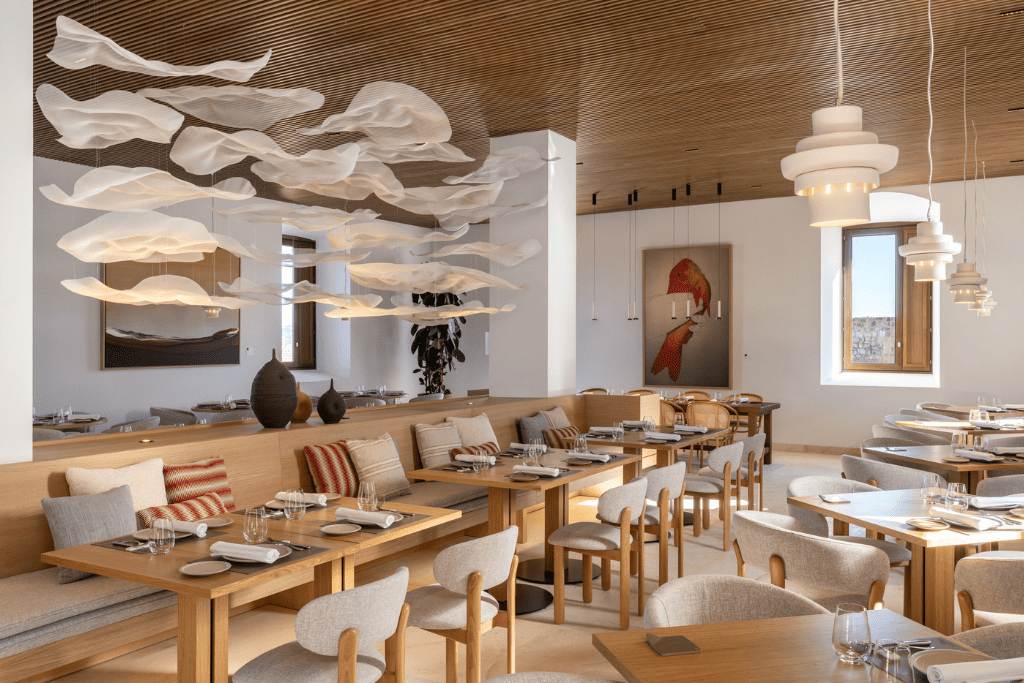
Beyond the heritage value of its setting, Almudaina responds to a different kind of vision. As a modern Babylon, Ibiza has shaped a dining culture all its own. It speaks directly to a markedly inter-national clientele that comes to the table with the expectations of Mediterranean tourism at its highest level.
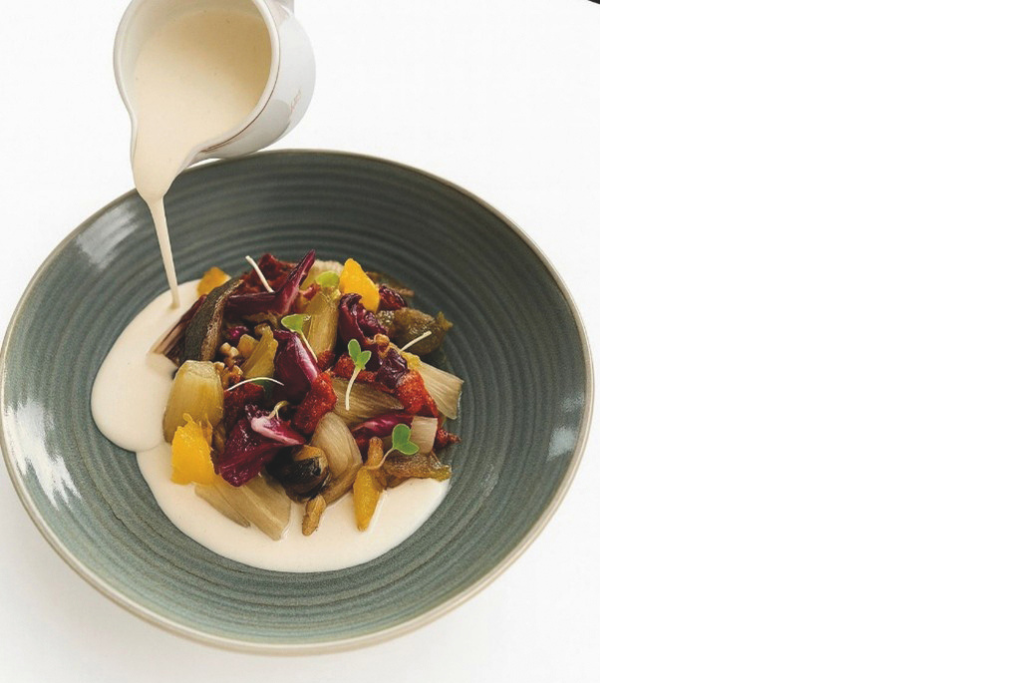
As the Restaurant Department explains, “It is a gastronomic model completely different from what has traditionally been in place across the collection,” a distinction born of a conscious decision to adapt to the destination.
Two tempos, one essence
Paradores studied the local landscape closely to adapt without losing an ounce of its character. In the process, it identified one of the most defining features of Ibiza’s dining culture: the clear distinction between lunch and dinner. “We realized that there is a major difference between the kind of dining offer people look for at lunchtime and what they expect in the evening,” confirms the Restaurant Department.
From there, Almudaina developed a proposal with two clearly differentiated rhythms. By day, the restaurant takes on a more relaxed tone, designed around a social dining experience. “It is a menu built for sharing, much more informal,” they explain, in keeping with a way of understanding meals as a moment to enjoy without rigidity.
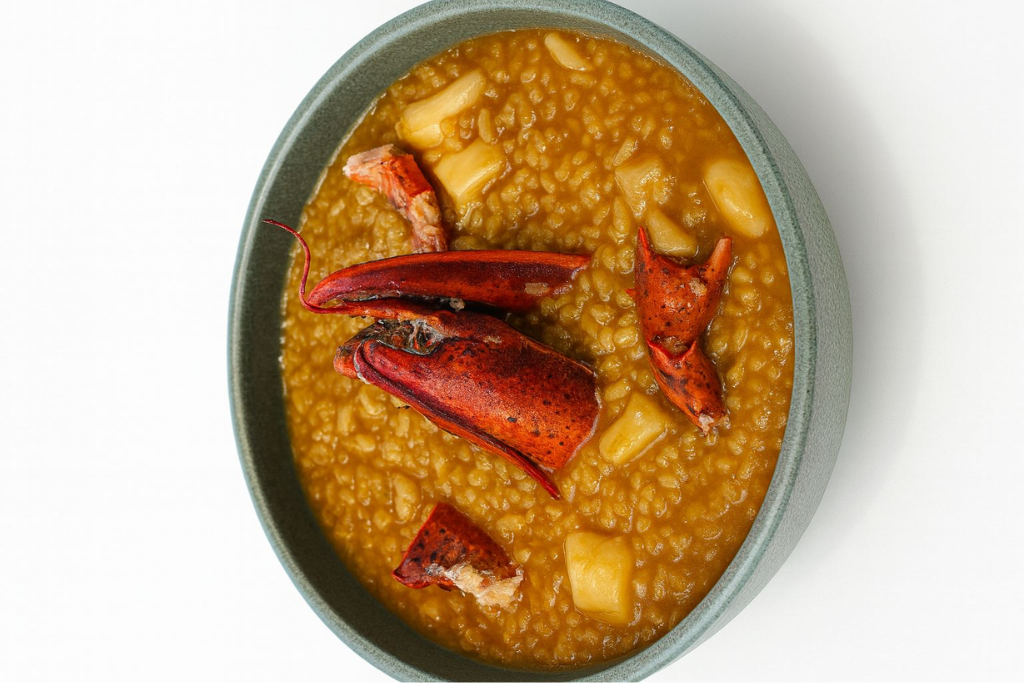
The menu leans toward dishes designed for sharing, with rice dishes playing a central role, from rice with seasonal vegetables from Ibiza’s kitchen gardens to black rice with baby cuttlefish and white shrimp. In this register, the Mediterranean comes through with clarity: Formentera red shrimp, fried market fish, or a potato salad with carabinero prawn, trout roe, and coral mayonnaise. Here, the product sets the pace.
As evening falls, the restaurant changes register and the experience takes on a deeper gastronomic dimension. “We shift the concept and move to a differ-ent menu, one more focused on local produce—something at the heart of Paradores—with a more contemporary touch,” they say, in a format that brings its Mediterranean essence into sharper relief. The cooking gains depth, technique becomes more visible, and the product is presented through a more elaborate lens.
Tradition, reinterpreted
With the Mediterranean as its common thread, Almudaina’s kitchen works with a powerful range of ingredients rooted in the island and its surroundings: fish from the local market, Ibizan cheeses, sobrasa-da, honey, and meats with a Balearic identity. “For us, it is important to use regional produce and give it the value it deserves,” they insist.
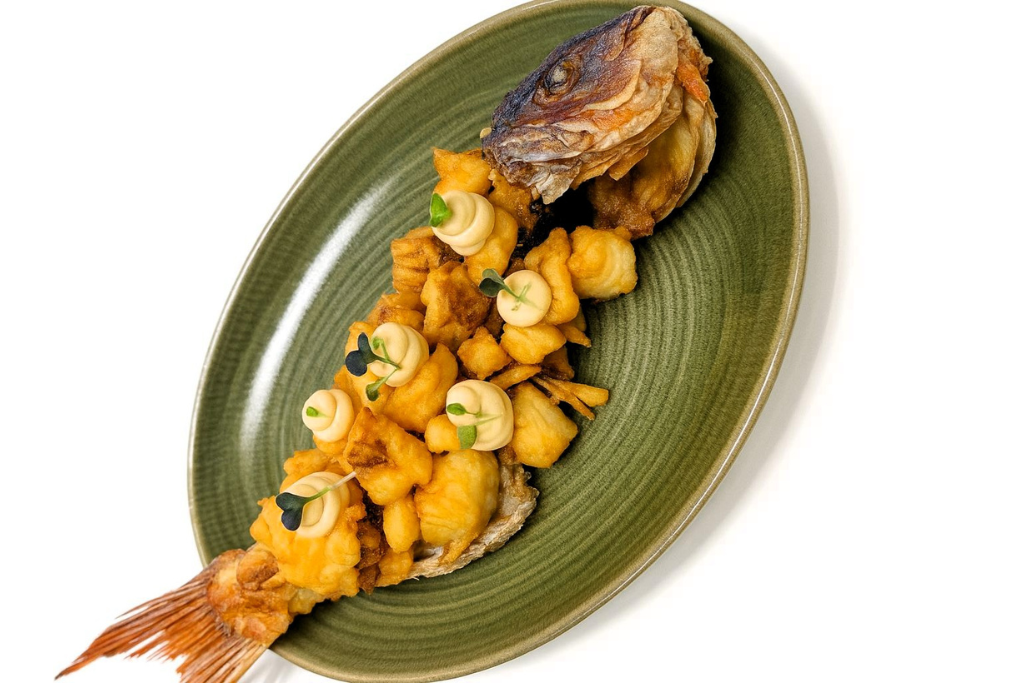
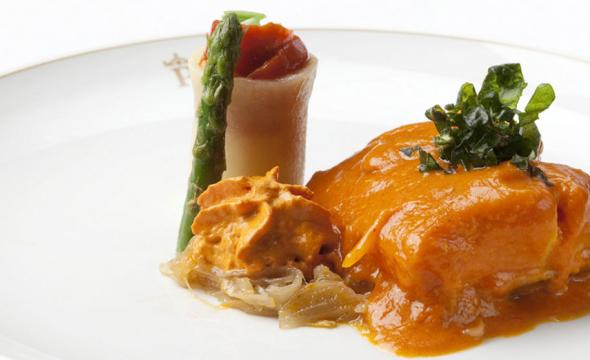
From that starting point, the proposal moves toward a reinterpretation of the classics. One example is bullit de peix, one of Ibiza’s most representative dishes, presented here in an adapted version that brings together its two traditional stages in a single serving. “We have created our own version. It is a traditional dish made with a short stock of rock fish and potato, usually served in two stages: first the fish with alioli, then a rice dish prepared with the broth. At the Parador, it is presented in a unified version, with the rice at the base, the fish on top, and touches of alioli and potato cream.”
The same spirit can be seen in other dishes, such as escaldum of Mallorcan hen, almonds, and saffron, and in the dessert chapter too, where the island’s traditional sweets take on a new dimension. Flaó—Ibiza’s classic cheesecake—becomes creamier here, offering new nuances while still winning over devotees of the more orthodox version. The same goes for greixonera, the pudding made with day-old ensaimadas, revisited through a lighter, more contemporary lens.
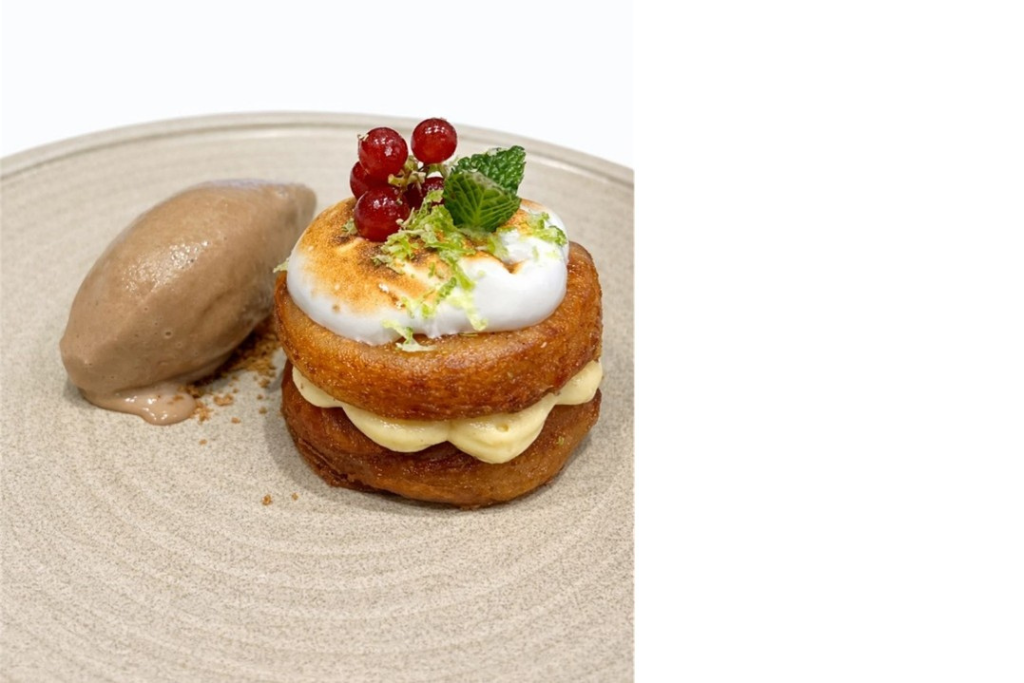
The smaller gestures that shape a memorable meal have also been rethought. “Side dishes are not placed on the plate itself; they are served along-side it, allowing guests to build their own experi-ence. We have also embraced the local custom of serving bread with Mallorcan sobrasada, alioli, or extra virgin olive oil.” Paradores, in the end, remains unmistakably itself.
Beyond the table
The experience extends into other spac-es within the Parador. In the parade ground, one of the most evocative corners of the com-plex, cocktails take center stage. Here, the proposal revolves around a selection of drinks paired with small gastronomic bites, each conceived to match its cocktail.
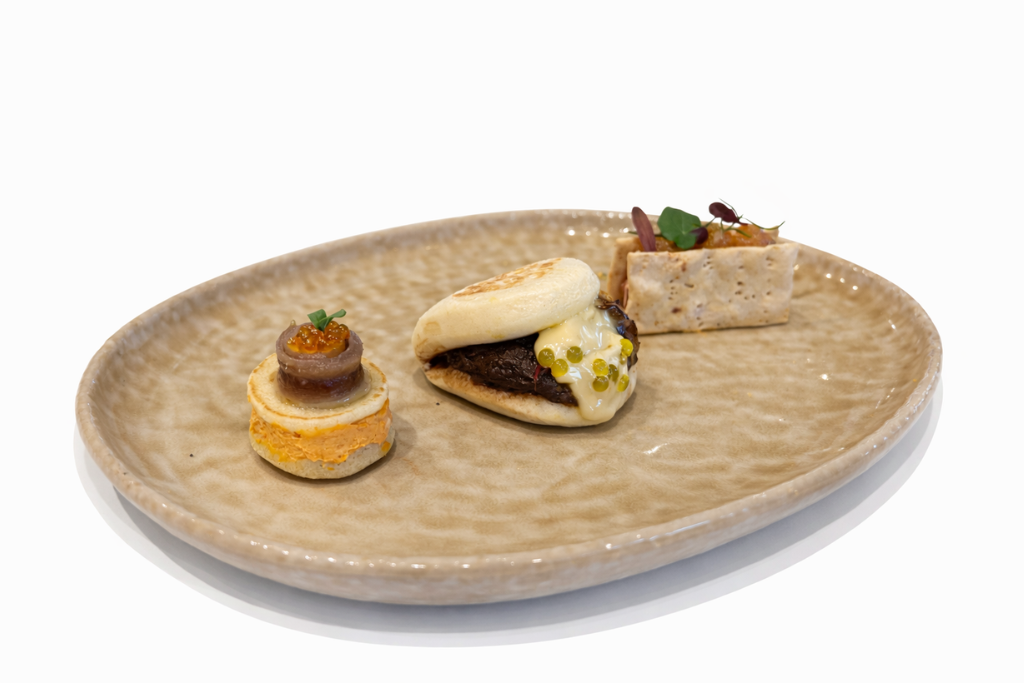
“On the island, it is very common to have a cocktail with a bite to eat,” they explain. But the proposal introduces a distinctive note of its own: rather than following familiar trends such as sushi, it opts for creations more firmly rooted in Spanish flavors. “We wanted to move away from those products and create bites made with Spanish ingredients,” they say, citing examples such as blinis topped with anchovy cream and trout roe, or steamed buns filled with oxtail.