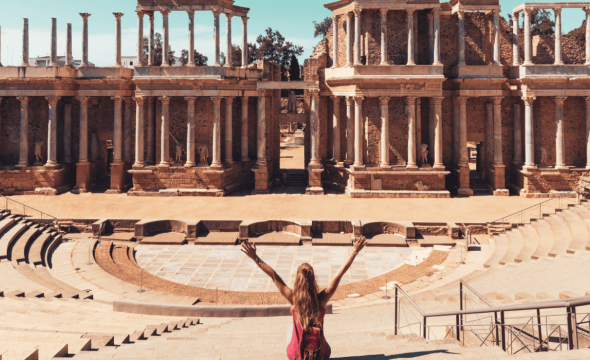
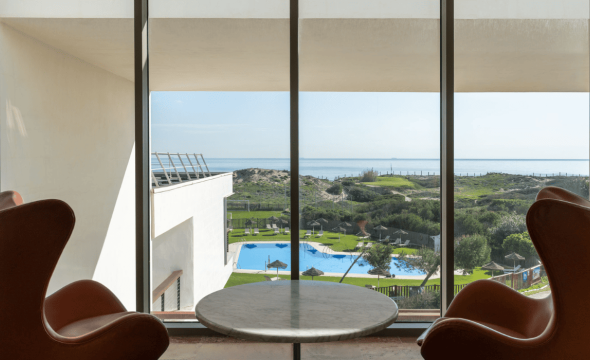
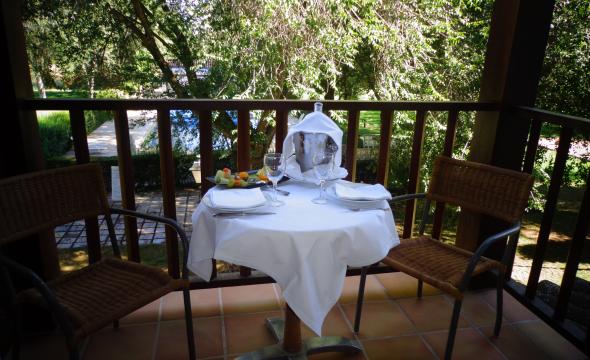
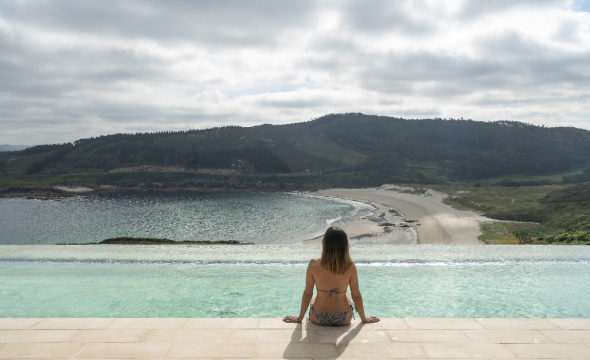
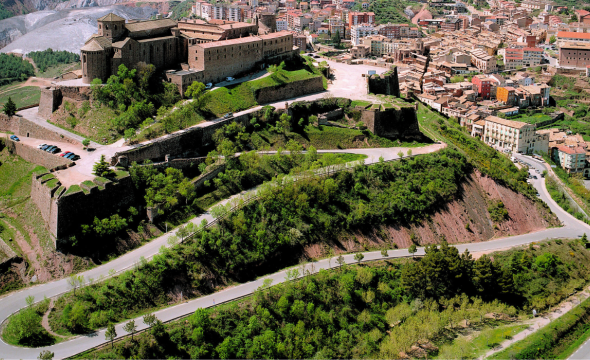
On these journeys, it is not so much the destination that matters as the effortless way it manages to captivate you. Some places do so with an incomparable quality of light; others with landscapes that seem to defy the very limits of imagination, with flavours that only truly make sense beside the sea, or with that rare alchemy that causes time to lose all meaning.
This summer, four destinations have truly mastered the art of seduction, each in its own distinct manner. Ibiza, Cádiz, La Palma, and Ayamonte share far more than the mere privilege of being framed by some of Spain’s most breathtaking scenery; they possess a singular personality that defies imitation. For true seduction is not about flaunting a place’s finest virtues, but about instilling a yearning to return before you have even departed.
The island that defies definition
The most captivating element of Ibiza is its enduring ability to resist any label. It is simultaneously sophisticated and wild, tranquil and vibrant, deeply ancient and thoroughly contemporary. While the world at large equates it with music and nightlife, the island quietly safeguards some of the Mediterranean’s most delicate landscapes, fostering a way of life where beauty reveals itself when least expected.
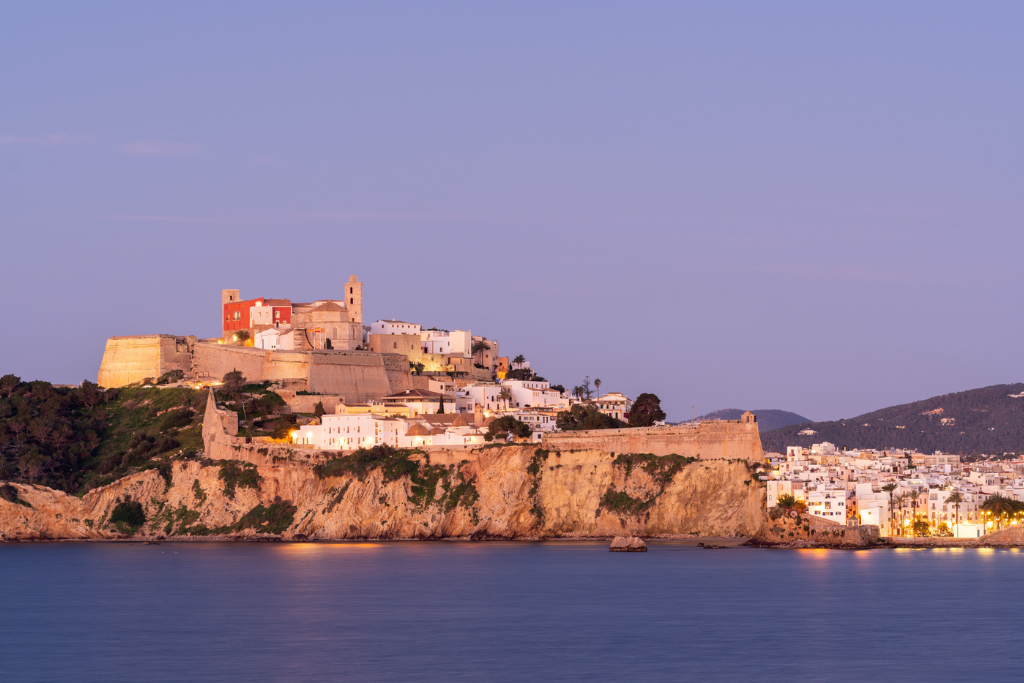
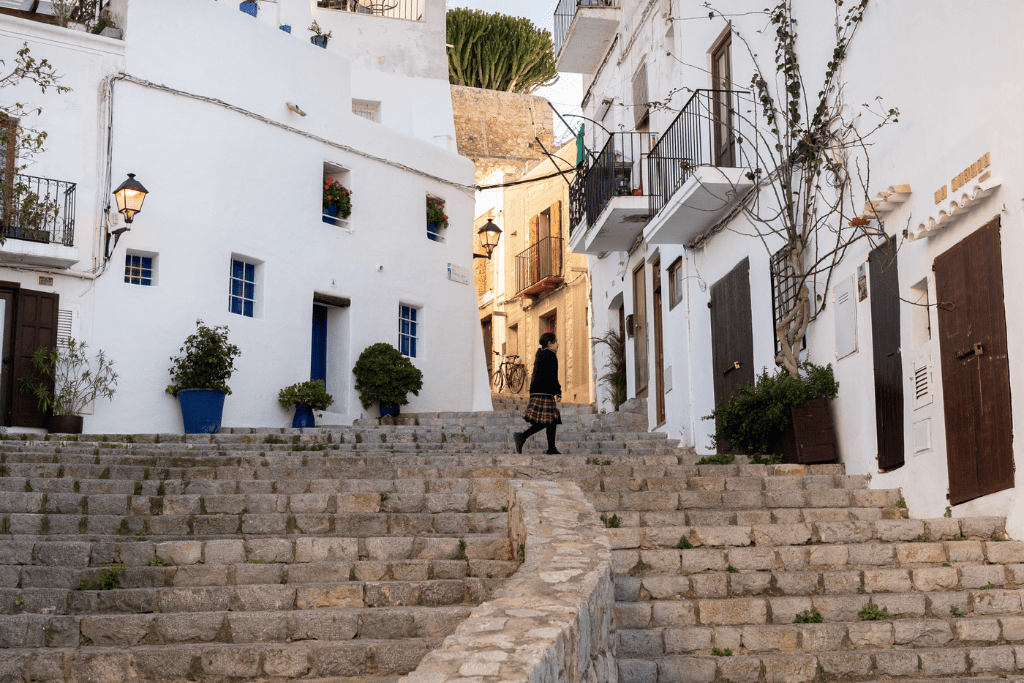
It might be the profound stillness that cradles the cobbled streets of Dalt Vila at dawn, when the Renaissance walls seem to hover suspended over the Mediterranean. Or perhaps the creative current pulsing through its artists’ studios, its vibrant hippy markets, and the relaxed elegance of Adlib fashion, which was born here as an authentic declaration of freedom. Yet there is also an Ibiza deeply anchored in its heritage—the whitewashed churches puncturing the landscape, the xacotes pageses, and the traditional ball pagès—where the island reminds us that its true identity stretches far beyond its international renown.
One need only look out to sea to comprehend why Ibiza continues to hold the world spellbound. Hidden beneath the waves lies one of its greatest treasures: the subterranean forests of Posidonia oceanica within the Ses Salines Natural Park, a millennia-old ecosystem that filters the water to crystal-clear perfection, transforming its coves into that mosaic of impossible blues for which the island is celebrated. Sailing along the coast, discovering secret, tucked-away coves, or watching the magnetic silhouette of Es Vedrà at sunset are experiences that unveil a serene, intimate Ibiza, profoundly bound to the Mediterranean.
It is precisely this capacity to shift tempos without ever losing its soul that renders Ibiza an entirely unique destination. An island where heritage, nature, creativity, and the sea coexist in a harmony rarely found anywhere else on earth.
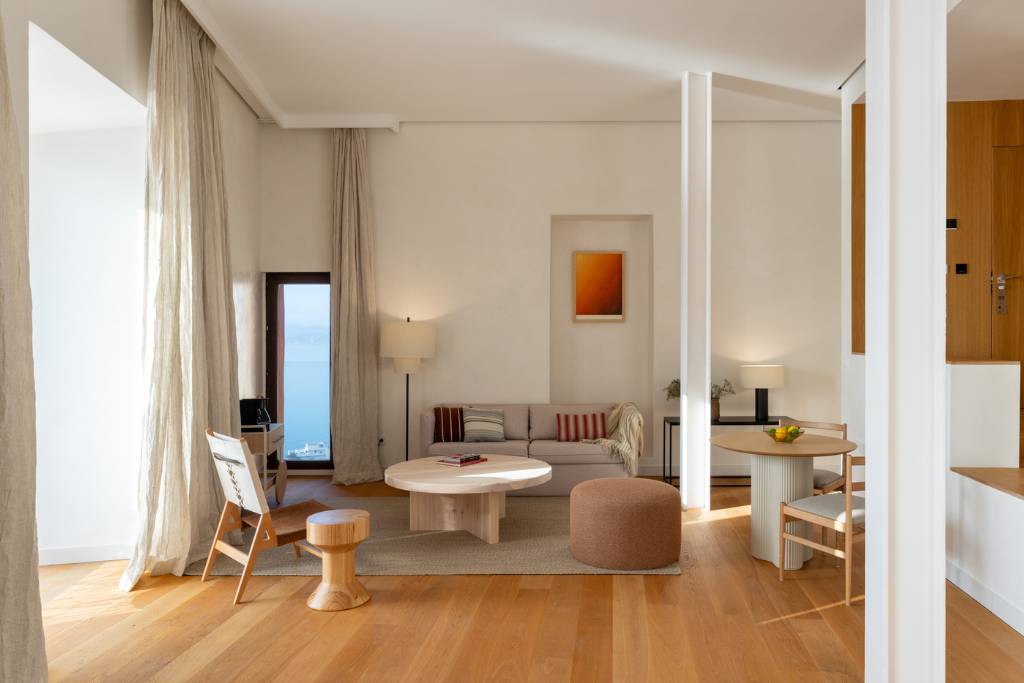
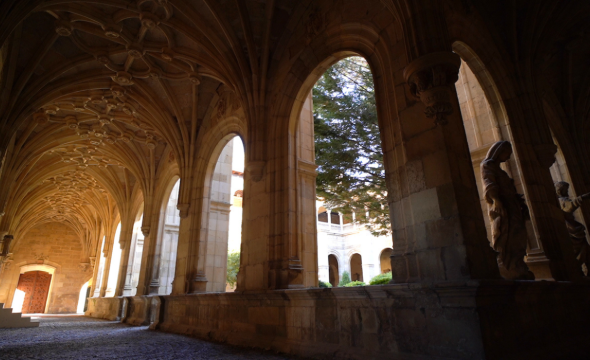
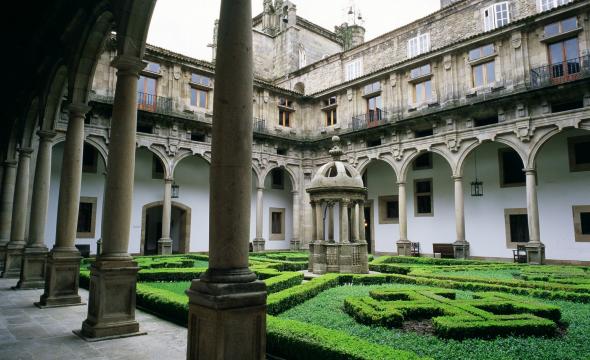
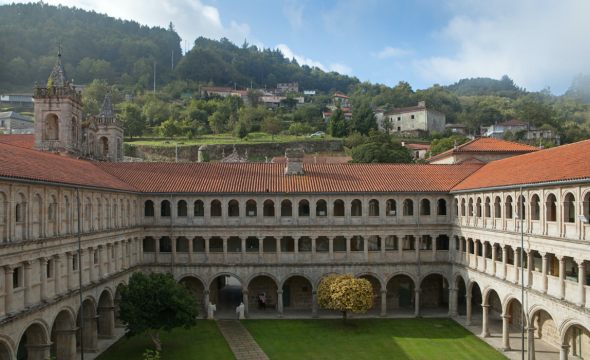
Perched high above Dalt Vila, the new Parador de Ibiza offers an unmatched vantage point from which to discover the island’s most authentic guise. Housed within the historic Almudaina Castle, amidst archaeological remains, contemporary art, and centuries of heritage, it invites guests to contemplate the island from an unparalleled perspective. For from this vantage point, within these World Heritage-listed walls, Ibiza ceases to be merely a destination and becomes a profoundly authentic experience.
A summer that tastes of salt, embers and endless sunsets
The beaches of Cádiz are not simply places where one 'goes to the beach'; in Cádiz, the shore and the sea constitute a philosophy of life.
Here, the Atlantic acts as the grand conductor of all existence. It dictates the rhythm of the tides, orchestrates the shifting colours of the sky, fills the fish markets at every dawn, and inevitably finds its way onto the plate. Indeed, few provinces can boast that their landscape and their cuisine speak precisely the same dialect.
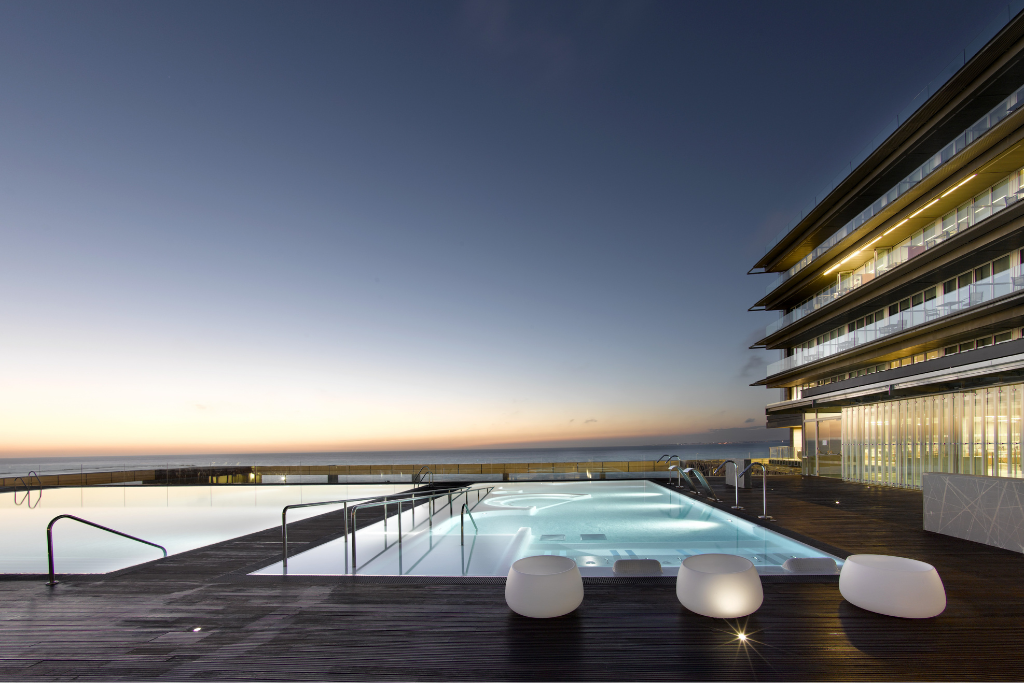
That profound connection permeates everything. You can feel it in the way the city breathes in the summer heat, in how the light transfigures the old façades, and in how time itself slows to a crawl whenever the ocean is near. It is here that you realize this coastline is not just a succession of beaches, but the Atlantic itself gracefully changing form along every stretch of shore.
In La Caleta, for instance, the sea flows directly into the town to become something deeply intimate, cradled between ancient castles that contain the waters without ever taming them. In Bolonia, the sand rises into a monumental landscape beneath a dune that seems to shift with the whisper of the wind. In Zahara de los Atunes, the horizon opens up so boundlessly that all sense of human scale is lost. In La Barrosa, the gentle light softens the boundary between family life and the sea; and in El Palmar, the day stretches out luxuriously until it dissolves into the final wave of the sunset.
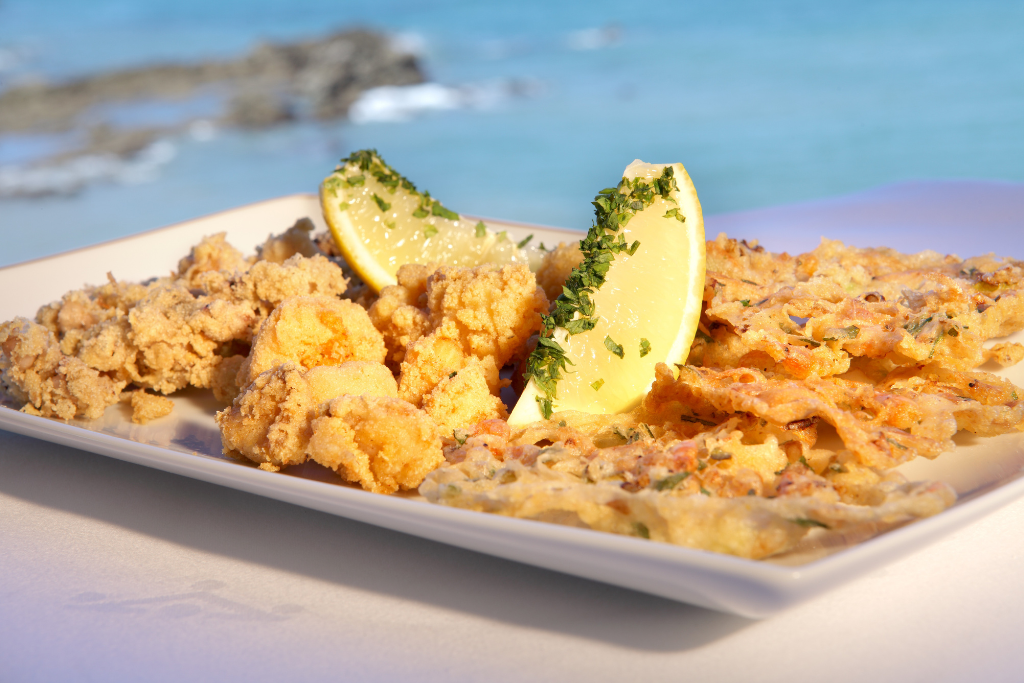
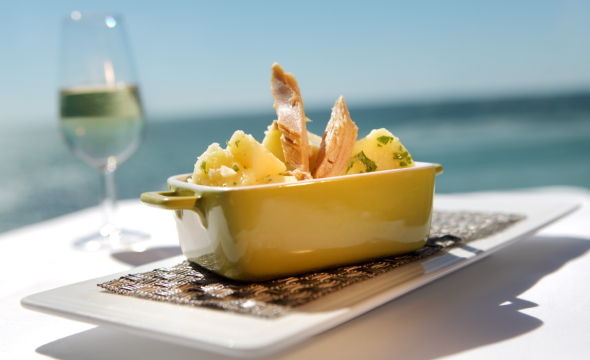
Yet in Cádiz, the sea is also something to be savoured. Wild bluefin tuna, harvested using the traditional almadraba method, is carved with almost ceremonial precision; prawn fritters (tortillitas de camarones) are served light and crisp as the Atlantic breeze; and the fried fish remains straightforward and beautifully unpretentious. This is a cuisine that requires no modern reinterpretation because it is born exactly where it belongs: facing the sea.
Between the sand and the dining table, the city continuously reveals its storied character. The squares pulse with life, the historic centre proudly recalls its status as one of the oldest continuously inhabited cities in the Western world, and summer lingers in conversations that feel as though they might never end. As twilight begins to fall, Cádiz achieves its most mesmerizing state. The Atlantic transforms into a mirror, the cathedral stands out like a golden beacon, and the entire city seems suspended in a warm, enveloping amber light.

From the Parador de Cádiz, this particular moment is nothing short of extraordinary. The sea appears to flow directly into the rooms, onto the terraces, into the pool, and into the spa, transforming every sunset into an experience where city, sky, and water cease to be separate entities, merging instead into a single, seamless landscape.
The island where the Earth still creates beauty
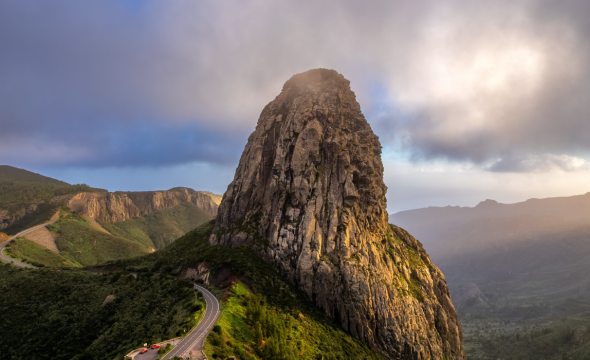
On the island of La Palma, volcanoes continue to actively sculpt the topography, the laurel forests preserve the primordial appearance that Europe possessed millions of years ago, and the mountains rise dramatically above a sea of clouds, turning every viewpoint into a balcony suspended over the Atlantic.

To walk through the Caldera de Taburiente is to traverse a landscape of living geology, defined by volcanic sheer cliffs hundreds of metres high, hidden waterfalls, and resilient pine forests that have withstood fire for centuries—making every trail a deep immersion into a wilderness that has never stopped evolving. Then comes Los Tilos, one of the most pristine laurel forests remaining on the planet. Here, the air is humid, dense, almost static, and the silence possesses a distinct physical texture. Giant ferns, moss-draped trunks, and lush, prehistoric canopy create the uncanny sensation of walking through an epoch that predates humankind entirely.
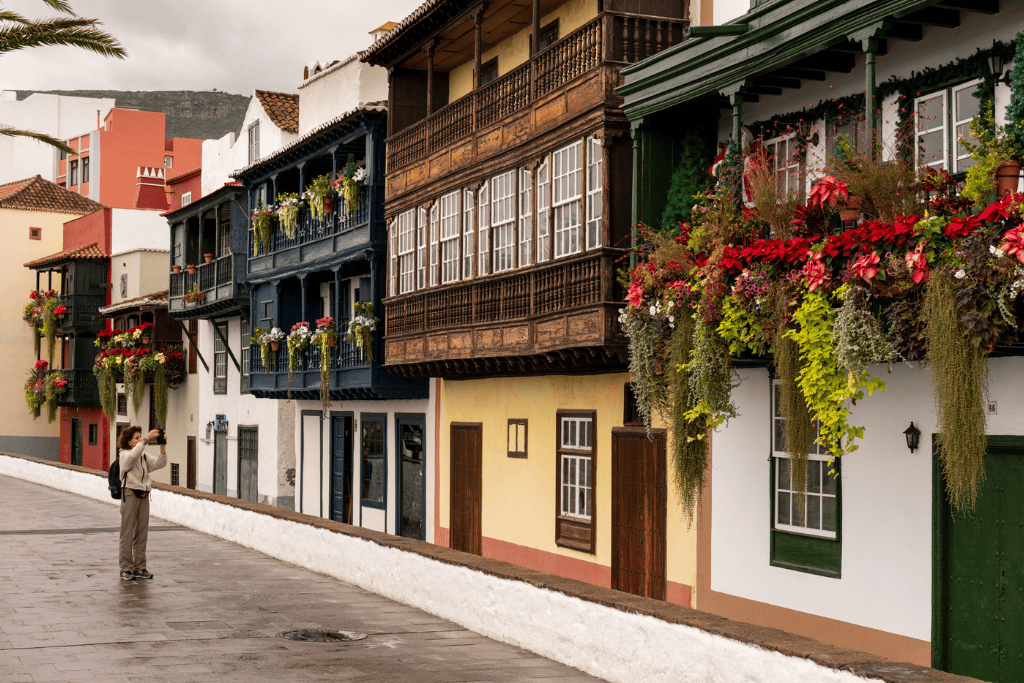
When night falls, the island delivers its crowning spectacle. From the Roque de los Muchachos, beneath one of the clearest and most protected skies on earth, the vault of the universe appears with near-impossible clarity; the stars cease to be a mere backdrop and become a majestic landscape in their own right. In few places on earth is it so effortless to understand why La Palma is affectionately dubbed La Isla Bonita. We might simply sum it up by saying that nature, when left undisturbed, remains entirely capable of creating absolute beauty all on its own.
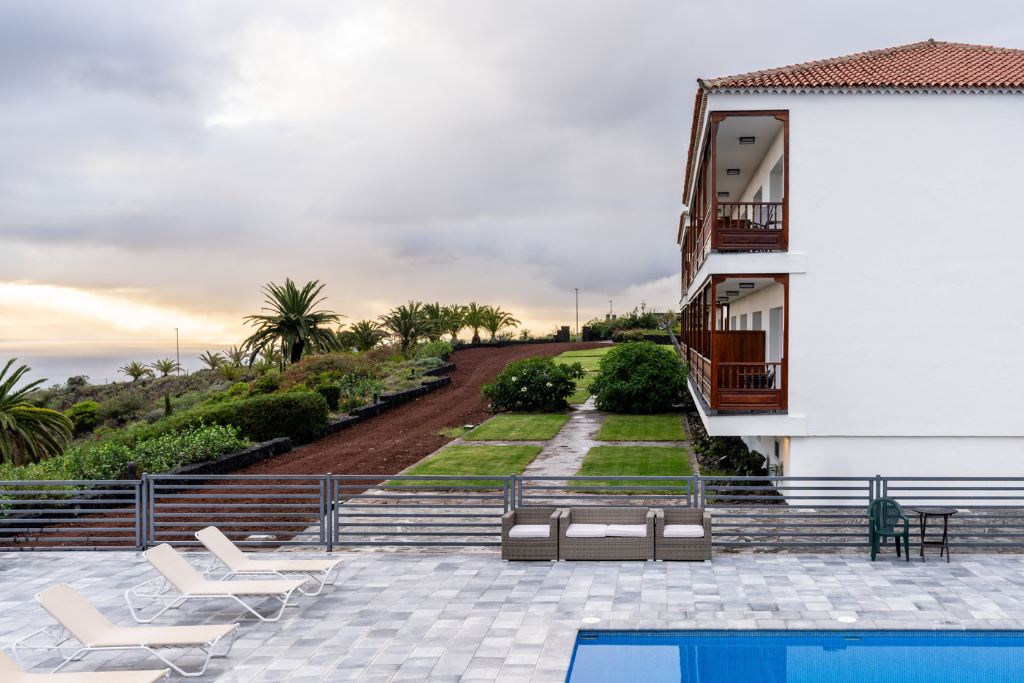
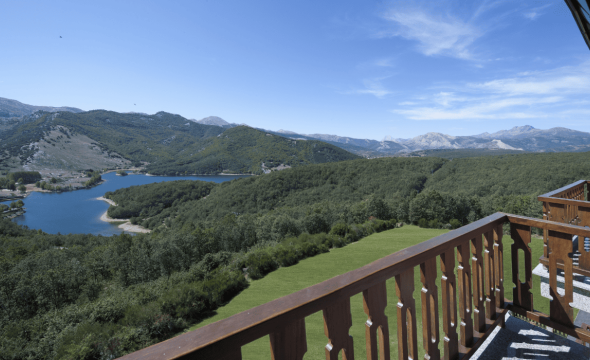
It is precisely this sentiment of organic continuity that defines the Parador de La Palma, where the surrounding landscape feels like an extension of the property itself. Nestled between the peaceful stillness of the valley and the raw proximity of the Atlantic, the Parador serves as a privileged vantage point from which the island reveals itself not merely as a destination, but as an experience that continues to breathe long after you have finished exploring its paths.
Spain’s most beautiful border
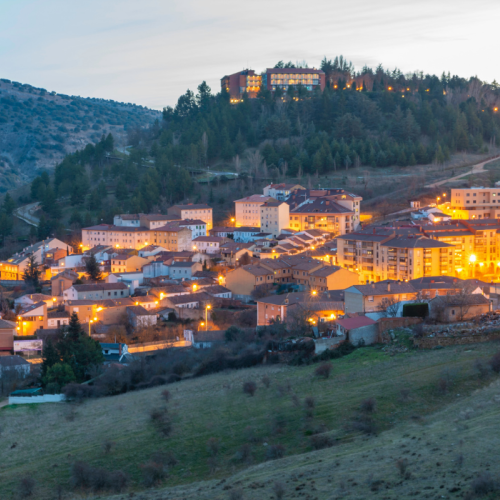
In Ayamonte, the River Guadiana does not dictate a boundary, but rather marks a place of convergence. On one bank, the whitewashed façades of one of the south's most picturesque towns; on the other, the first outposts of Portugal. Between them lies a poetic landscape of tidal marshes, brilliant Atlantic light, and gently bobbing boats that has been proving for centuries that the water unites far more than it divides.
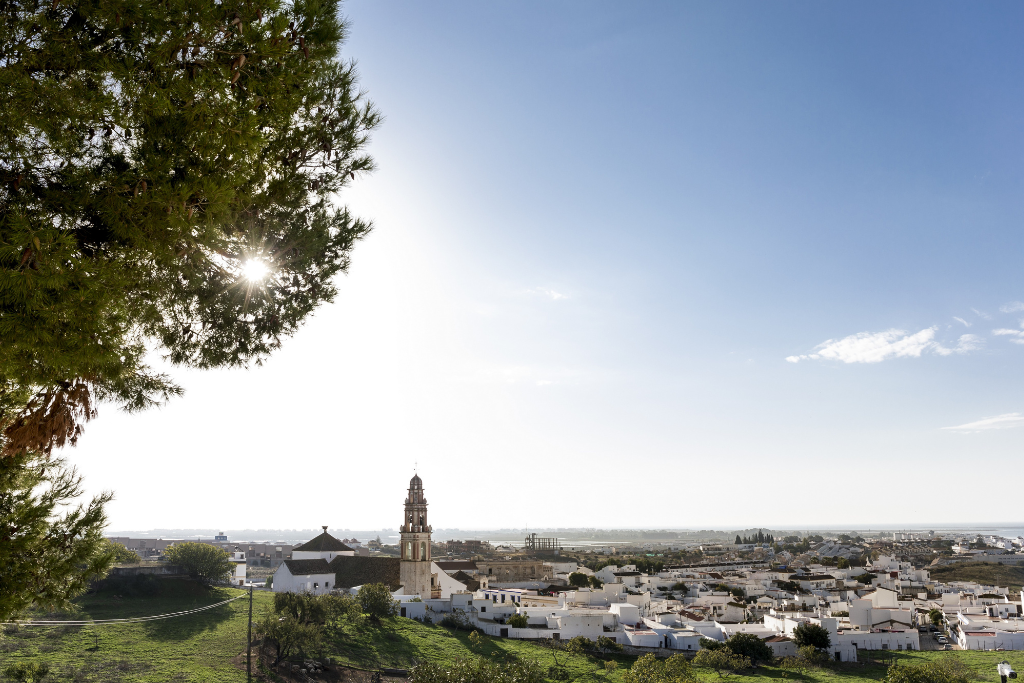
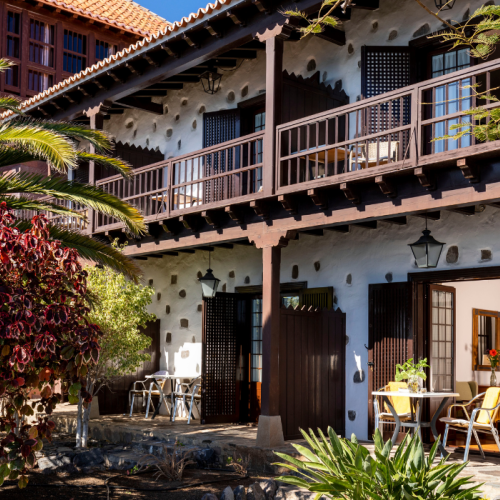
The town itself retains the quiet, unhurried elegance characteristic of Andalusia’s pueblos blancos. Luminous streets, bustling plazas, churches rising gracefully above the rooftops, and grand old Indiano mansions all evoke its rich seafaring and merchant past.
Yet Ayamonte does not end at the river's edge. Just a few minutes away, the coastline shifts character entirely as the Atlantic reappears in all its majestic power along the shores of Isla Canela and Punta del Moral. Here lie kilometres of fine golden sand, gentle dunes, and waters that grow tranquil, providing a perfect playground for sailing and watersports.
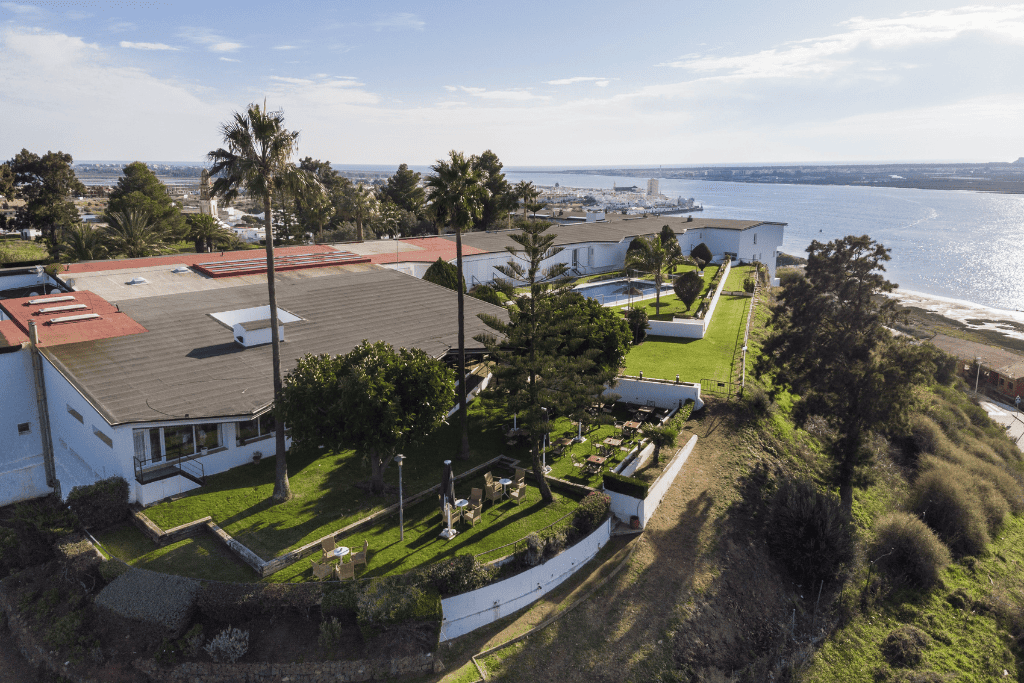
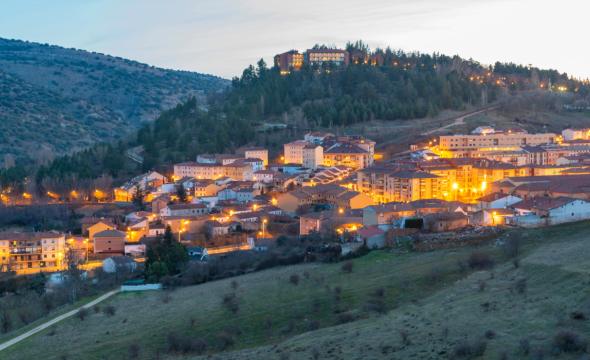
It is here that the Parador de Ayamonte comes into view, beautifully perched high above the mouth of the Guadiana. From the Parador’s panoramic terraces, the river unfolds like a grand theatrical stage, dotted with small boats crossing the estuary, where the border is defined far more by the play of light than by political geography.
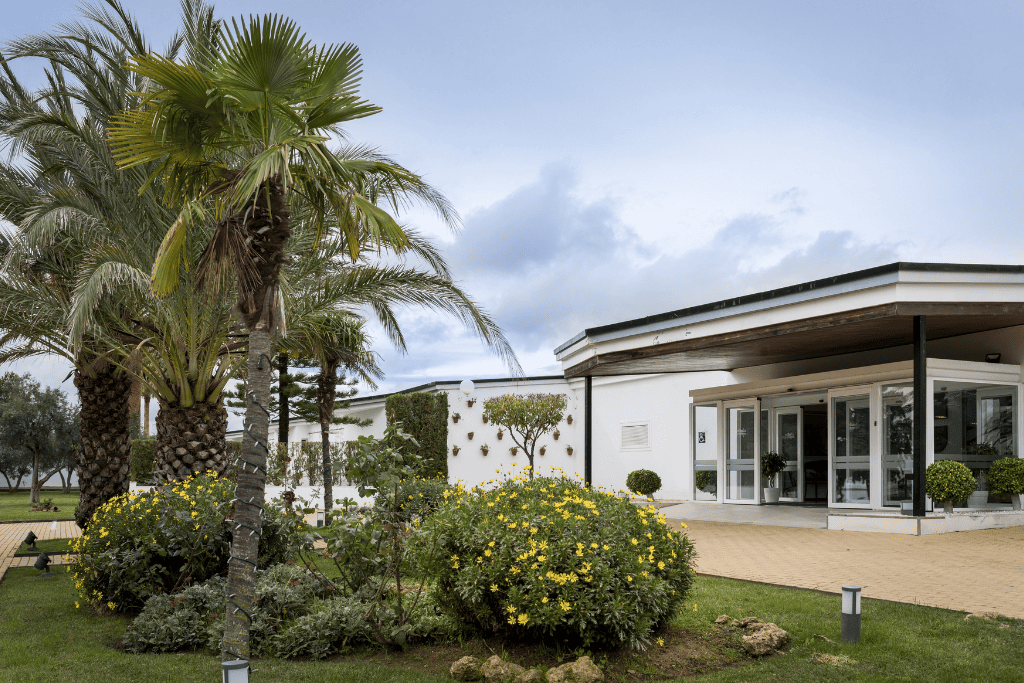
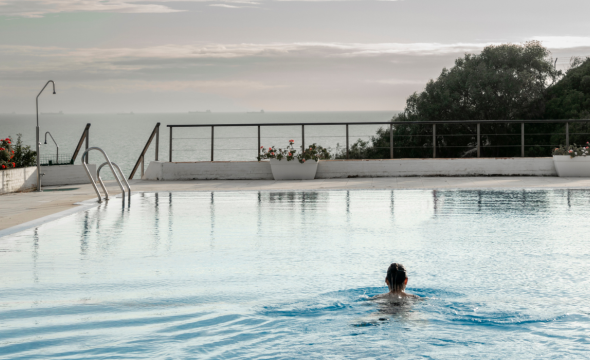
The property boasts a swimming pool oriented toward that very same horizon; a space devoid of abstract infinity, offering instead the grounding sensation of being at a very specific, beautiful coordinate in the world—a place where there is sometimes a breeze, sometimes absolute silence, but where the water and the vistas remain the undisputed protagonists.
Perhaps that is why, beautifully cradled between the river, the sea, and the frontier, Ayamonte ranks among the most alluring destinations of summer 2026.