What to see in Soria in a weekend? The answer begins at a river, continues through verses of poetry, and ends several centuries ago in a Celtiberian city whose siege by Roman troops became one of the most famous episodes in the wars between Rome and the Celtiberian peoples.
In just a few kilometres, Soria gathers history and landscape, both tightly intertwined. The Duero River flows right through the city; Antonio Machado found inspiration here for some of his most celebrated poems; and just a few kilometres away, Numancia preserves the memory of a city that eventually became a symbol of resistance.
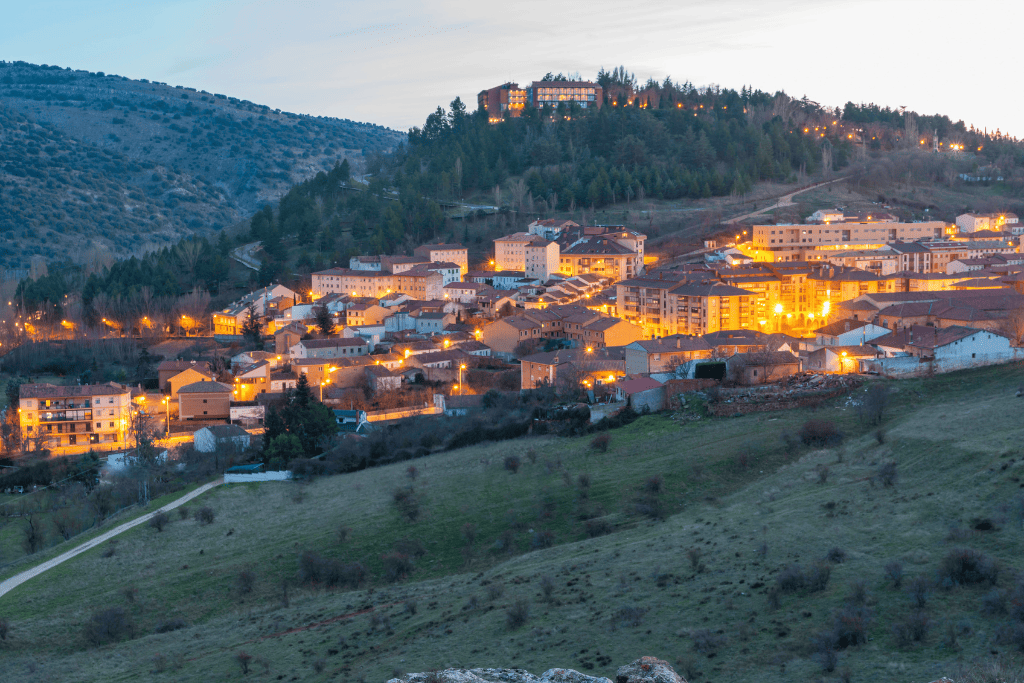
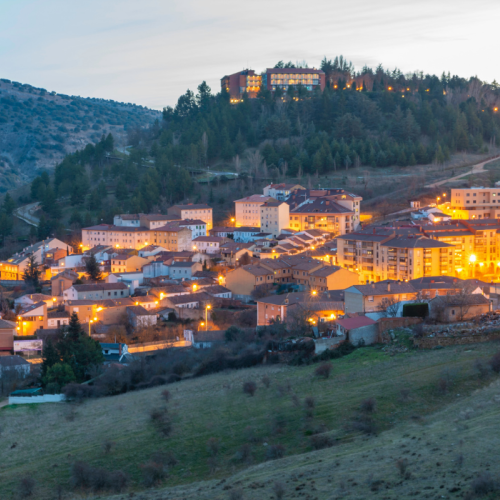
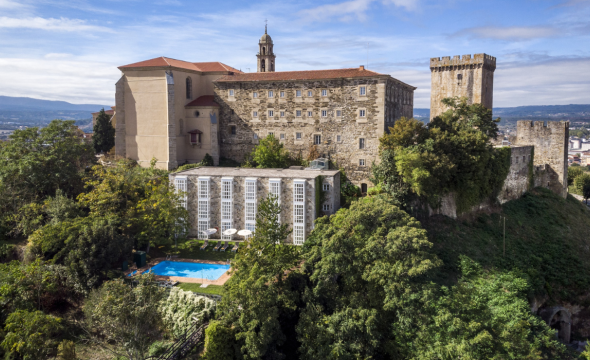
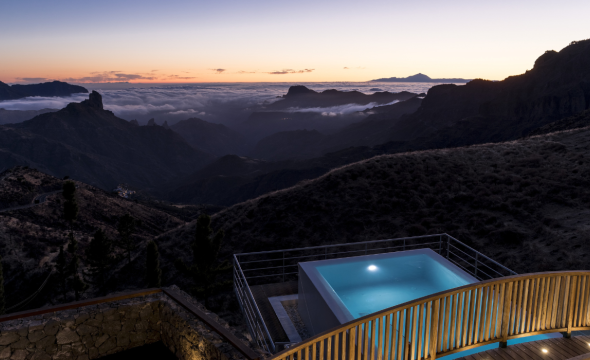
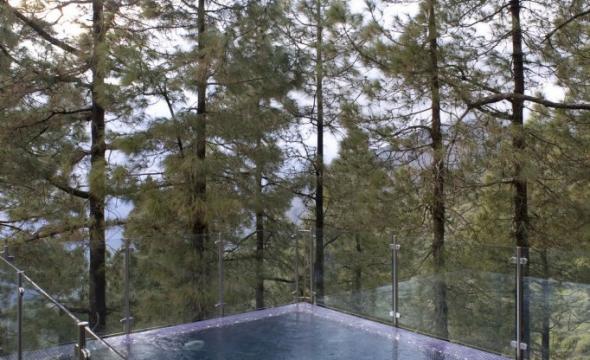
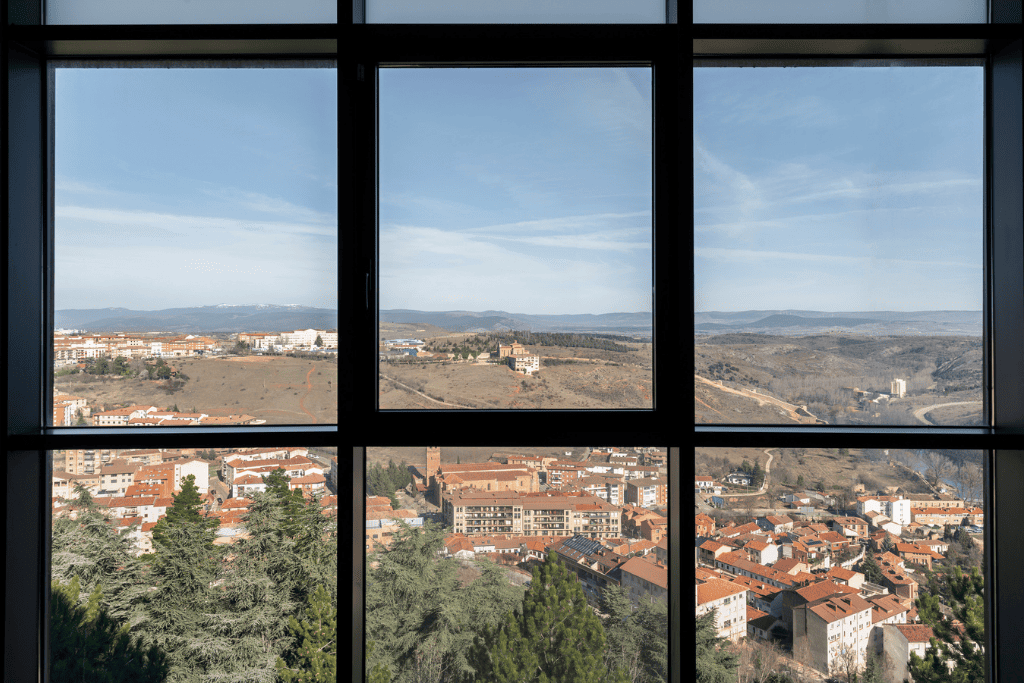
Perched high in the Parque del Castillo, the Parador de Soria commands a magnificent view of this very landscape. Surrounded by lush greenery and elevated above the city, it offers panoramic vistas taking in both the urban historic centre and the Duero Valley.
It is the ideal base from which to structure a two-day stay in Soria, following three great storylines: that of the city itself, that of the poet who transformed part of its landscape into literature, and that of Numancia, whose legacy remains an essential part of the province’s identity.
Saturday: Soria, Between the Duero and the Verses of Machado
A Morning spent among Heritage and Literature
Soria’s historic centre brings together some of the city's most fascinating examples of Romanesque heritage. To kick off the visit, the route can head down from the Parque del Castillo toward the city centre.
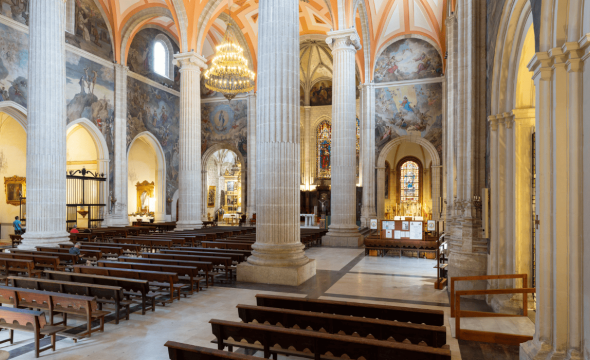
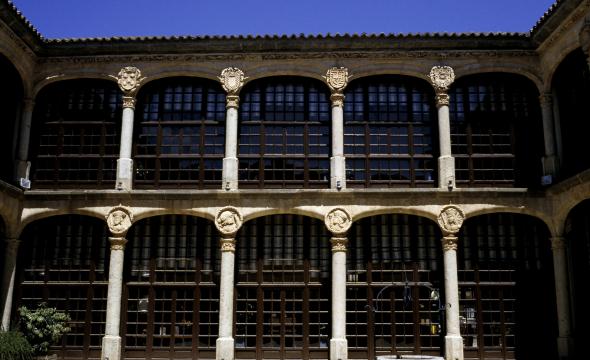
The first stop can be the Co-Cathedral of San Pedro, one of Soria's principal places of worship. The present building combines architectural elements from various periods and houses an original Romanesque cloister within.
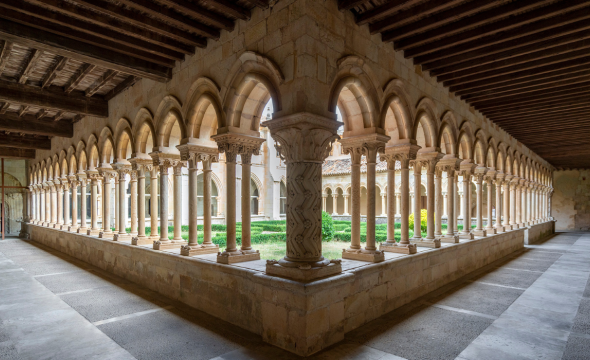
From there, the walk leads to the Monastery of San Juan de Duero, set right beside the river. Its cloister, constructed during the 12th century, stands out for its blend of diverse architectural styles and remains one of Soria’s most extraordinary monuments.
From this point onward, a whole new interpretation of the city unfolds—that of Antonio Machado.
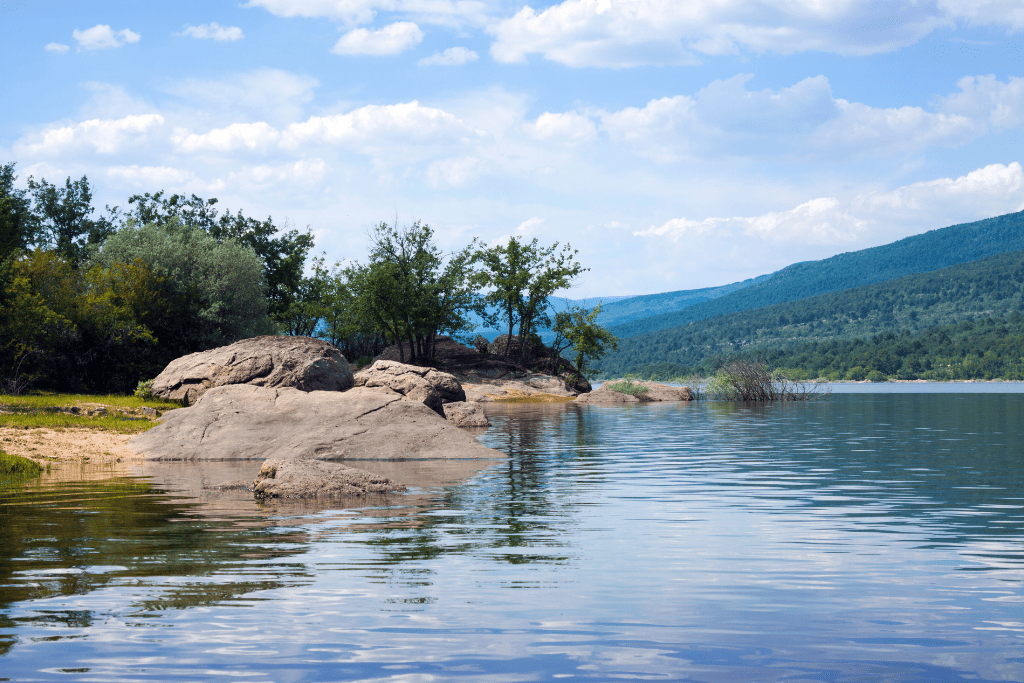
Machado arrived in Soria in 1907 to take up the Chair of French. During his years in the city, he explored the landscapes along the Duero, married Leonor Izquierdo, and found in the countryside of Soria a source of inspiration that would be immortalised in his work.
The scenery of the Duero holds a prominent place in the poems linked to his Soria period, particularly in Campos de Castilla, published in 1912.
Following the riverbank today allows visitors to identify several of the settings associated with that time. The path leads to the Hermitage of San Saturio, built into a natural cave along the Duero and dedicated to Soria's patron saint.
The hermitage is built directly into the living rock, and the approach to it winds through a landscape tied intimately to the river. Here, natural scenery and literature meet once more.
Dining on Soria’s Local Flavours
Gastronomy offers another avenue to discover the region. Soria's torrezno (crispy fried pork belly), protected under a Protected Geographical Indication (PGI), is one of the province's most recognisable culinary products. Alongside it appear other traditional Castilian flavours, such as migas, bean stews, garlic soups, and roast lamb.
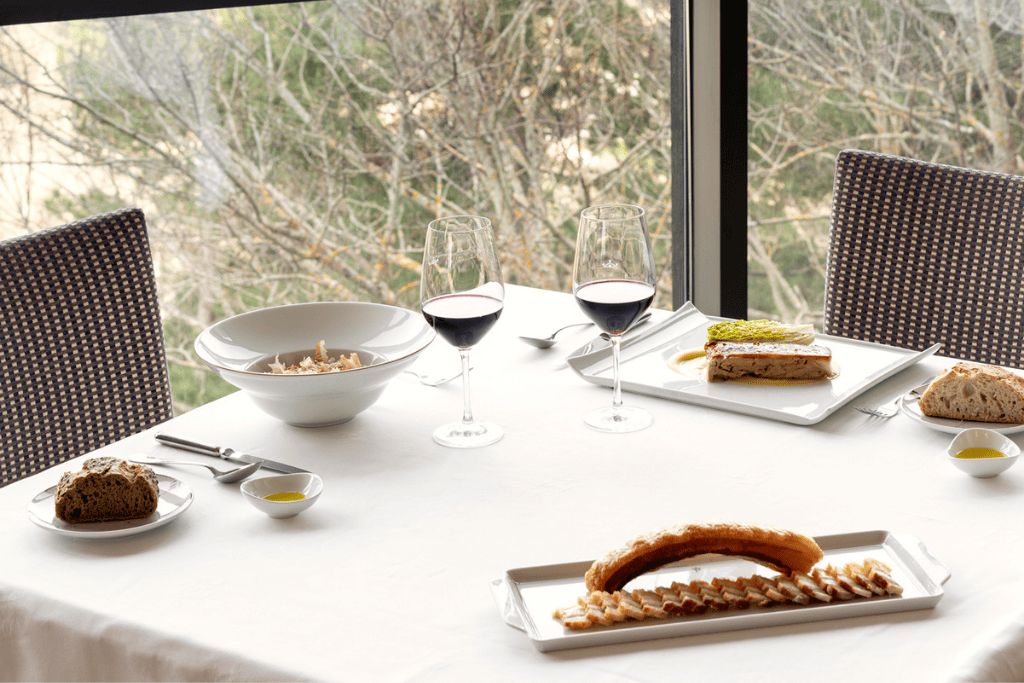
Soria butter, which holds a Protected Designation of Origin (PDO), is another product closely tied to the province's culinary identity.
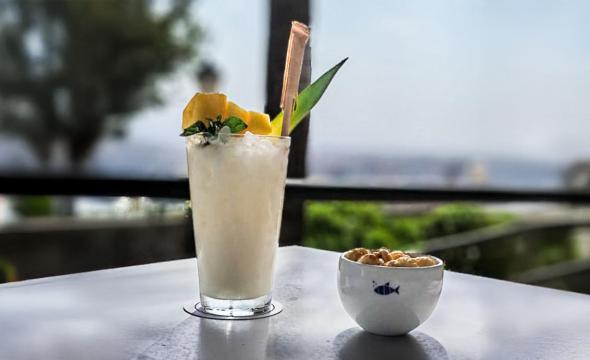
In the restaurant of the Parador de Soria, this heritage is translated into updated Castilian cuisine featuring local provincial produce, with a special emphasis on wild mushroom gastronomy—a field deeply connected to Soria's vast woodlands.
An Afternoon in Numancia
To truly understand the history of the province, one must venture beyond the city. About eight kilometres from Soria lies Numancia, the archaeological site of the ancient Celtiberian city. Its history is defined by the Celtiberian Wars and, above all, by the lengthy siege to which it was subjected by Roman forces.
The final encirclement began under the command of Scipio Aemilianus and ended in 133 BC, when the city fell after months of siege.
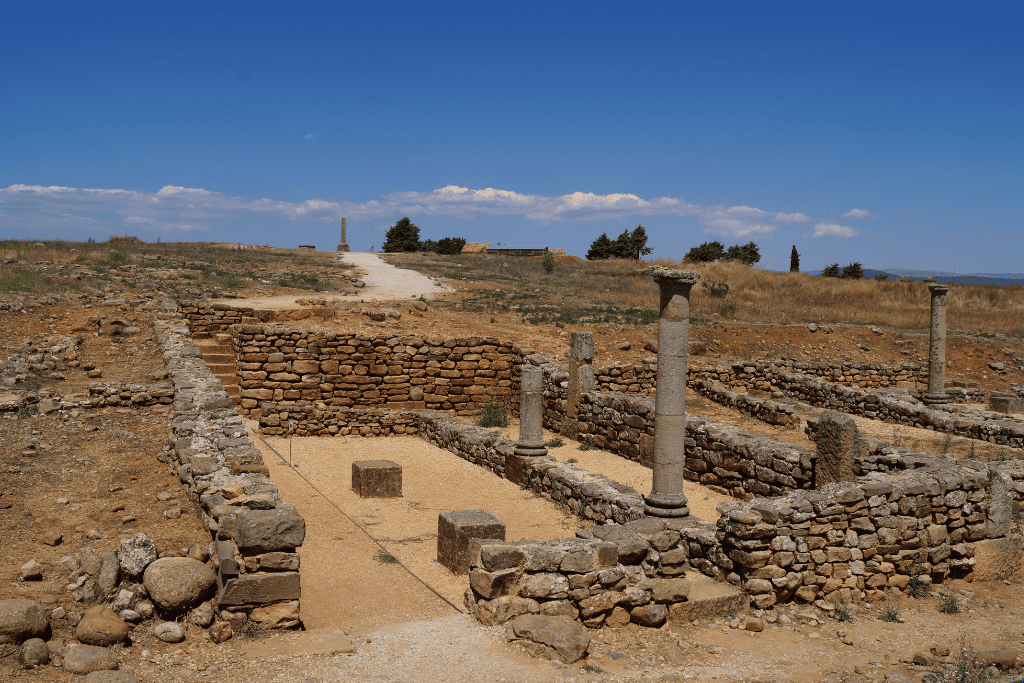
The visit allows you to walk through the archaeological site and gain insight into the city's urban layout, its dwellings, and daily life among its inhabitants.
Yet Numancia transcended its own history. Over the centuries, its legendary resistance against Rome turned its name into a universal symbol of defense against an overwhelmingly superior enemy.
After the visit, the return journey to Soria brings your gaze back to the landscape of the Duero. From the Parador, the city lies at your feet and the valley stretches out toward the horizon.
Sunday: From the Heart of Soria to Its Surrounding Landscapes
From La Dehesa to the Historic Centre
The second day can begin in the Alameda de Cervantes, known locally as La Dehesa. This park covers a large area in the heart of the city and serves as one of its primary green spaces.
From there, Calle del Collado leads toward the historic centre and the Plaza Mayor, allowing you to walk through some of the city’s most emblematic areas.
The morning can continue at the Numantine Museum, whose collections trace the history of the province from prehistoric times through later historical periods. The exhibition places special emphasis on the cultures that inhabited this region, including the Celtiberians, helping to contextualise the story of Numancia beyond the ruins themselves.
Having visited the ancient city, the museum offers a broader perspective: the history of Numancia forms part of a much larger narrative detailing the evolution of Soria and its territory.
The Castle and the Panoramic View over the Duero
Before returning to the Parador, it is well worth stopping once again at the Parque del Castillo.
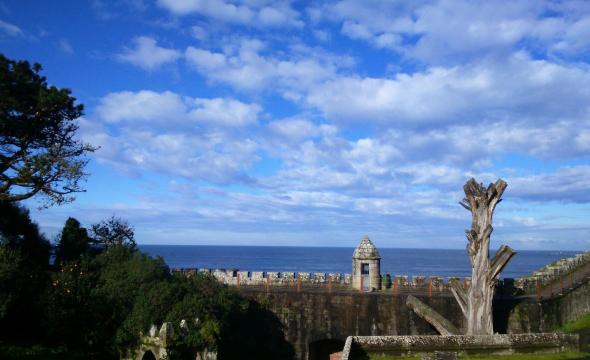
The fortress once occupied a key strategic position overlooking the city, and remnants of its defensive structure can still be seen today. Nowadays, the site's main draw is its breathtaking panorama.
From the park, you can take in the urban layout, the Duero River, and much of the surrounding landscape encompassing Soria. It is a view that highlights the physical relationship between the city and the river—and once again draws our gaze back to Machado.
His presence in Soria is not confined to the physical sites that honor his time here. It lingers in the very landscape he transformed into literature, particularly along the banks of the Duero.
If You Have More Time: The Natural Beauty of the Province
Two days provide enough time to explore much of Soria city and visit Numancia, but the province offers additional landscapes that make extending your journey worthwhile.
To the north lies the Laguna Negra (Black Lagoon), nestled within the Laguna Negra and Circos Glaciares de Urbión Natural Park. Situated in a mountain setting surrounded by sheer rock faces and dense forests, it is one of the most famous natural sights in the province.
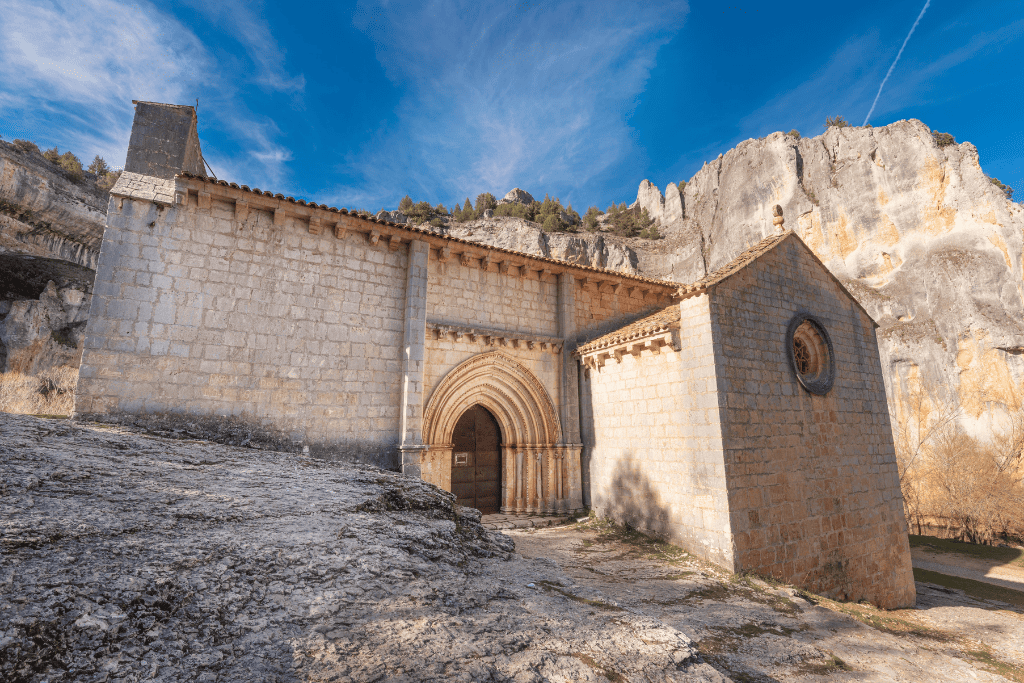
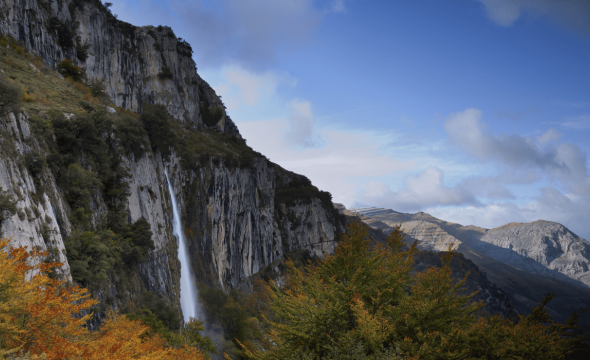
Another compelling excursion is the Cañón del Río Lobos, a natural area of immense geological and scenic value shared between Soria and Burgos. The river has carved a deep canyon between soaring limestone cliffs, creating one of the most striking landscapes in the region.
Both destinations extend your getaway into mountain country, revealing a side of the province very different from the area surrounding its capital.
The Parador de Soria: A Room with a View of the Duero
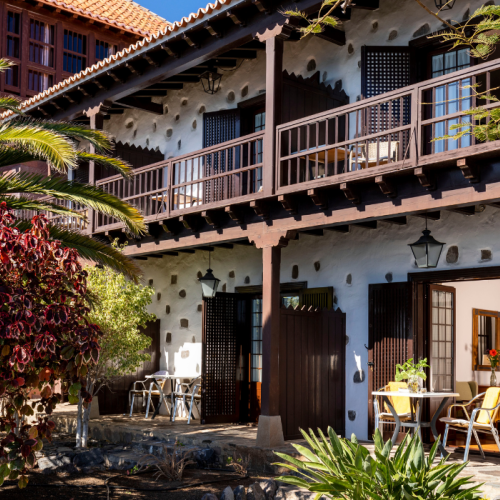
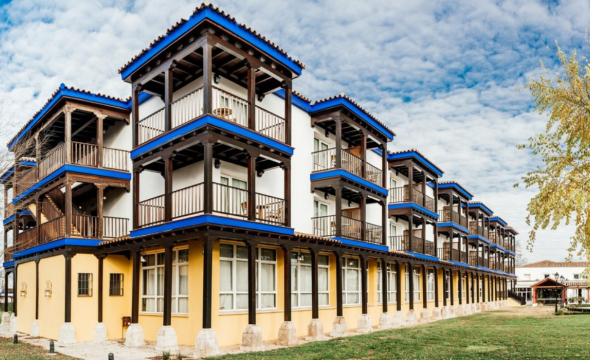
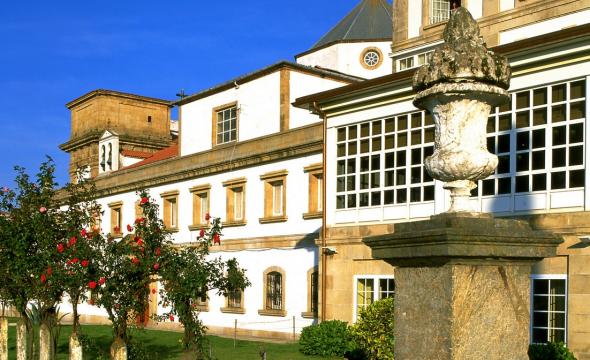
The location of the Parador de Soria ensures that the surrounding landscape becomes an integral part of your stay. Situated in the Parque del Castillo, the Parador stands high above the city, enveloped in lush greenery. From its outdoor terraces and various guest rooms, visitors can enjoy sweeping views encompassing Soria and the Duero Valley.
After exploring the city, following the course of the river, visiting San Juan de Duero and San Saturio, and traveling back in time at Numancia, returning to the Parador means taking in the landscape once more from a fresh perspective.
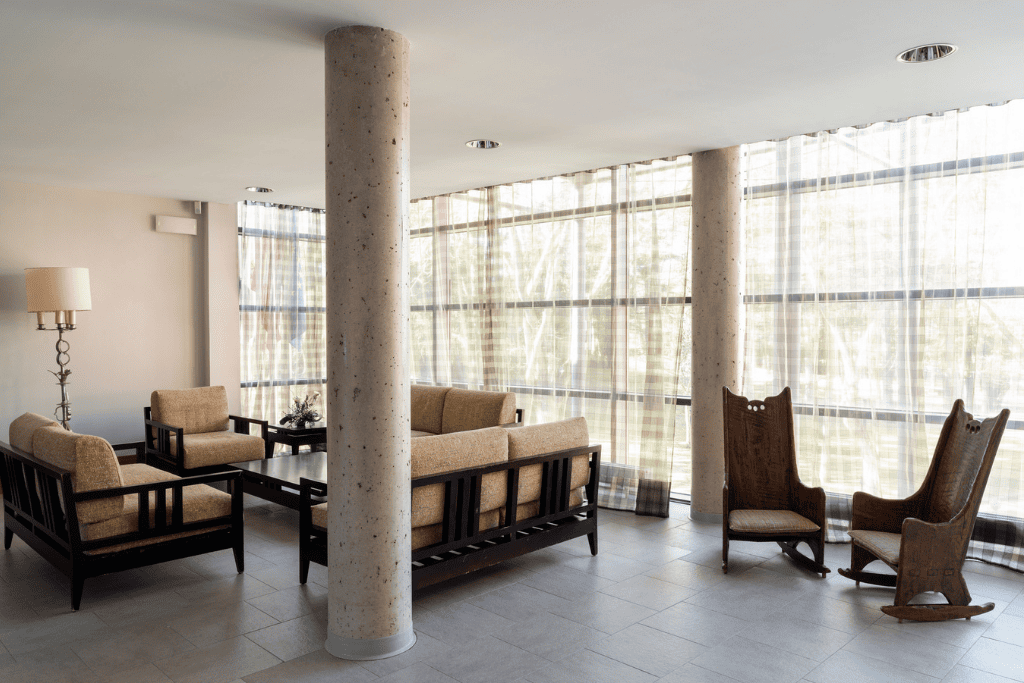
It is also a fitting way to wrap up the itinerary: moving from the city’s rich history to Machado’s literary legacy, and from ancient Numancia to the scenic beauty of the Duero.
Soria requires no great travel distances to transport you through time. In a single weekend, you can transition from Romanesque architecture to the landscapes of Machado, from the epic history of Numancia to the hearty flavors of Castilian cuisine, and from the lively city center to the pristine forests and glacial lakes of the surrounding province.