There are gestures that span generations. Hands that cultivate, care for, spin, herd flocks or collect honey, following rhythms that know no hurry. For centuries, many of these activities essential to rural life have been linked to women, silent guardians of knowledge passed down from mothers to daughters.
Today, these traditions not only endure, but have become living experiences within Paradores' Nature for the Senses programme. Activities that connect travellers with the land, the landscape and the trades that form part of our cultural identity. And which, in many cases, are led by women who maintain this legacy with pride and professionalism.
Oil: an ancient culture in Ciudad Rodrigo
Olive cultivation has been part of the history of the Mediterranean for more than 6,000 years. The Phoenicians, Romans and Arabs spread its production throughout the peninsula, making oil a symbol of food, health and economy.
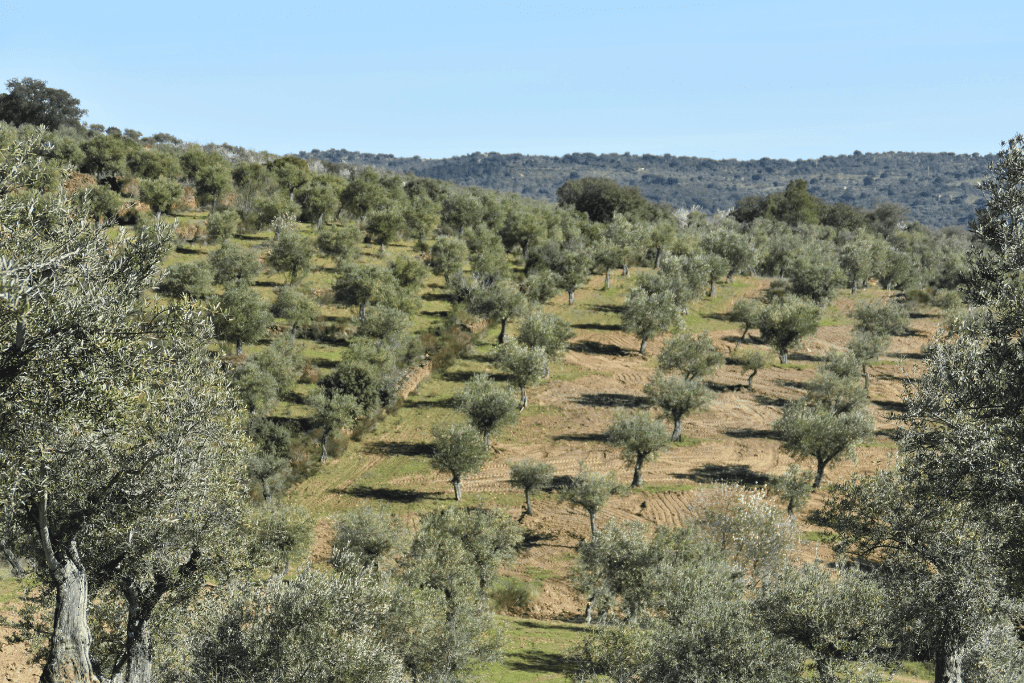
In Ciudad Rodrigo, Loli takes us into this world through an experience that begins among the olive trees and ends at the oil mill. Walking through the olive grove, understanding the work of the land and discovering the stages of oil extraction allows us to understand why this "liquid gold" has historically been the livelihood of so many rural families, many of them headed by women who worked both in harvesting and in the domestic management of the product.
The experience concludes with a tasting that awakens the senses and highlights the nuances, benefits and uses of a food deeply rooted in our culture.
Grazing: a balance between tradition and sustainability
Grazing has been one of humanity's oldest activities. In Spain, transhumance and extensive livestock farming shaped landscapes and economies for centuries. Although often invisible, many women actively participated in caring for livestock, making cheese and managing family farms.
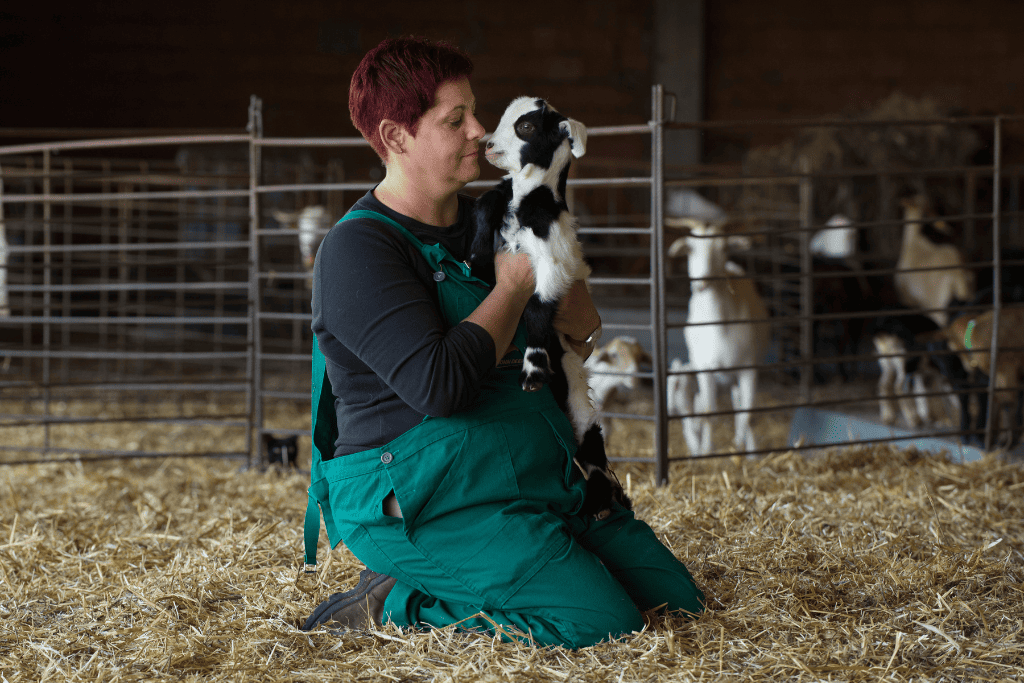
In the surroundings of the Parador de Sigüenza y Molina de Aragón, Marta invites us to experience a day as a shepherd in Torralba de los Sisones. Accompanied by goats, can de chira dogs and mastiffs, the experience allows us to understand the value of regenerative grazing and its positive impact on biodiversity.
Guiding the flock through meadows and mountains is not just a rural activity: it is a lesson in sustainability, respect for natural cycles and connection with the land. The day ends with an authentic shepherd's lunch, reminding us that many of our most traditional products are born precisely from these practices.
Beekeeping: guardians of life in El Bierzo
Bees have been considered a symbol of community, work and prosperity since ancient times. Before the arrival of sugar, honey was the main sweetener and a product of great medicinal and commercial value.
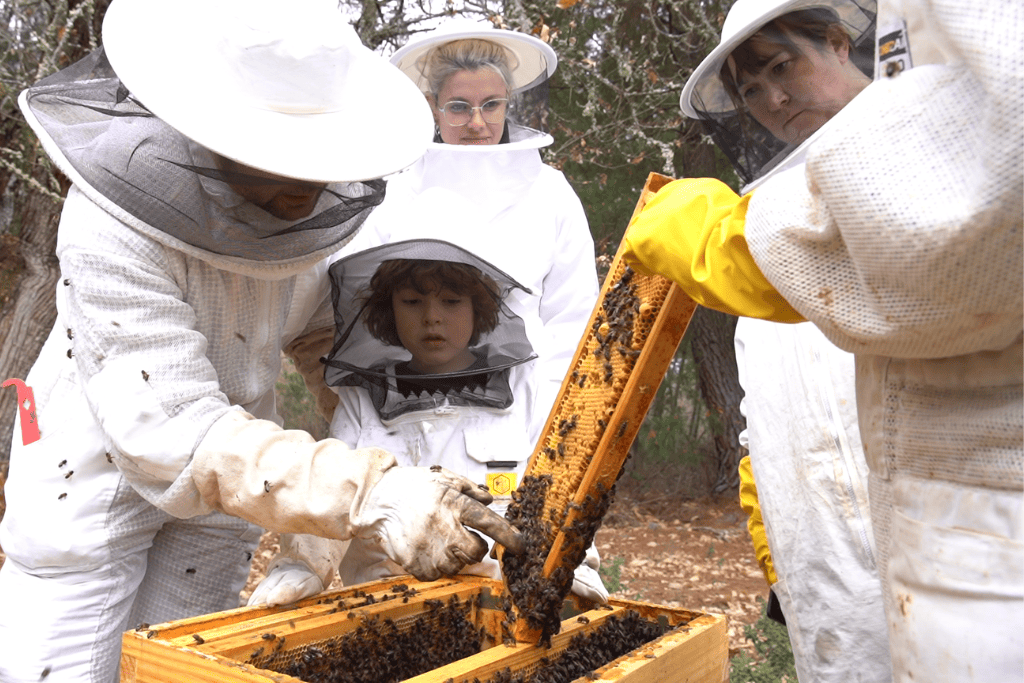
In the surroundings of the Camino de Santiago, in Villafranca del Bierzo, Beatriz introduces us to the fascinating world of beekeeping. We will visit the fields of El Bierzo where the Parador sponsors a beehive that supplies its kitchen, thus closing the circle between nature and gastronomy.
Discovering how a beehive is organised, understanding the essential role of bees in pollination and landscape conservation, and learning about the honey-making process also means recognising the historical importance of women in rural economies, where beekeeping supplemented family income and strengthened the agricultural fabric.
Wool: a thread that weaves history in Fuente Dé
Before industrialisation, the process of transforming wool was a craft deeply linked to the domestic and female sphere. Washing, carding, spinning and weaving were essential tasks for the family's warmth and economy.
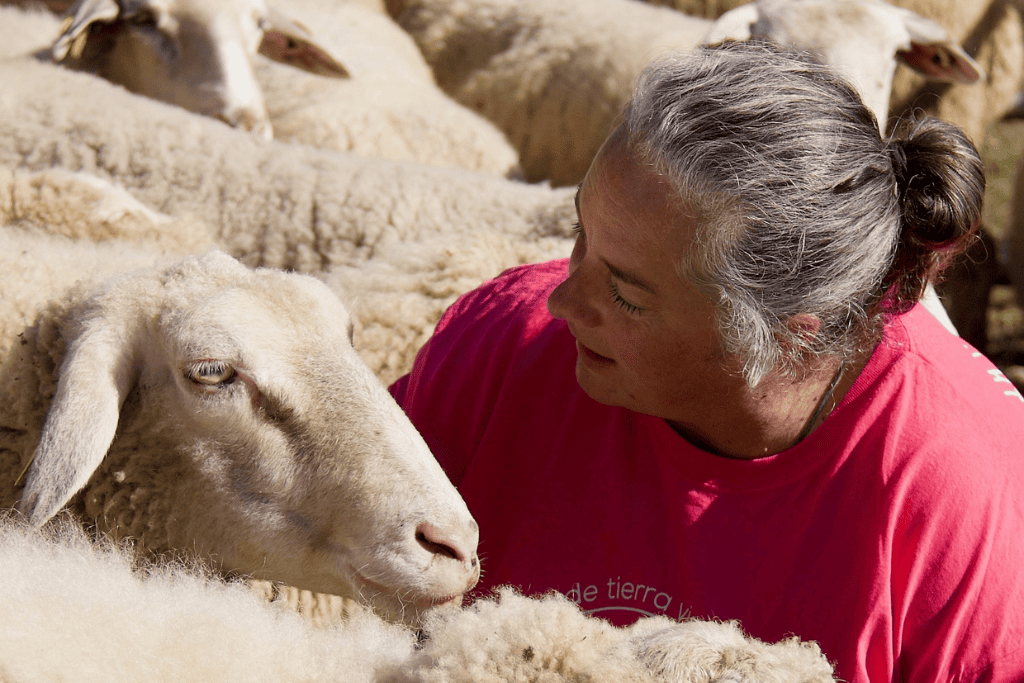
In Fuente Dé, Susana and Pilar accompany us on a wool-spinning experience with a shepherd from the Pesaguero valley. There we will learn first-hand about the importance of extensive livestock farming in landscape conservation and learn the first steps in wool preparation, from cleaning the fleece to the steps prior to spinning.
Participating in these tasks means understanding the value of time, patience and knowledge passed down through generations. The experience ends with a tasting of Liébana cheeses, village bread and local wine, celebrating the union between craft, territory and flavour.
And these activities are just a few of them. There are many more women, many more experiences and many more territories to discover at Paradores.
Because preserving tradition also means acknowledging those who have kept it alive generation after generation.
Enjoy these and many more activities at Paradores and let the echo of your stay make a difference.