Albacete lies at the heart of the La Mancha plain, with a character that blends traditional craftsmanship, wide avenues and an open-minded spirit. Historically linked to trade and the routes that criss-crossed the south-east of the Iberian peninsula, the city experienced strong growth between the 18th and 19th centuries thanks to the cutlery industry, which would become internationally renowned. Today, it offers visitors a comfortable and vibrant city break, with heritage, green spaces and a cuisine that reflects the essence of La Mancha.
In the morning: the heart of the city
The day can begin in the Plaza del Altozano, the true heart of the city where some of its most iconic institutions converge.
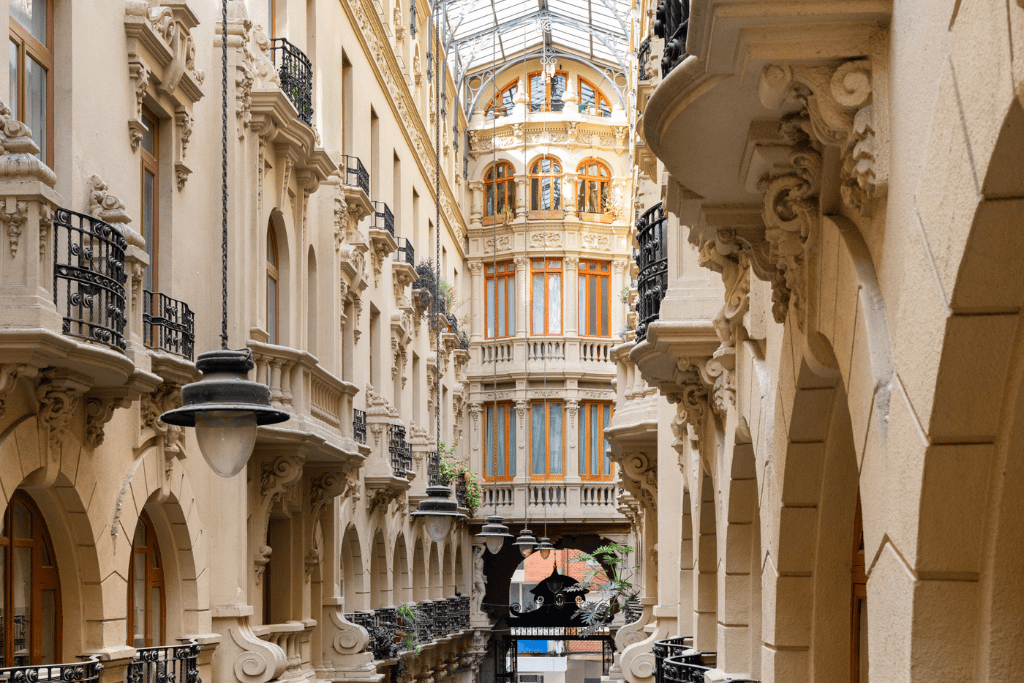
From there, a short stroll leads to the Pasaje de Lodares, an architectural gem of Albacete. Built in the early 20th century, this covered, modernist-style passage typifies the atmosphere of European shopping arcades. Its columns, balconies and glass-roofed domes create an elegant space where shops and cafés mingle. It is also one of the city’s most photographed spots.
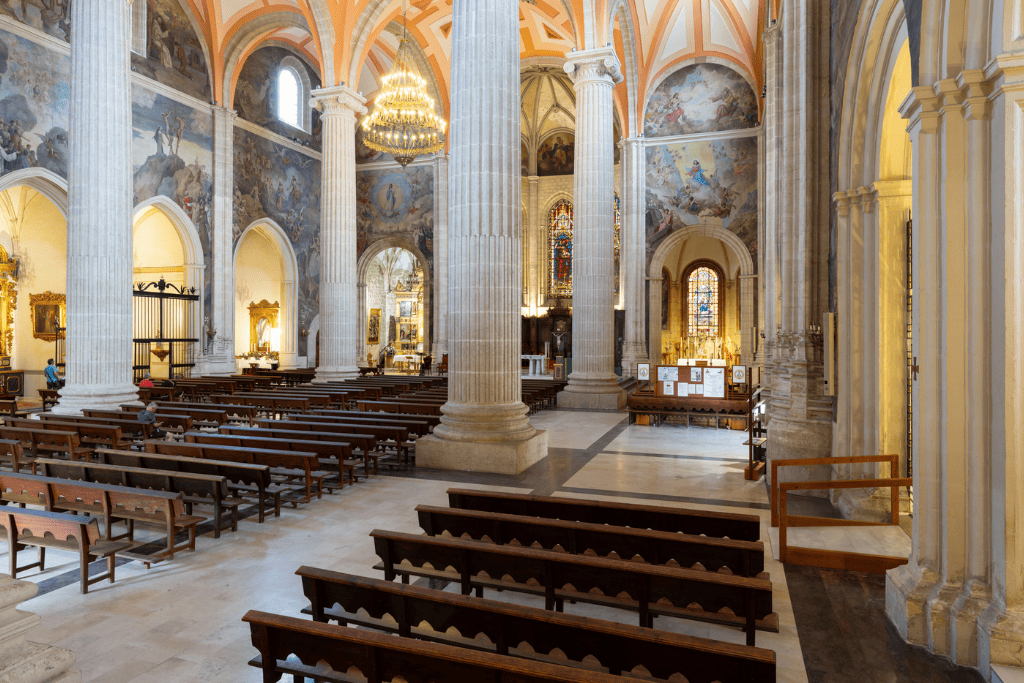
Just a few minutes away is the Cathedral of St John the Baptist, whose construction began in the 16th century. Its sober exterior contrasts with a more spacious interior, featuring murals by the artist Casimiro Escribá and a blend of architectural styles reflecting the different phases of construction.
Midday: cutlery tradition and identity
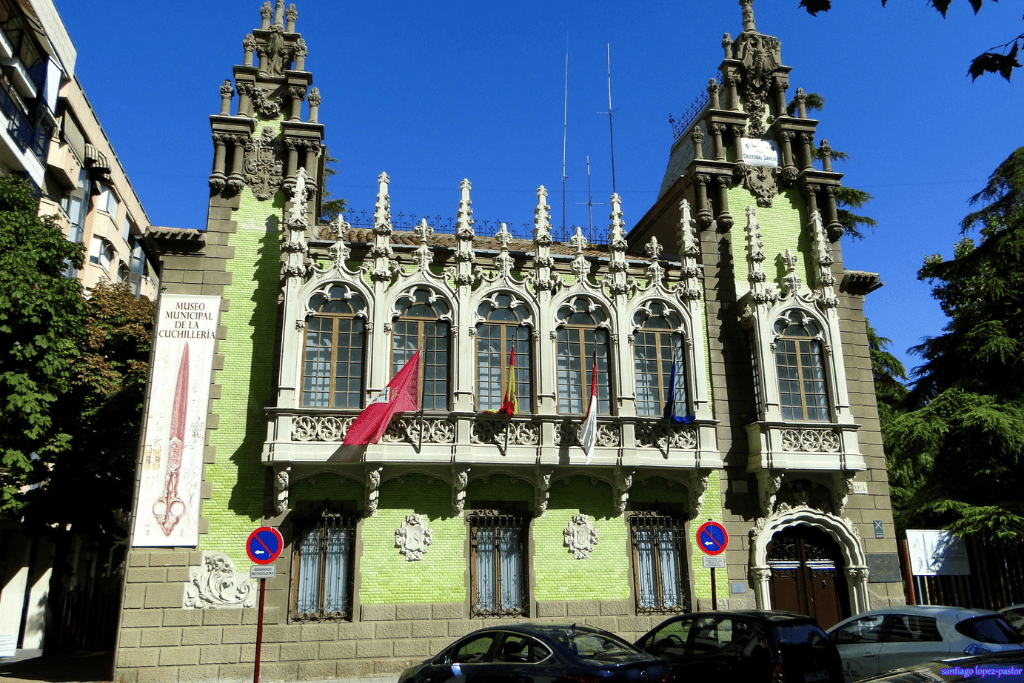
The city’s identity is strongly linked to cutlery. There are documented references to the manufacture of knives and pocket knives dating back to the 16th century, which made Albacete an international leader in the sector. The Municipal Cutlery Museum, located in the Casa del Hortelano – a Modernist building of great heritage value – houses historical pieces, craftsmen’s tools and contemporary designs that illustrate the evolution of the craft.
The stroll continues through shopping streets and open squares where the daily buzz is palpable. Streets such as Tesifonte Gallego and Marqués de Molins are the hub of much of the city’s activity.
In the afternoon: history and heritage
Abelardo Sánchez Park offers a pleasant green retreat. Gardens, sculptures and tree-lined paths surround the Albacete Museum, which houses Iberian and Roman archaeological pieces , as well as a collection of contemporary art linked to the region.
A short distance away stands the Fairgrounds, popularly known as ‘La Sartén’ (The Frying Pan) due to its circular layout. Built in the 18th century, it hosts the famous Albacete Fair every September, which has been declared a Festival of International Tourist Interest.
A place to rest
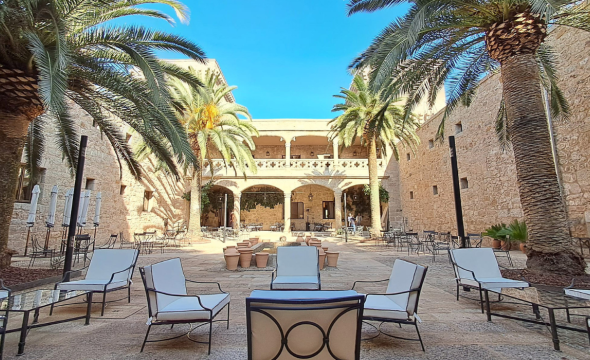
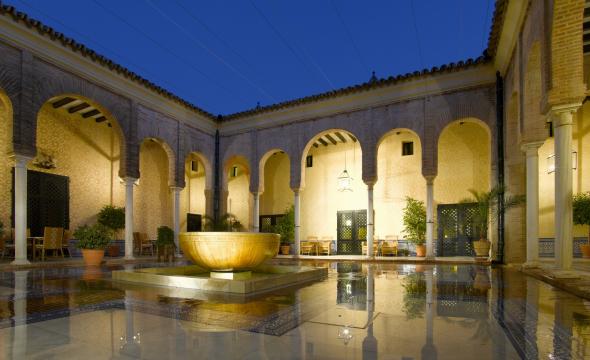
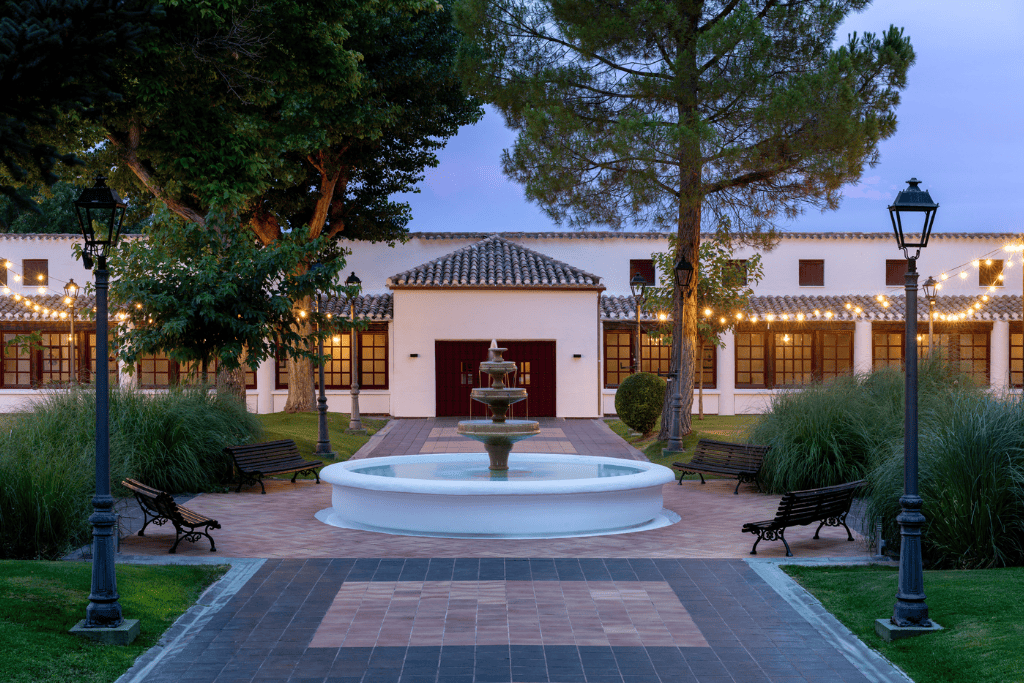
Surrounded by the plains of La Mancha, the Parador de Albacete offers a peaceful atmosphere reminiscent of the inns along the road described in Don Quixote. The building is inspired by the architecture of a traditional La Mancha farmhouse, built over two storeys and organised around a landscaped courtyard with a central fountain. The setting is complemented by extensive gardens, a swimming pool and a golf course.
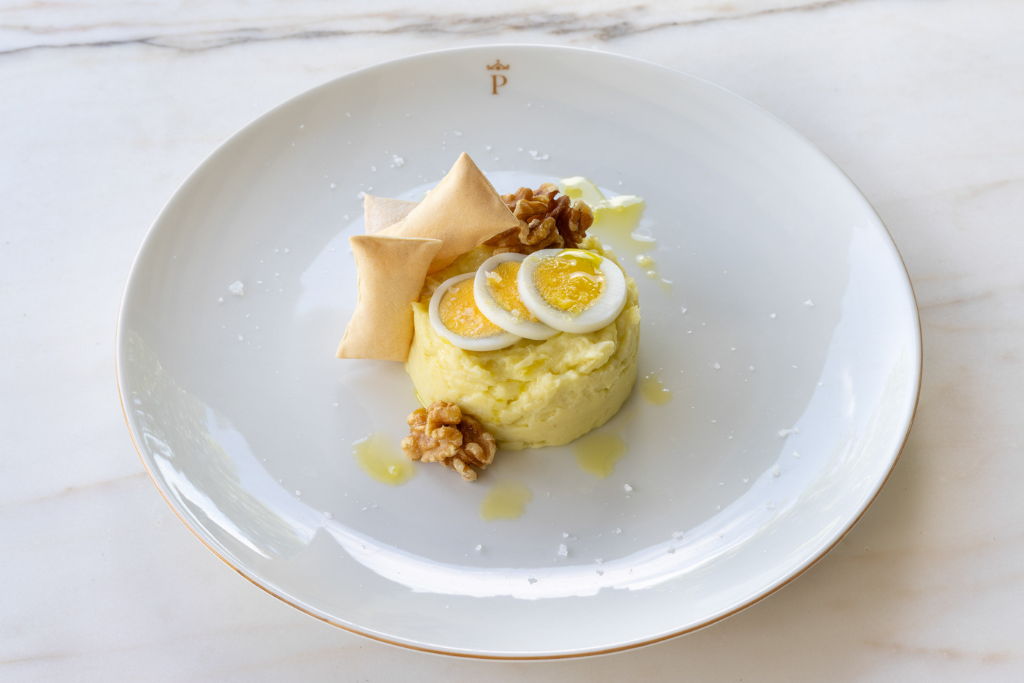
Its restaurant invites you to explore La Mancha’s cuisine through products with a designation of origin and traditional dishes, such as gazpacho manchego, migas ruleras (fried breadcrumbs with chorizo sausage), lomo de orza (pork loin cooked and stored in an earthenware jar) and paletilla de cabrito (kid goat shoulder), alongside dishes such as cod and cheese salad, pisto manchego, marinated partridge, ‘mojete’ (tomato and tuna salad) or the popular ‘atascaburras’ (Manchego-style potato puree with cod, egg, and nuts).
Paradores recommend these must-sees:
• Lodares Passage
• Cathedral of St John the Baptist
• Municipal Cutlery Museum
• Plaza del Altozano
• Abelardo Sánchez Park
• Albacete Museum
• Albacete Exhibition Centre
• Castilla-La Mancha Botanical Garden
• Reservoir – CIAB Water Interpretation Centre
• Chinchilla de Monte-Aragón (15 km away)