5 destinations to visit in September and make the summer last longer in Spain
August is over, but summer doesn’t disappear overnight. In September, the Mediterranean continues to offer magical sunsets, the Atlantic continues to shape the character of towns and coastlines, and the mountains become the setting for walks, excursions and new landscapes.
This month marks the start of what we call a second summer (the first for many). Destinations return to their everyday rhythm, but the calendar remains packed with events, including concerts, festivals, exhibitions and cultural activities. It’s also a great time to sit down to a meal and savour the local cuisine, explore markets, discover the villages and continue to make the most of the sea and the natural landscapes. September doesn’t take anything away from summer; it simply adds new ways to enjoy it.
From Cádiz to La Gomera and from the Costa da Morte to the Costa Brava, these five Paradores show you where to travel in Spain in September, bringing together five very different landscapes so you can continue to enjoy the summer.
Summer arriving from the Atlantic
Cádiz has a special relationship with summer because it also has one with the sea. For centuries, the Atlantic was its gateway to the world and even today it shapes much of the city’s character.
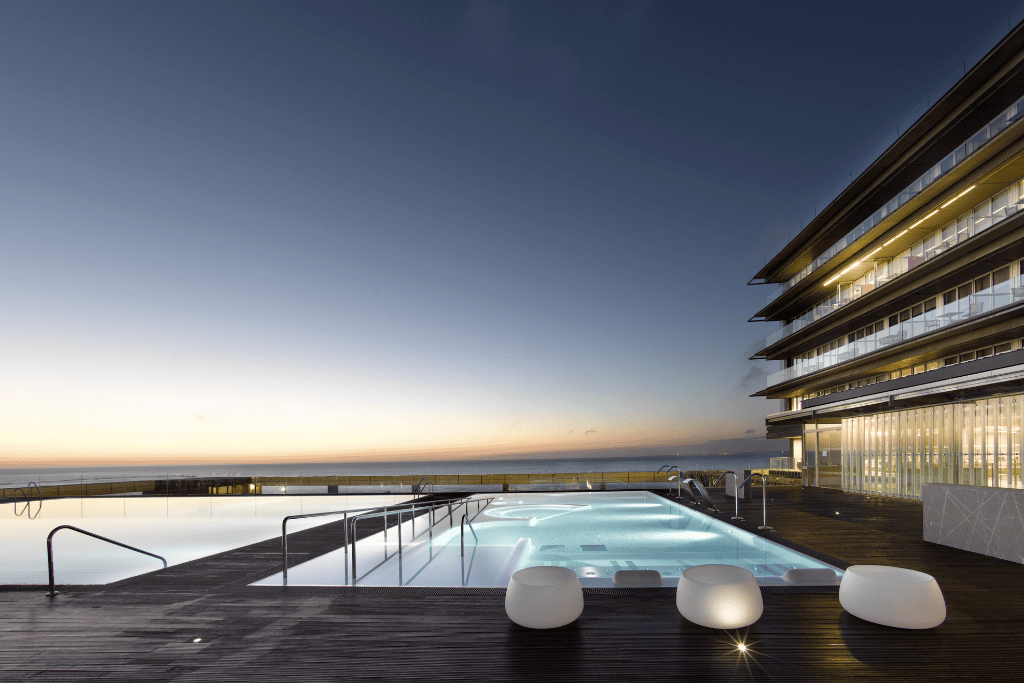
The Parador de Cádiz, next to La Caleta, allows you to experience that connection from one of the most unique spots in the city of Cádiz. One of the city’s most recognisable beaches stretches out in front of the building, whilst the historic centre is just a few minutes away.
n September, a dip in the sea is still part of the daily routine, but the temperatures allow you to spend more time exploring the city. The Cathedral, the Pópulo neighbourhood, the central market and a stroll along the Campo del Sur reveal different chapters of a history closely linked to the ocean.
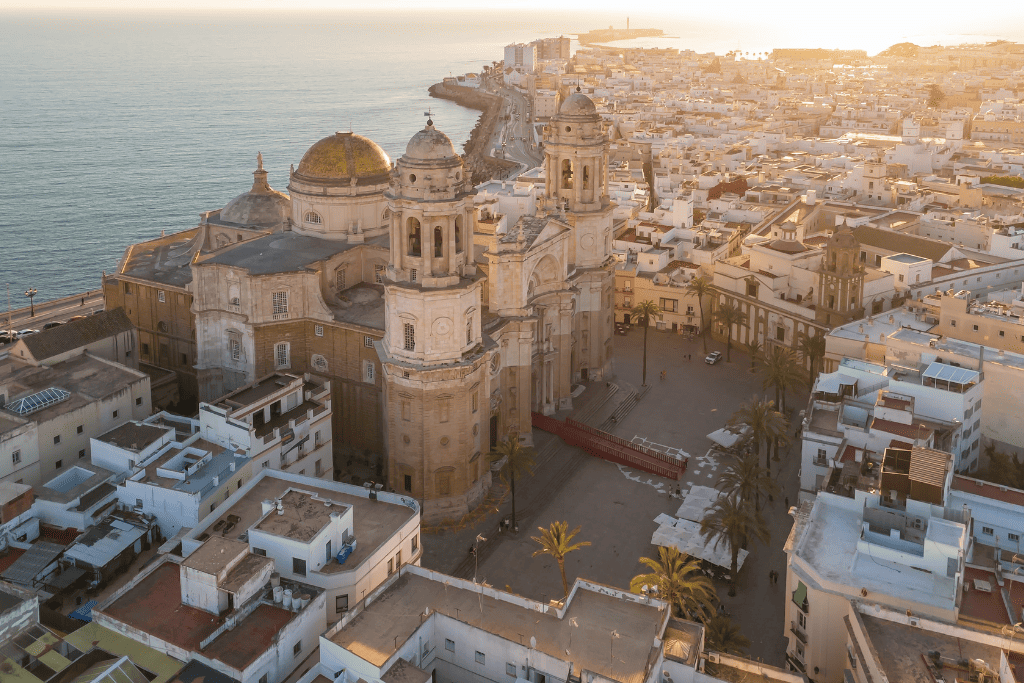
Cádiz’s location made its bay a key hub for navigation and trade with the Americas. The city was also home to the Casa de Contratación between 1717 and 1790, when trade with the American territories came to be centred on its port. This history explains much of its architecture and its openness to the Atlantic.
It also finds its way onto the table. Fish, seafood and the famous ‘pescaíto frito’ (fried fish) form part of a culinary tradition in which coastal produce takes centre stage. In Cádiz, the second summer has an Atlantic flavour.
The summer that changes the landscape
There are islands where the distance between the coast and the mountains is measured in just a few kilometres, yet the landscape changes completely – and La Gomera is one of them.
From the coast, the island rises through deep ravines until it reaches Garajonay National Park, home to one of the finest examples of laurel forest. This ecosystem, which has disappeared from much of the European mainland following past climatic changes, found favourable conditions for its survival in the Canary Islands. Garajonay has been a UNESCO World Heritage Site since 1986.
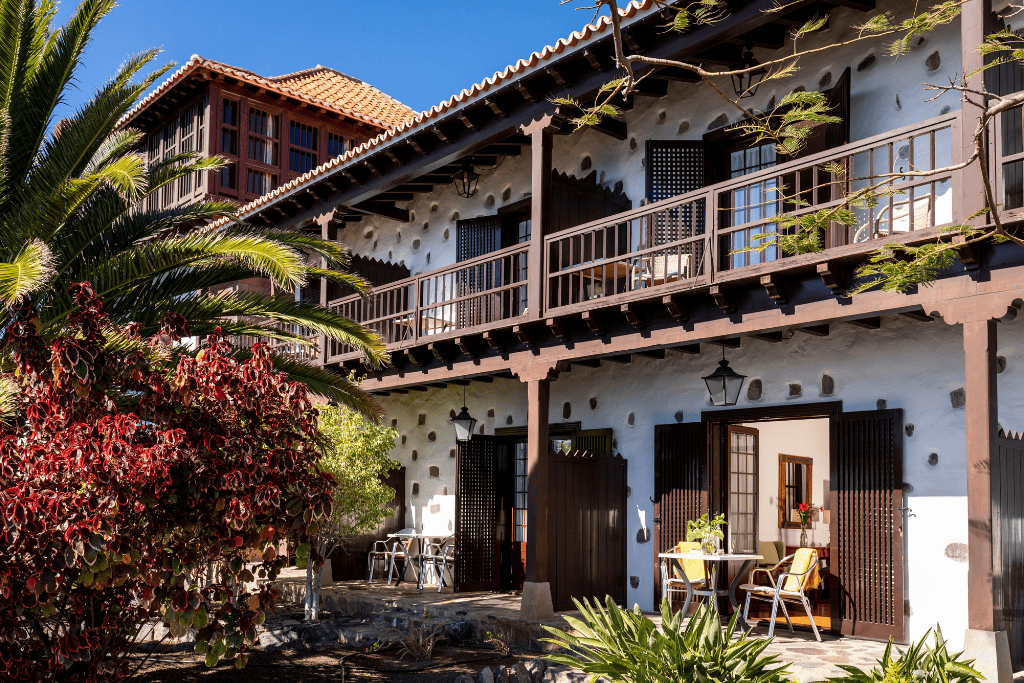
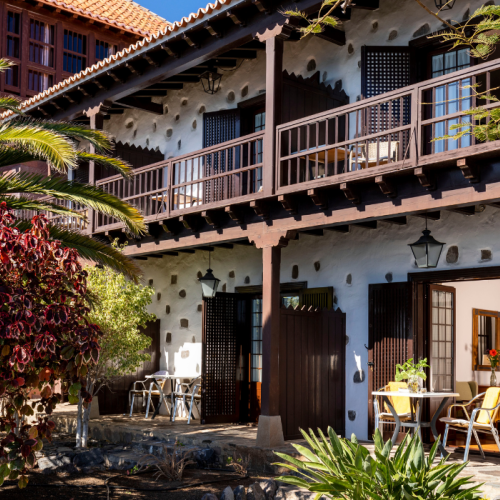
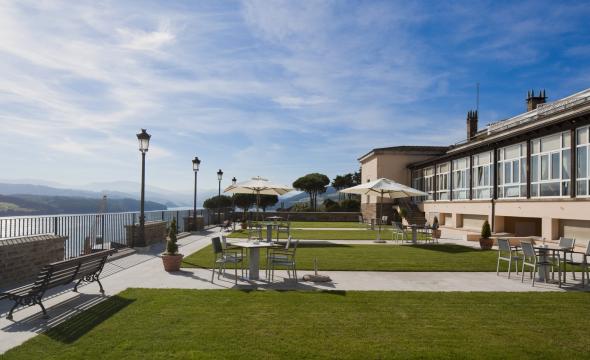
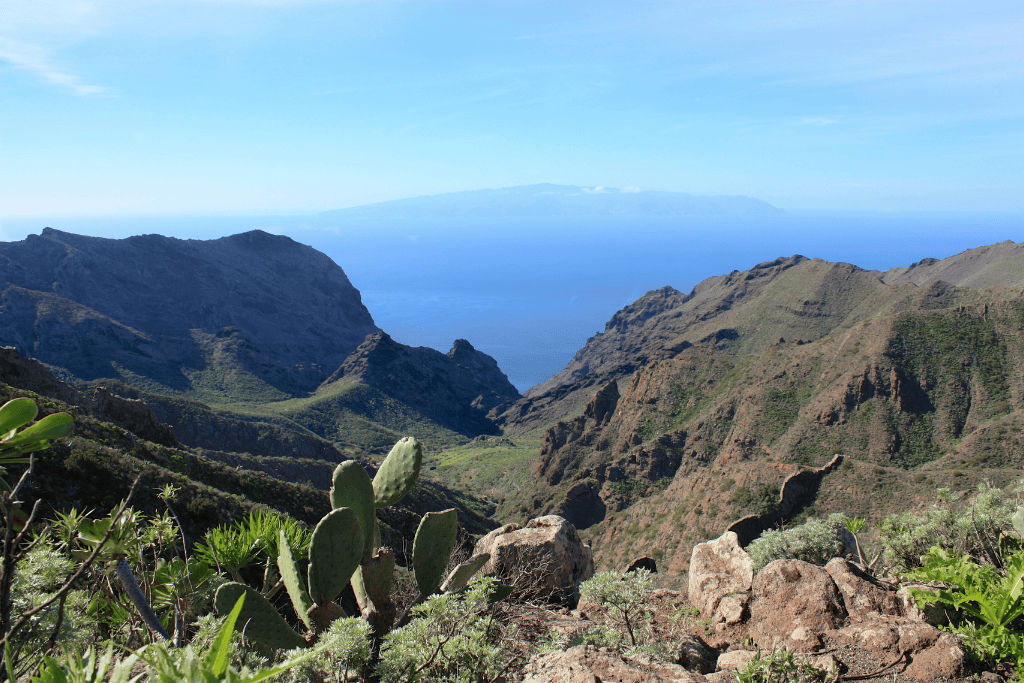
The Parador de La Gomera is situated on a hill near San Sebastián, with views of the Atlantic and Tenerife. Its location allows guests to admire, from their own rooms or the gardens, the silhouette of an island characterised by steep slopes, ravines and a coastline of volcanic origin.
From San Sebastián, the route into the interior of La Gomera begins. There, the trails of Garajonay National Park wind their way through trees covered in moss, ferns and vegetation adapted to the dampness of the mists. The landscape found inland bears little resemblance to that of the beaches and cliffs along the coast.
Back by the sea, the local cuisine brings the island’s flavours to the fore: almogrote, gofio and palm honey are just some of the products that form part of its culinary identity.
Stone, landscape and heritage
September also offers an opportunity to look inwards. As the heat subsides, historic towns come back into their own, making it easier to explore their heritage.
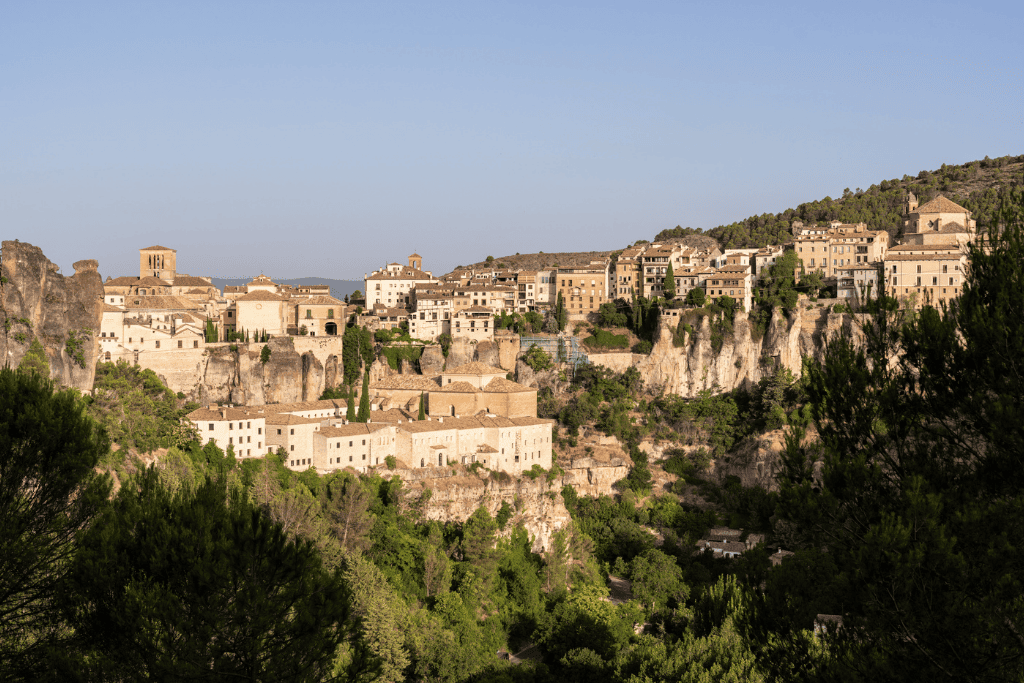
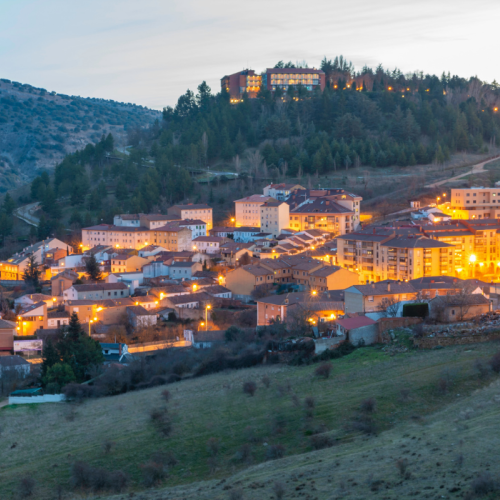
Cuenca is built on an unusual landscape; the gorges of the rivers Júcar and Huécar define the historic city and create the steep slopes on which much of its architecture stands.
The Hanging Houses, the Cathedral, the churches and the former convents form part of a site declared a UNESCO World Heritage Site in 1996. This distinction specifically recognises the relationship between the medieval city and the landscape in which it was built.
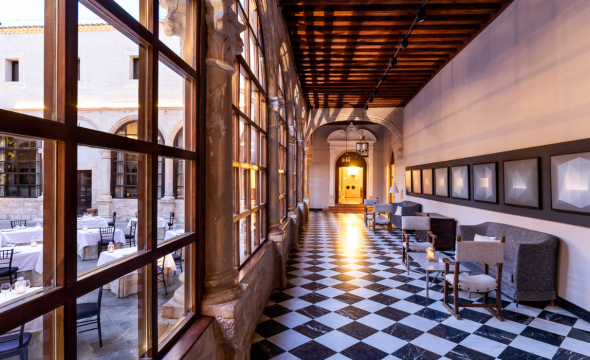
One of the best vantage points from which to admire this union is the Parador de Cuenca, housed in the former Convent of San Pablo, a 16th-century building situated opposite the Hanging Houses and connected to the historic centre via the San Pablo Bridge.
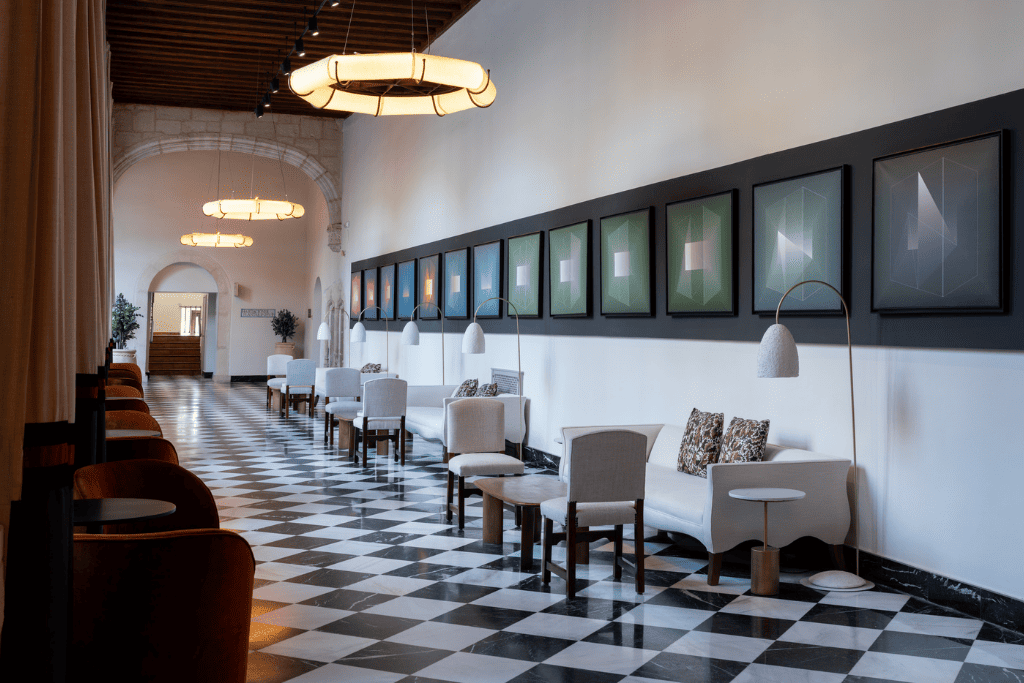
From there, your visit can continue through the city’s streets to its main monuments, but also towards the gorges, where the perspective changes and Cuenca appears to blend into the surrounding landscape.
The local cuisine rounds off the tour with dishes such as morteruelo, ajoarriero, gazpacho pastor and alajú – all linked to the culinary traditions of the Serranía.
When the ocean is the landscape
At the western tip of Galicia, the ocean is not merely part of the landscape. It has shaped the history, the economy and even the name of the region.
The Costa da Morte features headlands, cliffs, wide-open beaches and lighthouses built to mark one of the most challenging stretches of Atlantic shipping lanes.
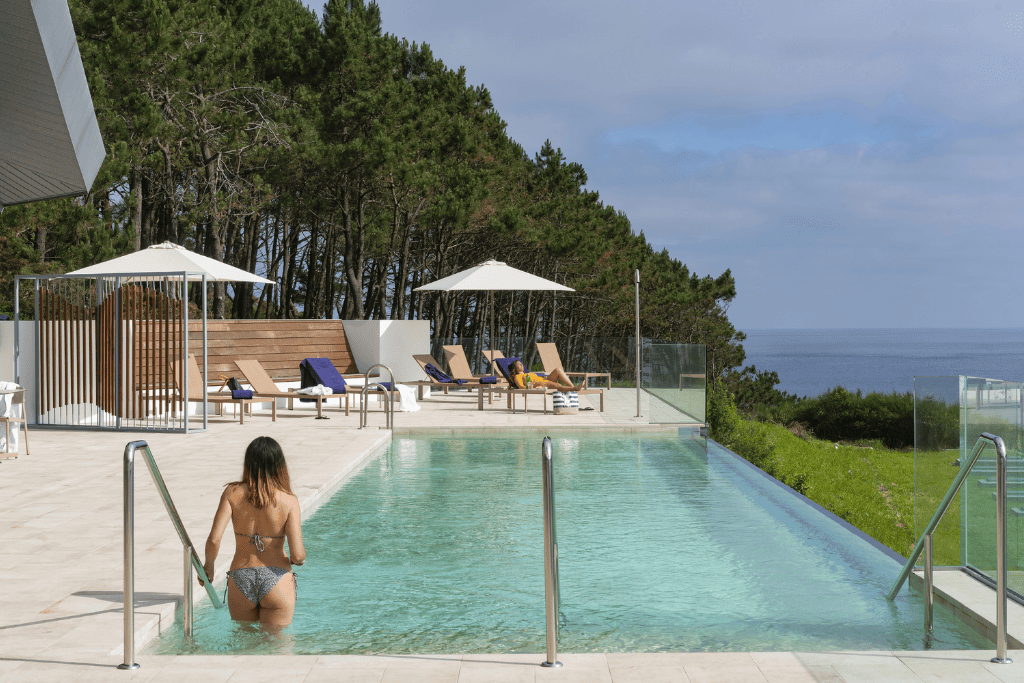
The Parador Costa da Morte is situated in Lourido, in the municipality of Muxía, on a hill next to the beach of the same name. From its elevated position, the Atlantic occupies much of the horizon and the coastal landscape becomes part of the experience itself.
From here, the road leads to some of the most iconic spots on the Costa da Morte. Cape Vilán, with its lighthouse perched on a rocky promontory, and Fisterra, the ancient Finis Terrae, are two of the coast’s major landmarks. It is also well worth visiting the Sanctuary of the Virgen da Barca in Muxía, very close to the Parador.
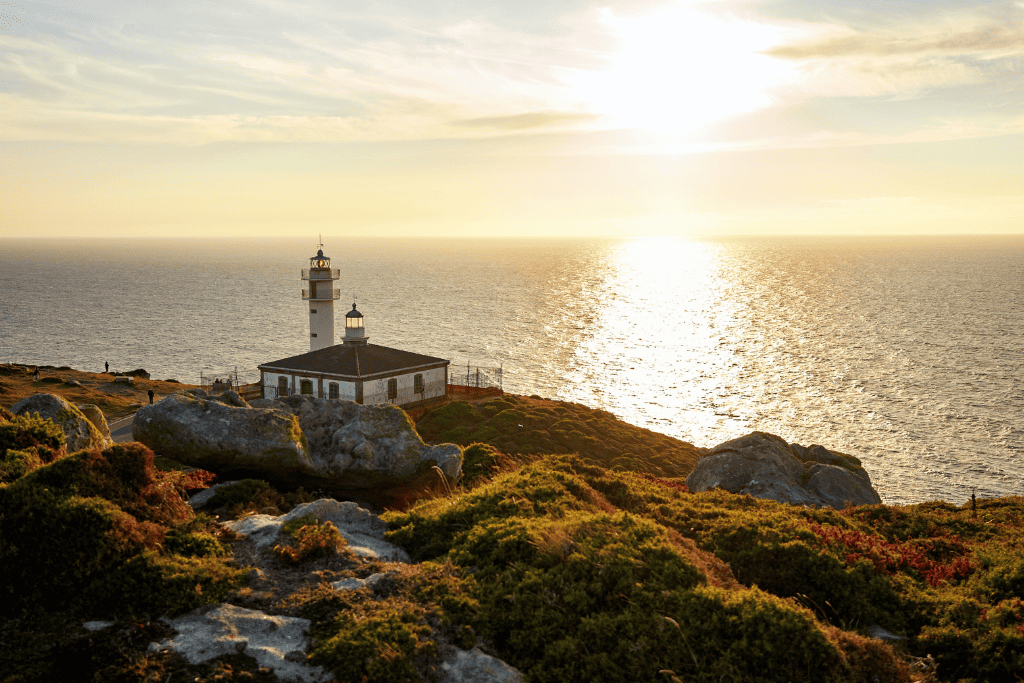
September is the perfect time to explore this coastal landscape and discover some of its other highlights, such as the small harbours, beaches, lighthouses and fishing villages that have close ties to the Atlantic.
From the Parador itself, the sea once again stretches as far as the eye can see.
The Mediterranean that holds onto summer
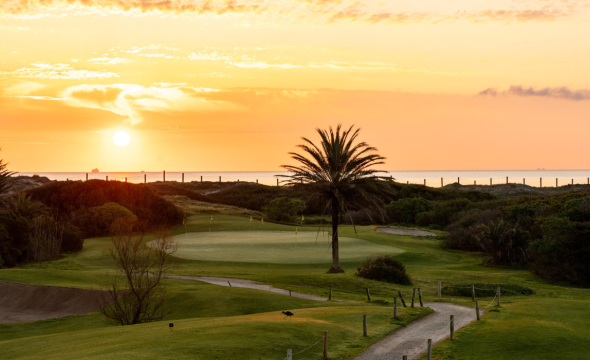
On the Costa Brava, September offers one of the great advantages of travelling after August: the Mediterranean remains pleasantly warm, whilst the coastline begins to feel less crowded.
The coves with their crystal-clear waters, the pine forests and the coastal paths form a landscape that can be explored by following the coastline. The sea remains the star of the show, but the area also invites you to discover what lies beyond the beaches.
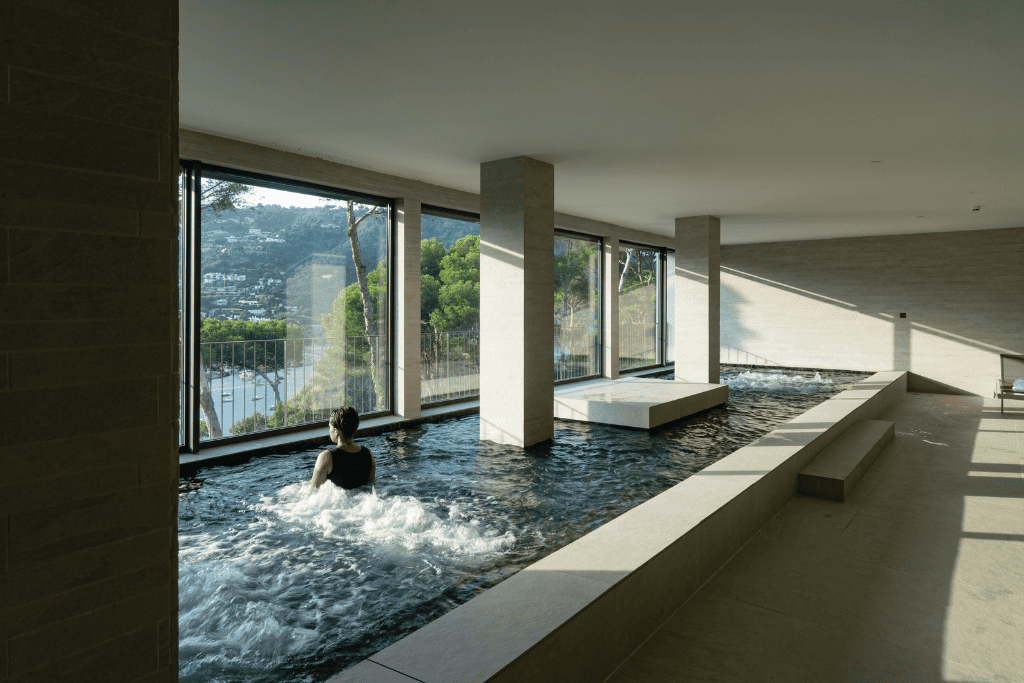
The Parador de Aiguablava occupies a privileged position on a cliff, surrounded by Mediterranean vegetation and with unobstructed views of the sea.
From here, the coastal paths lead to some of the most characteristic coves along this stretch of the Costa Brava. Further inland lies Begur, with the ruins of its castle and the ‘Indianos’ houses, which serve as a reminder of the prosperity the town enjoyed thanks to those who emigrated to America and later returned.
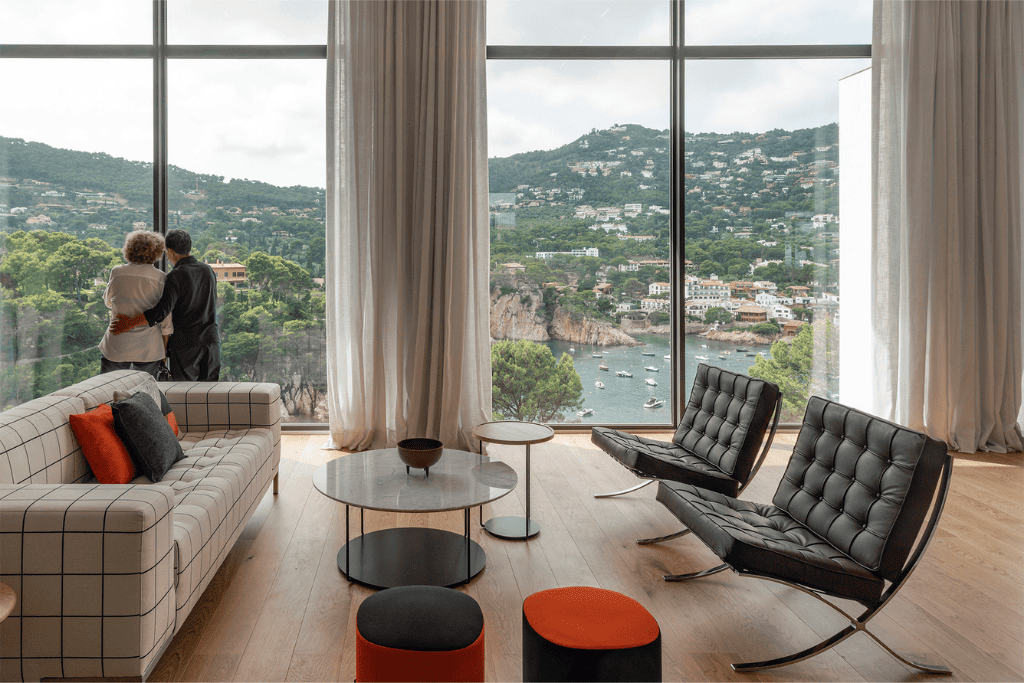
The landscape extends towards the Empordà, where the relationship between the sea and the land is also reflected in the local cuisine. Fish and seafood from the coast are combined with agricultural produce and traditional dishes from a region situated between the Mediterranean and the inland areas of Girona.
Aiguablava proves that extending the summer doesn’t mean staying solely by the water.
Five destinations, five ways to travel in September. Because summer doesn’t necessarily end when August is over.