Travelling is no longer just about discovering new destinations, but about doing so with awareness and intention. Sustainability and ecotourism have become a priority for those seeking experiences that respect and value the environment. More and more travellers are choosing routes that allow them to connect with nature and contribute to its conservation, with a particular focus on protected areas and landscapes of great ecological richness.
In this context, northern Spain emerges as an outstanding natural haven. Asturias and Cantabria are home to some of the country’s most spectacular sites, from imposing mountain ranges to lush forests and glacial valleys. These are places where biodiversity takes centre stage, and where every trail invites you to experience the landscape in its purest form.
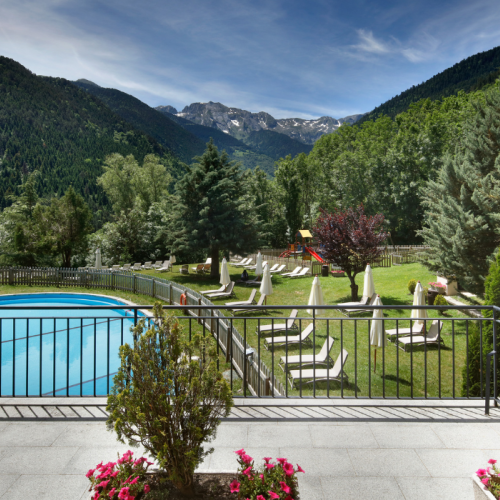
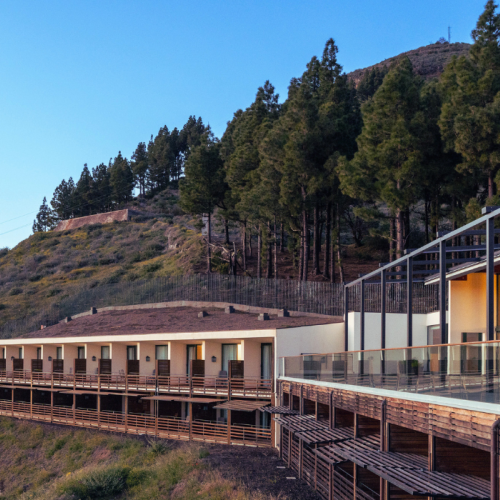
Paradores embraces this way of travelling by integrating its accommodation into areas of high natural value, always respecting and harmonising with the surrounding landscape. Its establishments, located in privileged settings or near protected areas, are committed to responsible practices: efficient resource management, the promotion of local products, waste reduction and the encouragement of more sustainable mobility. Furthermore, they foster experiences that connect travellers with the culture, traditions and crafts of each region, as is the case with the Nature for the Senses programme, now available at a wide range of properties across the network.
This green route through the north offers precisely that: a journey where the beauty of the surroundings is combined with a relaxing stay in Paradores that care as much for their guests as they do for the environment. It is an invitation to discover unique landscapes, to appreciate them and to contribute to their conservation so that future generations can continue to enjoy them.
First stop: Somiedo Natural Park
The route begins in Somiedo Natural Park, in Asturias, a region of outstanding ecological value renowned for its glacial lakes and rugged mountain landscapes. This protected area is home to one of Spain’s largest populations of the Cantabrian brown bear, making it a prime destination for wildlife observation in the wild. Its extensive network of hiking trails invites visitors to explore striking scenery and take in unforgettable panoramic views.
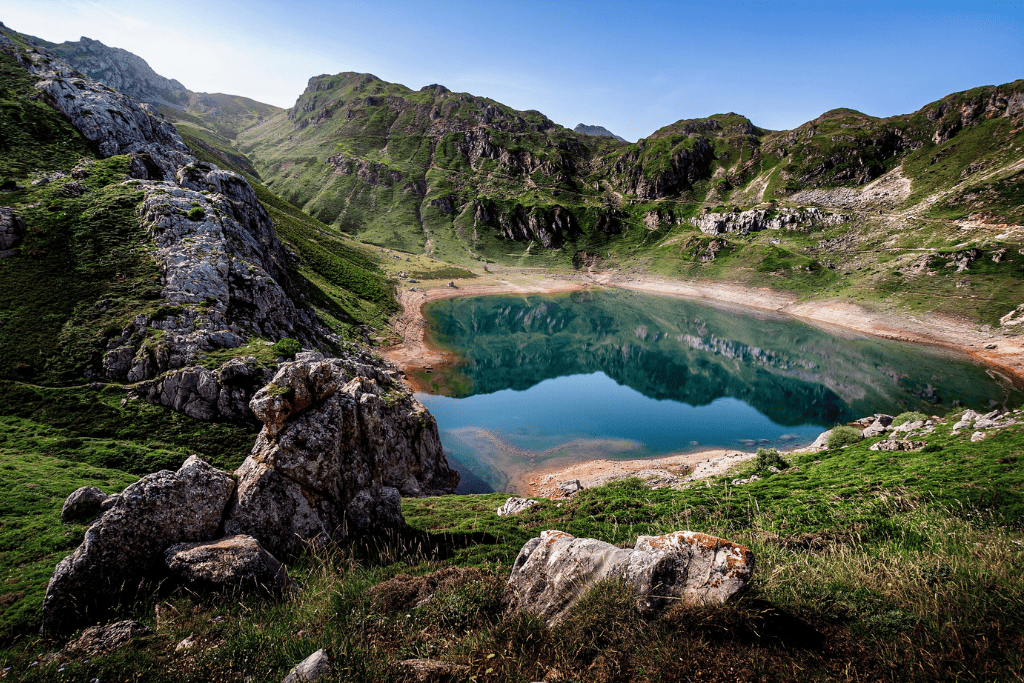
Somiedo, designated a Natural Park in 1988 and a UNESCO Biosphere Reserve in 2000, is also a testament to its inhabitants’ commitment to conservation. Villages such as Villar de Vildas and Santa María del Puerto have been recognised for preserving both their environment and their traditions. Among the most highly recommended routes is the Valle del Lago trail, an accessible path that winds through landscapes of remarkable natural beauty.
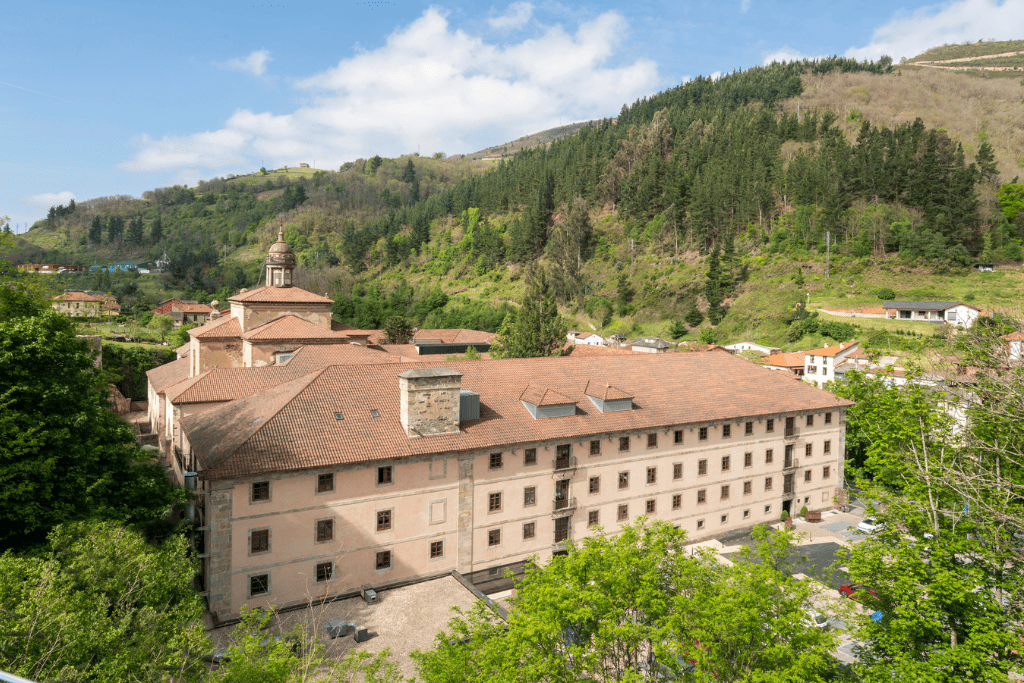
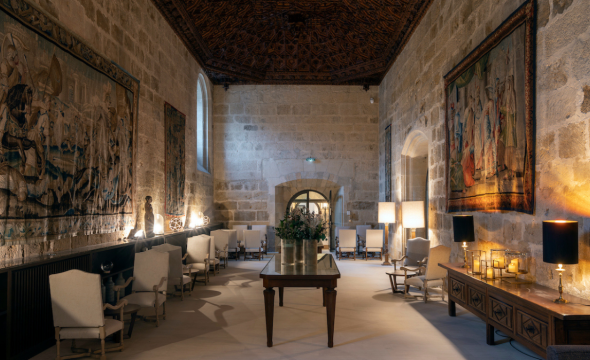
After a day spent in the heart of nature, a well-earned rest awaits at the Parador de Corias, located just over an hour away. This impressive 11th-century Benedictine monastery, set beside the River Narcea, combines history, architecture and comfort. Inside, visitors can discover original features such as the remains of the original church, ancient monastic doors and a spectacular library housing thousands of volumes. All this is complemented by excellent local cuisine, with traditional dishes that offer welcome comfort after a day of exploration.
Second stop: Redes Natural Park
The route continues to the Redes Natural Park, another of Asturias’ great green lungs. This area stands out for its vast forests and extraordinary biodiversity, home to iconic species such as the Cantabrian brown bear, the Iberian wolf and the Western capercaillie. It is an ideal destination for those seeking to immerse themselves in nature and explore trails that wind through unspoilt landscapes.
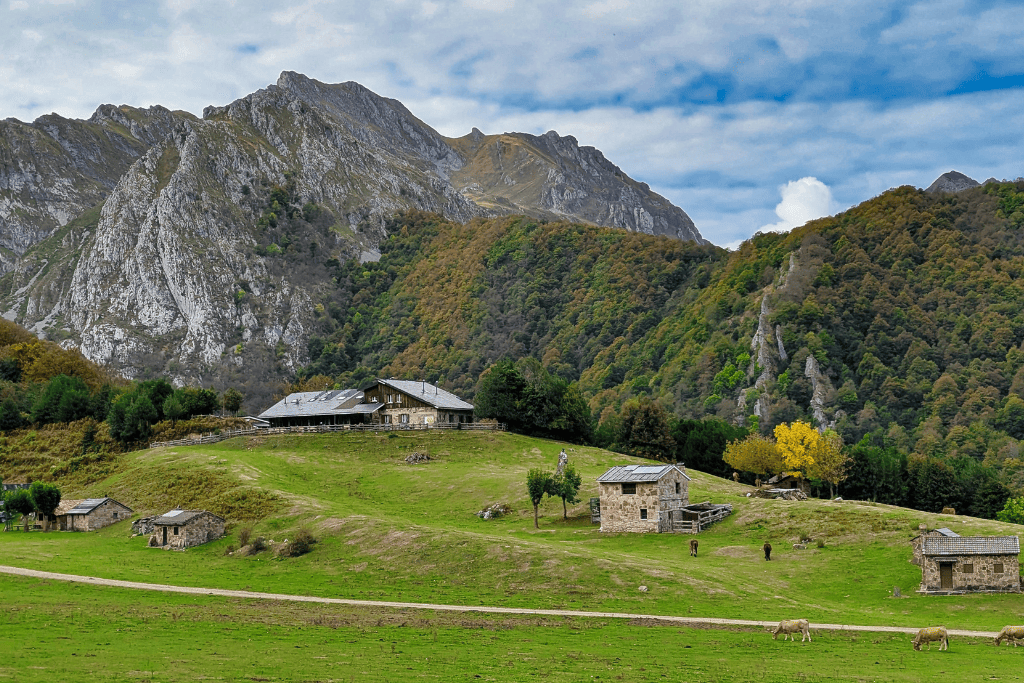
Among its many itineraries, the route to Puerto de Tarna allows visitors to discover the source of the River Nalón, set within a landscape of striking beauty, with the Remelende Peak rising in the background.
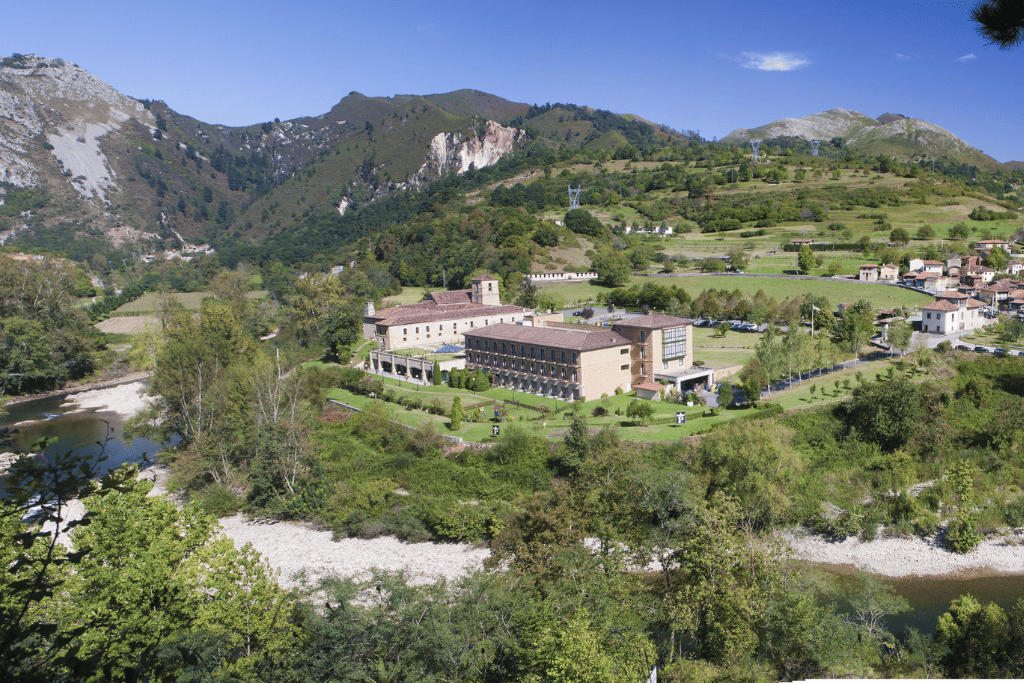
Nearby, the Parador de Cangas de Onís offers the perfect place to unwind. Located in the former Monastery of San Pedro de Villanueva, on the banks of the Sella River, this accommodation brings together history and nature in a truly privileged setting. Furthermore, its commitment to sustainable tourism is reflected in initiatives such as biodiversity conservation areas, cycling tourism options and experiences designed to connect visitors with the local culture: from interpretive trails to workshops and tastings of traditional products.
Third stop: Picos de Europa and the Cares Route
From Cangas de Onís, the impressive Picos de Europa National Park, is easily accessible, offering one of the most spectacular mountain landscapes in Europe. This limestone massif, designated a UNESCO Biosphere Reserve, captivates visitors with its dramatic slopes, deep gorges and an extensive network of trails that reveal its untamed beauty.
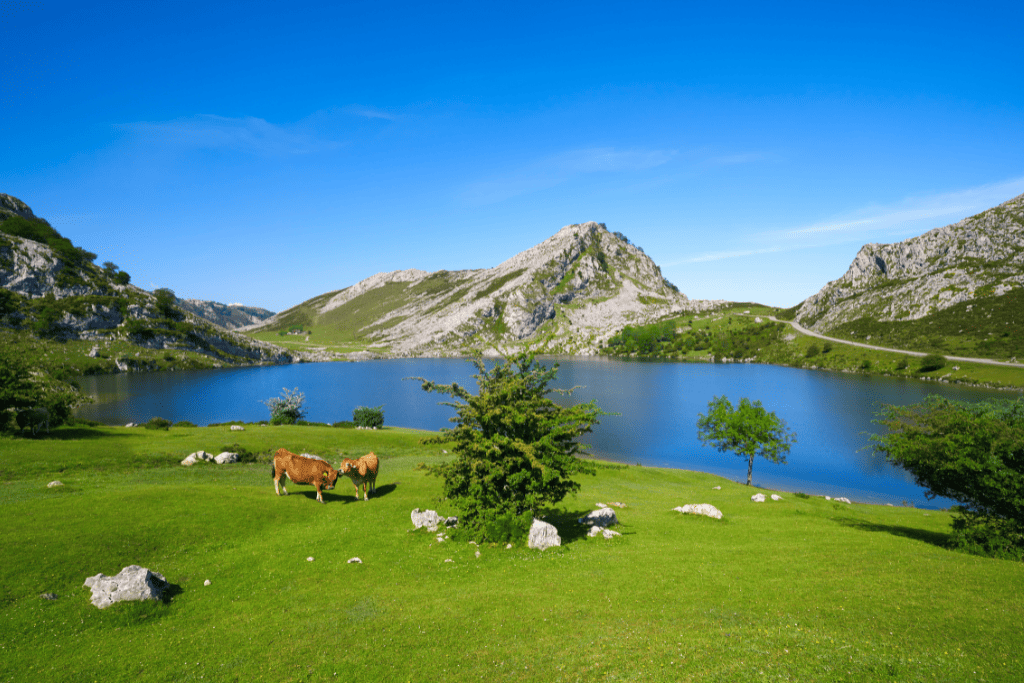
Among these, the Cares Route stands out, known as the “Divine Gorge”, an iconic trail that winds its way between sheer cliffs and offers truly unforgettable views. It is a perfect example of how tourism can be enjoyed responsibly, in harmony with environmental conservation.
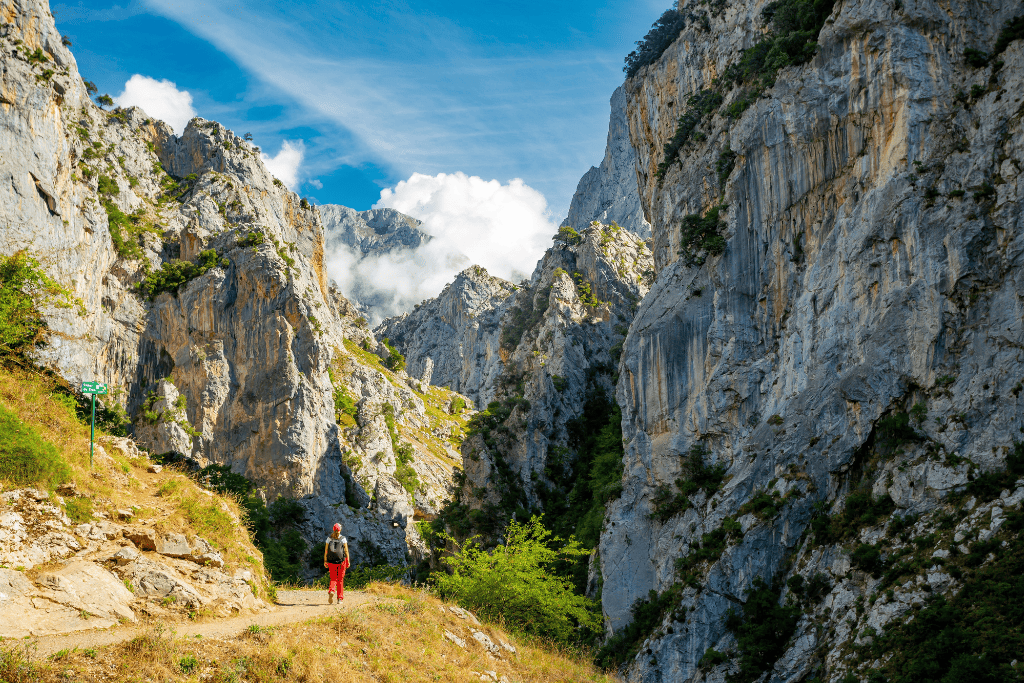
After the excursion, returning to the Parador de Cangas de Onís becomes a moment of rest and culinary pleasure, with traditional dishes such as fabada, fresh fish and regional desserts, all perfectly complemented by Asturian cider.
Fourth stop: Fuente Dé
The final stage takes us to Cantabria, specifically to Fuente Dé, right in the heart of the Picos de Europa National Park. Here, the cable car provides a swift ascent to the upper reaches, offering a unique experience with spectacular views of the mountain range. From the top station, numerous routes begin, leading through landscapes of striking beauty that are particularly captivating in both summer and winter.
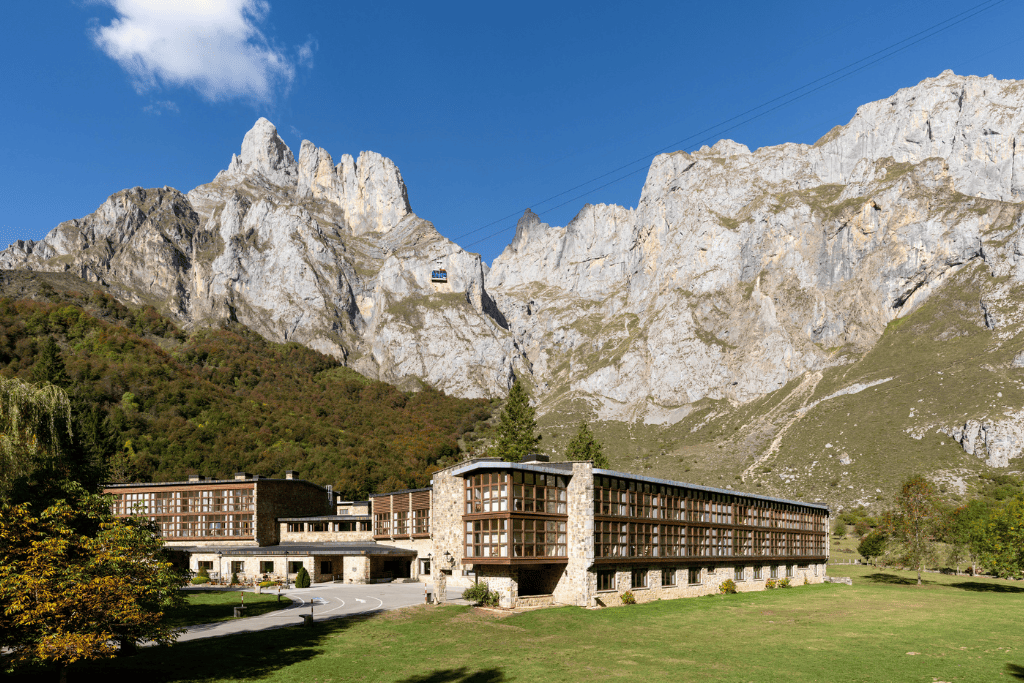
At the foot of this stunning setting lies the Parador de Fuente Dé, an ideal retreat after a day of adventure. Its cosy rooms and idyllic surroundings invite guests to unwind, while its culinary offerings provide the opportunity to discover local flavours such as the traditional Lebaniego stew.
The experience can be rounded off with nearby walks or visits to charming villages such as Mogrovejo or Potes, where history and tradition remain very much alive.