In a country as diverse as Spain, the major tourist destinations tend to steal the limelight. But there is another kind of trip, more intimate, more authentic, which takes you away from the noise and to places that surprise you with their beauty, history and tranquillity. This summer, we invite you to discover hidden gems from the comfort and unique character of the Paradores. Places where accommodation is not just a place to rest, but the start of a different experience.
From the fortress of Lorca in the Region of Murcia to the heart of La Mancha, passing through the rural elegance of Castile, these Paradores invite you to explore the unexpected. Because sometimes, the best part of the trip is where you least expect it.
Fortress, archaeology and the inland Mediterranean
Lorca is a city that surprises with its monumental character and diverse landscape. Located in the south-west of the Murcia Region, its extensive municipal area, the second largest in Spain, stretches from the highlands of the north to the unspoilt coast of Calnegre, passing through the fertile Guadalentín valley. This range of settings makes Lorca a destination that has it all: history, nature, culture and tranquillity.
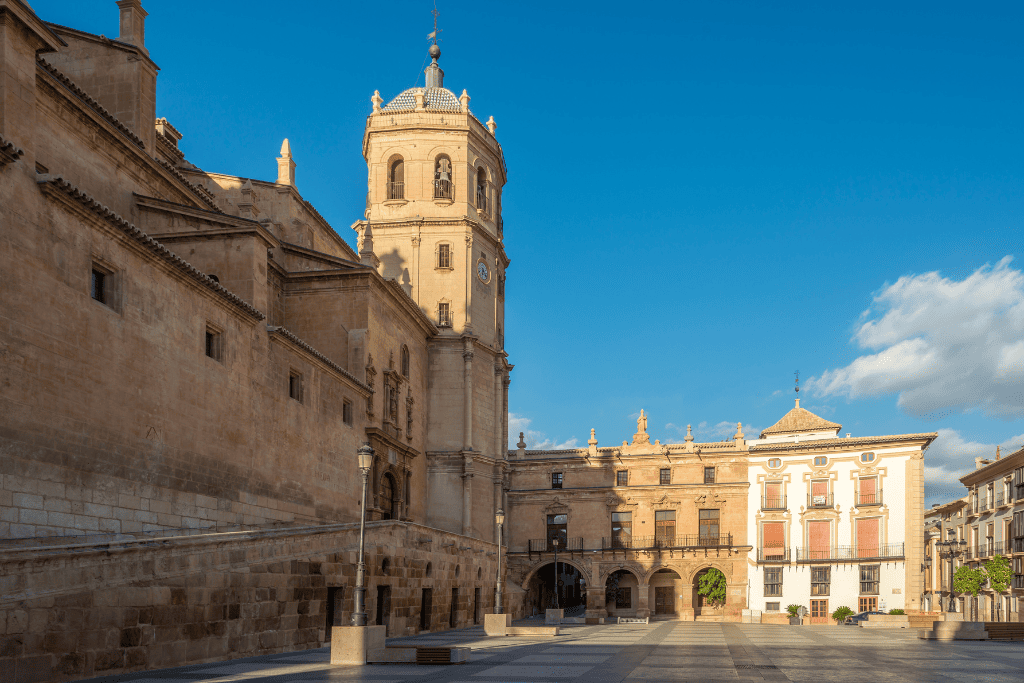
Strolling through the town centre is like stepping back in time. The town was declared a Historic-Artistic Site in 1964, and it's easy to see why. The Plaza de España is home to some of its most emblematic buildings, such as the old Collegiate Church of San Patricio and the Town Hall. Nearby, in the Plaza del Caño, are the Casa del Corregidor and the Pósito, examples of the architectural splendour that can be found in every corner. Churches, convents, Baroque and Renaissance palaces line the streets, many of them converted into museums that keep the memory of the city alive.
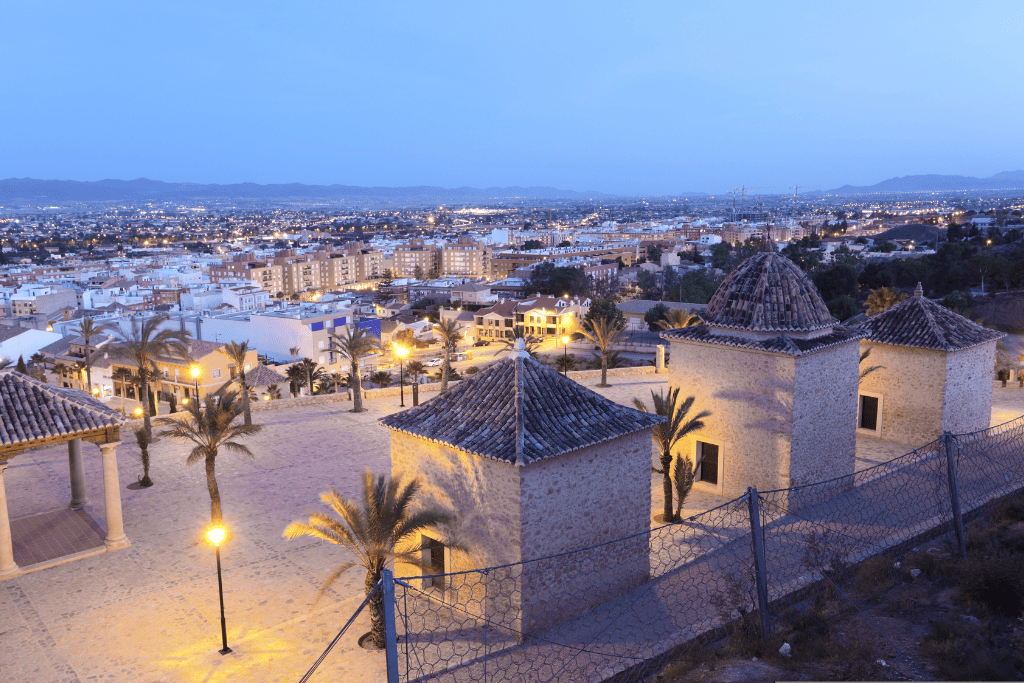
The cultural offering is completed with landmarks such as the Archaeological Museum (MUAL), the Guevara Palace, the Huerto Ruano, the Craft Centre and the Visitor Centre located in the former Convent of La Merced. In addition, guided tours are organised throughout the year, which take you around the medieval walls, the Three Squares and the most representative buildings in the historic centre.
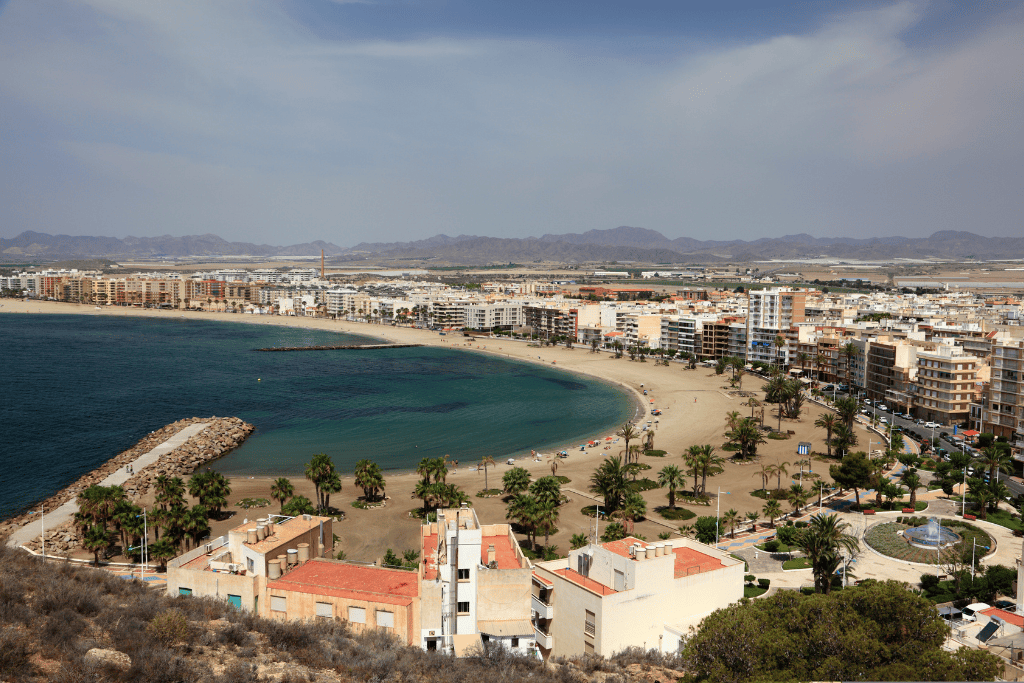
For lovers of the outdoors, Lorca offers, trails through the Sierra de Almenara, and the Sierra Espuña Regional Park, ideal for connecting with nature. And if you're looking for the sea, just head to Águilas, a nearby coastal town that than 30 beaches and coves. From the family-friendly Playa de las Delicias to the hidden Cala de la Herradura, via the eco-friendly Playa de la Carolina, each of them has its own charm. Some have all the amenities, while others remain almost untouched, but they all share the same calm, crystal-clear Mediterranean Sea that invites you to relax.
Festivals also play a leading role in Lorca life. In September, the fair in honour of the Virgen de las Huertas, patron saint of the city, is held, while in November the Fiestas de San Clemente recreate medieval history with parades of Christian troops, Muslim kábilas and Jewish aljamas, an event declared of Regional Tourist Interest.
The Parador
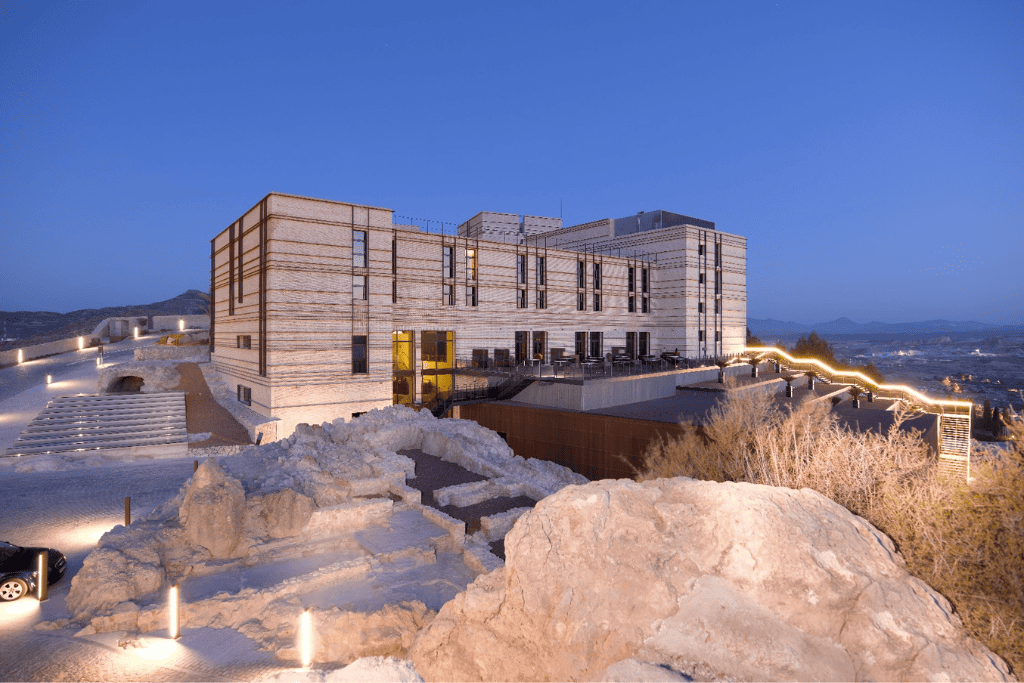
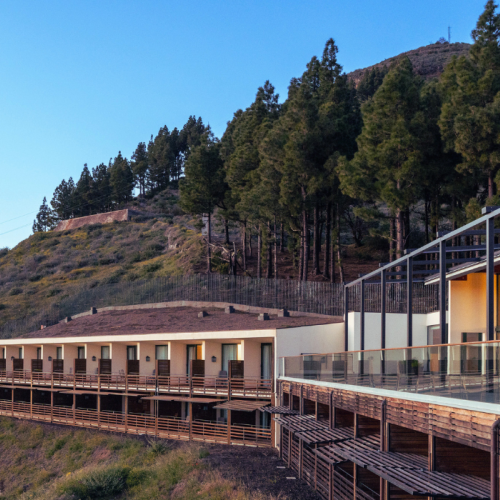
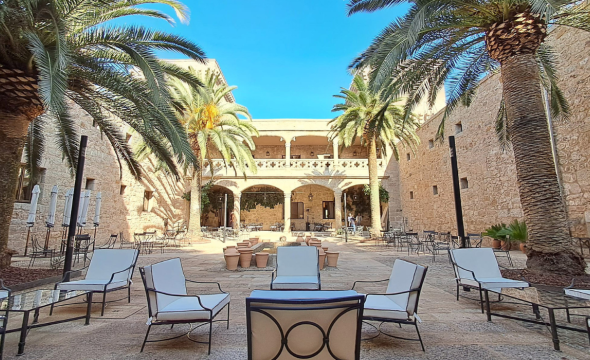
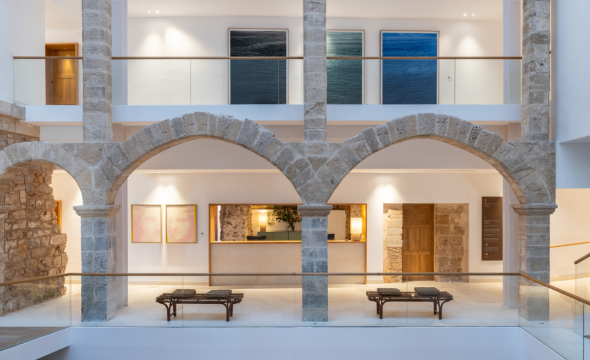
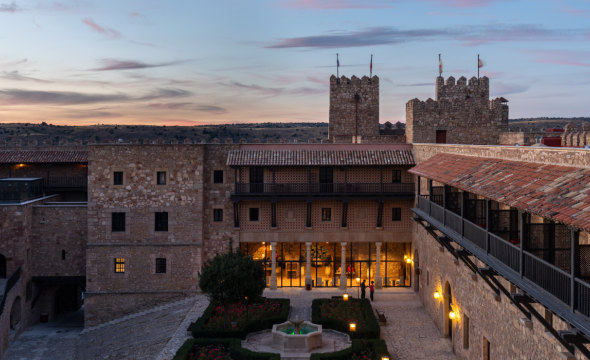
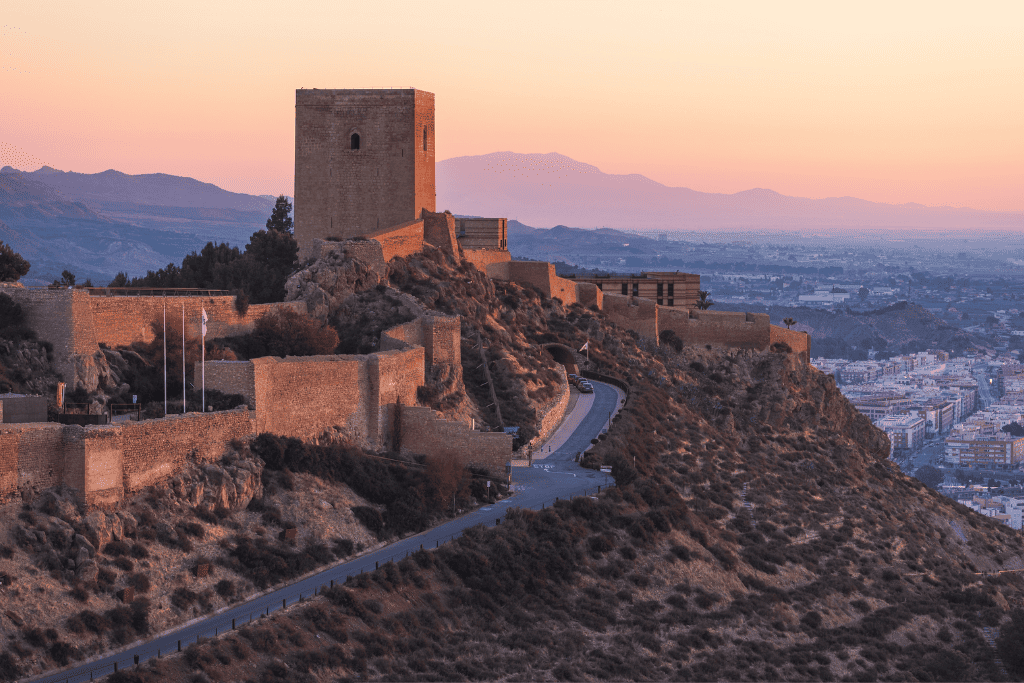
Amidst all this heritage stands the Parador de Lorca, a jewel that combines history and modernity. Located in the castle grounds, within the Fortaleza del Sol, the Parador blends elegantly into a unique archaeological setting. Before its construction, the remains of a 15th-century synagogue, an Islamic cistern and part of the Almohad wall were discovered, which can now be visited accompanied by guides on daytime, evening or even night-time tours.
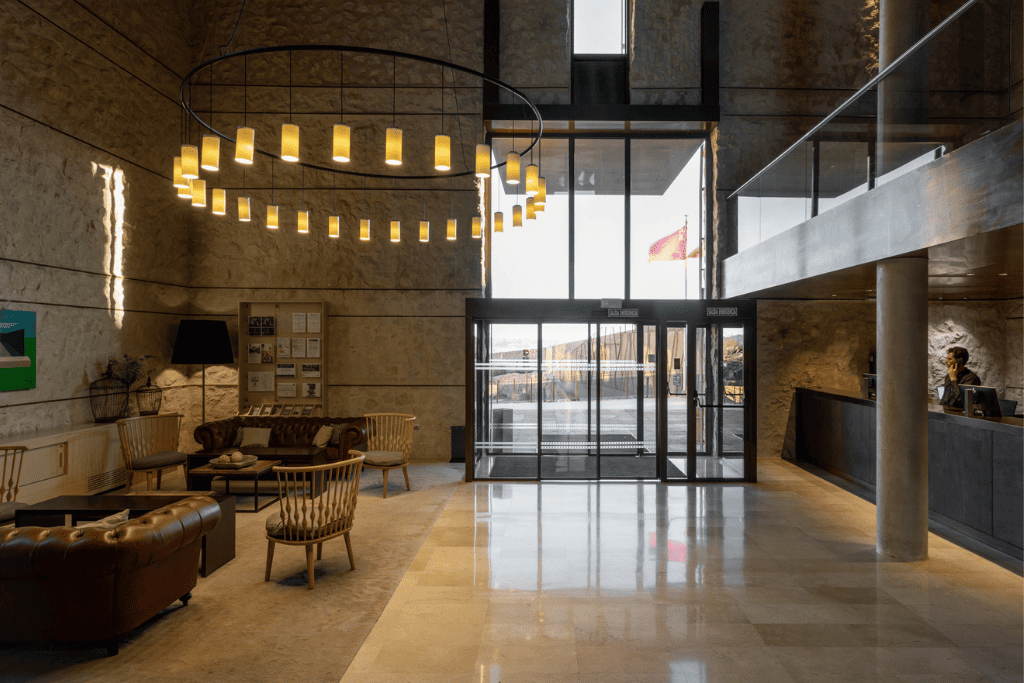
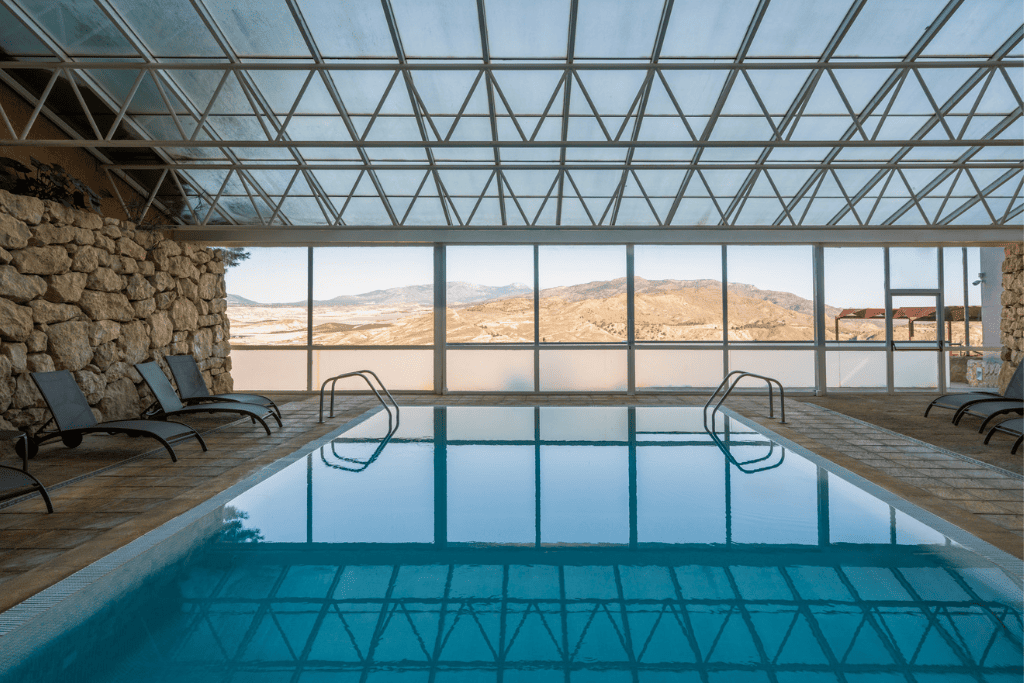
The Parador offers an accommodation experience that goes beyond rest and relaxation. Its spa and indoor pool invite you to unwind after a busy day of sightseeing. But what really makes it special is its ability to connect visitors with the essence of Lorca: a city that reveals itself little by little, in every stone, every piece of embroidery, every view of the horizon.
Castilian nobility and the landscapes of Arlanza
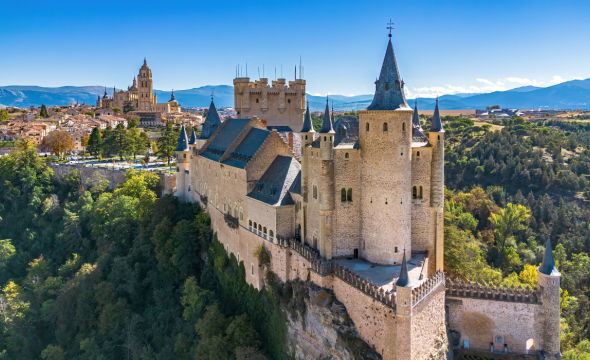
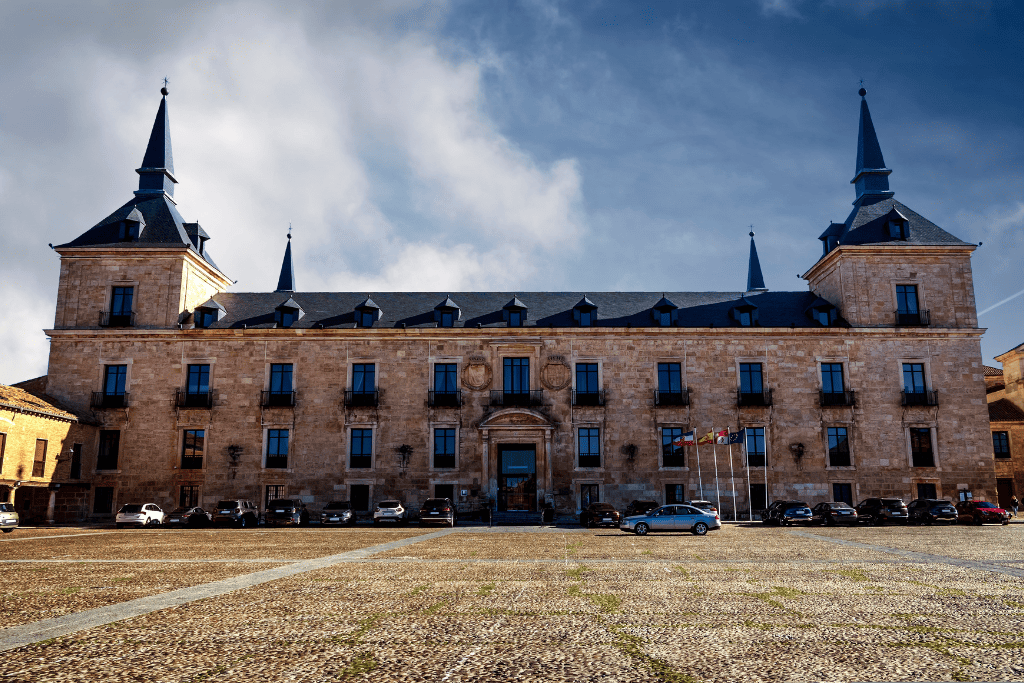
Lerma is one of those places that seems to have been designed to stop time. Perched atop a hill in the heart of Castile, this village in the province of Burgos overlooks the fertile valley of the Arlanza River with the elegance of a witness to centuries of history. Its profile, dominated by the imposing Ducal Palace, now converted into the Parador de Lerma, is testament to the courtly splendour of the 17th century, when the Duke of Lerma made this town the epicentre of power and Herrerian architecture.
Walking through Lerma is like stepping into a setting where the stone tells stories. Its plaza Mayor, one of the largest squares in Spain, retains the solemn air of the great courtly festivals, while the Monastery of the Ascension of Our Lord, with its works by the Carducho family and its convent pastries, adds a touch of sweetness to the tour. From the Mirador de los Arcos viewpoint, the panoramic view of the Arlanza valley unfolds like a living painting, and in the Plaza de Santa Clara lie the remains of the famous priest Merino, scourge of Napoleon, whose legend still.
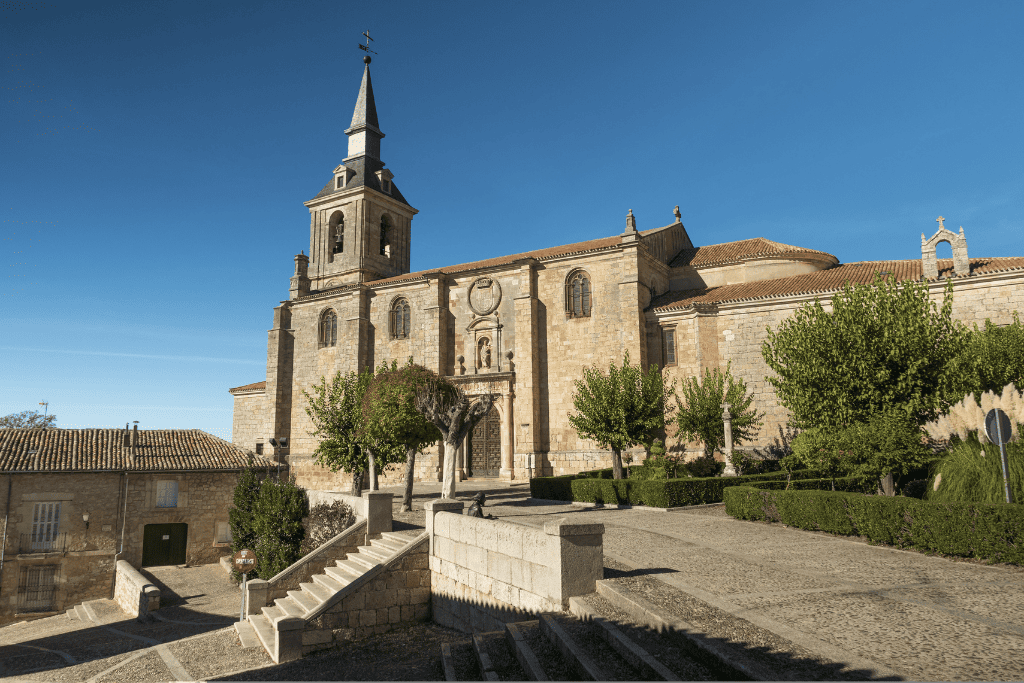
The Collegiate Church of San Pedro houses treasures such as the original altarpiece, the choir stalls by Juan Gómez de Mora and the organs by Diego Quijano, while the Duke's passageway, which allowed the king to move around without stepping onto the street, adds a touch of mystery to the visit. The monasteries and convents that dot the town, such as Santa Teresa, Santo Domingo, San Blas and Madre de Dios, preserve the sobriety and character of a time when Lerma was a symbol of power and spirituality. And if you let yourself be carried away by the streets of the medieval centre, such as La Paloma or Zorrilla, you will discover vestiges of walls, bridges and shrines that still whisper of the past.
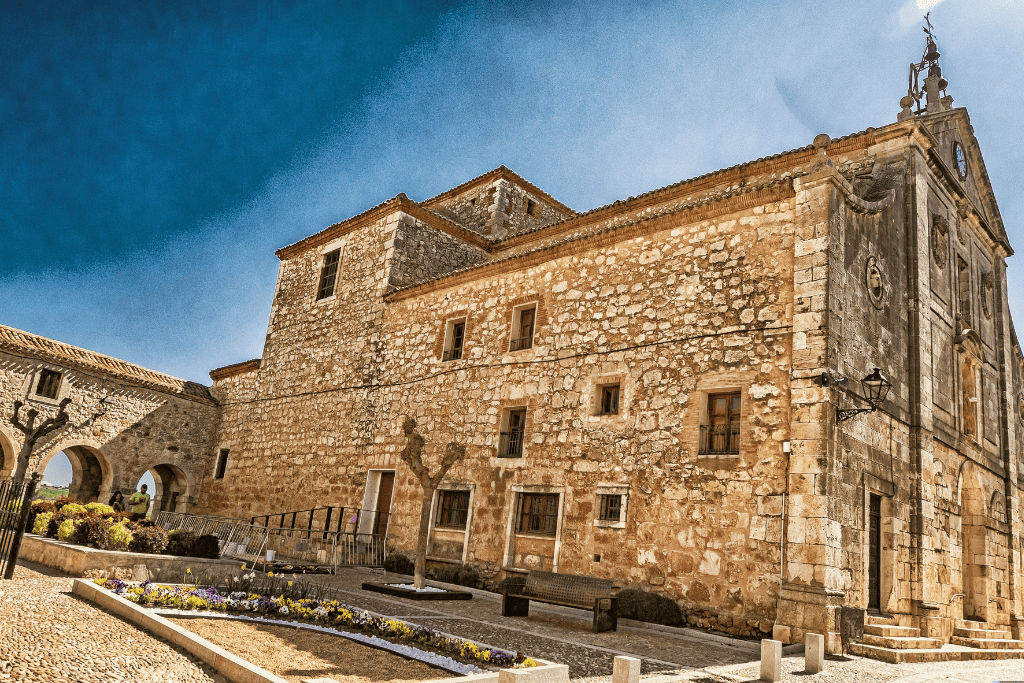
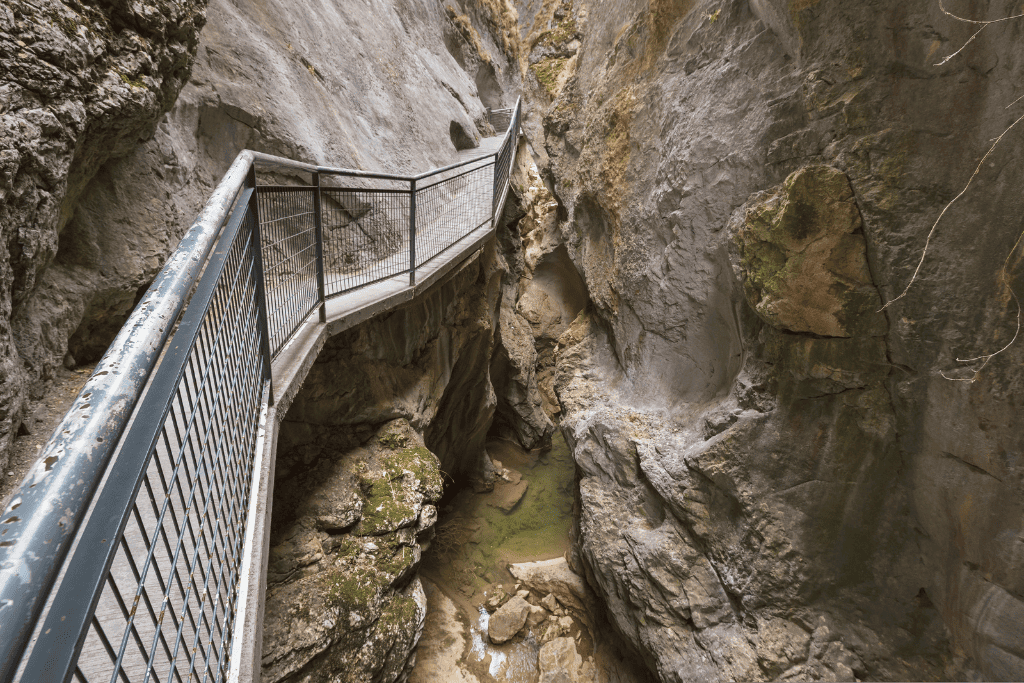
But Lerma is not just history. It is also landscape, wine and flavour. The Arlanza Wine Route invites you to discover family-run wineries where wine is made with care and character. Guided tastings among vineyards and barrels are an experience that connects you with the land. And for nature lovers, the La Yecla Gorge offers a route between vertical walls and suspended walkways, ideal for feeling the power of the environment without difficulty.
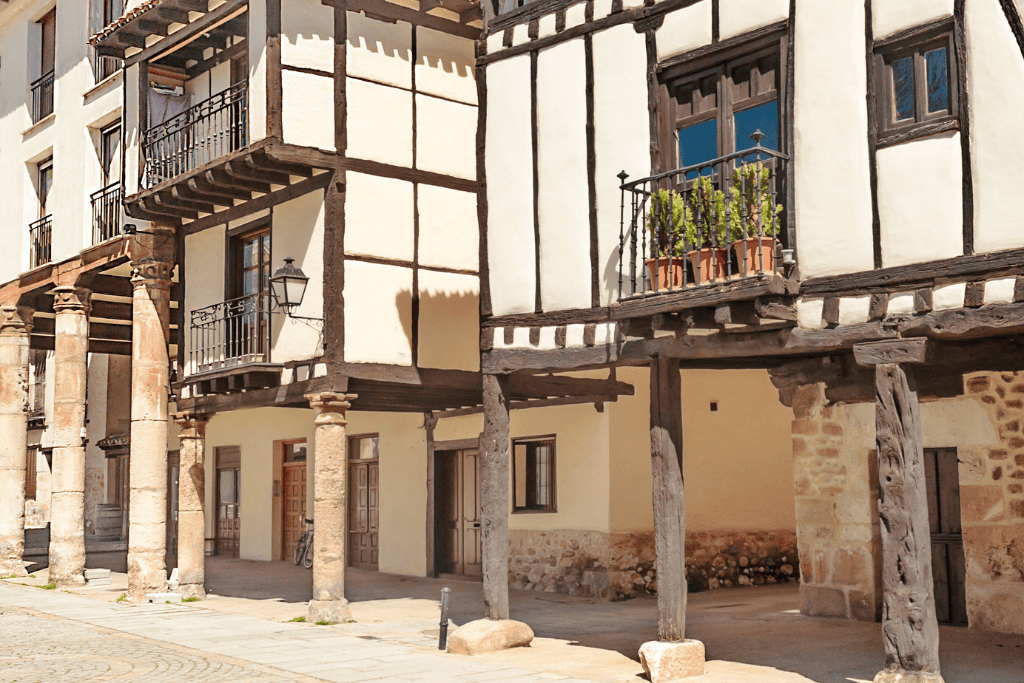
The getaway is rounded off with visits to nearby places that enrich the experience. In Santo Domingo de Silos, the monastery and its Romanesque cloister are a jewel of European art, and the Gregorian chants of the monks envelop visitors in a unique atmosphere. Covarrubias, on the banks of the Arlanza, is one of the most beautiful villages in Spain, with medieval towers, charming squares and architecture that enchants at every turn.
At the end of the day, when the sun sets behind the rooftops of Lerma and the air smells of wood and tradition, there is nothing like sitting down at the table at the Parador de Lerma and enjoying roast lamb, craft sausages and local produce.
El Parador
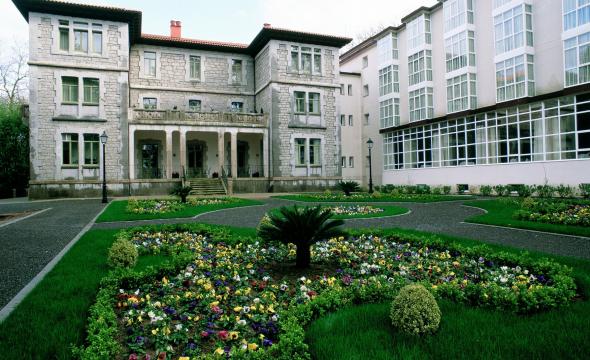
The Parador de Lerma can be seen from several kilometres away, standing out for its majesty. The Ducal Palace, which rises imposingly above the town, combines elegance and sobriety, with its sturdy stone walls, more than 200 wrought-iron balconies and four towers topped with slate roofs.
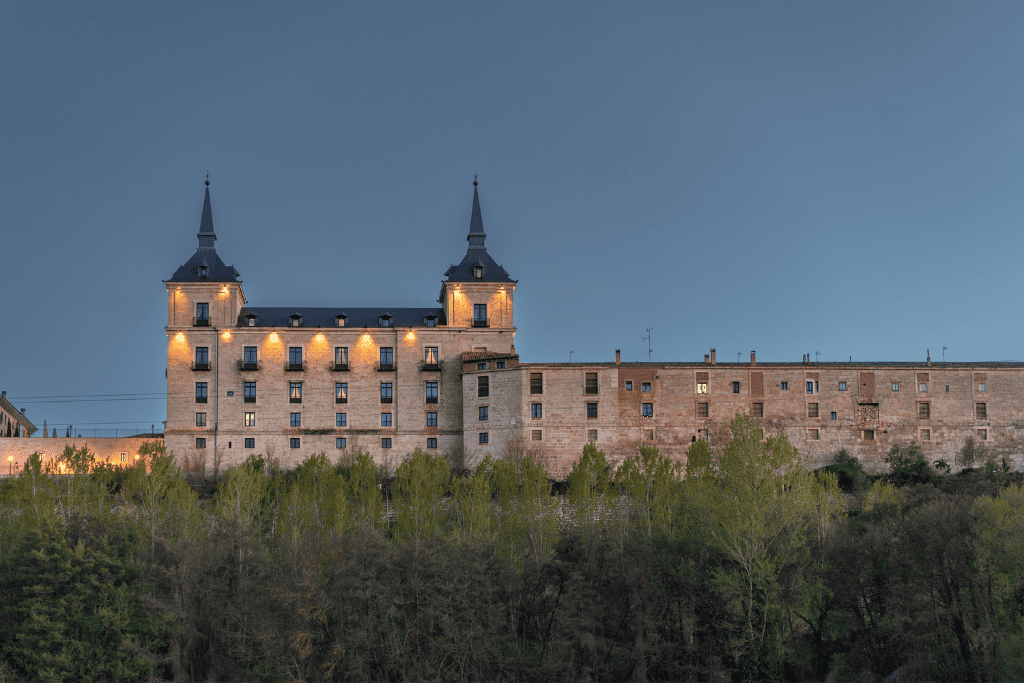
Built in the 17th century by the Duke of Lerma on the foundations of an ancient medieval castle, this palace became one of the greatest and most symbolic buildings of the court of the time. It was the setting for a royal wedding, a royal birth and even played host to Napoleon Bonaparte during his stay in the region.
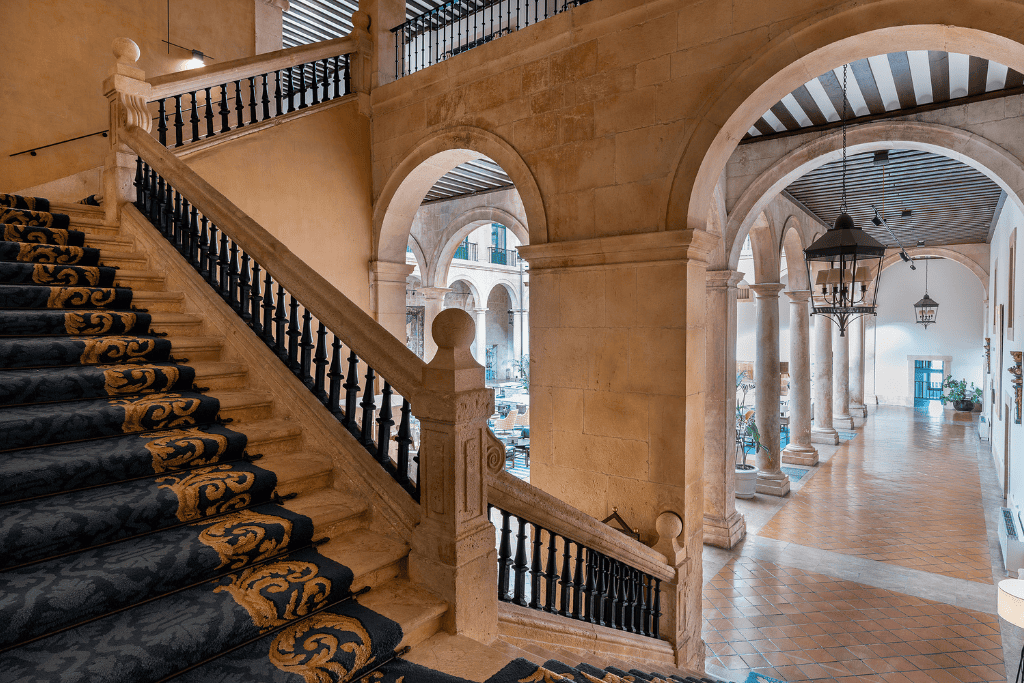
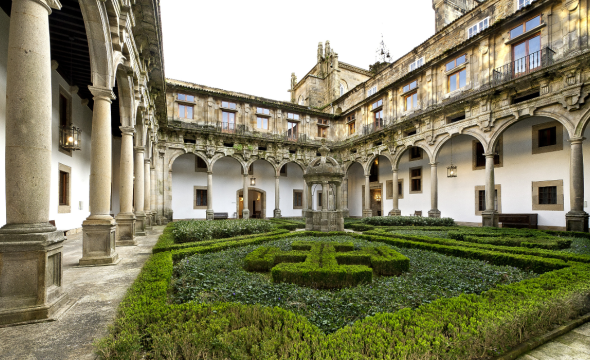
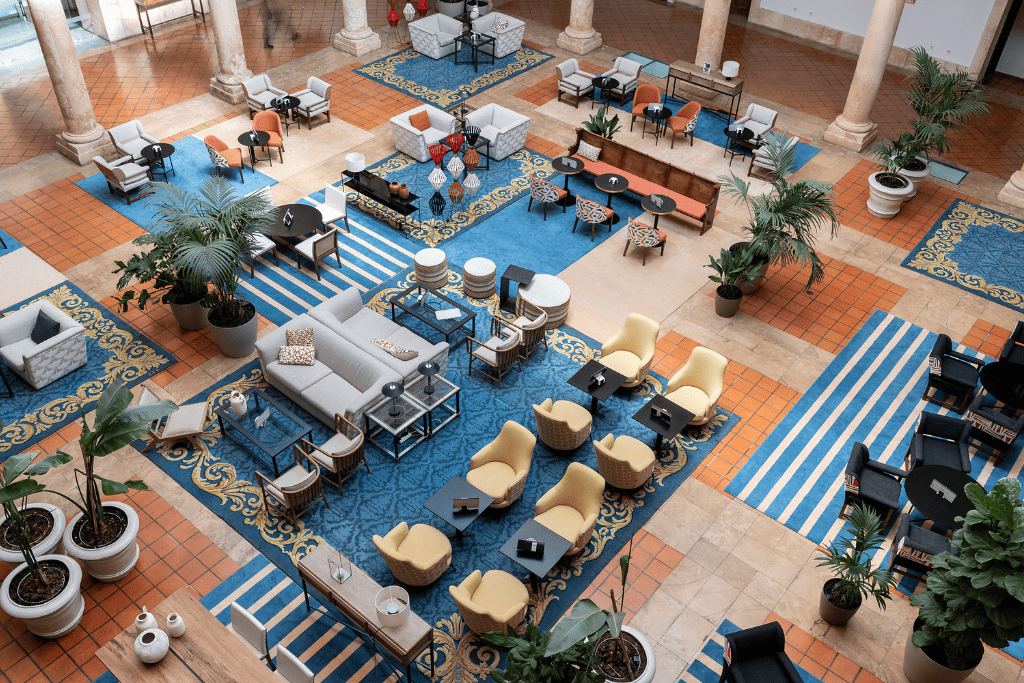
In addition to its impressive façade, the cloister and inner courtyard of the palace are particularly beautiful. It was here, more than 500 years ago, that the playwright Lope de Vega premiered some of his works. Today, visitors can enjoy a break under the glass roof, surrounded by columns and semicircular arches, while having a coffee and admiring the surroundings.
The Parador is located in the plaza Mayor de Lerma, one of the largest squares in Spain, with an area of almost 7,000 square metres. The town is also known for its network of convents and monasteries, such as the Collegiate Church of San Pedro and the Convent of San Blas.
The heart of La Mancha and unexpected nature
In the heart of Castilla-La Mancha, Albacete reveals itself as a land of contrasts, where endless plains merge with unexpected spots of living nature. There, the Parador de Albacete stands as a perfect retreat for those seeking an authentic rural getaway, far from the noise and close to the essence of La Mancha. From its peaceful surroundings, a landscape unfolds that invites both rest and adventure.
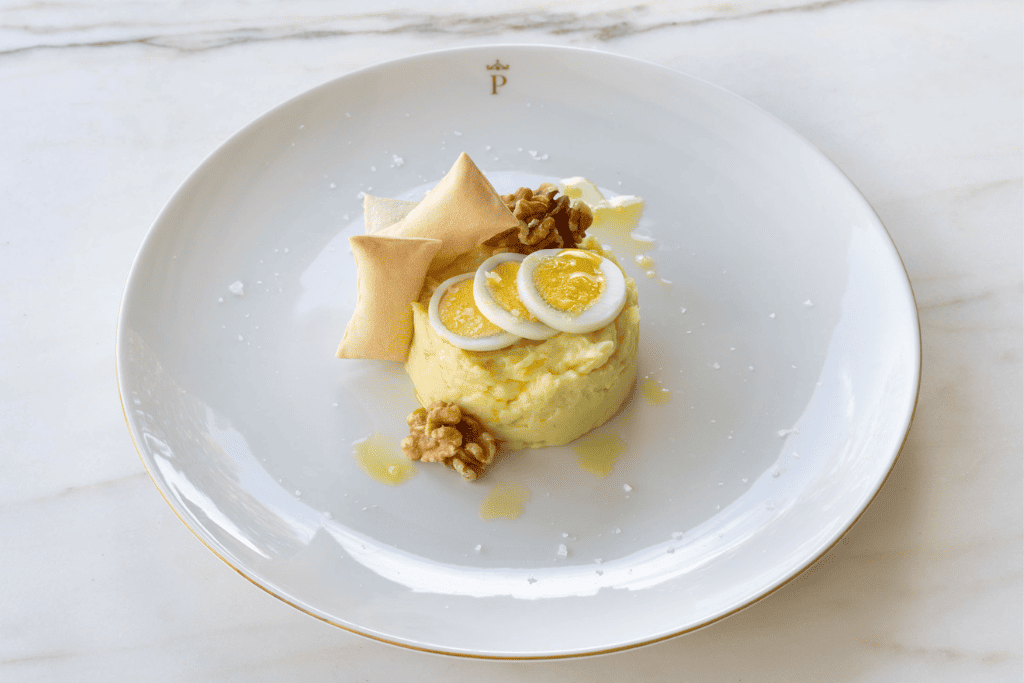
Tradition can be felt in every village, every dish and every story told around the fire. Rural culture is kept alive in the customs, in the cuisine, which offers intense flavours such as atascaburras (a dish made with cod and potatoes) and gazpachos manchegos (a cold soup), and in the hospitality of its people. But Albacete is not just about memories; it is also about movement. Cycling routes across the plains allow you to discover the region at a different pace, while natural spaces offer unique opportunities for bird watching and direct contact with the environment.
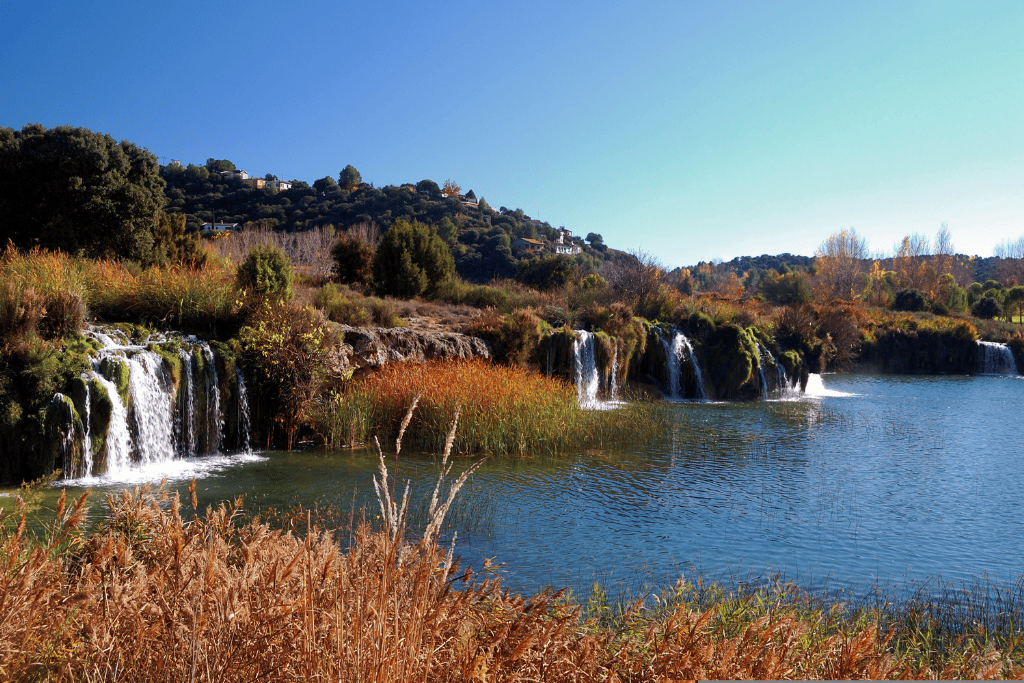
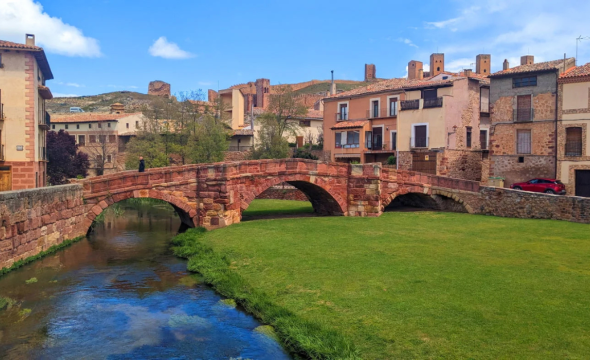
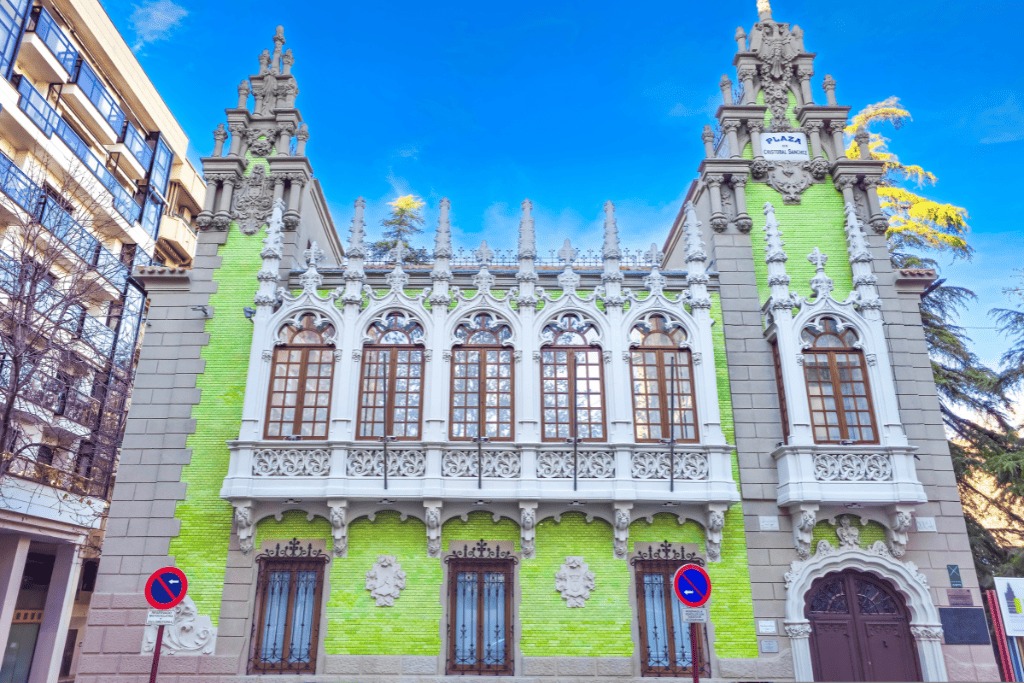
Very close to the Parador, the Lagunas de Ruidera are a surprising oasis of water and vegetation, a place where silence blends with birdsong and the murmur of water. Further afield, Alcalá del Júcar is one of the most beautiful villages in Spain, with its houses carved into the rock and its bridge that seems to be suspended in time. And if you decide to visit the provincial capital, the Knife Museum awaits you with a fascinating display of the craftsmanship that has made this city world famous.
The Parador
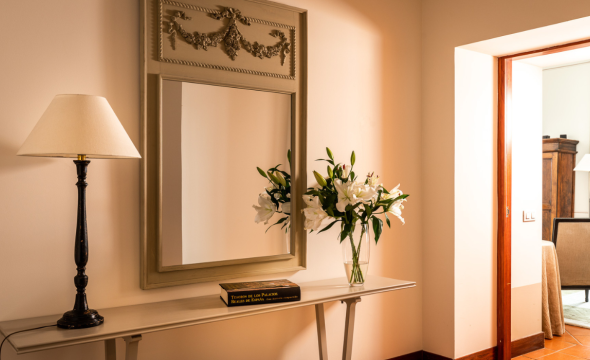
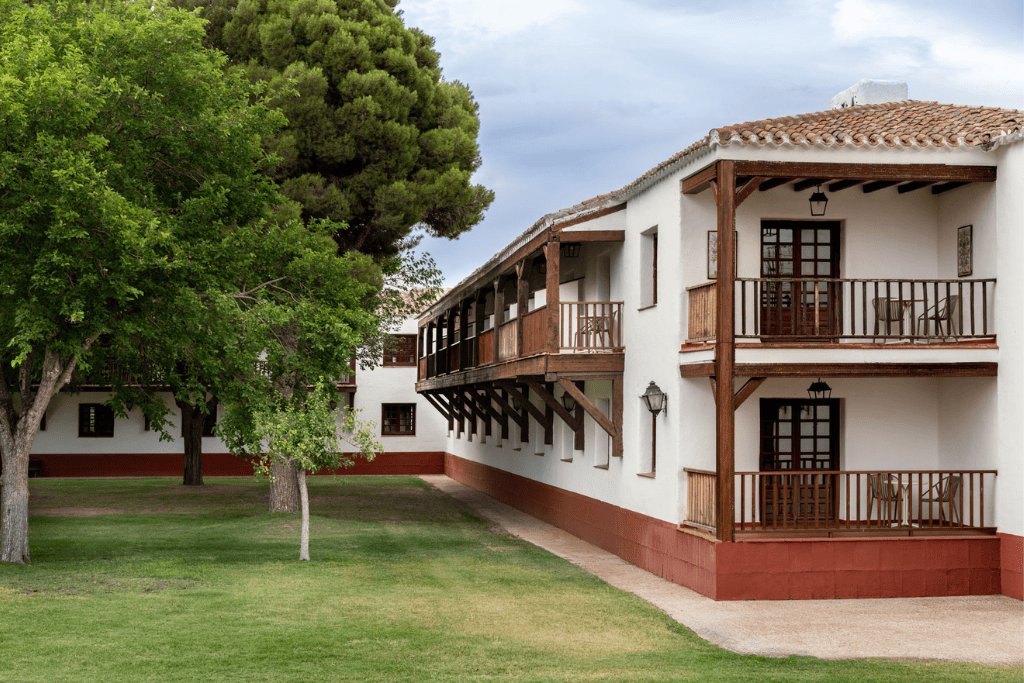
In the heart of the vast plain of La Mancha, the Parador de Albacete is an oasis of tranquillity. This charming accommodation, inspired by the traditional architecture of La Mancha, combines the warmth of terracotta floors, hardwood ceilings and spacious corridors with gardens that evoke the serenity of the old inns of Spain’s Golden Age. It is easy to imagine Don Quixote finding a well-deserved rest here after his adventures, savouring a feast of local flavours in the restaurant and recovering his strength in rooms full of light and Castilian character.
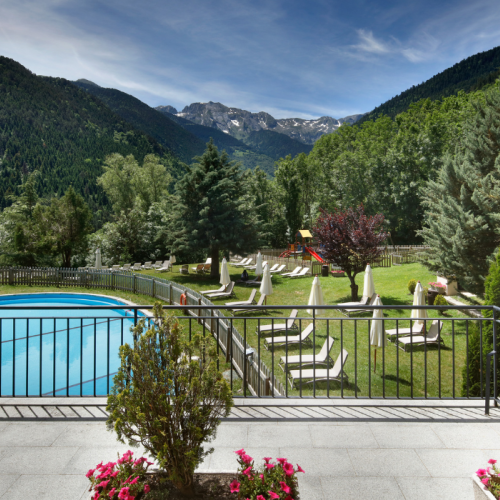
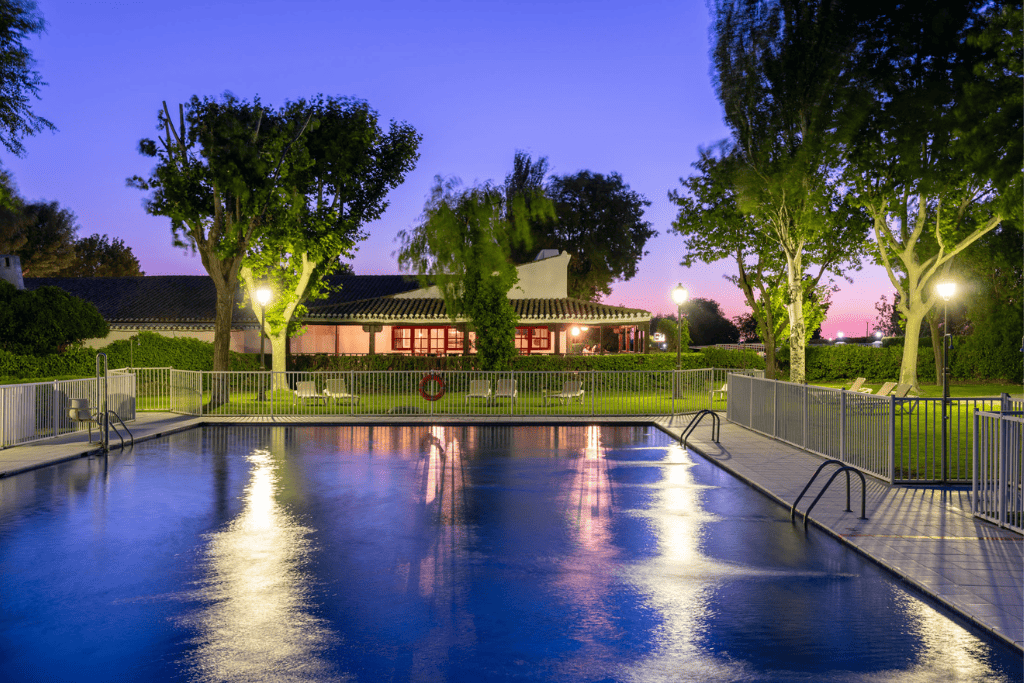
During the warmer months, the swimming pool becomes the perfect place to cool off and unwind from the hustle and bustle of everyday life. Whether for a romantic getaway, a family holiday or simply to reconnect with yourself, this Parador offers an experience of rest and leisure that will seduce you from the moment you arrive.
Located just three kilometres from the centre of Albacete, it is the ideal starting point for exploring the region’s natural and cultural treasures. From the fertile valleys of the Júcar and Cabriel rivers to the majestic Sierras de Alcaraz and Segura mountains every part of the province invites you to discover surprising landscapes and deeply rooted traditions.