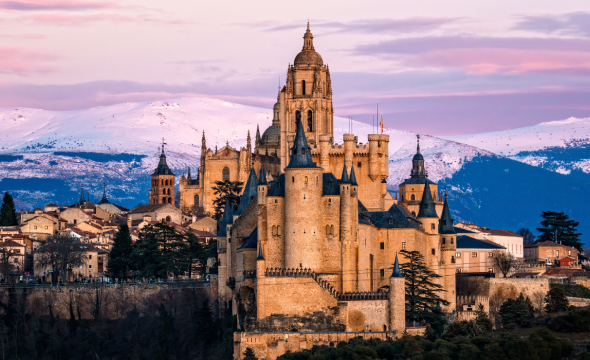
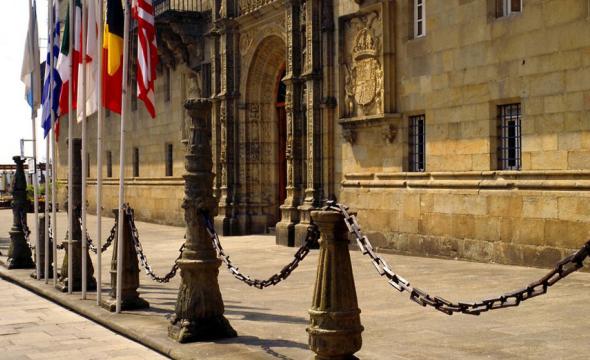
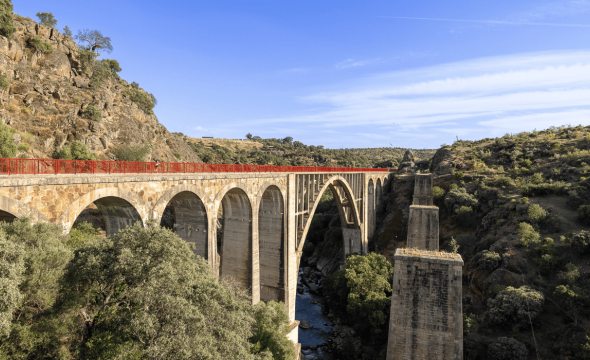
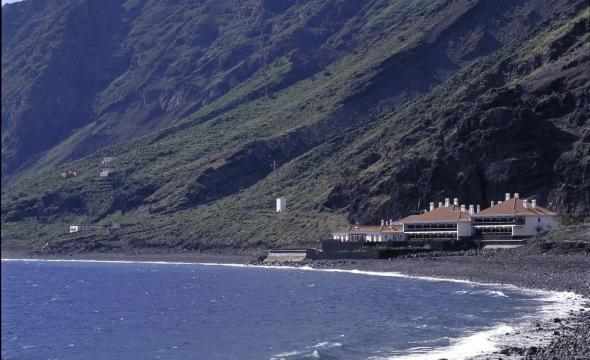
Although the stone remains, its uses change, transformed by the hand of those who shape it. From stone rose the castles built to guard the fields at their feet with an eagle’s gaze, castles that spread across the peninsula from north to south; from stone too came the noble palaces and mansions that arose in the corners of the cities, and from stone were raised the temples and cathedrals whose towers reach towards the sky. Stone preserves the essence of the ancient but lends itself to mingling with the present to create unique spaces.
In Extremadura, the Paradores of Cáceres and Trujillo are clear examples, especially after the recent renovations that both establishments proudly display.
The monumental city
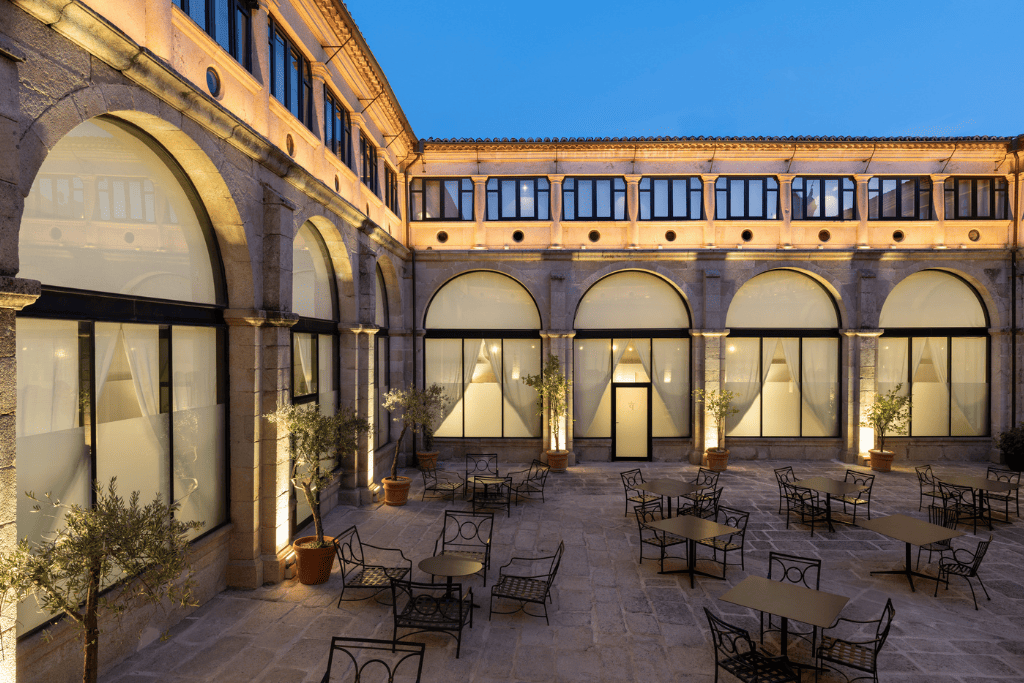
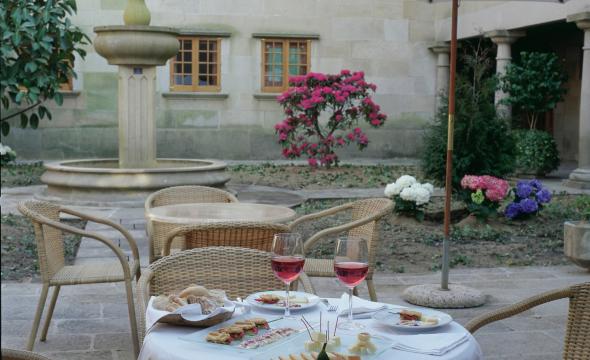
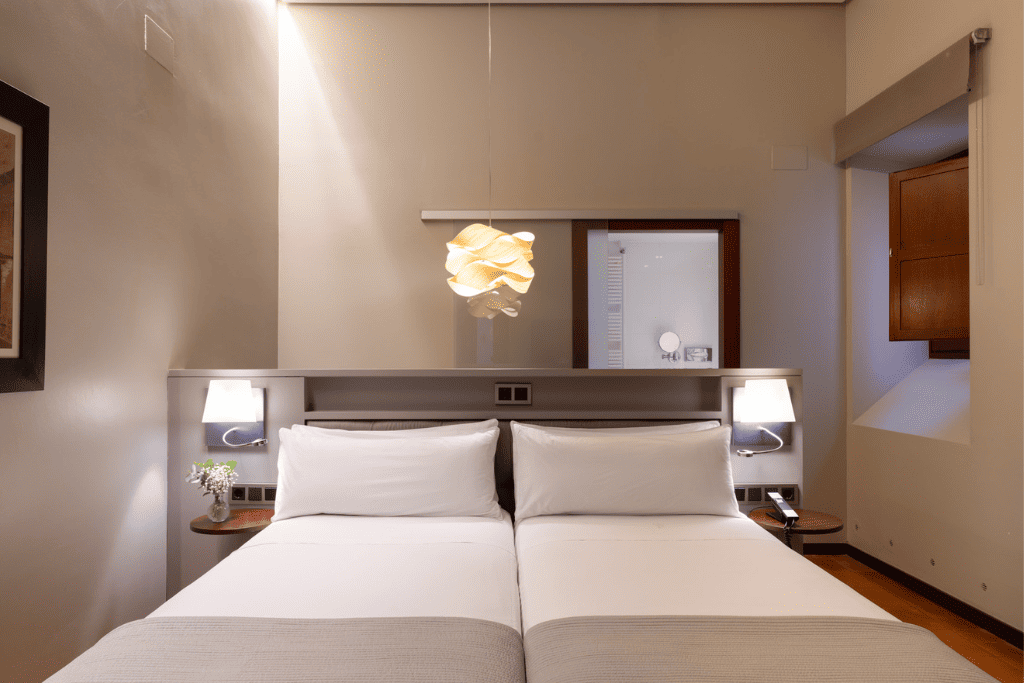
The Parador de Cáceres, part of the monumental complex that earned the city its designation as a World Heritage Site, has reopened its doors after several months of work. The works, which began in January 2025, have improved the building’s accessibility and comfort. They range from the installation of a new automatic door at the main entrance to the interventions carried out by Turespaña, which cleaned the façades and restored the cisterns of the Parador’s four courtyards —three of them covered— to preserve the stone structure of the building.
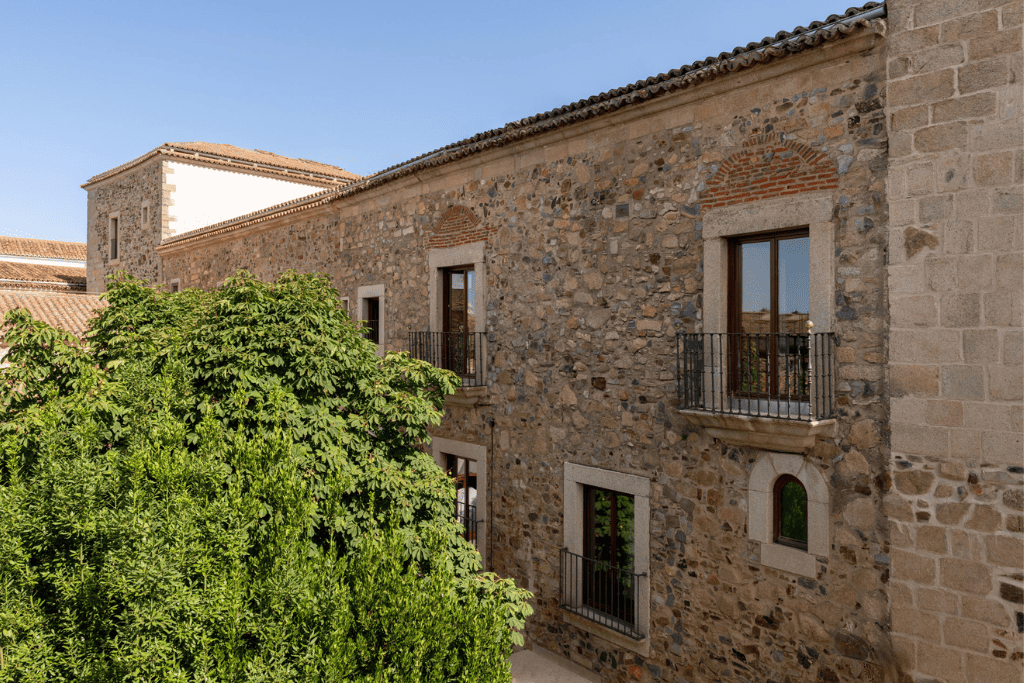
In addition, the unused spaces of the sixteenth-century tower have been restored and enhanced, allowing public access. In the future, visitors will be able to enjoy a new viewpoint over a city of towers and Renaissance palaces that holds the charm of history within its walls. Its historic quarter unfolds as a labyrinth of cobbled streets leading to palaces such as the Palacio de las Veletas or the Palacio de los Golfines de Abajo; to churches such as San Francisco Javier, with its whitewashed towers; or to charming corners like the square of San Jorge.
BOOK AT THE PARADOR DE CÁCERES
Cradle of conquistadors
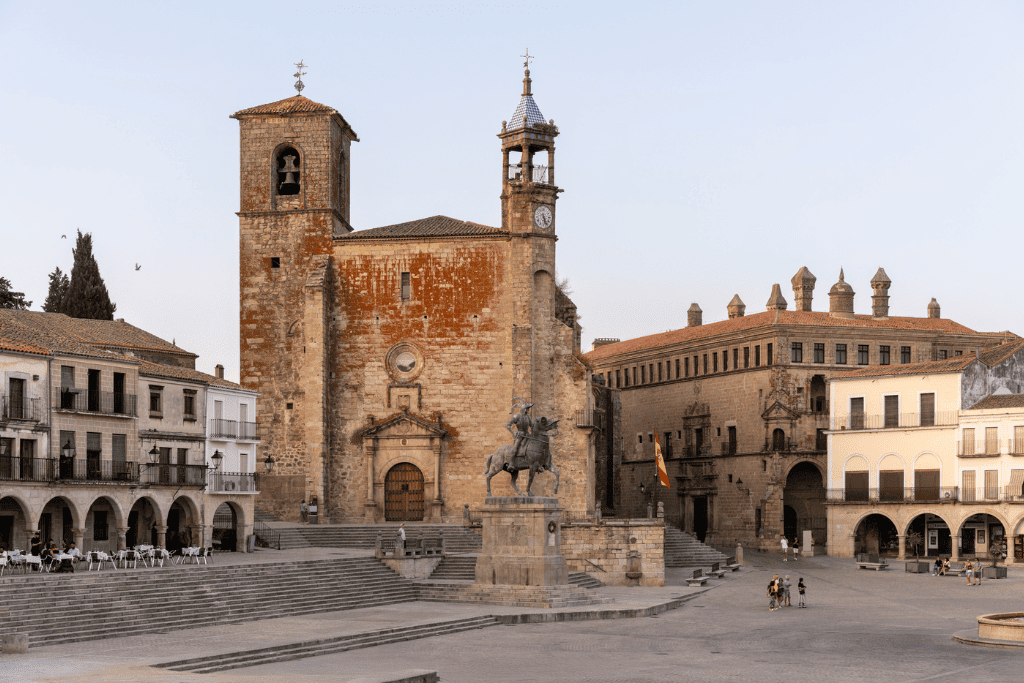
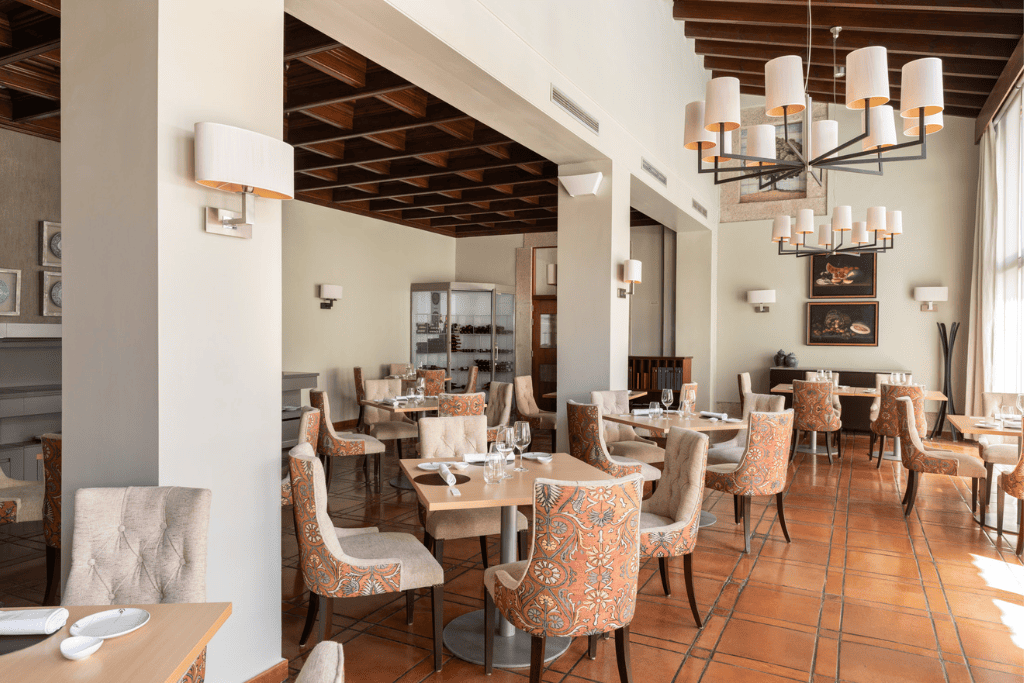
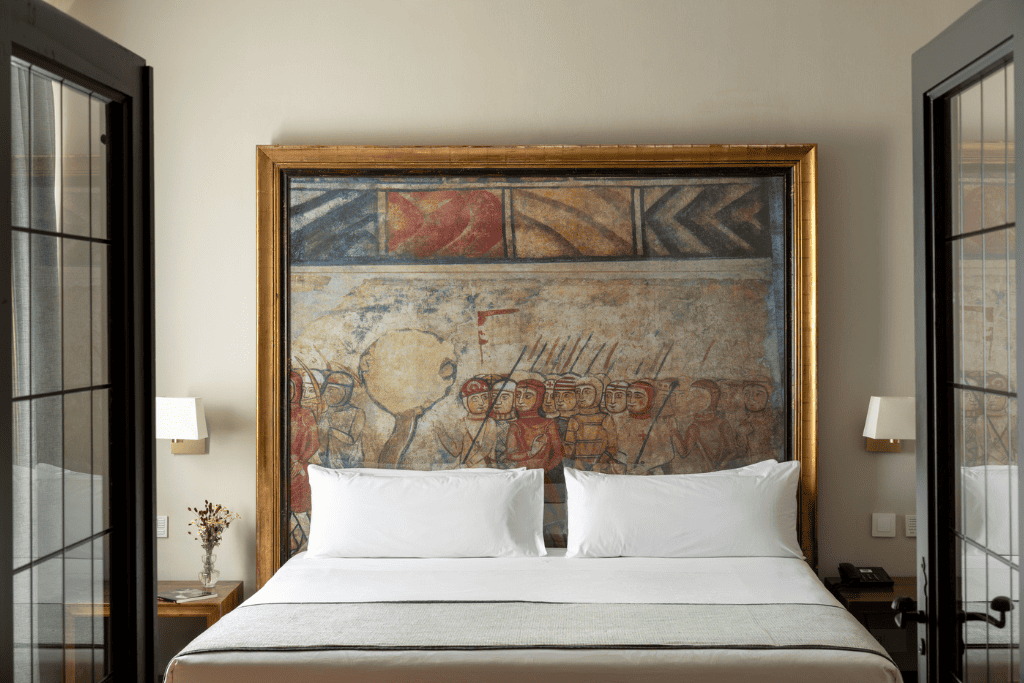
In Trujillo, stone once again takes centre stage. The Parador, built on the former convent of Santa Clara —a sixteenth-century construction notable for its cloister, with Renaissance arches, and its church, today transformed into the dining room— remains open while works are under way to improve accessibility, conservation and heritage enhancement. With a total investment of 2.2 million euros, the building has renewed key areas such as the reception and the guest rooms. Turespaña has also undertaken several conservation interventions, including the cleaning and restoration of the façades and the bell gable, the reopening of the passageway in Calleja de San Gregorio, the rehabilitation of the upper choir for future public access, and monumental lighting for the complex.
Thus, both Paradores become witnesses to the beginning of a new stage, proving that stone, when treated with care, not only preserves memory but also welcomes the traveller in the warmth of its mantle, inviting them to become part of its future.