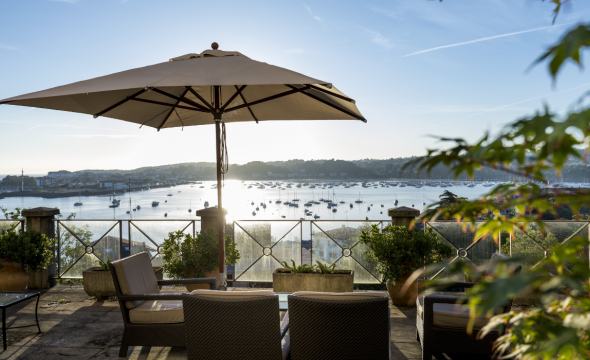
You don’t need to travel halfway around the world to welcome summer in true paradise. From historic cities and hidden monasteries to endless forests and waterside landscapes, these five corners of Spain prove that incredible destinations lie much closer than we imagine.
The coolest summer paradise
Just over two hours from Madrid or Valencia lies Cuenca, a destination where summer is defined by water, nature, and endless skies. It is the perfect retreat to escape the heat, offering river beaches, lush forests, mountain villages, and nights filled with shooting stars.
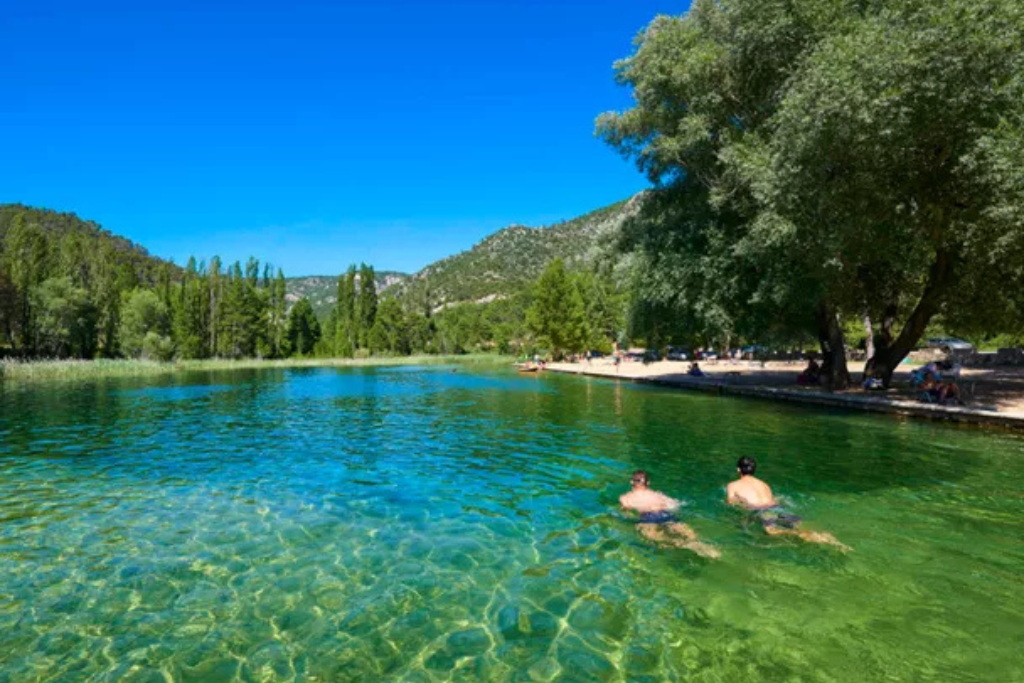
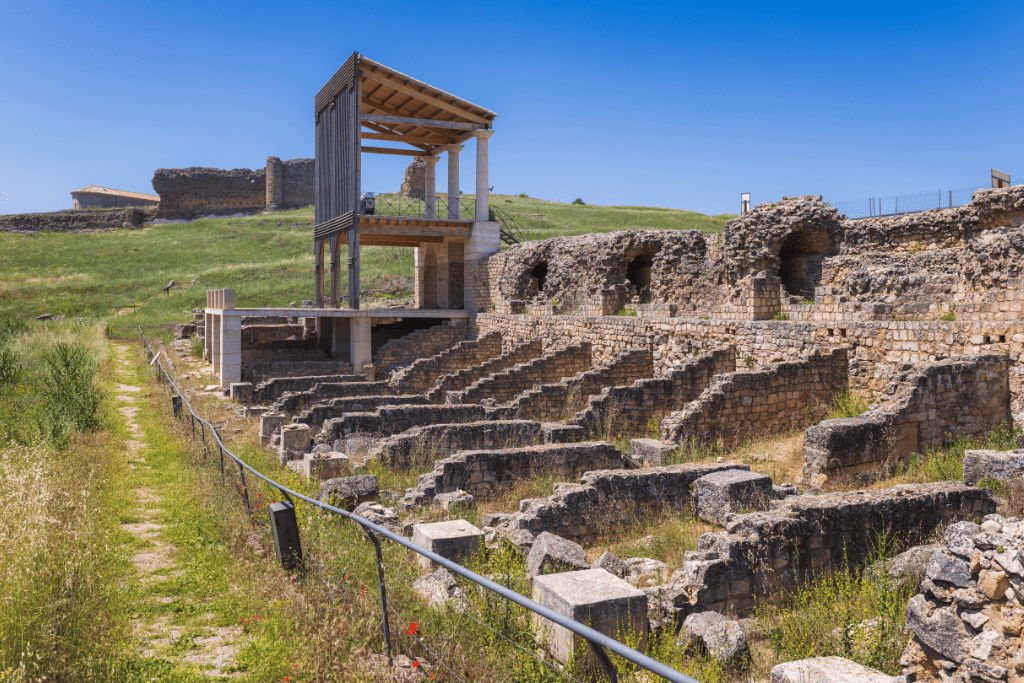
Here, summer means taking a dip in the Playeta de Cañamares, walking by the waterfalls at the source of the River Cuervo, or watching the sunset over the Júcar and Huécar gorges. Just 30 kilometres from the capital, the Ciudad Encantada (Enchanted City) boasts one of Spain’s most striking geological landscapes, while Valeria—a Roman city founded over two thousand years ago as a sanctuary for rest—proves that the region has been a destination for unwinding for centuries.
The Serranía de Cuenca, beyond being a natural refuge from the heat, is also one of the best places in the country for stargazing, thanks to its certified Starlight skies. Amidst lagoons of impossible colours, historic routes, diverse wildlife, and villages steeped in tradition, Cuenca offers that peaceful, authentic summer—steeped in nature—that is becoming increasingly hard to find.
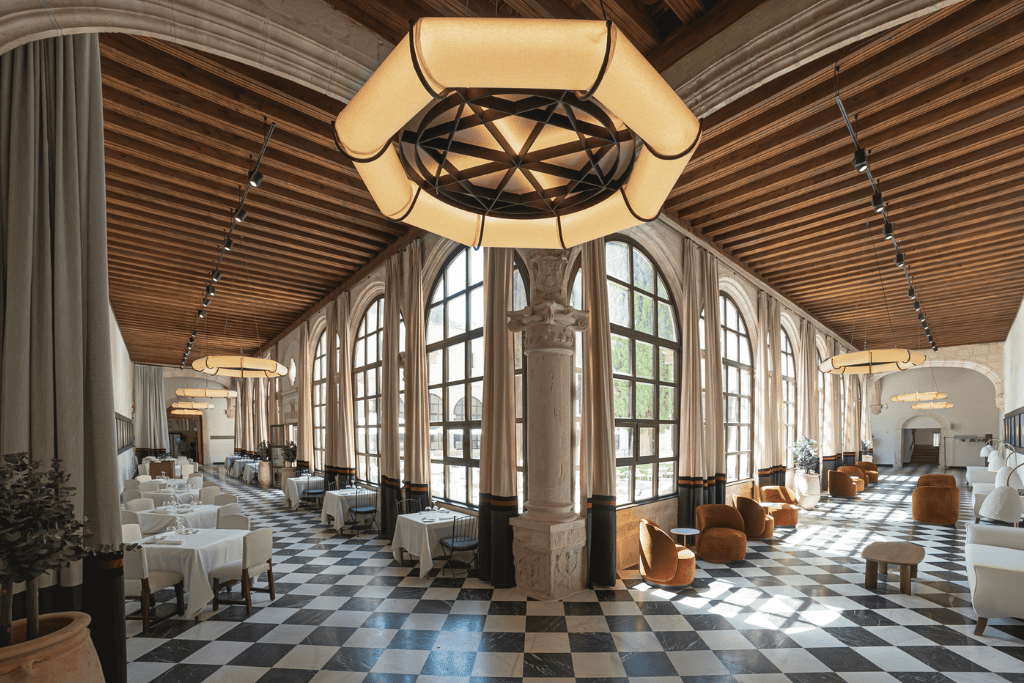
We suggest staying at the Parador de Cuenca, a former 16th-century convent situated opposite the iconic Casas Colgadas (Hanging Houses). From there, while enjoying spectacular views over the Huécar Gorge, you can discover the province’s most authentic cuisine, featuring traditional dishes such as morteruelo, ajoarriero, or alajú, all beautifully reinterpreted with the signature Paradores' culinary touch.
A paradise of history, terraces, and endless sunsets
Not all summer paradises require a beach. Toledo, for example, proves that a city steeped in history can also be the perfect destination for the warmer months of the year. Yes, it gets hot, but that is precisely why the city offers distinct activities tailored to the time of day.
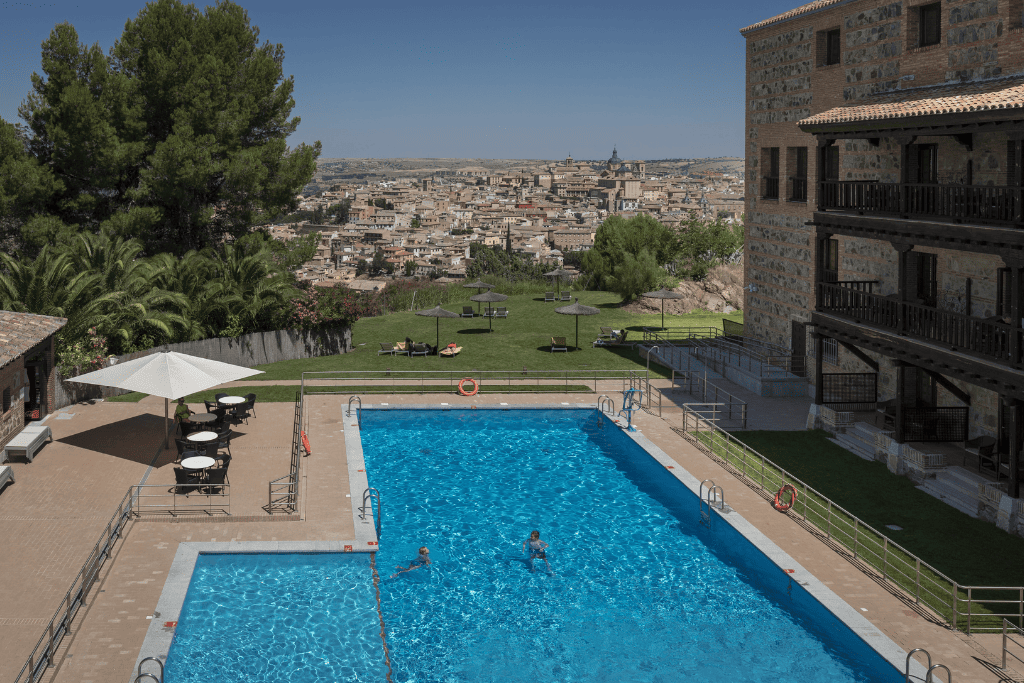
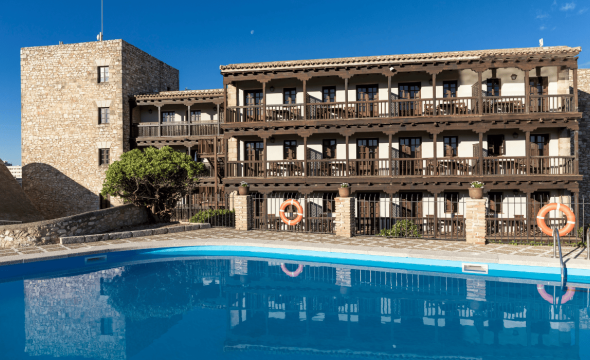
An early start is essential here. The early hours of the morning are the best time to wander the narrow streets of the City of Three Cultures, discover the Cathedral and the Jewish Quarter, or lose yourself in guided walking tours that bring the vast history hidden within its stones to life. When the sun starts to beat down, it’s time to transition to cooler activities. You might wonder how to beat the heat in Toledo. The answer lies in embracing the shaded terrace culture, sampling Castilian tapas, relaxing in Arab baths, or enjoying a lovely swimming pool like the one at the Parador de Toledo set against the city’s monumental skyline. Alternatively, you can head to the Cazalegas reservoir—a genuine inland beach right in the heart of the plateau, ideal for swimming, water sports, or simply unwinding by the water. If you are travelling with family, Aguapark Toledo in Escalona offers swimming pools and inflatable water attractions for a more playful way to cool off. And if you prefer to stay dry, you can indulge in one of the great pleasures of the Spanish summer at the Parador de Toledo: the siesta.
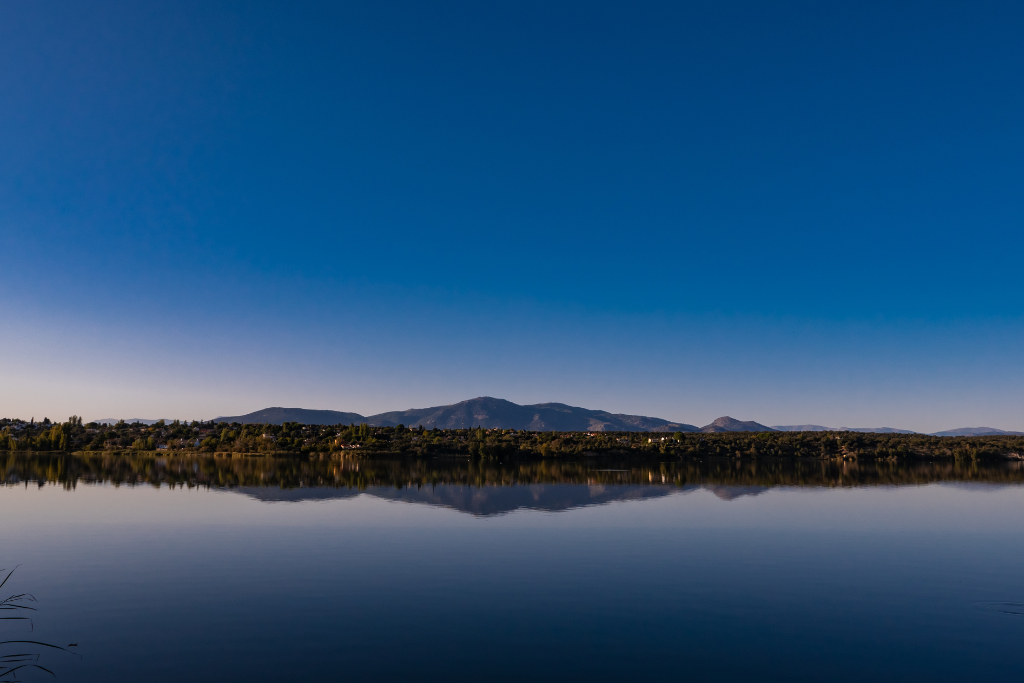
As the sun sets, Toledo comes to life once more. It is the perfect time to explore viewpoints like the Valley or the Parador itself, stroll along the Tagus, cross the city on a zip line, or simply soak up the atmosphere of the squares and terraces that fill the Toledo night. If there is one thing that makes summer here special, it is how the city transforms after dark. Night-time tours reveal hidden tunnels, legends, convents, and medieval alleyways, while the illuminated Jewish Quarter turns the city into an almost magical setting.
The green paradise where summer feels different
When seeking an escape from the heat, few imagine a monastery hidden amongst forests and river gorges. Yet, the Ribeira Sacra is one of those places where summer completely rewrites the typical rhythm of the season. Spanning the south of Lugo and the north of Ourense, this landscape of gravity-defying vineyards, rivers, and mountains enjoys a unique microclimate that softens the warmer days into a much more pleasant, cool, and leisurely experience.
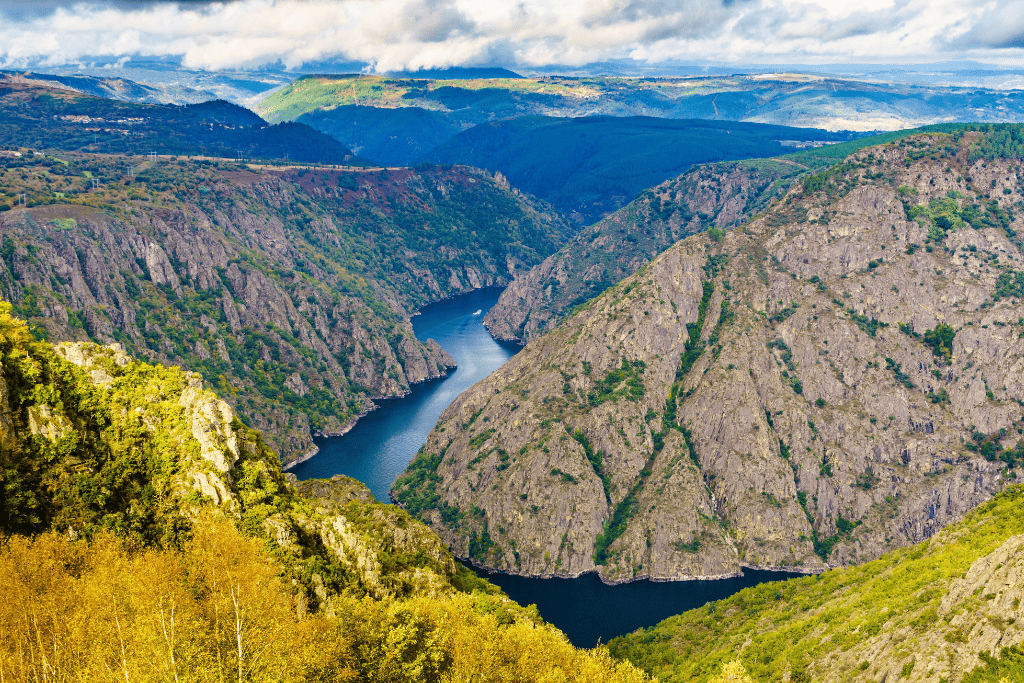
Here, summer is sheltered by nature, silence, and activities such as sailing a catamaran through the Sil canyons, strolling along the footbridges over the River Mao, visiting wineries perched on steep hillsides, or getting lost among centuries-old monasteries.
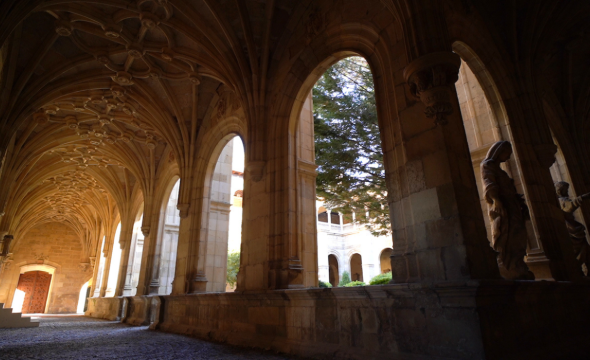
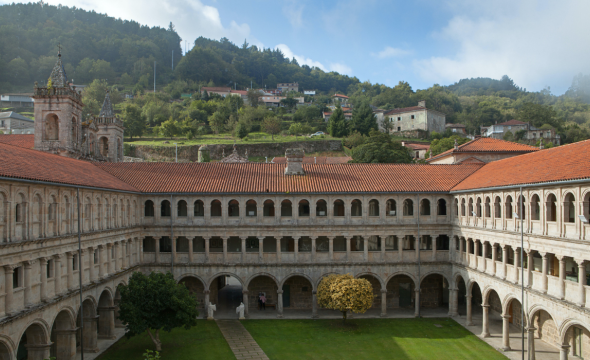
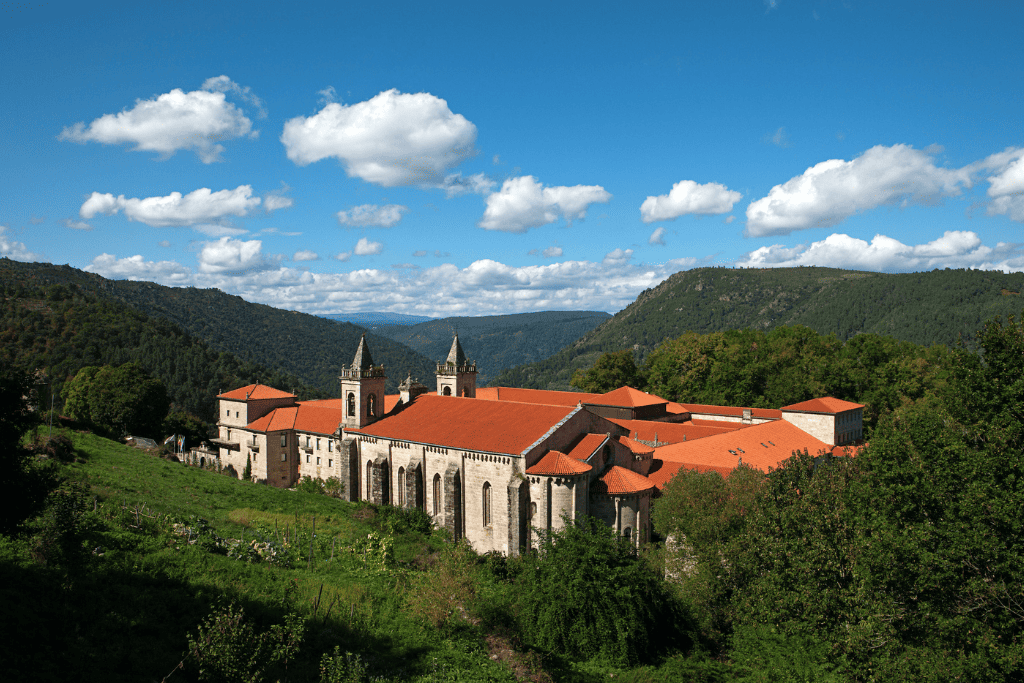
In the heart of this scenery stands the Parador de Santo Estevo, undoubtedly one of the most spectacular places to stay in Galicia. Sleeping in this former 10th-century Benedictine monastery, surrounded by ancient oak and chestnut trees, feels like stepping back in time. Its three historic cloisters, the gentle sounds of the forest, and the absolute tranquility mean that luxury here is defined by silence and unwinding.
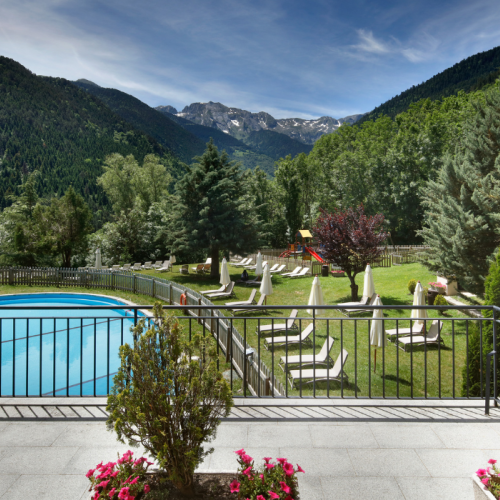
During the midday heat, Parador’s spa becomes your best ally. A jet pool, hydromassage, sauna, and heated loungers round off an experience designed for pure relaxation. As evening falls, it is time for exceptional wines from the Ribeira Sacra Designation of Origin (D.O.), authentic Galician cuisine, and endless after-dinner conversation … what a brilliant plan!
An Asturian paradise amidst mountains, wine, and silence
They say that anyone visiting Corias for the first time does not expect to find something so imposing in such a peaceful valley. Yet, there before you stand the Monastery of San Juan Bautista, nicknamed the ‘Asturian Escorial’—an imposing stone building beside the River Narcea that feels more like a place of legend than a holiday destination.
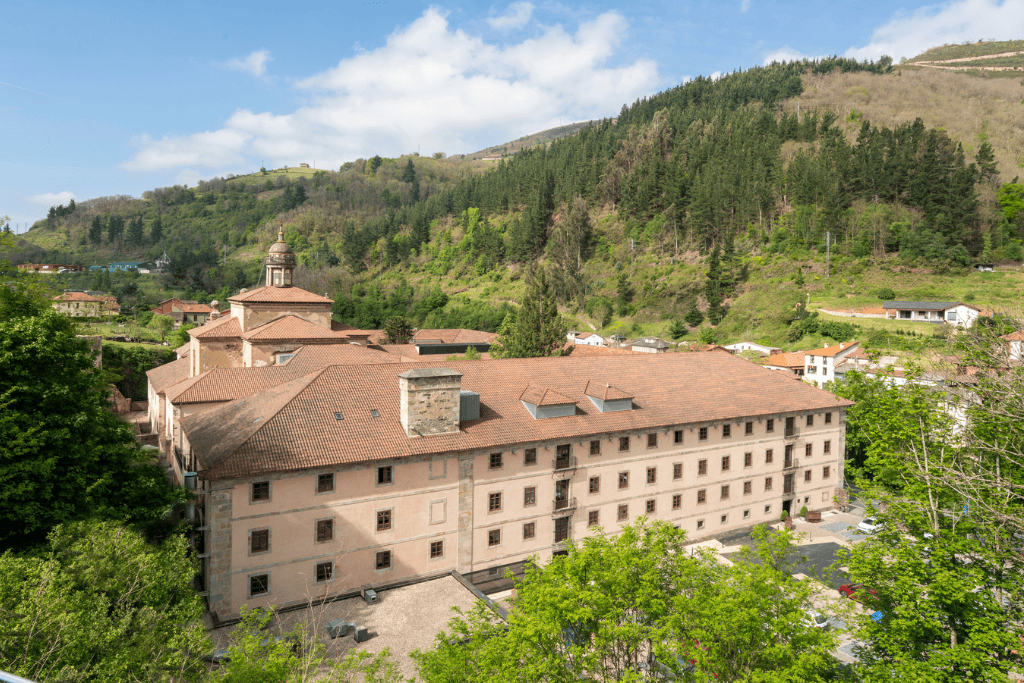
Corias is situated in the municipality of Cangas del Narcea, in south-western Asturias, an area where the landscape and climate work entirely in the traveller’s favour. The region’s microclimate tempers the summer, giving it character with warm days, cool nights, and a setting where nature envelops everything.
From here, essential day trips lead to nearby villages and hidden corners, such as the area around San Pedro de Arbas, the municipality's inland valleys, or the paths leading to the Fuentes del Narcea, Degaña and Ibias Natural Park. Here, the Muniellos Forest stands as one of Europe’s best preserved natural treasures, and invites us to go hiking through pristine woods, areas inhabited by brown bears, and traditional villages.
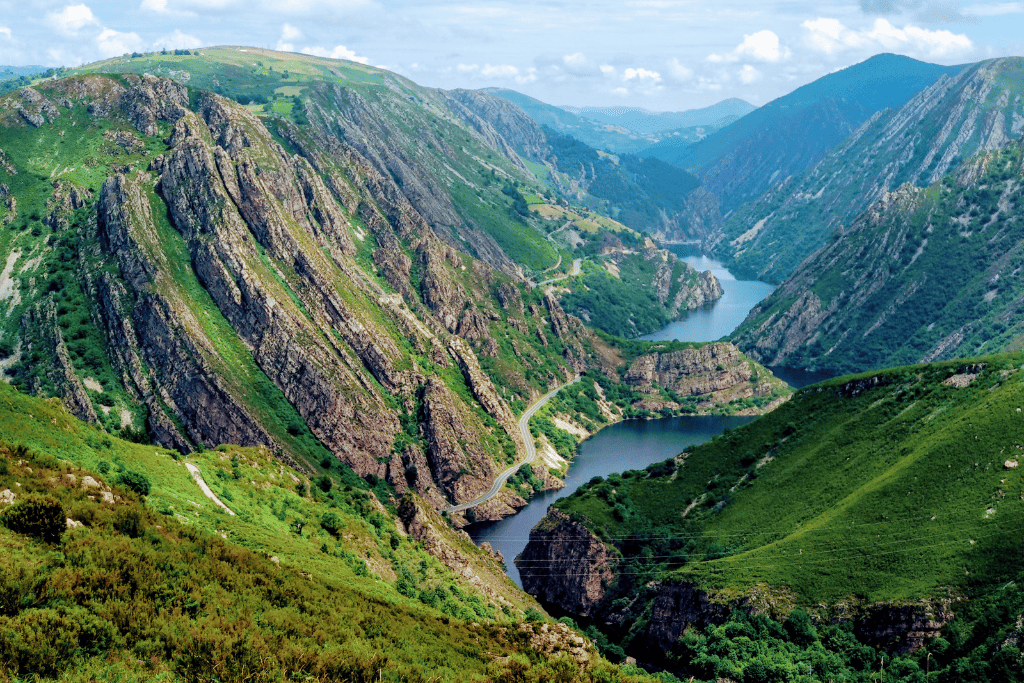
For wine lovers, this is also a land of discovery. Corias forms part of the Vino de Cangas Protected Designation of Origin (D.O), featuring heroic viticulture practiced on steep terraces and seemingly impossible slopes. You can visit a nearby winery to discover unique wines boasting an Atlantic character, crafted using traditional methods.
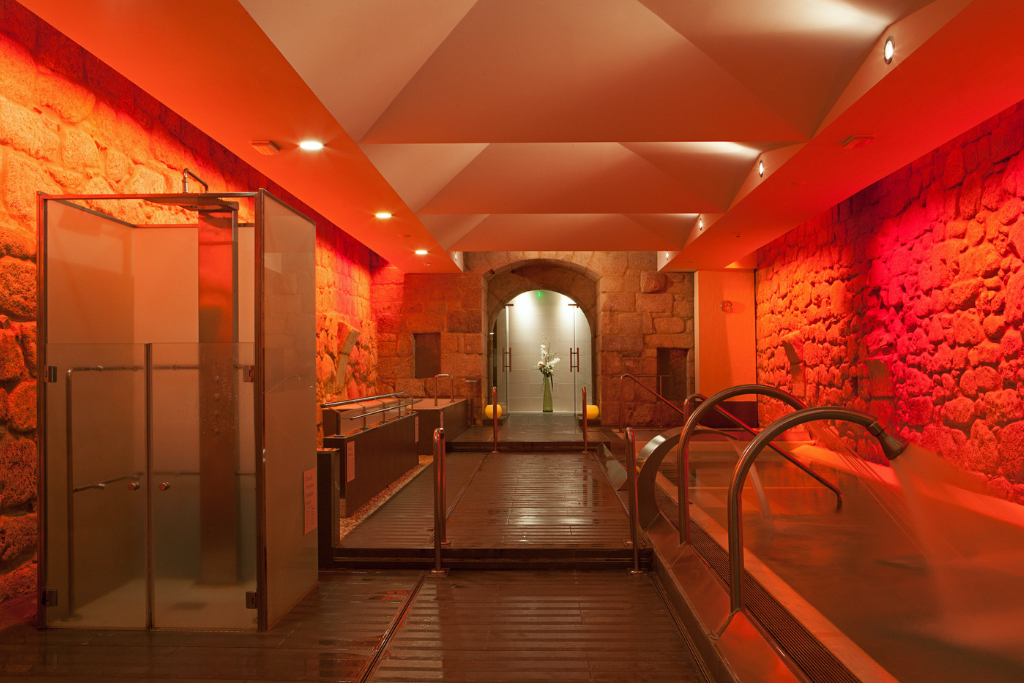
But the true star of the trip is the monastery itself, now beautifully converted into the Parador de Corias. Staying here means sleeping within an 11th-century monastery transformed into a historic hotel. Its cloisters, church, and restored spaces retain their original character while offering every modern comfort, including a perfect spa to unwind in, complete with a heated pool, sauna, and treatments. On the culinary front, you can sample traditional south-western Asturian cuisine, including fabada, cachopos, corn tortos (crispy fritters) with picadillo, chorizo cooked in cider, or stewed kid—a festive local staple—followed by homemade desserts such as rice pudding or traditional apple tart. At this destination, dining is an essential part of the journey.
The Cantabrian paradise where summer still feels peaceful
Limpias is one of those rare places that preserves a quality increasingly difficult to find in summer: true authenticity. This charming corner of Cantabria, surrounded by the calm waters of the Asón estuary, combines verdant landscapes, historical heritage, and mild temperatures that turn any summer getaway into a true haven.
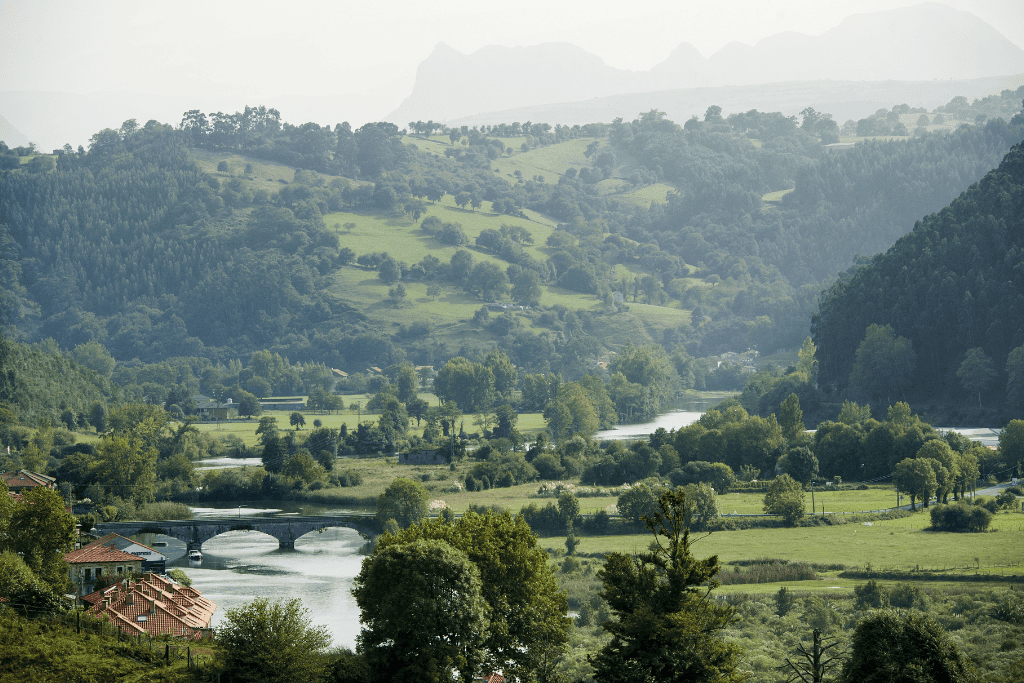
Here, days can be spent strolling along the estuary, hiking through the mountains, enjoying afternoons of paddleboarding or canoeing, relaxing on quiet terraces, and making delightful historical discoveries. You can explore the old river port of Rivero, which for centuries connected Castile with the Cantabrian coast, before heading to the historic centre, which is filled with grand Cantabrian manor houses, ancient towers, and stately buildings. Amidst this incredible landscape stands the Parador de Limpias, formerly known as the Palacio de Eguilior and built in the early 20th century. The Parador retains the stately charm of a bygone era, featuring grand halls, stone fireplaces, and one of the most spectacular gardens in northern Spain—alongside, of course, a beautiful swimming pool.
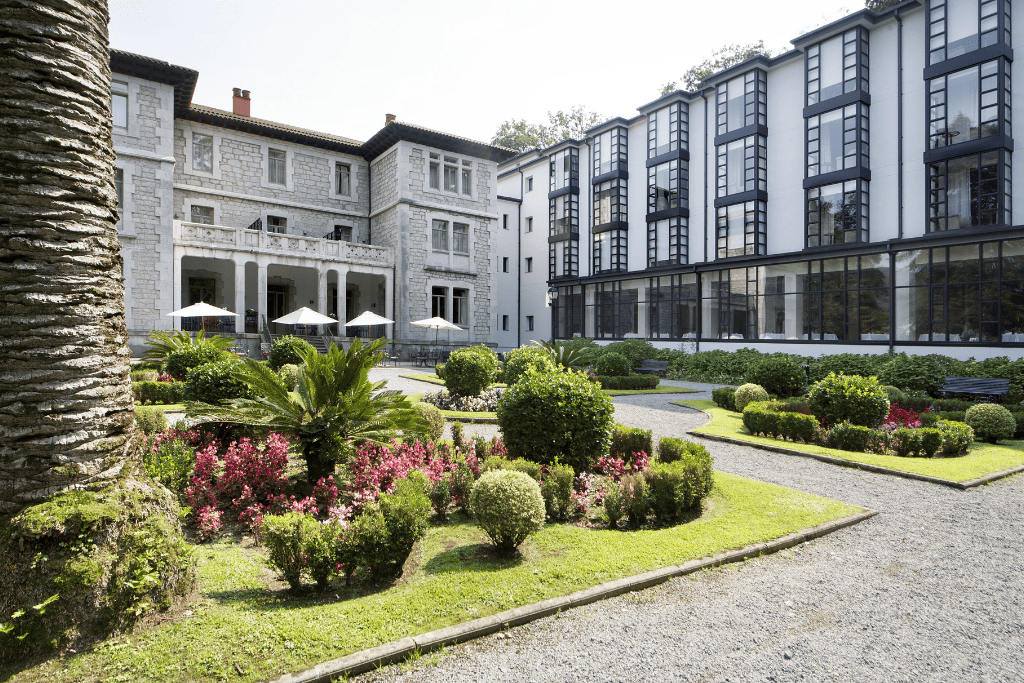
One of the Parador’s greatest assets is its privileged location, perfect for discovering some of the most beautiful spots in eastern Cantabria. Just a few minutes away lies Laredo, with its vast La Salvé beach and a historic centre rich in medieval alleyways. Also nearby is Santoña, ideal for exploring its traditional fishing port, sampling its famous world-class anchovies, or losing oneself among the cliffs and trails of Monte Buciero.
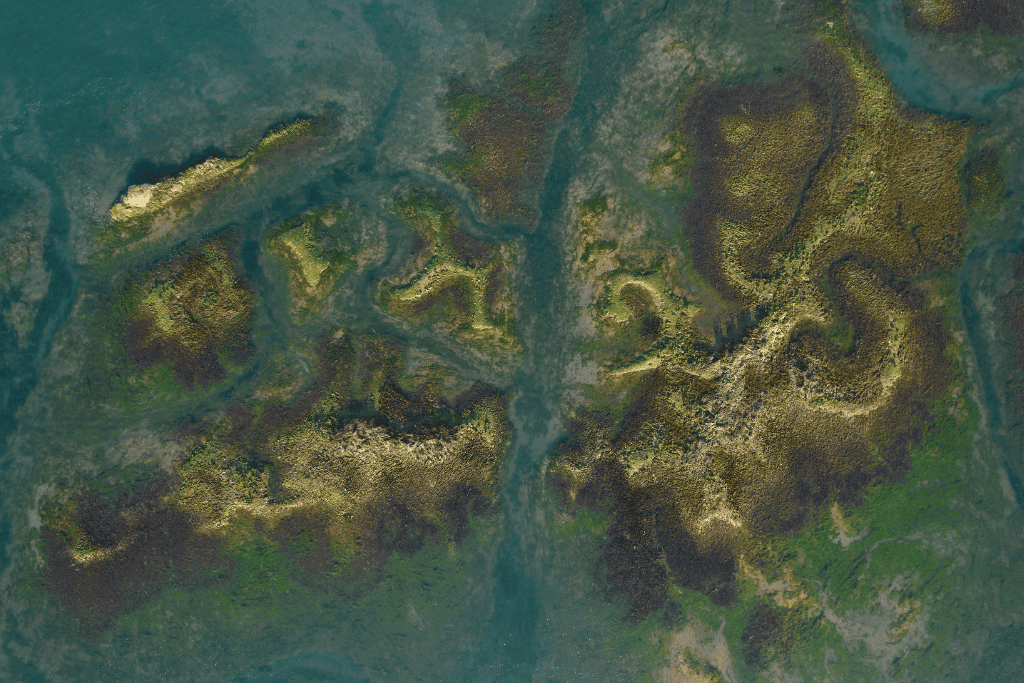
For those seeking nature in its purest form, the Santoña, Victoria, and Joyel Marshes Natural Park offers one of the most unique wetland landscapes in the north, home to estuaries and migratory birds. Further inland, towns such as Ramales de la Victoria allow you to discover underground gems like the Covalanas or Cullalvera caves.
Ultimately, what makes Limpias a true summer paradise is the rare opportunity to combine the sea, nature, history, and tranquility in an elegant, unassuming corner of the world.