If you ask what to do in Santiago de Compostela, beyond visiting its cathedral, many will agree on the same thing: walk slowly, listen and feel it. Because this is a city made of arrivals, of pilgrims after hundreds of miles, of travellers seeking history and of those who need, even if only for a weekend, to stop time. And to truly experience it, there is no better starting point, nor better refuge, than the Parador de Santiago de Compostela, the legendary Hostal dos Reis Católicos, witness to more than five centuries of history and the place where, in Santiago, everything ends... but also begins.
Friday: arrive, take a deep breath, and let yourself go
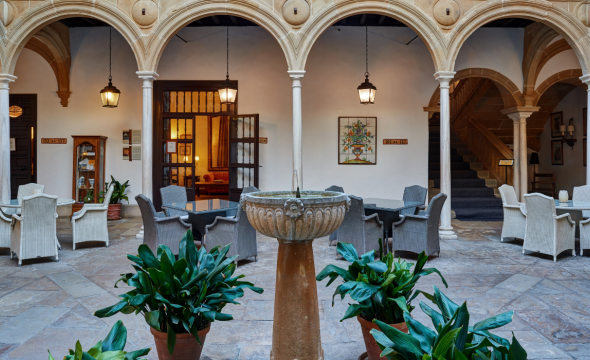
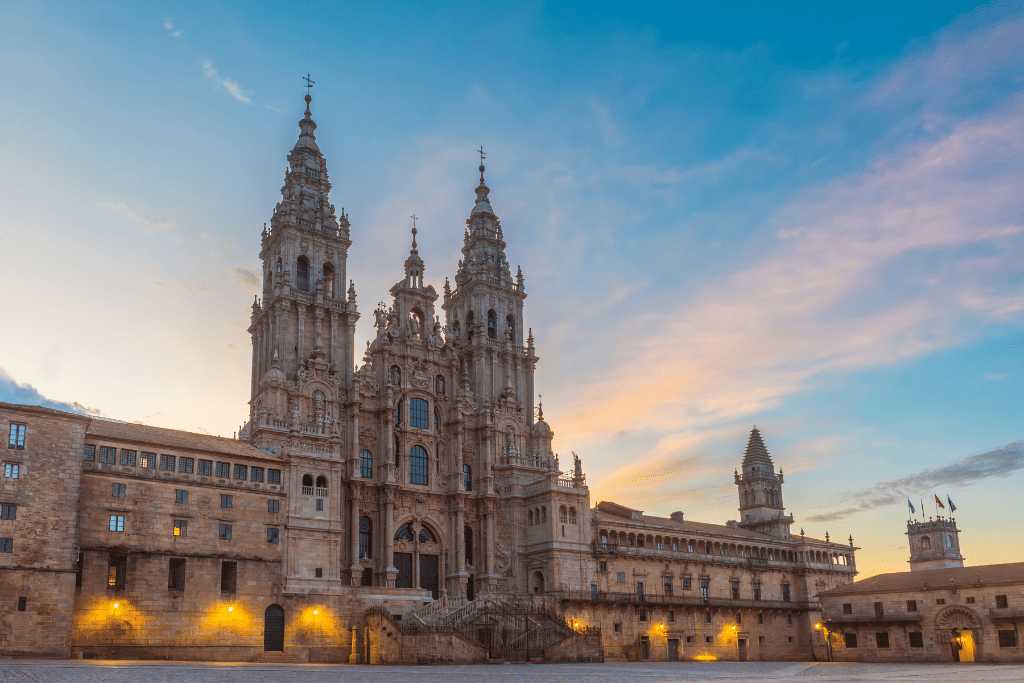
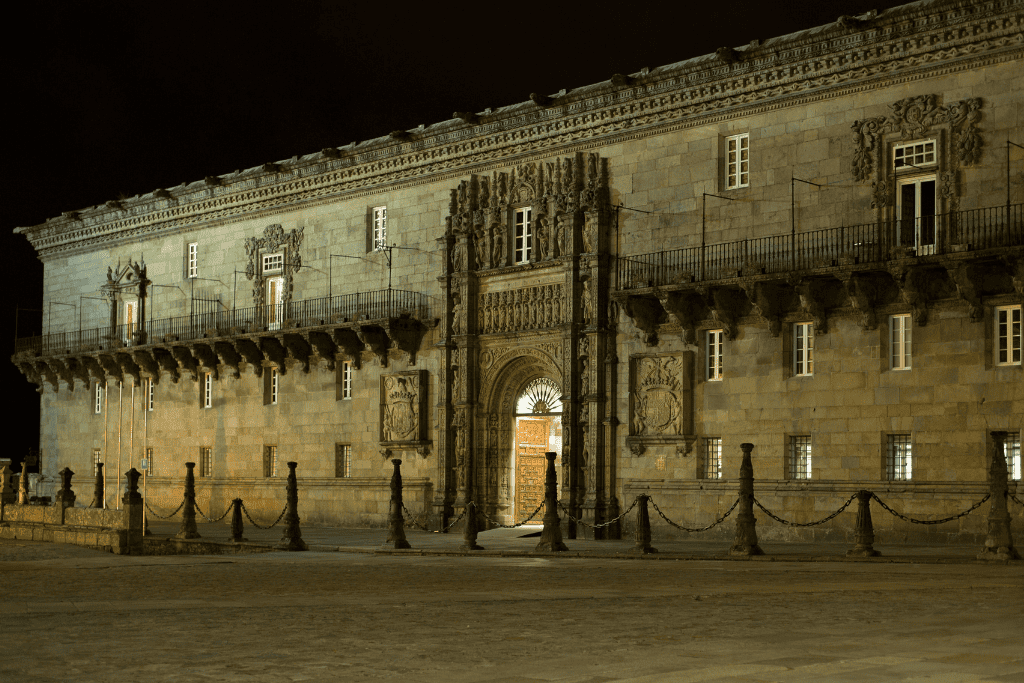
If you are staying at the Parador, your getaway begins by crossing the Plaza del Obradoiro as evening falls. The golden stone, the distant sound of bagpipes and the excitement of the pilgrims reaching their goal create a scene that remains etched in your memory. Upon entering the Parador, the former Royal Hospital founded by the Catholic Monarchs in 1501, the pace changes. The cloisters, monumental staircases and long corridors invite you to lower your voice, walk quietly and admire your surroundings.
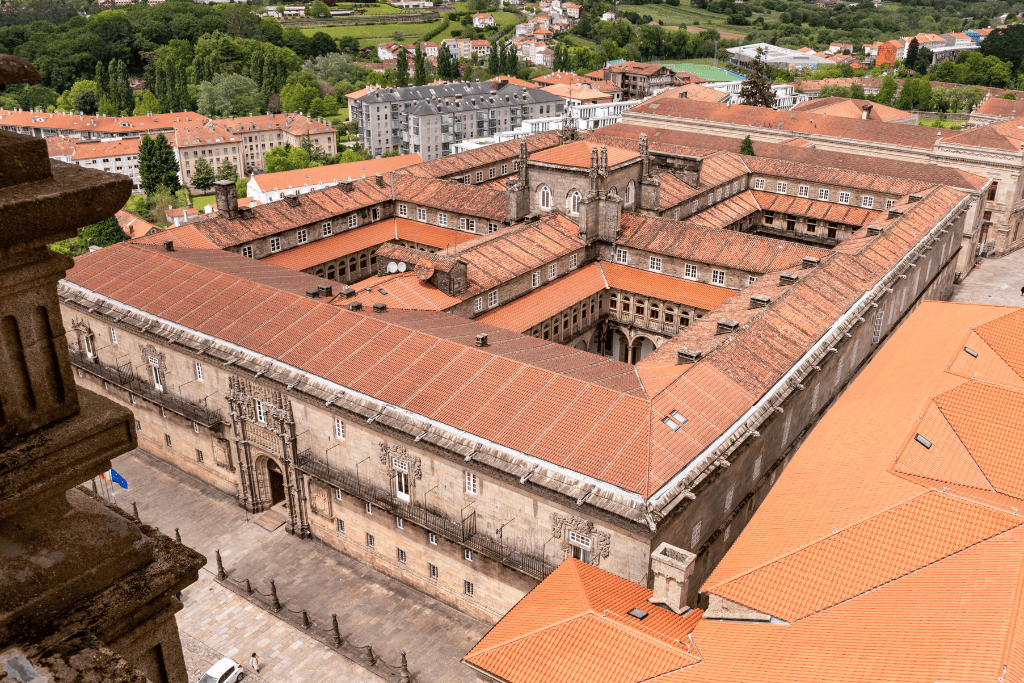
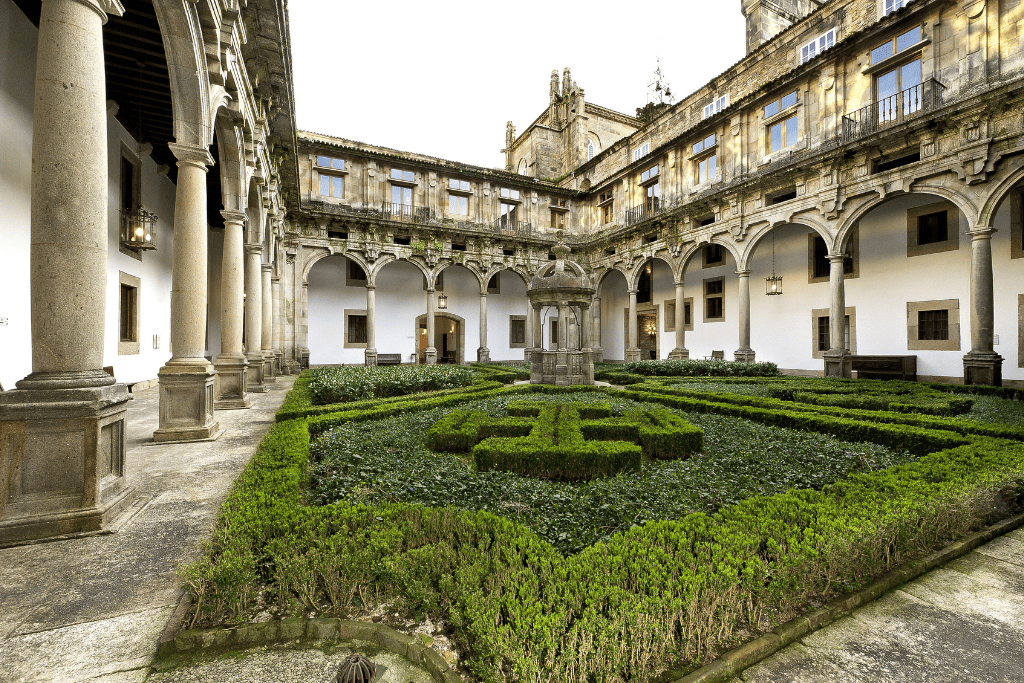
Before setting out to explore, it is worth spending a few minutes touring the building itself. Its four cloisters, its art collection and those architectural details remind us that this place has provided shelter for centuries. It is no coincidence that kings, cardinals and rock stars such as Mick Jagger, who described his stay as one of the best of his life, have passed through these rooms.
The evening can begin with a quiet dinner at the Parador, either at the Restaurante dos Reis, where Galician cuisine is presented with elegance and respect for tradition, or, if you're in the mood for something lighter, at the El Enxebre gastronomic space, which offers authentic flavours that are comforting after a long journey. A final drink in one of the Parador's lounges or a short evening stroll through the historic quarter bring the first day to a close with the feeling that you are exactly where you should be.
Saturday: the pulse of the historic city
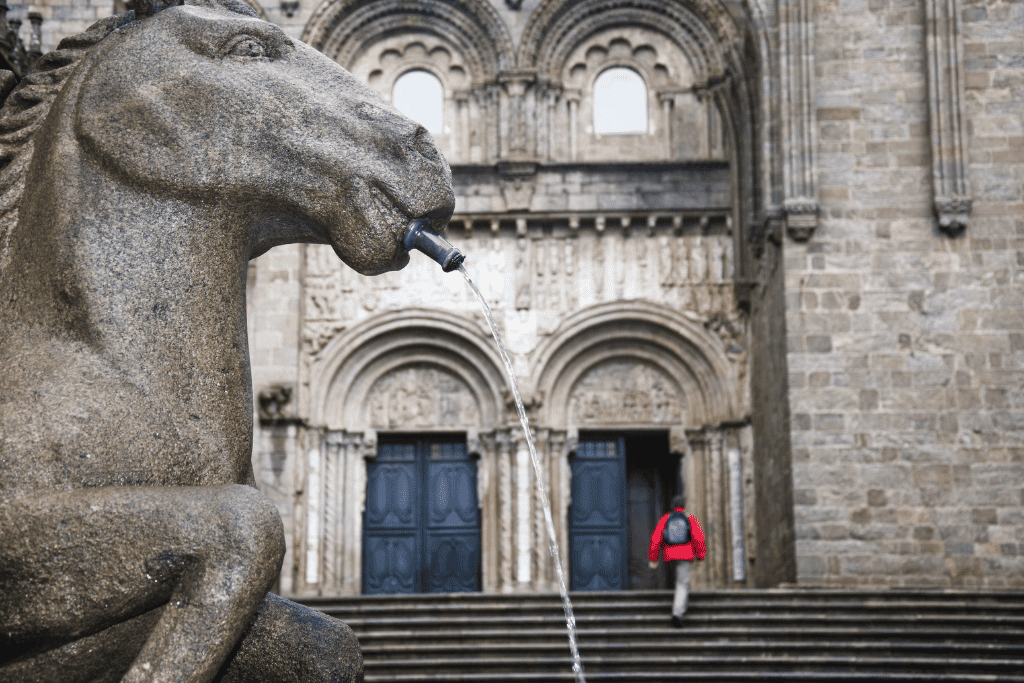
Saturday morning starts early. Santiago is best discovered when it is not yet crowded. After breakfast at the Parador, the walk can begin at Praza das Praterías, one of the oldest and most beautiful squares in the city. The Fuente de los Caballos fountain, the Casa do Cabido and the south entrance to the Cathedral mark the start of a tour that flows effortlessly.
From there, the Rua do Vilar, always sheltered under its arcades, leads past historic confectioners and small shops to other essential spots such as Praza da Quintana, which is transformed by music and life at dusk, the Torre de la Berenguela, Compostela's timekeeper, and Praza da Inmaculada, where the Arco de Xelmírez provides almost magical acoustics for street musicians.
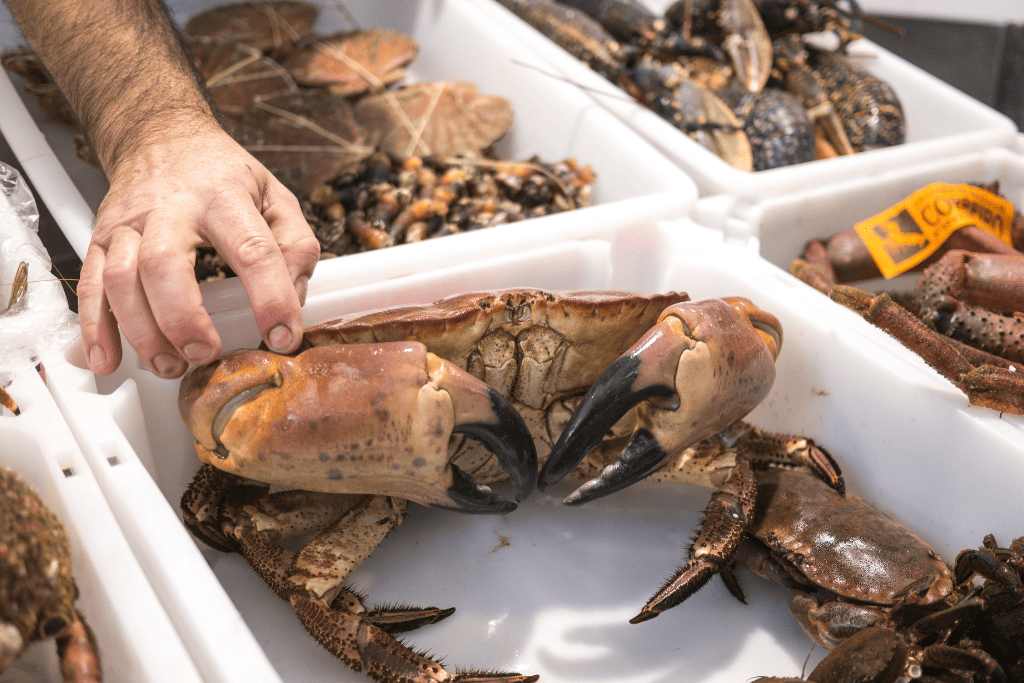
Before lunch, a visit to the Mercado de Abastos market allows you to appreciate the gastronomic essence of Galicia. Seafood fresh from the sea, cheeses, vegetables and lively conversations. Here you feel a little like a local. It's best not to overdo the snacking, because lunch will undoubtedly be one of the highlights of the weekend.
The afternoon is spent wandering the narrow streets of the historic quarter, visiting convents such as San Paio de Antealtares, where traditional confectioneries are still made, and taking short breaks in squares that invite you to sit and watch the world go by. And when night falls, there's nothing more Compostelan than a queimada hot punch, complete with a spell to ward off witches, to end the day with laughter and tradition.
Sunday: the excitement of the Obradoiro and the return to the countryside
Sunday inevitably begins in the Plaza del Obradoiro. It is best seen first thing in the morning. A visit to the Cathedral, with the Pórtico de la Gloria, the embrace of the Apostle and, if you're lucky, the botafumeiro (a censer suspended from ropes and swung overhead) is an experience that goes far beyond the monumental. To round off the morning, climb up to the roofs of the Cathedral for one of the most memorable views of the city, with the rooftops stretching to the horizon.
After the cultural intensity, relax with a stroll through the Alameda Park, one of the best viewpoints in Santiago. Among oak trees and camellias, the statues of the authors Rosalía de Castro and Valle-Inclán remind us that this is also a deeply literary city.
Parador de Santiago de Compostela
Before bidding farewell to Santiago, returning to the Parador for one last meal is almost mandatory. Looking at it once more, pausing in its cloisters or crossing its threshold again reminds you that, more than five hundred years later, this place continues to fulfil its original mission: to offer rest, care and excellence to those who arrive.
It is no coincidence that such a unique track record has recently been recognised with the 2026 FIJET Spain Award for Best Hotel in Spain, awarded by the Spanish Federation of Tourism Journalists, a mark of distinction for its excellence in hotel management and its key role in promoting cultural tourism. In addition to this recognition, it has been nominated as a finalist in the National Geographic Travel Readers' Awards, in the category of Best Hotel with History in Spain. These distinctions confirm that this Parador is not only part of the network, but also part of the memory of those who visit it and make their stay an unforgettable experience.