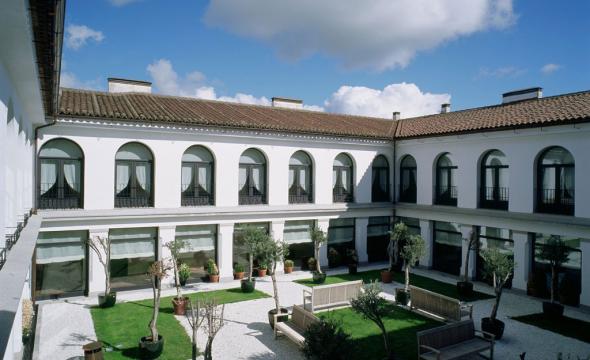
Books and places sometimes come together naturally, as if they shared the same history. Captain Alatriste and the Parador de Úbeda are one such pairing. Pérez-Reverte's novel, deeply linked to the imagery of the Golden Age, finds the perfect setting in this Renaissance palace (the actual location of the film adaptation). And it is easy to imagine that if Don Diego Alatriste had been looking for a place to take a break between duels, it would have been here, in the courtyard of the Parador de Úbeda, with its elegant silence and air of another era.
A swashbuckling novel to understand the Golden Age
El Capitán Alatriste is the first instalment of the adventures of Don Diego Alatriste y Tenorio, a veteran soldier of the Flanders tercios who ekes out a living in 17th-century Madrid as a swordsman for hire. Narrated by his young page, Íñigo Balboa, the novel is a direct homage to classic stories, but also a stark and detailed portrait of the Spanish Golden Age.
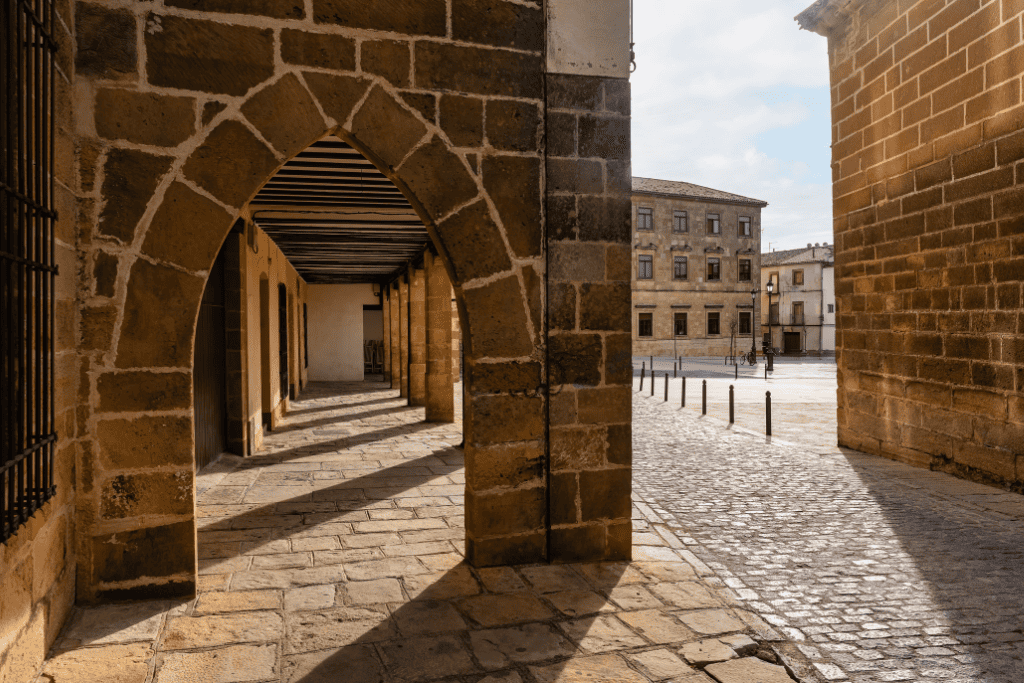
Pérez-Reverte constructs a universe populated by historical figures such as Quevedo, Velázquez and the Count-Duke of Olivares, and fills it with duels in dark alleys, noisy taverns, comedy theatres, court intrigues and political struggles. All this is wrapped up in precise language and an atmosphere that exudes historical truth and adventurous spirit.
Úbeda, from page to screen
The visual power of the novel found a natural extension in its film adaptation, directed by Agustín Díaz Yanes and starring Viggo Mortensen. To bring this universe to life, the team chose several locations in Úbeda, a World Heritage City alongside Baeza and an undisputed jewel of the Andalusian Renaissance.
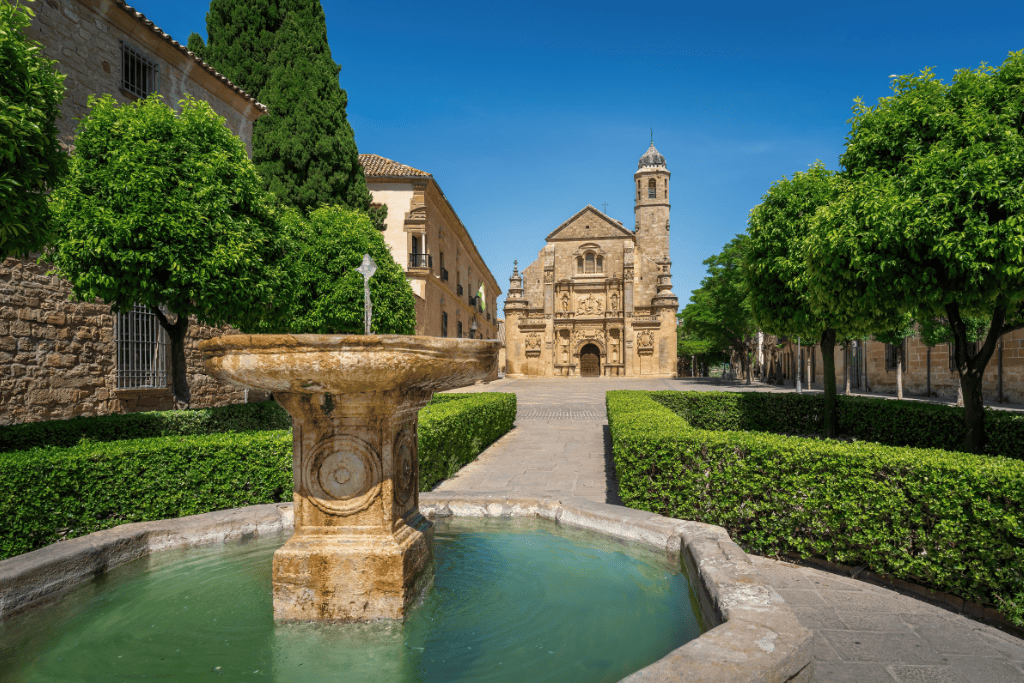
To walk through Úbeda is to walk through a natural setting from the Golden Age. One of its most impressive sights is the Plaza Vázquez de Molina, a unique monumental complex where some of the city's most emblematic buildings coexist: the Vázquez de Molina Palace, the old Pósito, the Palace of the Marquis of Mancera, the Church of Santa María de los Reales, the Sacred Chapel of El Salvador and the Palace of Dean Ortega.
The Parador de Úbeda
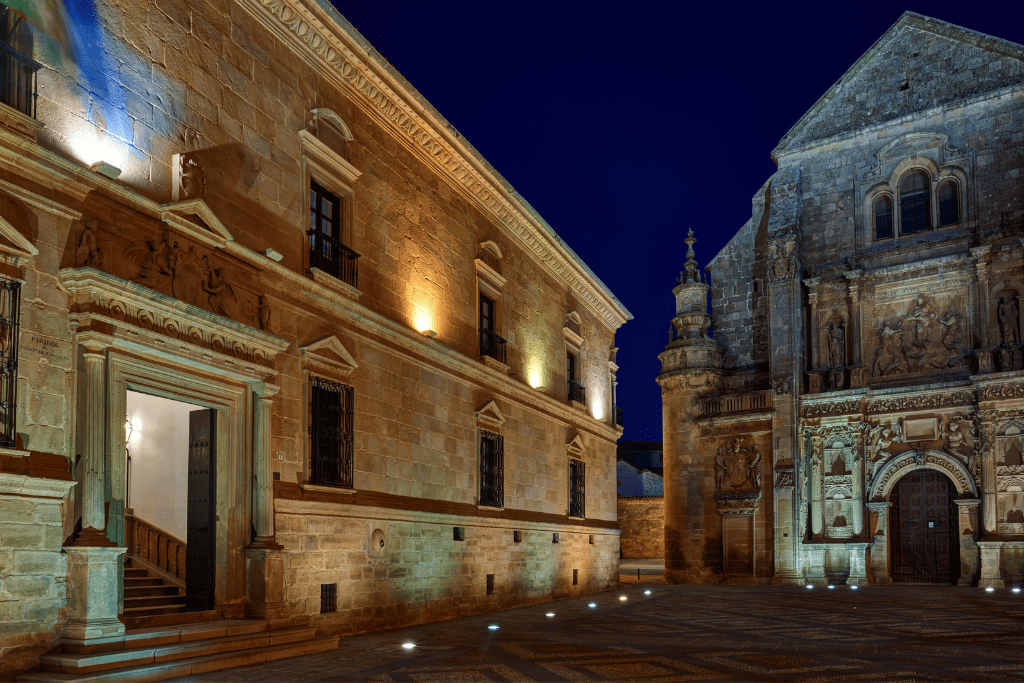
The Dean Ortega Palace, now the Parador de Úbeda, was the first palace to be converted into accommodation in the Paradores network. Originally built as the residence of the chaplain of the Chapel of El Salvador, this Renaissance building stands out for its sober façade and, above all, for its spectacular central courtyard, one of the most beautiful in the city.
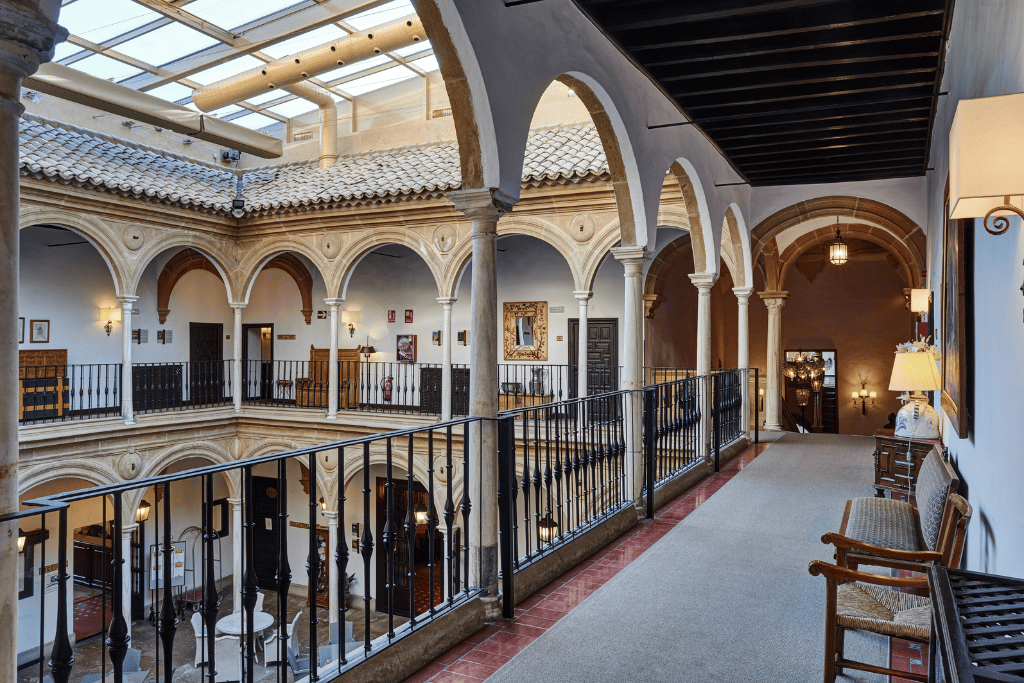
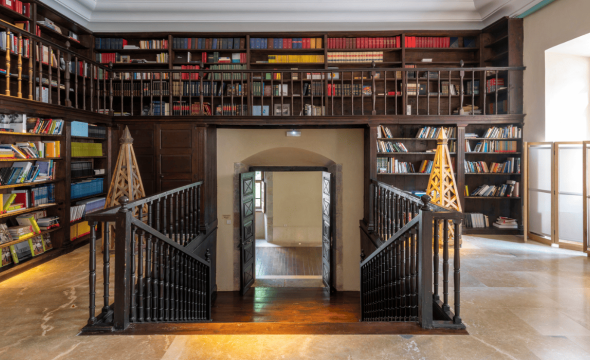
Its halls, rooms and galleries seem designed to house stories. Sitting down to read El Capitán Alatriste under the soft light of its Renaissance courtyard is an experience that transcends literature: the stones, the silence and the history transport the reader directly into the universe of Pérez-Reverte, making Alatriste feel surprisingly close.