Nestled in the heart of Las Villuercas, Guadalupe is much more than just a destination with monuments. It is a village that exudes history, nature and authenticity and, with just 1,752 inhabitants, it has become a living example of how rural Spain can flourish without losing its essence. A day in Guadalupe is a sensory, cultural and emotional journey.
A village that revolves around its jewel: the Monastery
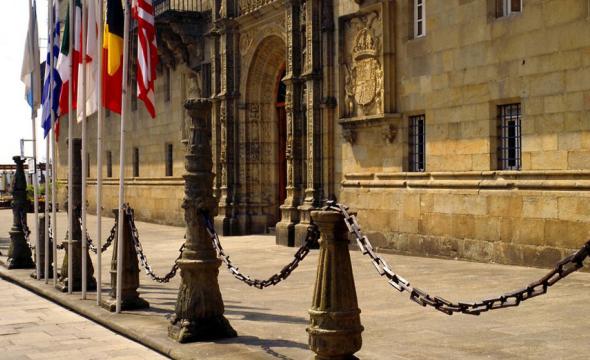
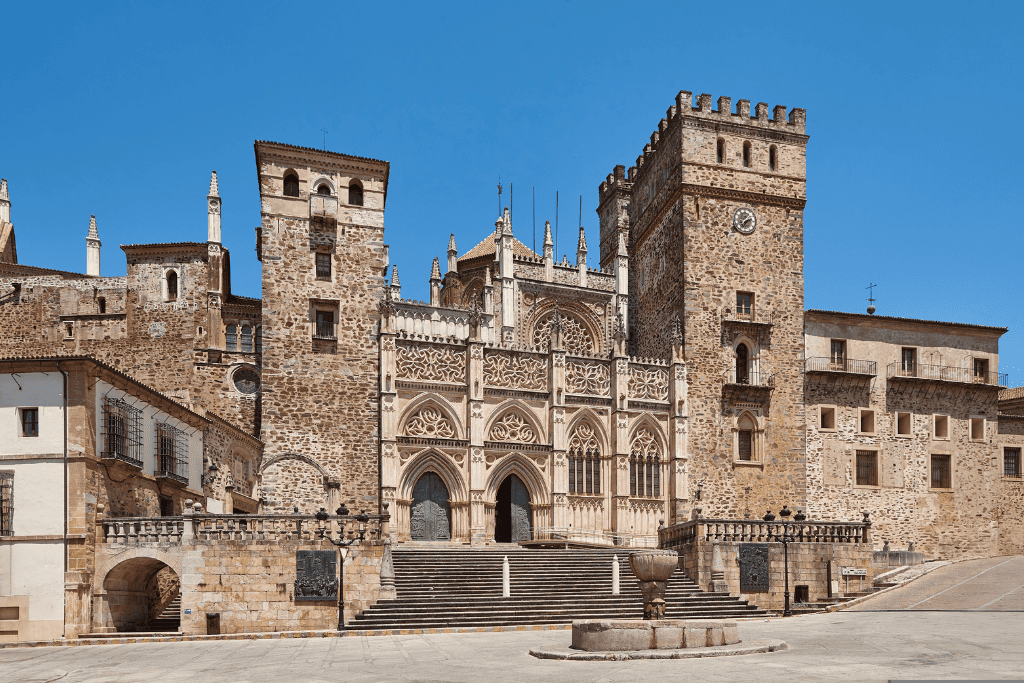
Guadalupe has grown around its great treasure: the Royal Monastery of Santa María de Guadalupe. Founded as a shrine in the 13th century and converted into a monastery in 1389, this architectural complex, declared a World Heritage Site by UNESCO in 1993, is a melting pot of styles: Gothic, Mudejar, Renaissance, Baroque and Neoclassical. Strolling through its cloisters, admiring its altarpieces and discovering its legends is an experience that transcends time.
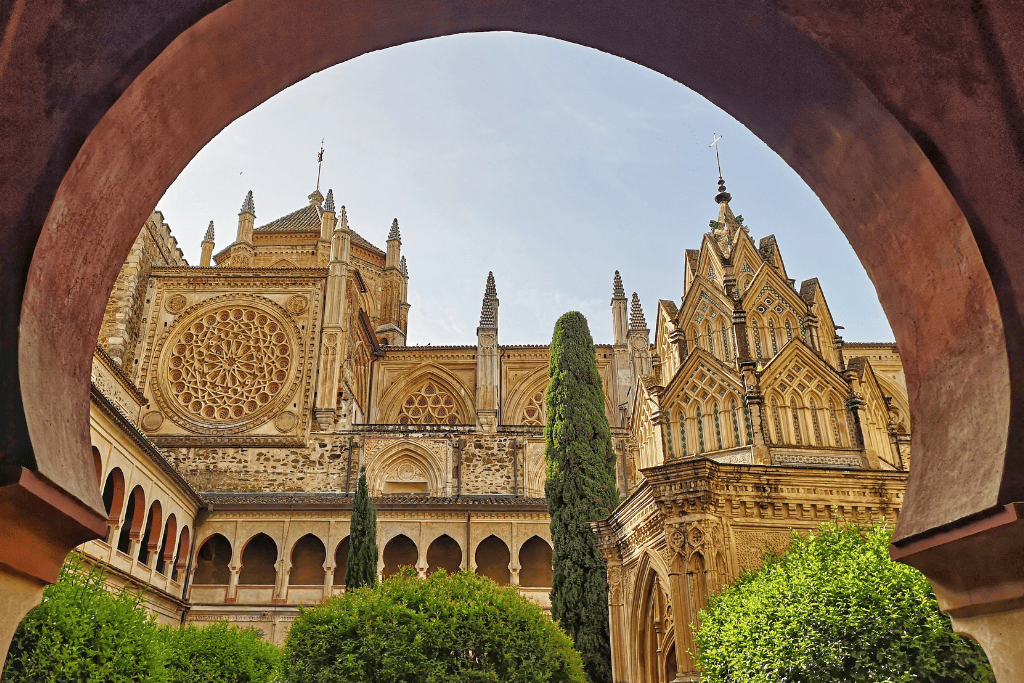
But the charm of Guadalupe does not end within its sacred walls. The Plaza Mayor, the arcades, the Tres Chorros fountain, the Plazuela de la Pasión and the Mirador del Valle de Santa Lucía make up a historic centre that invites you to wander at a leisurely pace.
The surroundings take centre stage
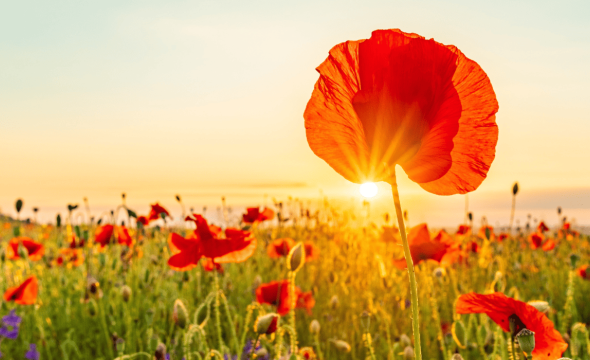
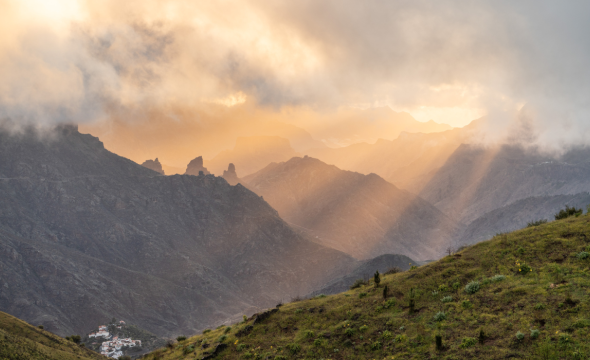
Guadalupe is part of the Villuercas-Ibores-Jara Geopark, recognised by UNESCO, a geological paradise that offers hiking trails such as Las Ermitas, Isabel la Católica and Humilladero-Altamira. All of them allow you to discover landscapes of great beauty and connect with the biodiversity of the area.
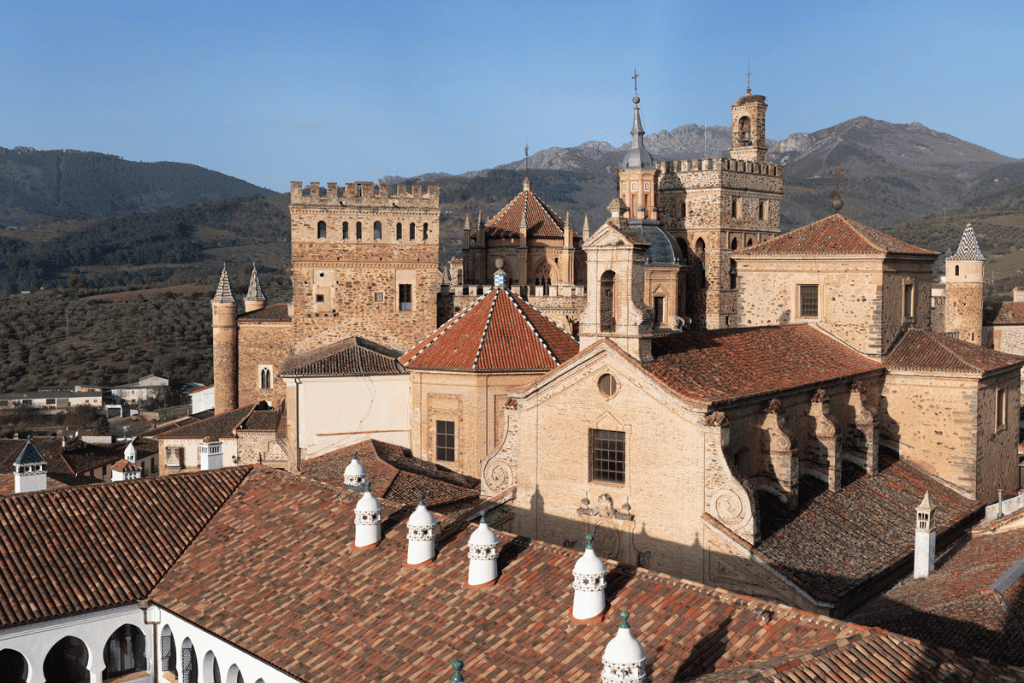
The “Nature for the Senses”, programme, promoted by Paradores, has found the perfect setting in Guadalupe. Here, visitors can take part in activities ranging from forest bathing, outdoor yoga and starlight astronomical observations to workshops on ancestral crafts, visits to mines, caves, olive groves and wineries. It is a way of travelling that focuses on sustainability, the local community and a deep connection with the environment.
Wine and olive oil tourism: flavours with roots
The region offers experiences centred on wine and olive oil that enrich any getaway. Wineries such as Ruiz Torres and Carabal, and oil mills such as Ecolibor and Cooperativa Santa Catalina, offer an insight into the production of products that are an essential part of Extremadura's gastronomic culture. Tastings, guided tours and meetings with local producers complete this immersion in the flavours of the region.
The Parador
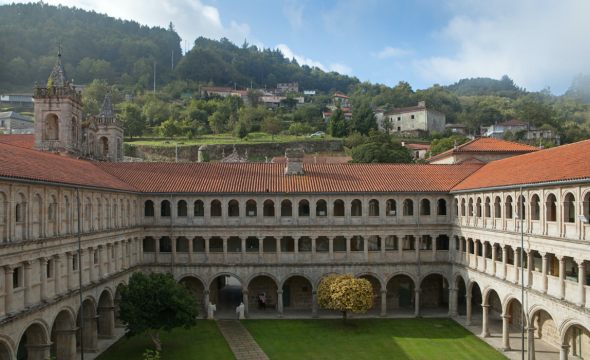
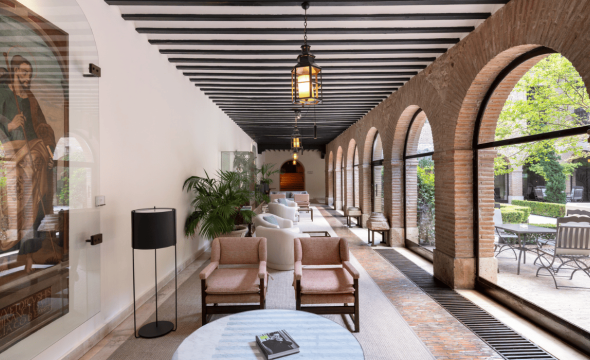
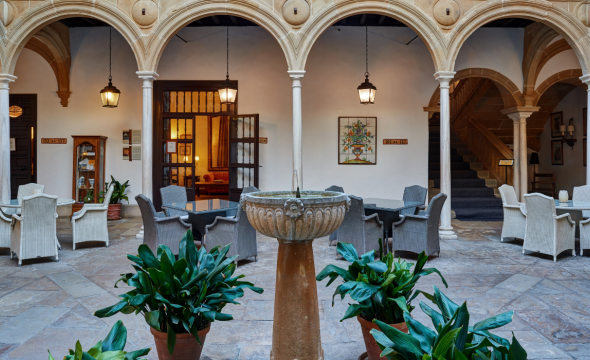
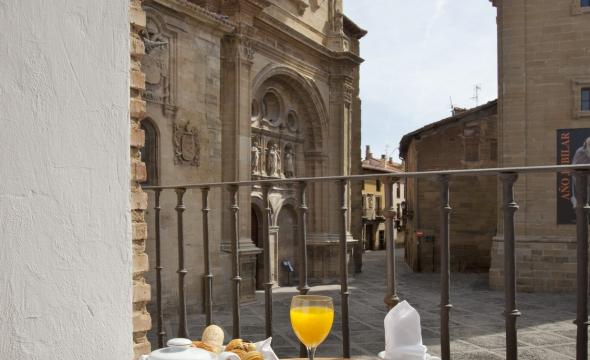
A few metres from the monastery stands the Parador de Guadalupe, a Mudejar complex comprising the Hospital de San Juan Bautista (14th century) and the Colegio de Infantes (15th century). Decorated with pointed arches and Arabic latticework, this historic building offers a cosy stay with views of the monastery or its gardens.
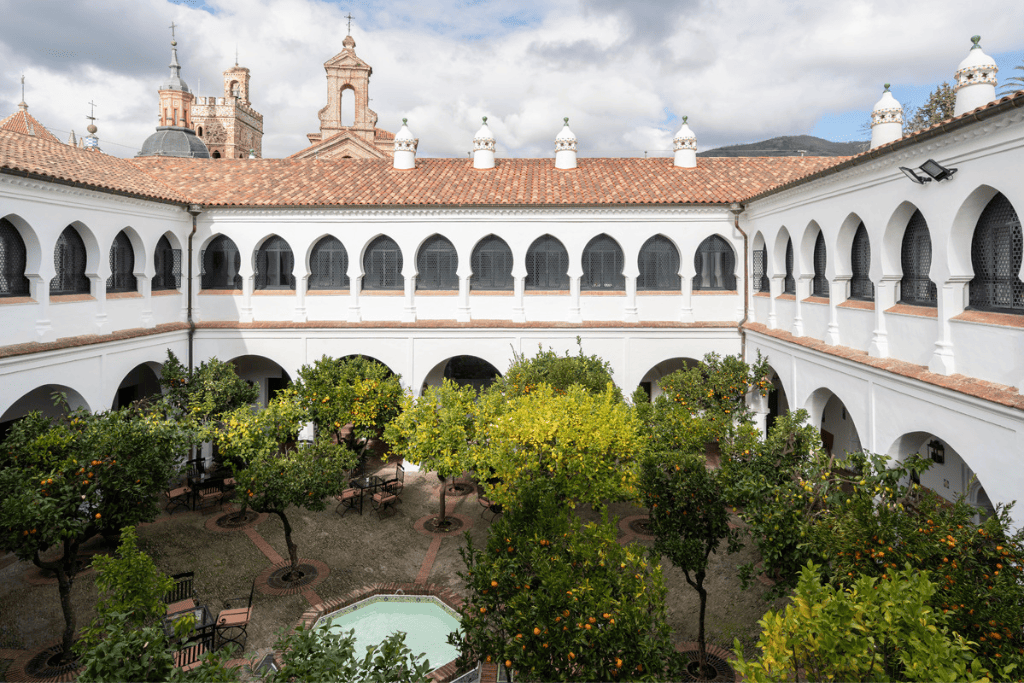
The Parador is much more than just accommodation, however. As part of the 70% of the Parador network located in municipalities with fewer than 35,000 inhabitants, it is an economic, social and cultural cornerstone for Guadalupe. With more than 20,000 guests a year, its impact on local life is evident: it boosts trade, supports entrepreneurs, creates steady employment and partners with associations and groups in the municipality.
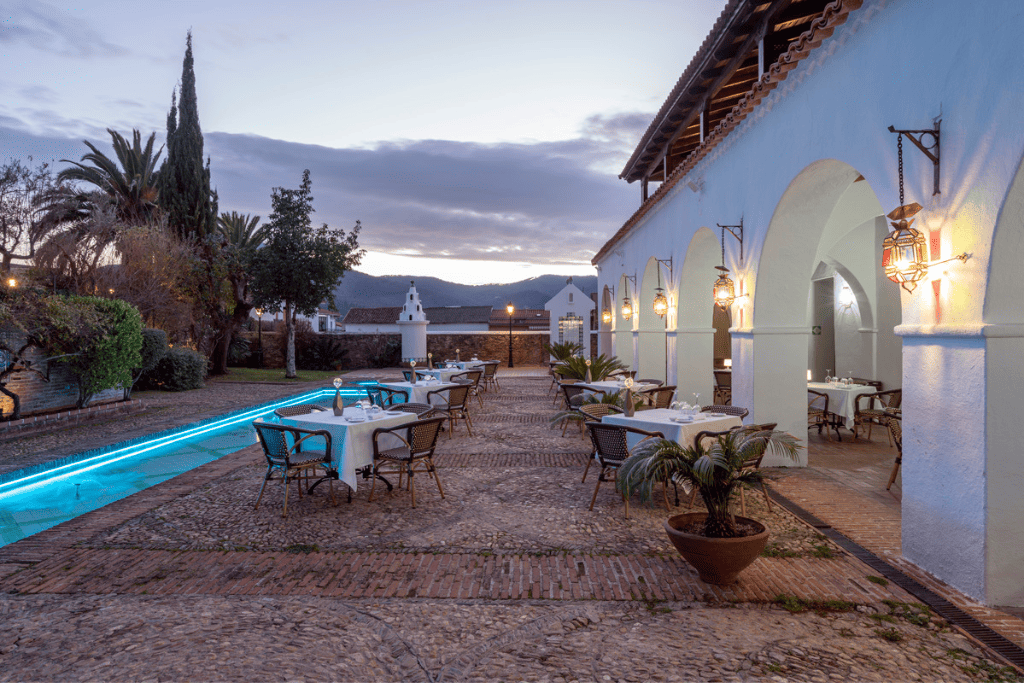
Furthermore, its commitment to sustainability is reflected in the continuous improvement of its facilities and its commitment to local suppliers, promoting a circular economy that benefits the entire region.
Gastronomy with soul
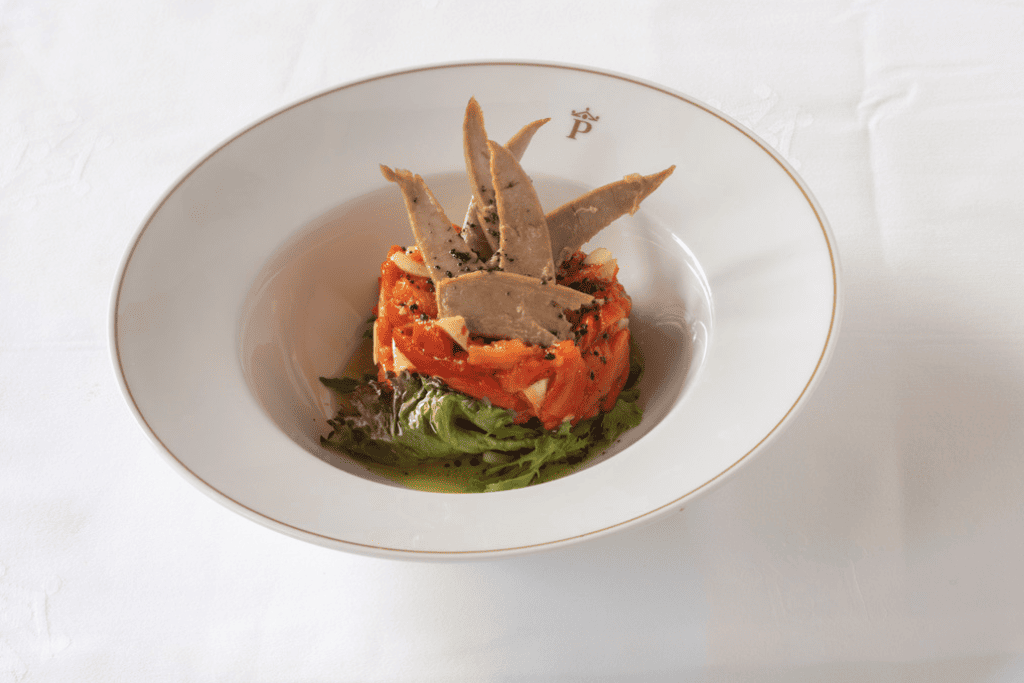
The Parador's restaurant is a tribute to Extremaduran cuisine. Dishes such as bacalao monacal (monastic cod), recovered from the monastery's old recipe books, tomato soup with grapes, ajo blanco (white garlic soup), migas (breadcrumbs), lamb stew and repápalos con leche (a milk-based dessert) are just some of the specialities that combine tradition and creativity. All of this is prepared with local products: D.O. cheeses, honey, game meats, Iberian pork...
We look forward to seeing you at the Parador de Guadalupe!