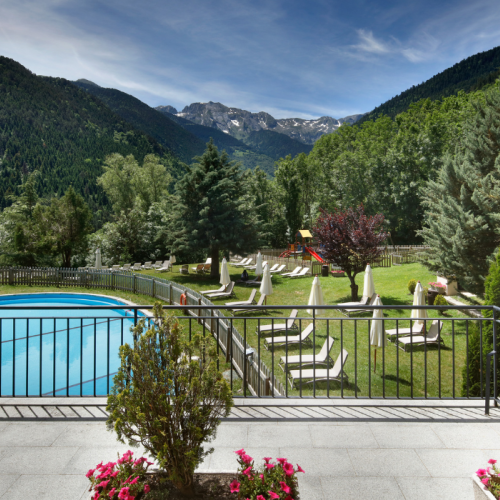
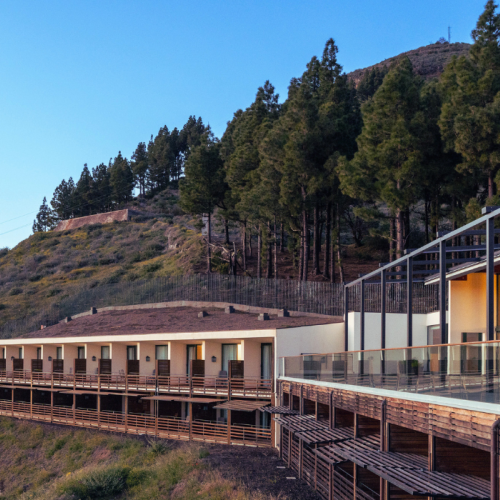
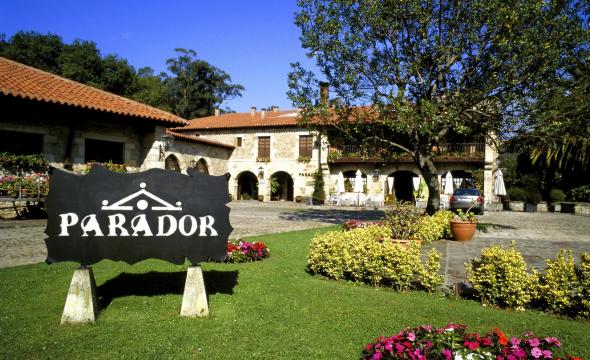
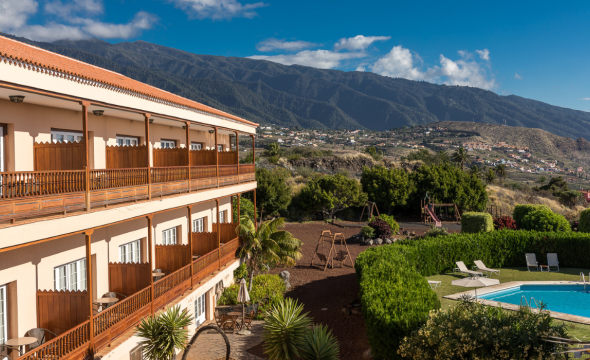
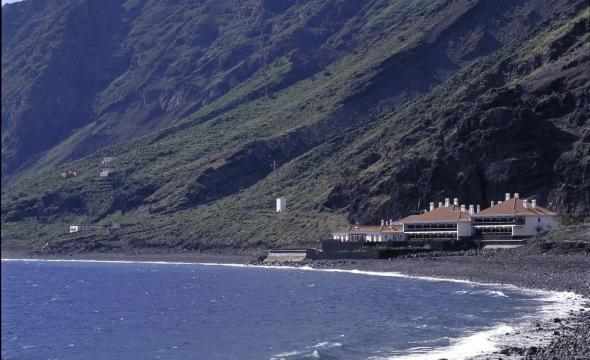
In the Asturian countryside, surrounded by the majesty of the Picos de Europa mountains and on the banks of the River Sella, lies a historical treasure trove steeped in legend and mystery: the Benedictine monastery of San Pedro de Villanueva, now converted into the Parador de Cangas de Onís. This unique place, in addition to its architectural beauty, holds within its walls a story that has fascinated scholars and curious minds for centuries: the legend of the caradrio (or caladrio), a white bird capable of healing and predicting the fate of those who crossed its gaze.
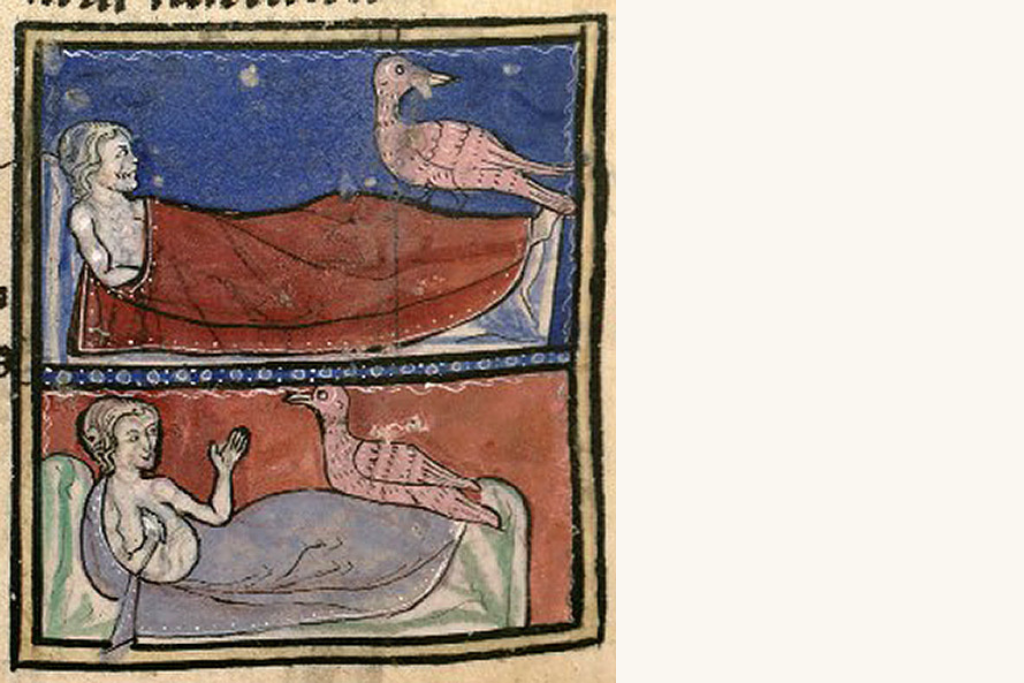
During the 8th century, there was talk of a bird with completely white plumage which, according to tradition, had the power to heal "cloudy eyes", i.e. vision problems. But not only that, the caradrio could predict the life or death of a sick person depending on whether they managed to hold its gaze. A symbol of hope for some, and a warning for others.
The figure of the caradrio appeared in various ancient texts, including Deuteronomy, the fifth book of the Bible. However, physical depictions of the bird were extremely rare, until a discovery completely changed the understanding of this legend.
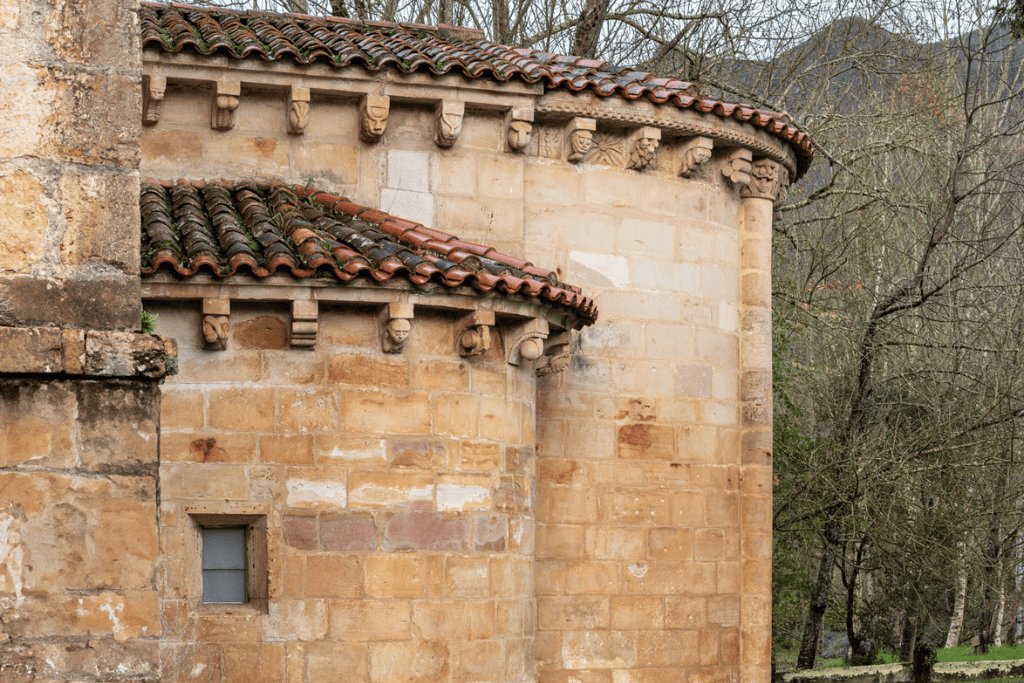
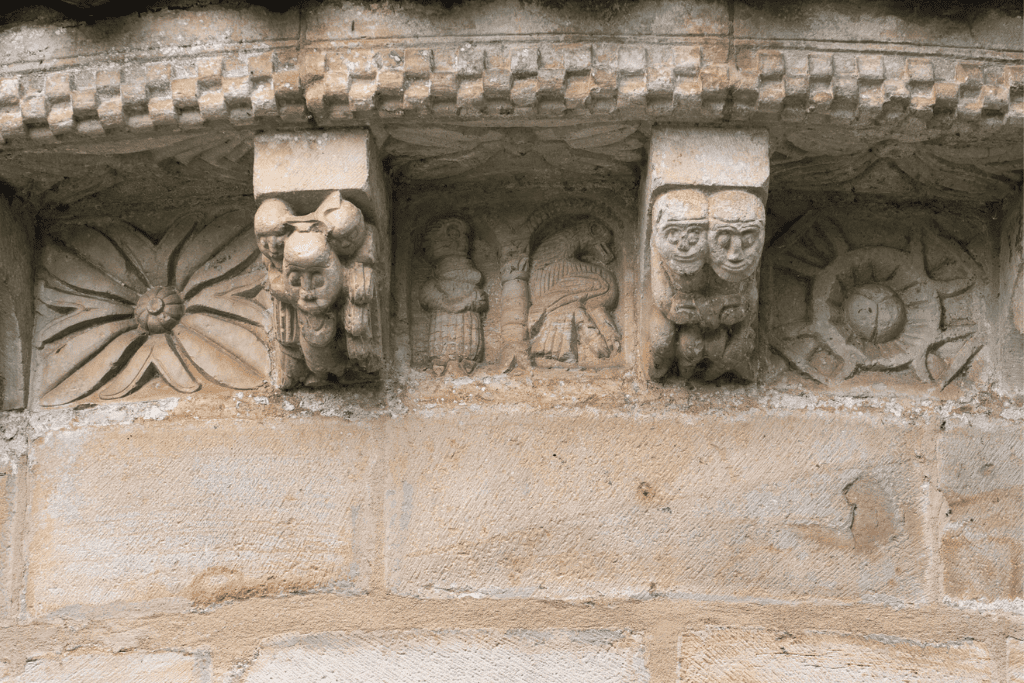
It was the researcher and expert in Romanesque art Antonio García Francisco who, in his review of the capitals and corbels of the monastery of San Pedro de Villanueva, discovered two depictions of the caradrio. One of them shows the bird staring at a monk, while in the other, the bird is looking at a sick person with an expression that seems to convey comfort and healing. These sculptures, dating from the 12th century, are some of the oldest and rarest representations of the caradrio known to date.
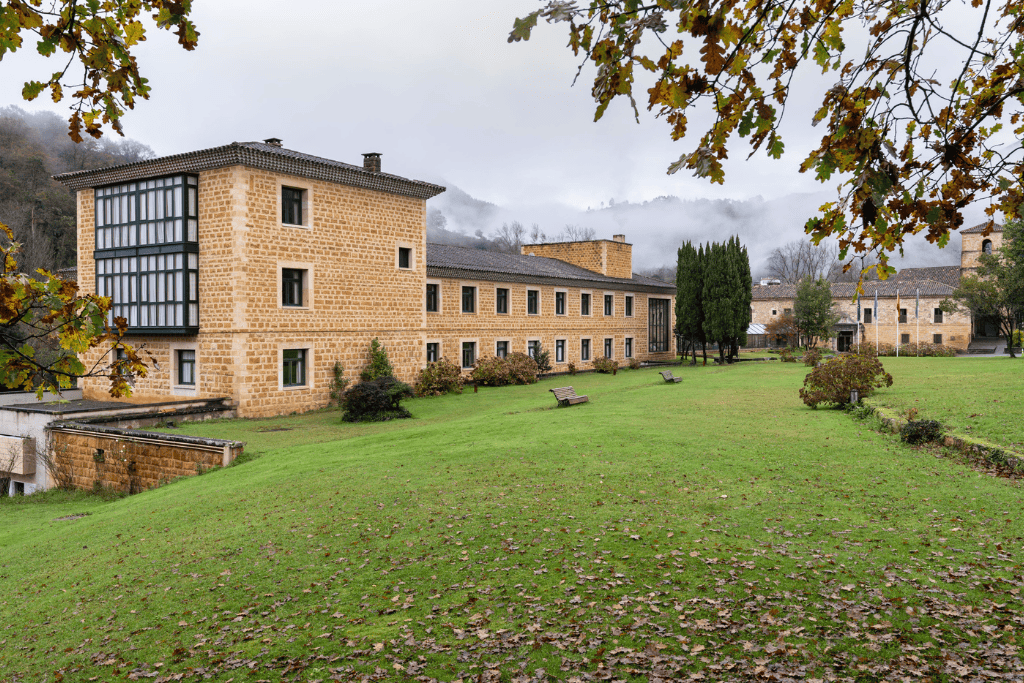
Today, the Parador de Cangas de Onís houses half of these rare depictions in Europe, offering visitors the opportunity to immerse themselves in the history and mystery of this legendary animal, while enjoying the incomparable beauty of the Asturian surroundings.
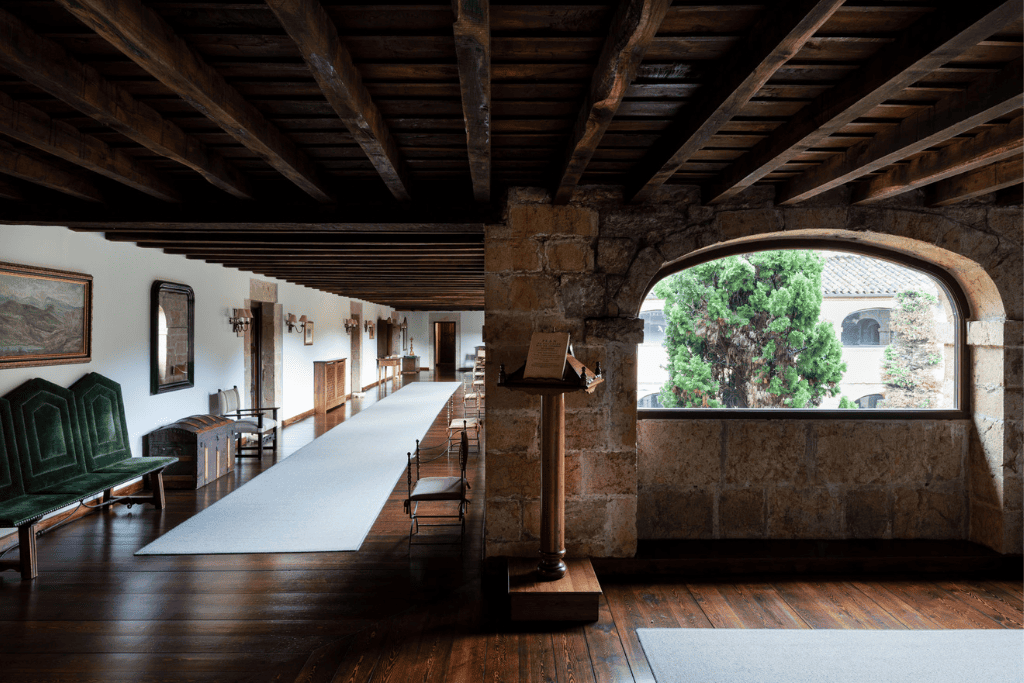
Located in such a superb setting, at the gateway to the Picos de Europa and next to the iconic River Sella, the Parador is not only a destination for those seeking comfort and elegance, but also for those who wish to connect with a history rich in myths and legends. A place where Romanesque art and nature meet in perfect harmony, and where, perhaps, one of these ancient caradrios still keeps its gaze on one of the stones that adorn this historic monastery.