Carnival is not just a date on the calendar or a series of parades. It's a different way of travelling. It's arriving at a place when everything is happening, when people take to the streets without watching the clock and cities show themselves as they really are: noisy, ironic, creative and hospitable. It's improvising plans that go on and on, sharing a table after hours of laughter and walking back without rushing because there's always something else to see or hear just around the corner.
Travelling during Carnival means letting yourself go, and each destination does it in its own way.
Cadiz: wit, tradition and street parties
In Cádiz you don't have to look for Carnival, Carnival finds you. Between 13 and 22 February, coinciding with the big days of the Official Carnival Group Competition, the historic centre becomes a continuous stage. Chirigotas and comparsas spring up in squares and on street corners, improvised, intimate, sharp in their humour and deeply Cadiz.
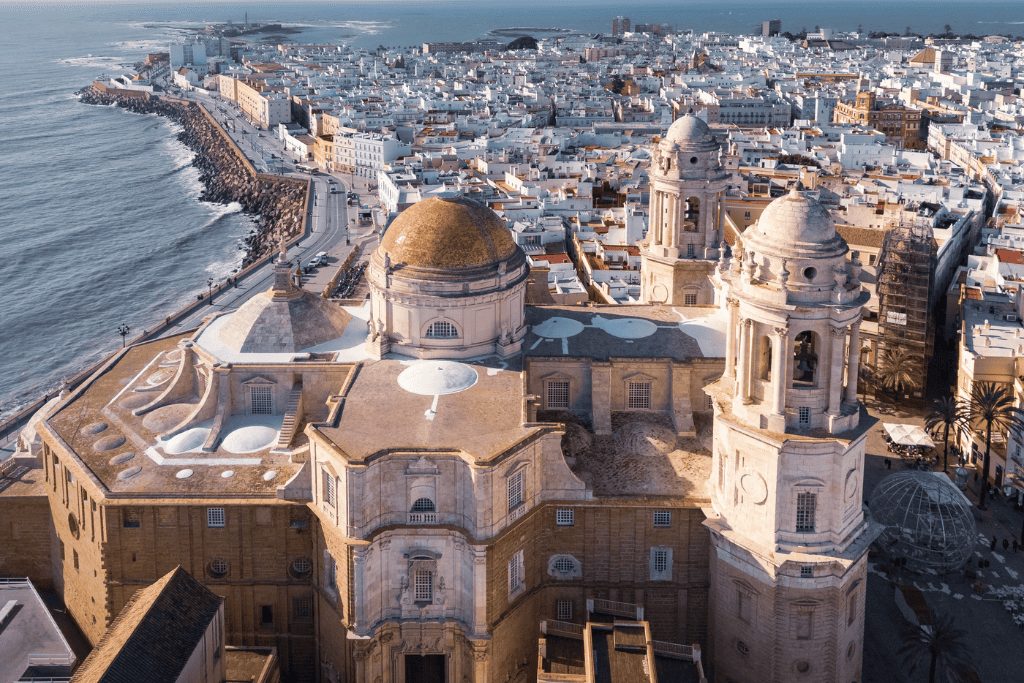
The plan is simple and perfect: go out in the morning, lose yourself in the songs, let the day unfold without a schedule and finish off by gazing out at the Atlantic. Nearby, the Parador de Cádiz allows you to slow down when you feel like it, relax by the sea and return to the streets when your body and the music call you back.
Canary Islands: Carnival in style
In Santa Cruz de Tenerife, Carnival is pure spectacle. From 11 to 17 February, the city is filled with colour with the Queen's Gala, the parades and the Coso Apoteosis, the grand parade that puts the finishing touch to days of continuous celebration. Here, everything is intense, from the music and the incredible costumes to the participation that envelops everything.
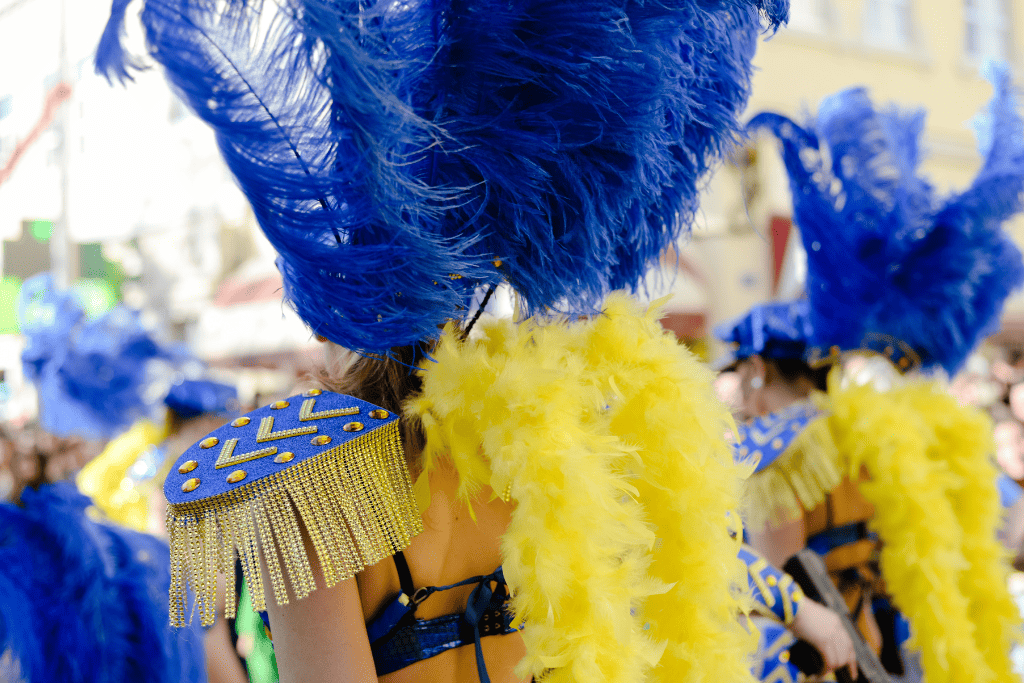
In Las Palmas de Gran Canaria, the spirit is similar, but the calendar is even longer: from 23 January to 1 March. The Drag Queen Gala, on 20 February, is one of the most eagerly awaited moments and a reflection of the open and creative nature of the Canary Islands Carnival.
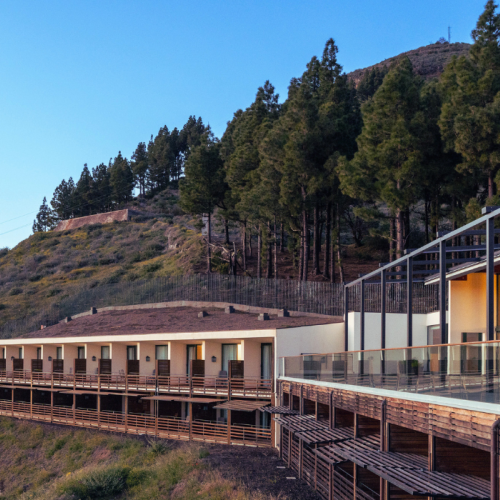
To balance out the energy of the party, staying at the Parador de Las Cañadas del Teide or the Parador de Cruz de Tejeda allows you to discover another side of the islands with volcanic landscapes, silence, clear skies and peaceful mornings before diving back into the hustle and bustle.
Sitges: Carnival by the Mediterranean
The Sitges Carnival, from 12 to 18 February (with preliminary events from the 7th), is a vibrant celebration closely linked to the sea. The parades wind their way along the seafront and through the historic centre in a creative, diverse and festive atmosphere, ideal for those who want to combine spectacular parades with walks along the Mediterranean.
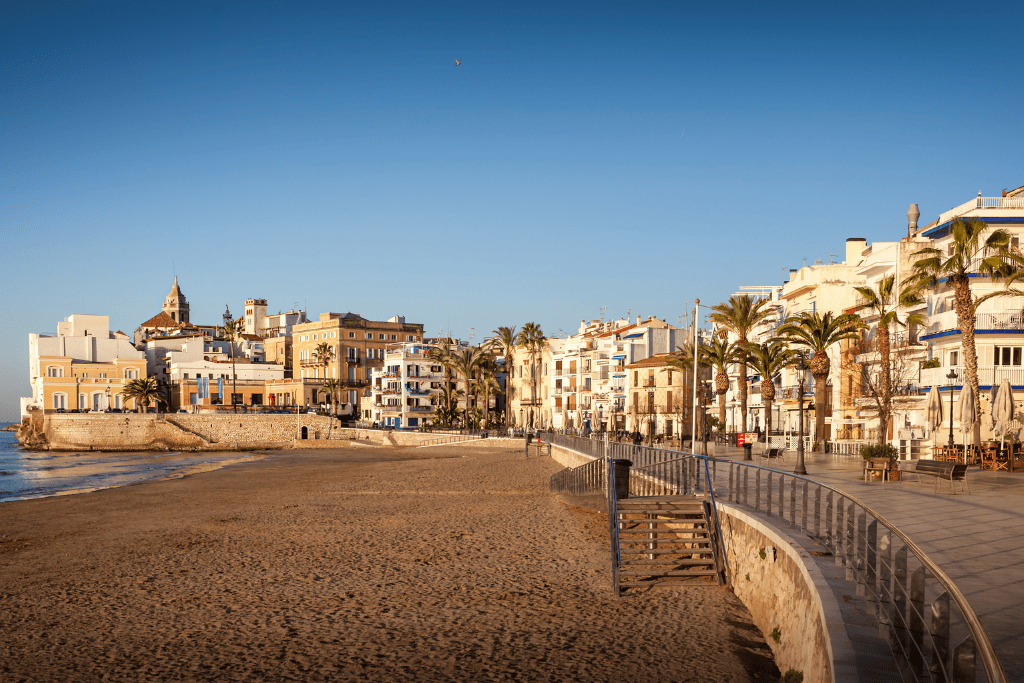
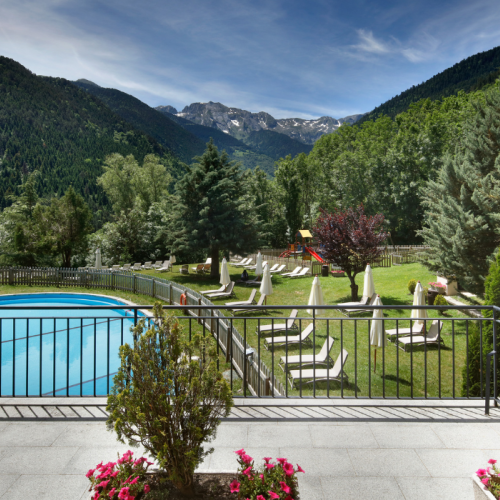
Here, the plan is effortlessly complete: quiet mornings, afternoon parades, long dinners and getaways to the Catalan coast. Staying at the Parador de Aiguablava, or other Paradores in the area, adds scenery, gastronomy and that touch of calm that makes the trip even more memorable.
Badajoz: the inland carnival
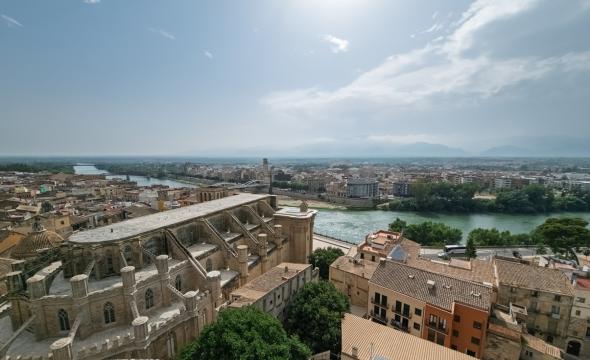
The Badajoz Carnival is one of the biggest in the interior of the Iberian peninsula and is experienced with a special close-up and personal feel. Between 13 and 22 February, with Tuesday 17th as a local holiday, comparsas, murgas and parades fill the city with participation and a popular atmosphere.
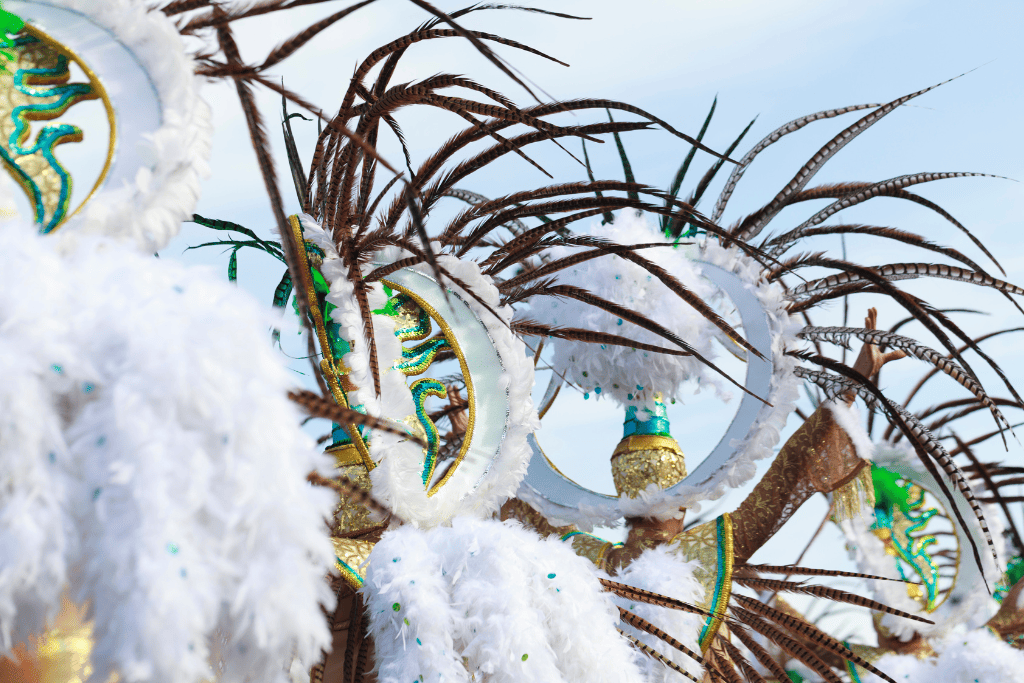
It is a carnival of streets, squares and spontaneous encounters. Perfect for exploring the historic quarter, sitting down to watch and letting yourself be swept along. From the nearby Parador de Mérida, the getaway is extended with a journey through Roman history and a cultural experience that balances celebration and discovery.
Águilas: tradition, colour and ritual
In Águilas, Carnival is identity. It kicks off with the symbolic Handover of Powers on 31st January and continues throughout February, with the big parades taking place in the middle of the month. The confetti, the cuerva (a type of wine) and the rituals make the festival more than just a spectacle; it is a shared tradition, recognised as being of International Tourist Interest.
Here, intensity coexists with respect for what has been passed down from generation to generation. Staying at the nearby Parador de Lorca, allows you to complete your trip with heritage, scenery and delicious cuisine.
Traditions that are better understood when shared
In Galicia, Entroido preserves ancestral rites that surprise and thrill. The festival in Xinzo de Limia, considered the longest in Spain, is celebrated from 24 January to 22 February; the one in Verín, lasts from 29 January to 17 February. Unique characters, sounds, masks and gestures that speak of identity and collective memory.
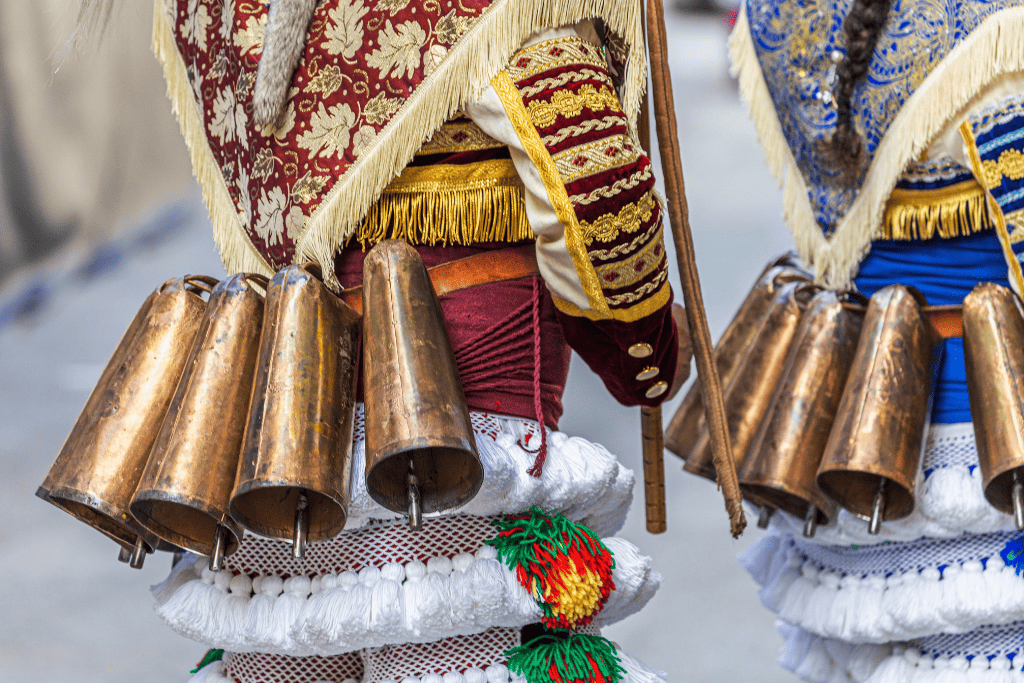
From the Parador de Verín, it is easy to experience these celebrations from within and explore the region at your leisure.
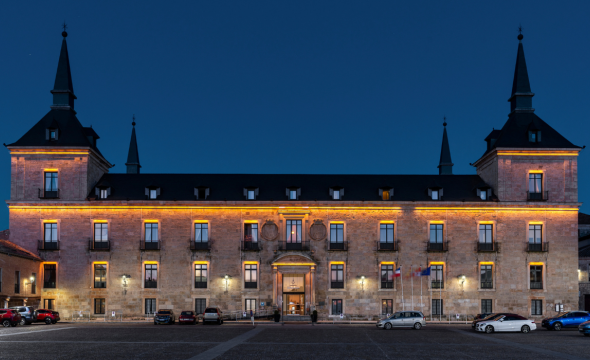
In Madrid, from 14 to 18 February, the city celebrates Carnival with activities for everyone, culminating in the Burial of the Sardine, a symbolic parade that bids farewell to the festivities with irony and a smile. From the Parador de Alcalá de Henares, the plan is rounded off with cultural walks, good food and time spent together.
Because Carnival, in the end, is all about wandering aimlessly, following the sound of a brass band, sitting down to eat after a busy day and feeling that, even if only for a few days, you are part of the place.
What is your Carnival like?