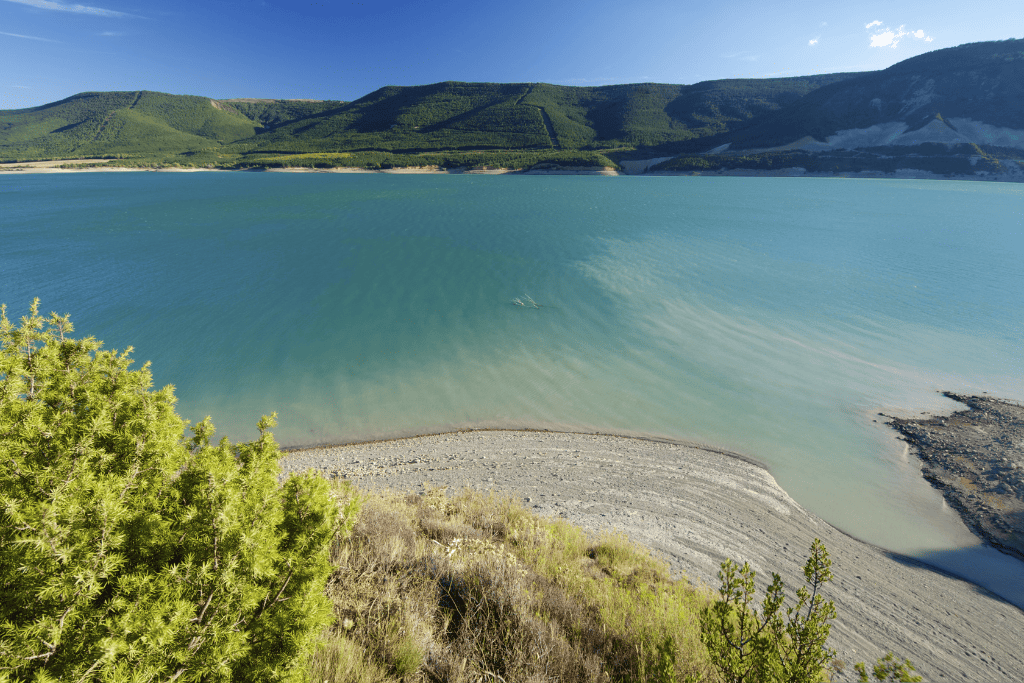
In the midst of the border between Aragon and Navarre, where landscapes merge with history, is a phenomenon as unexpected as it is fascinating: the ruins of the ancient village of Tiermas and its Roman spa emerge from the waters of the Yesa reservoir like a secret only revealed to those who know when to look.
A submerged history
During the 1960s, construction of the Yesa reservoir radically transformed the lives of hundreds of families. The villages of Ruesta, Escó and Tiermas were evacuated and their houses, streets and temples flooded. Tiermas, however, held a treasure that neither time nor water has managed to erase: a Roman spa whose thermal waters have been used for centuries thanks to their therapeutic properties.
The first written reference to these waters dates back to 1131, when there was a hospital that cared for people with limited resources. Over the centuries, the thermal baths became a wellness centre, with mineral-medicinal baths and drinking fountains. Today, that legacy briefly resurfaces each year.
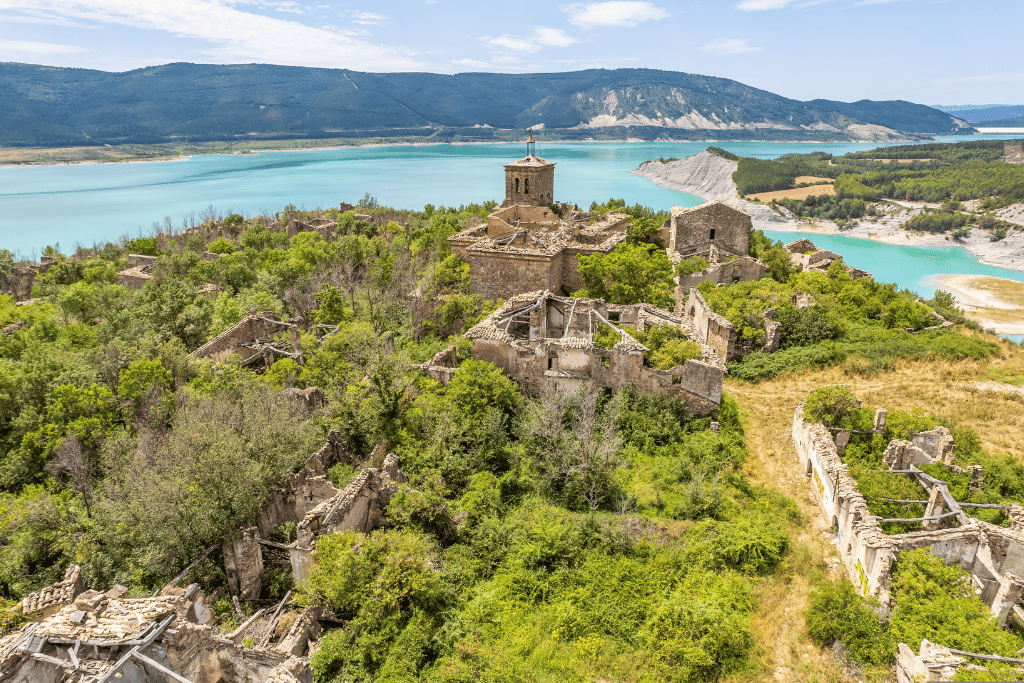
When the reservoir level drops below 29% of its capacity, a common occurrence between September and October every year at the end of the irrigation season, the ruins of Tiermas come back to life. In the lower part of the village, sulphurous waters spring forth at over 40 degrees, forming natural pools where bubbles are still visible, revealing their underground origin.
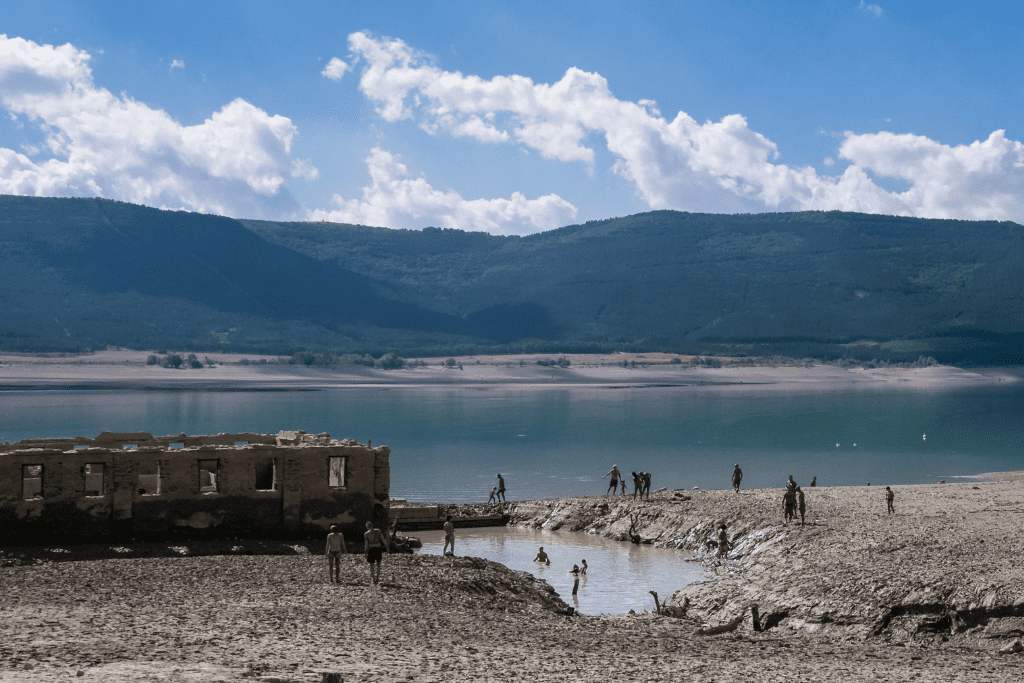
The characteristic smell, similar to sulphur, announces the presence of these waters, which for centuries have been used to treat skin conditions such as psoriasis, dermatitis and acne. Today, far from the luxuries of yesteryear, the spa is available free of charge to the public: visitors from all over come to enjoy a free thermal bath in the heart of nature.
How to get there and when to visit
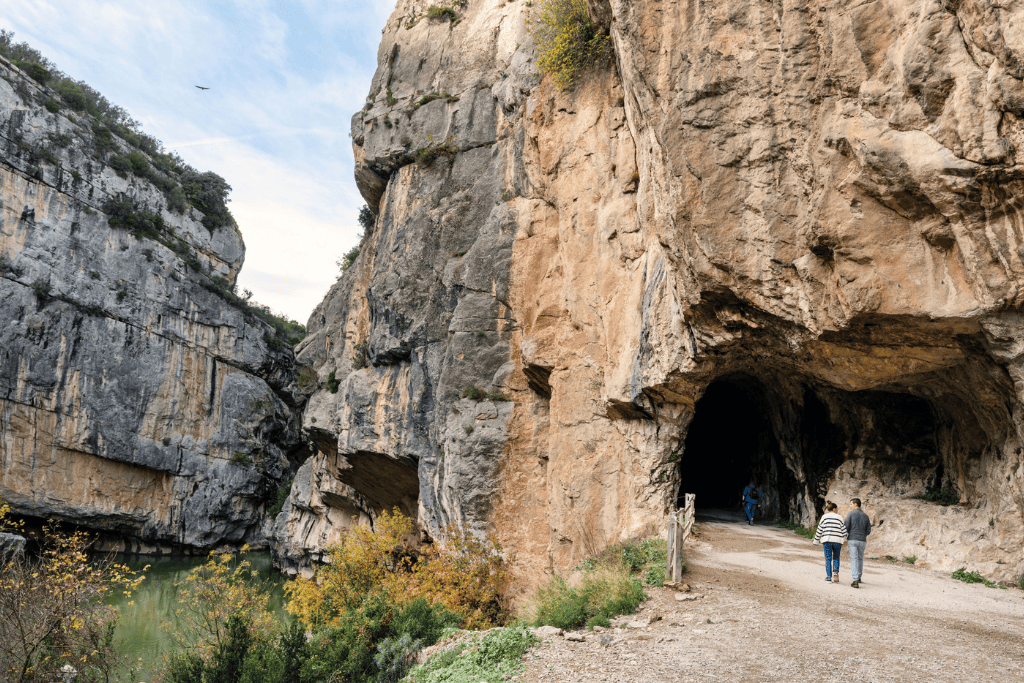
Access to Tiermas is not difficult, although it does require a bit of adventure. From Jaca, via the N-240, or from Zaragoza, via Sos del Rey Católico, you reach an area where you can leave your car. From there, a road closed to traffic climbs up to the abandoned village. The route, although bumpy, is passable on foot.
The best time to visit is in late summer and early autumn, when the reservoir is lower and the hot springs are exposed. Don't forget to bring comfortable shoes, a swimsuit, a towel... and a desire to be surprised.
Stay at the Parador de Sos del Rey Católico
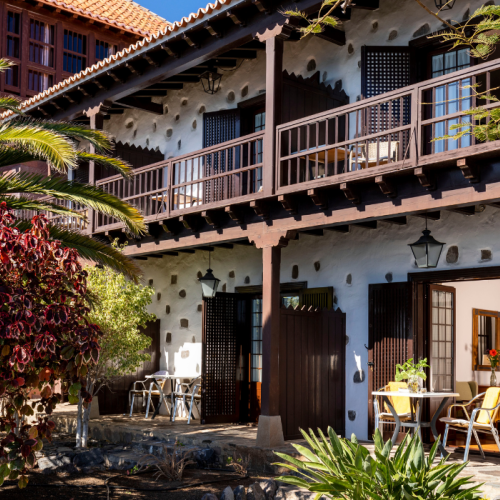
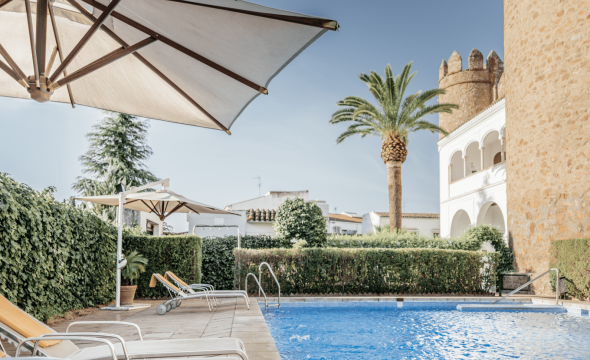
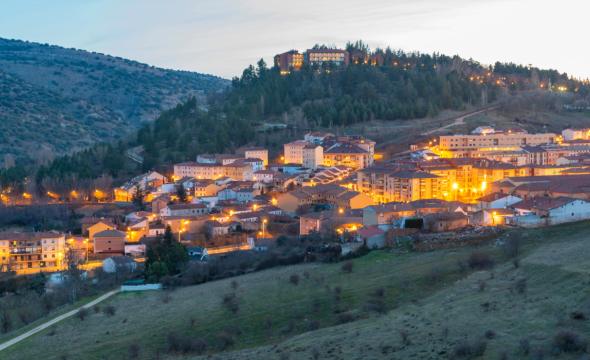
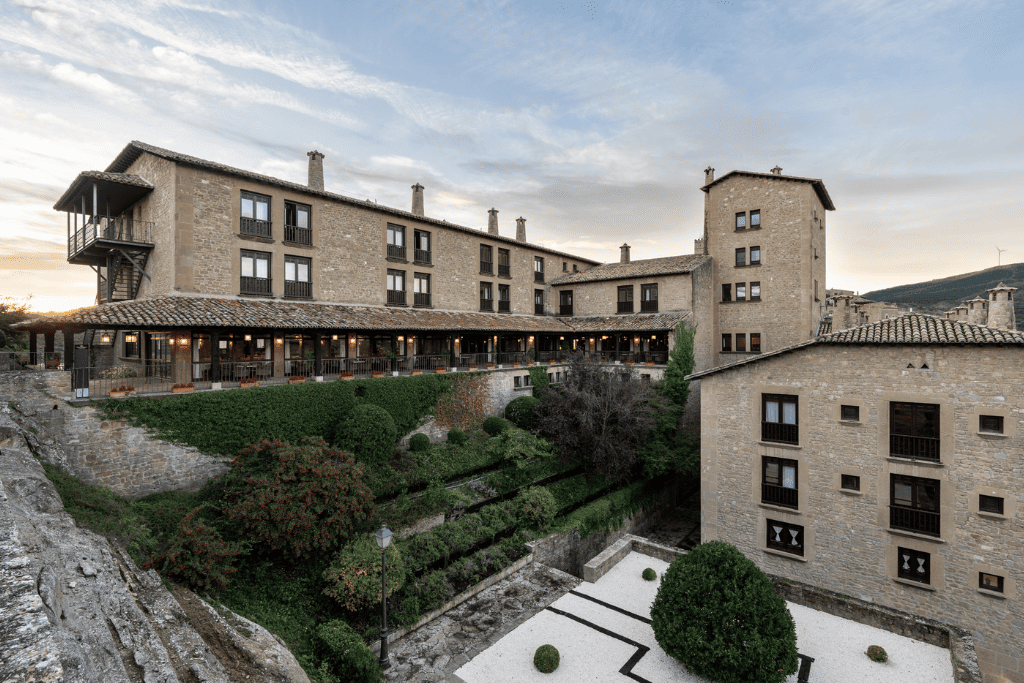
To complete this unique getaway, what better than a stay at the Parador de Sos del Rey Católico, just a few kilometres from Tiermas. Located in an Aragonese manor house within a walled medieval village, this Parador offers a relaxing experience with privileged views of the mountains.
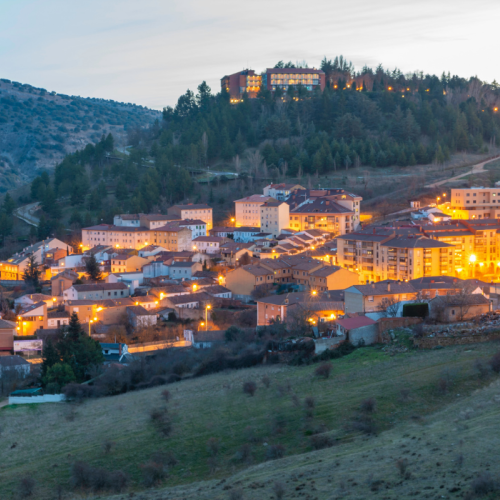
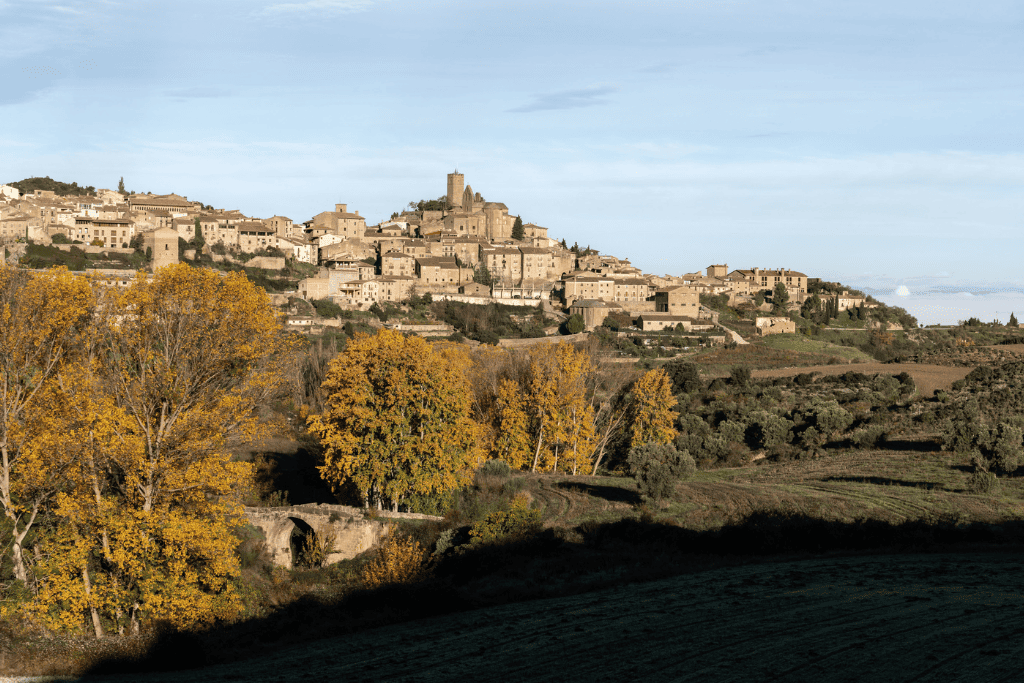
Sos del Rey Católico is a destination in itself: cobbled streets, a wall with seven gates, a castle, the 16th-century Casa de la Villa, the chapel of Santa Lucía and the upper quarter, the old Jewish quarter, make it the perfect setting for lovers of history and hiking.