Córdoba, a city steeped in history and charm, enchants every visitor with its extraordinary legacy and vibrant atmosphere. Dominated by the awe-inspiring Mezquita-Catedral, this Andalusian gem unfolds within a UNESCO World Heritage historic centre, where every winding alley invites you to lose yourself amidst lively patios, welcoming plazas, and taverns brimming with flamenco passion and exquisite gastronomy. With its breathtaking corners and festive spirit, Córdoba is a destination that leaves an unforgettable imprint on the soul.
Cordoba and its diverse landscape environment
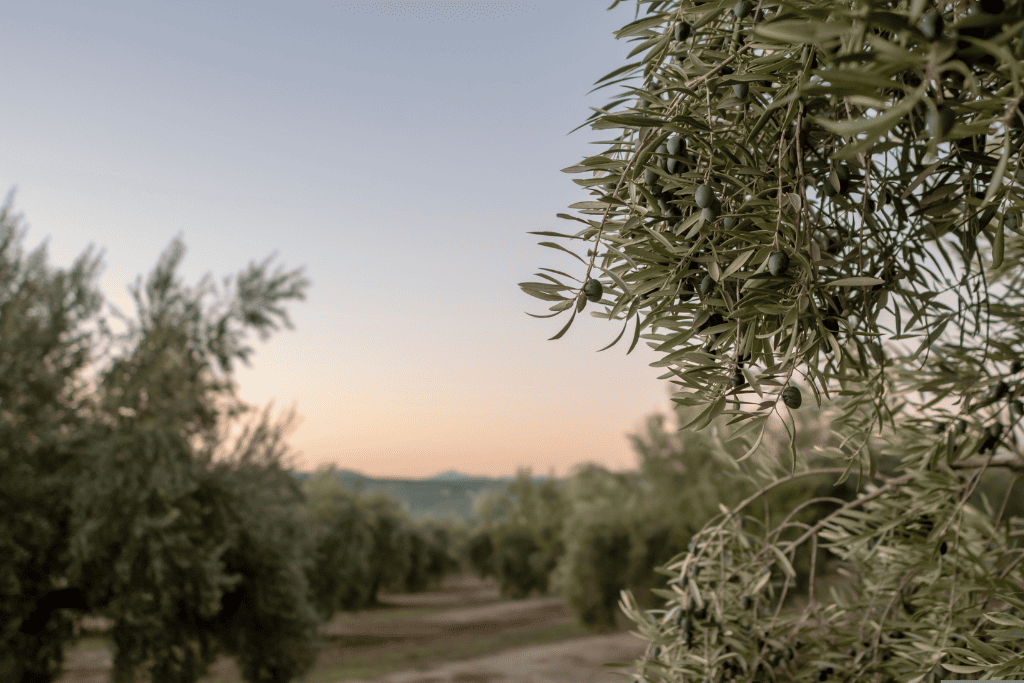
The Córdoba region reveals a rich and varied geography shaped by time, water, and rural life. Endless olive groves stretch as far as the eye can see, accompanied by vineyards nourished by the tributaries of the Guadalquivir River — the vital artery of Andalusia that traverses the province from east to west. This great river divides the land into two distinct worlds: to the north, the rugged and mountainous Sierra Morena, to the south, the expansive and fertile Guadalquivir plains, gently rising towards the heights of the Subbéticas mountain range.
Córdoba thus offers a natural environment full of contrasts — a land of living nature inviting you to explore it with calm and reverence.
Must-See Highlights
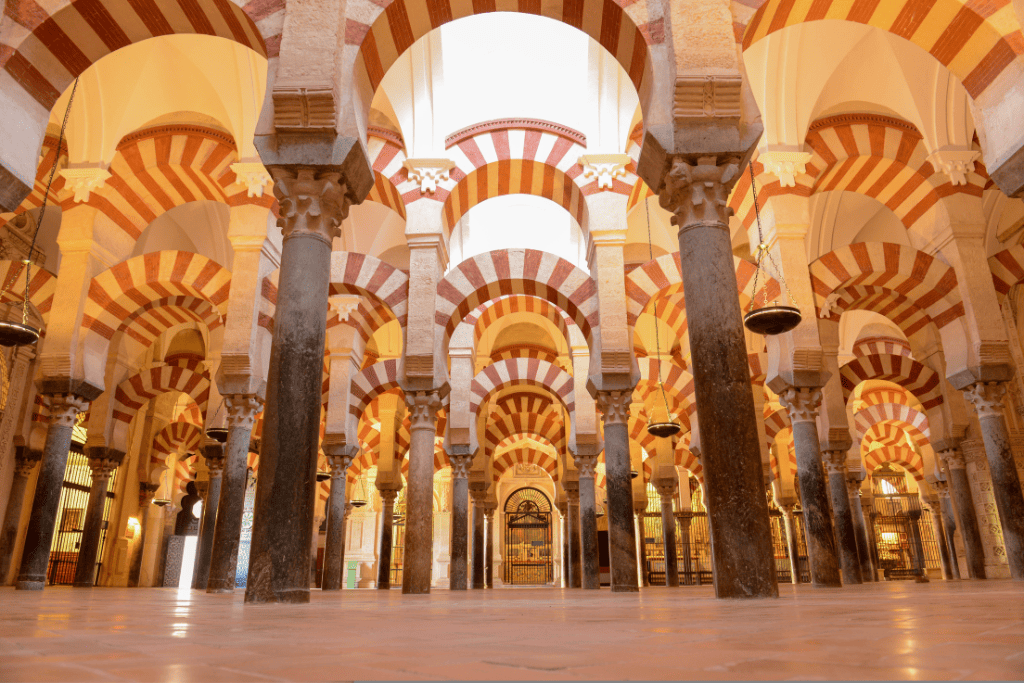
Córdoba’s streets, squares, and monuments harbour a heritage not merely to be admired but to be truly experienced. No visit can begin without crossing the threshold of the Mezquita-Catedral, an absolute masterpiece of Andalusian and Christian art. This World Heritage site mesmerises with its forest of columns and bicoloured arches, its imposing mihrab, and the grandeur of the Christian cathedral within.
Close by, wander into the Judería and discover the Calleja de las Flores, a narrow, flower-laden alley framed by pots overflowing with geraniums, perfectly capturing the tower of the Mezquita in the distance — undoubtedly one of Córdoba’s most iconic images. From there, lose yourself in the Jewish Quarter’s labyrinth of whitewashed, narrow streets, where the echoes of three cultures once intertwined still linger.
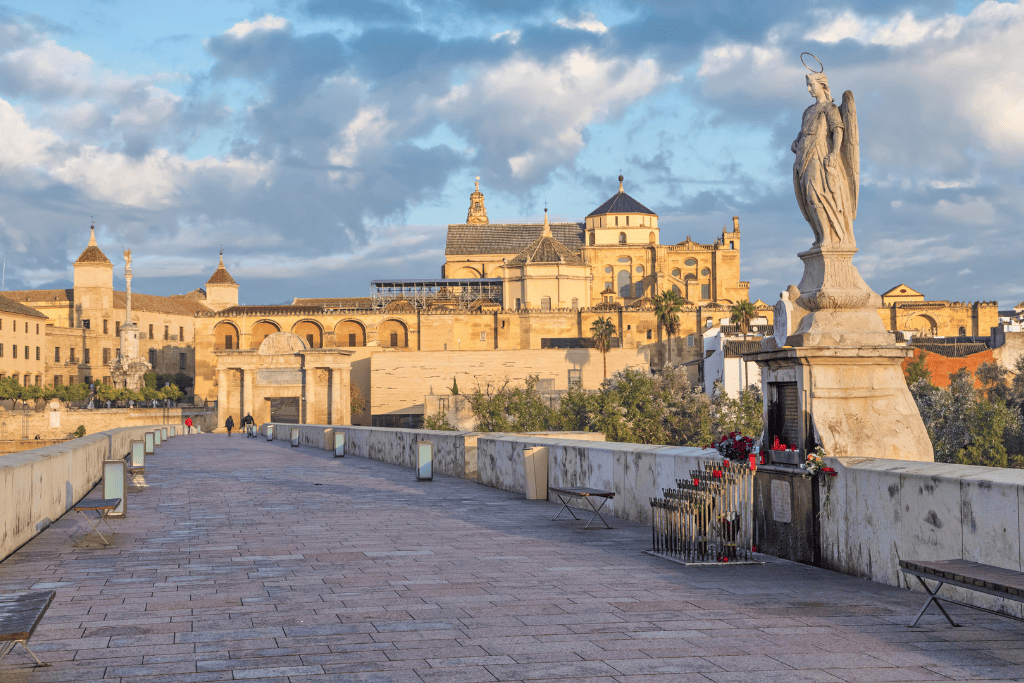
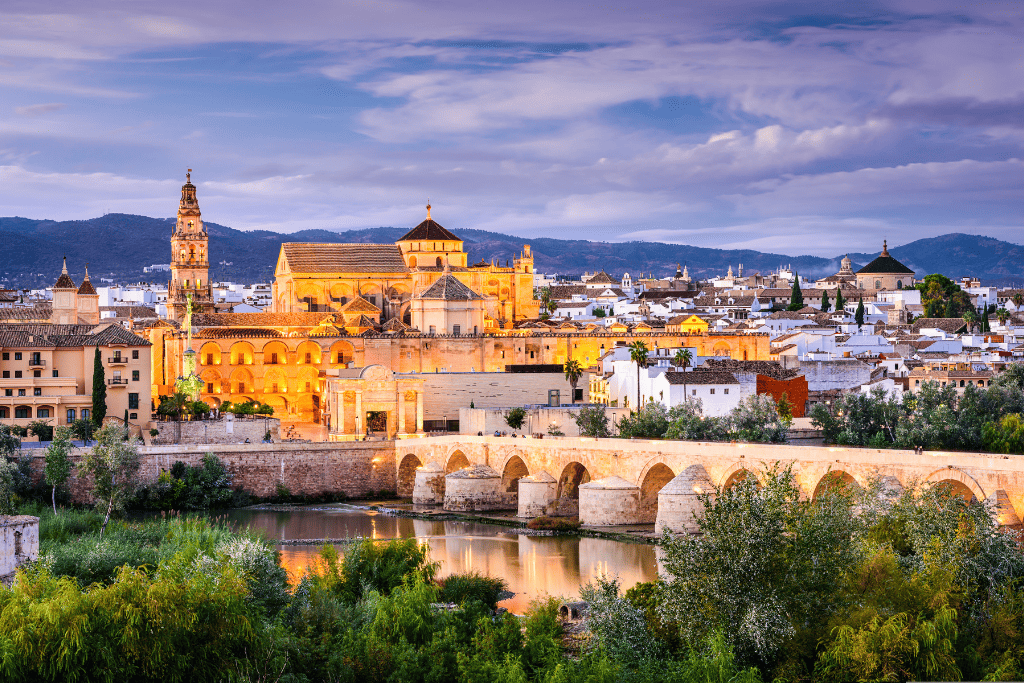
Córdoba is also best admired from the water. Crossing the Roman Bridge , over the Guadalquivir, feel the city’s grandeur unfold before you. On either side, the Puerta del Puente and the Torre de la Calahorra guard this historic passage, while in its centre stands the statue of Archangel San Rafael, protector of the city.
Enchanting Nearby Villages
Venturing beyond Córdoba reveals a tapestry of history and nature that captivates every traveller. Begin in Lucena, where the Church of San Mateo and the Medinaceli Castle whisper centuries of stories, complemented by the protected landscapes of Laguna Amarga.
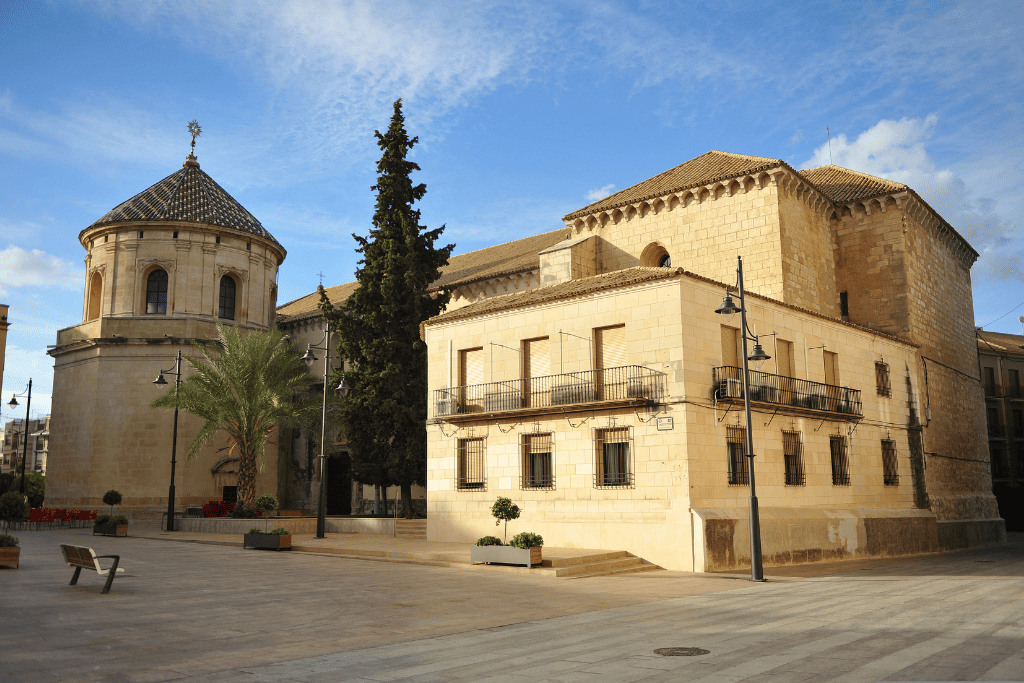
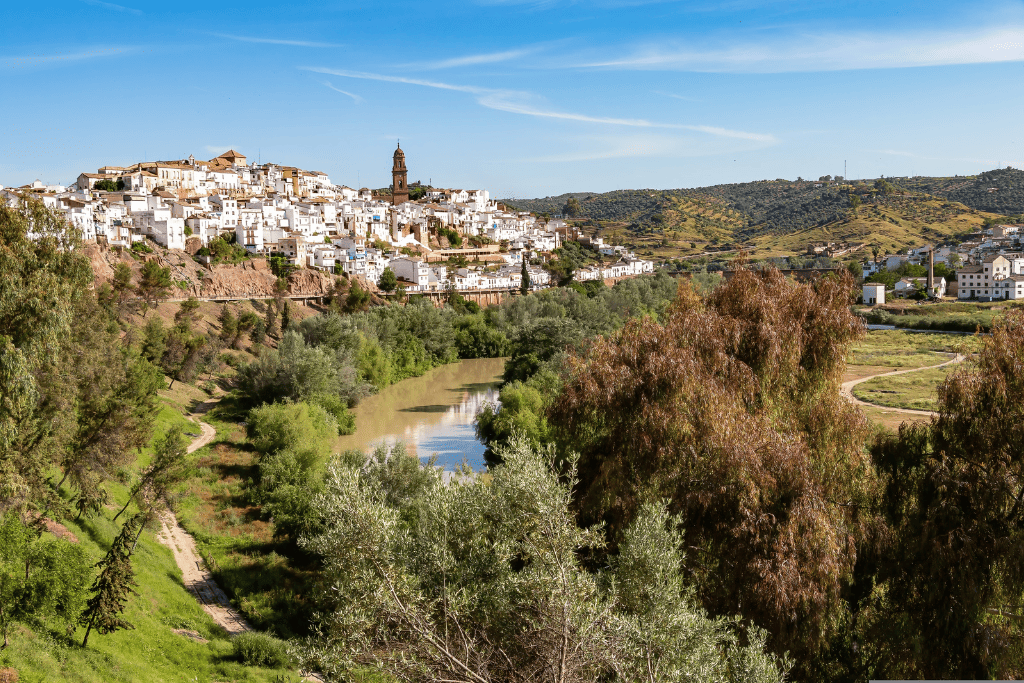
To the south, Montilla shines with its renowned wines and oils. Its whitewashed streets and historic monuments speak of bygone splendour, while the Oil Museum offers a deep dive into the olive-growing tradition. Eastward, Montoro, perches on a hill by the Guadalquivir, seducing visitors with its historic bridge, the Church of San Bartolomé, and quintessential Andalusian streets.
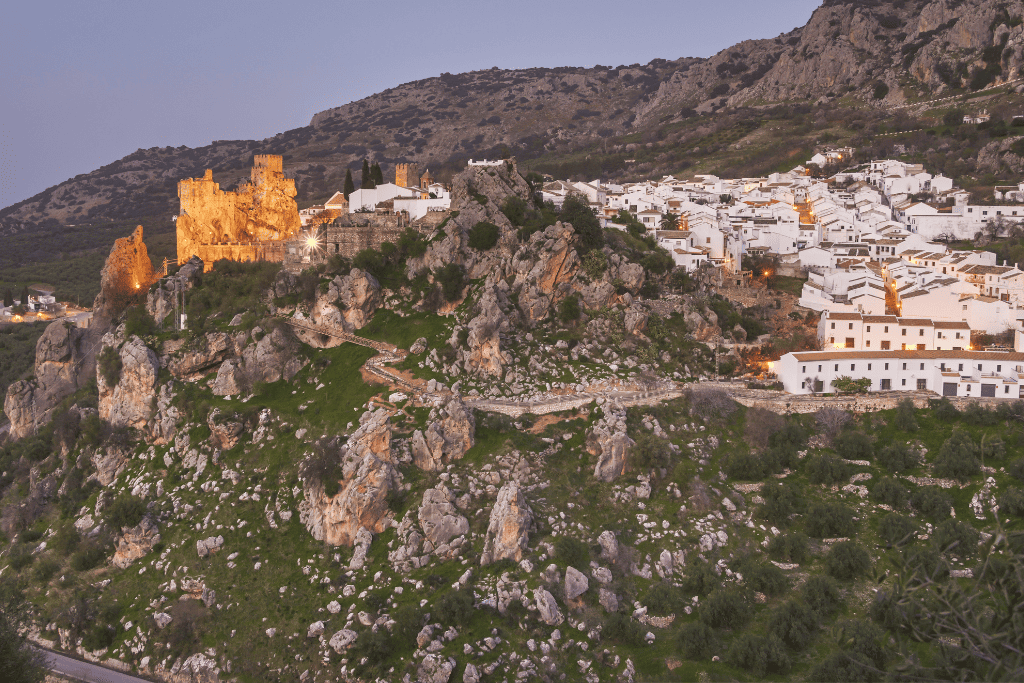
In the mountains, Zuheros blends Arab-Andalusian architecture with breathtaking vistas. The Cave of the Bats holds prehistoric rock art and Neolithic remains, set against an awe-inspiring backdrop. Surrounded by olive groves, Baena, boasts an old town rich in history, featuring the majestic Santa María la Mayor church and fortress.
Following the route, Cabra offers a tranquil atmosphere among orchards and olive groves. Its castle-palace and Baroque churches contrast charmingly with the serenity of its surroundings. Finally, Santaella`s, architectural fusion enriches its historic centre, where the Church of the Assumption and the Sanctuary of the Virgin of the Valley stand out. Here, the journey ends with authentic local flavours that delight the palate.
Flavours of Córdoba
To explore Córdoba is not only to immerse yourself in its history and culture but also to savour a gastronomy reflecting centuries of influences and tastes. Olive oil, the region’s pride, forms the cornerstone of nearly every dish and is one of its greatest treasures, accompanied by local produce protected by seven denominations of origin.
Among the delights you must try is salmorejo, — a refreshing cold cream of tomato, bread, garlic and olive oil, crowned with hard-boiled egg and ham, capturing Córdoba’s very essence. Another classic is flamenquín, crispy outside and juicy inside, a roll of pork loin and Serrano ham, breaded and fried to perfection.
The taurine tradition comes alive in rabo de toro, a slow-cooked oxtail stew that melts in the mouth, while the sweet-savoury harmony of aubergines with honey offers an iconic dish combining fried textures with the sweetness of cane honey.

For history lovers, Córdoba’s cuisine preserves dishes like mazamorra, — the precursor to salmorejo, made with almonds and bread — or honey-glazed lamb, a legacy of the Andalusian era blending tender meat with spices and sweet notes. In spring, snails in spiced broth become a beloved local ritual.
Refreshing ajo blanco, a cold almond soup, is perfect for warm days, alongside other specialities like orange and cod salad or Montilla-style artichokes, showcasing the richness and variety of a Mediterranean cuisine renowned worldwide.
Where to Stay
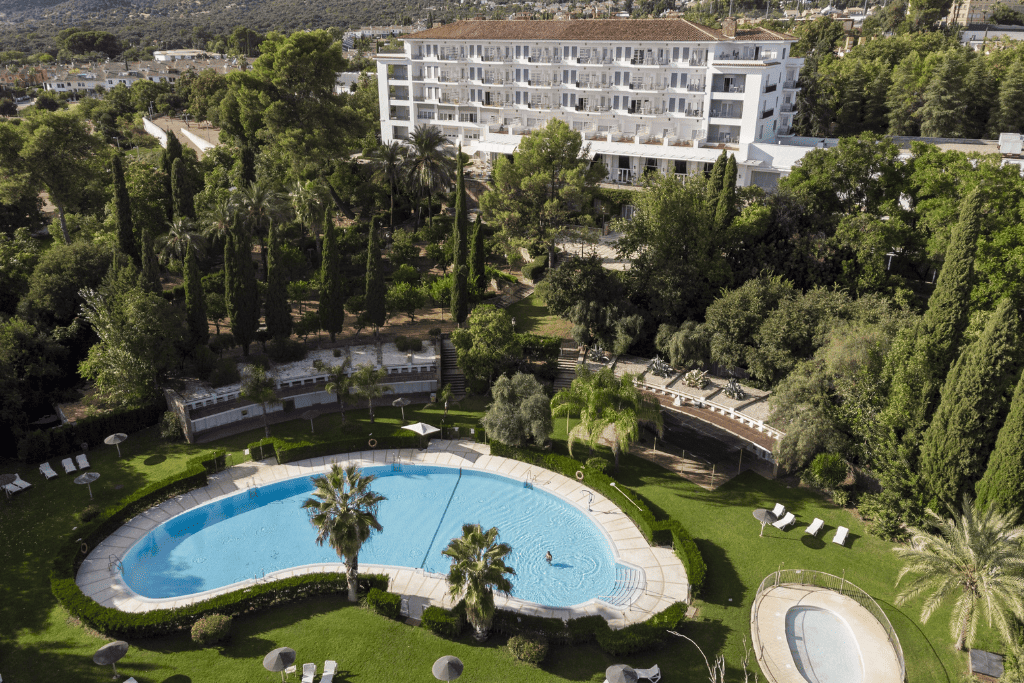
To fully embrace the city, there is no better place to stay than the Parador de Córdoba — a setting where history, comfort and breathtaking views blend seamlessly. Perched on a hill beside the city, over the ruins of the summer palace of Abd al-Rahman I, it exudes a unique aura. Its gardens boast Europe’s oldest palm trees — a natural treasure accompanying the seasonal pool and sports facilities, as well as an electric car charging point and a modern convention centre.
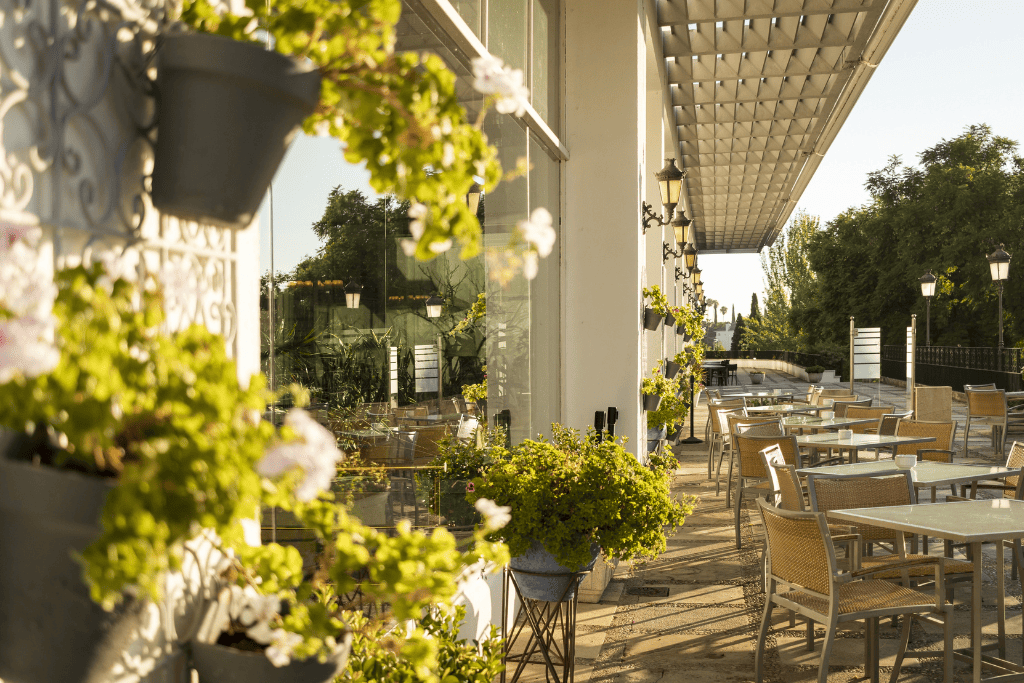
After a day spent exploring monuments and indulging in gastronomy, returning to the Parador is an invitation to tranquillity and delight. Dine on the terrace under a starry sky, savouring exquisite Cordoban recipes — the perfect way to experience Córdoba with all your senses.