There are structures that illuminate not only the night, but also the imagination. Lighthouses, rising on solitary headlands and rugged cliffs, have been silent guardians of the sea for centuries. From the legendary Lighthouse of Alexandria in the 3rd century BC to the towers that keep watch over our coasts today, their mission has always been the same: to guide, protect and endure.
In Spain, there are 191 heritage lighthouses tracing a fascinating route across oceans and seas. Many stand in privileged settings where the landscape seems to stand still in time. Each one holds stories of storms, shipwrecks, legends and lives devoted to keeping watch over the horizon.
We invite you to follow four carefully curated itineraries showcasing some of the country’s most iconic lighthouses, paired with unforgettable stays at Paradores, where relaxation is infused with the true flavour of the sea.
The last sunset in Europe
If there is one place where lighthouses are woven into the very soul of the landscape, it is Galicia. More than forty beacons rise above its rugged coastline, lashed by powerful currents and shrouded in legendary mists.
Foremost among them is the Torre de Hércules, in A Coruña. Built in the 1st century AD, it is the oldest working lighthouse in the world and a World Heritage Site. Here, mythology and history intertwine: according to legend, Hercules raised the tower over the tomb of the giant Geryon.
Further south, the Faro de Fisterra symbolically marks the Roman ‘end of the world’ and the spiritual journey’s end for many pilgrims on the Camino de Santiago.
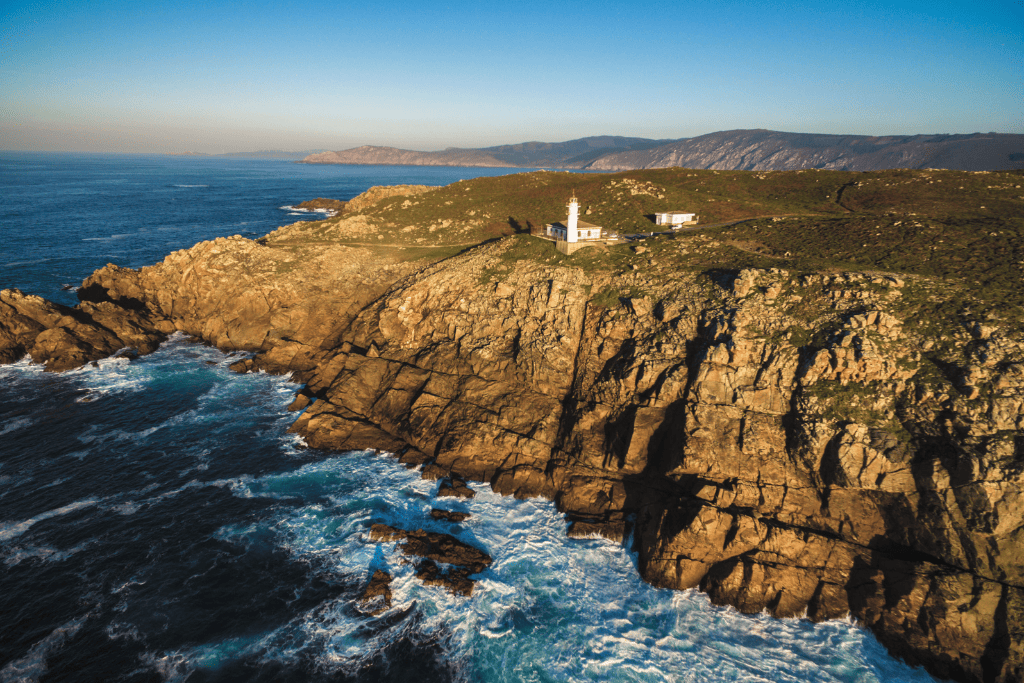
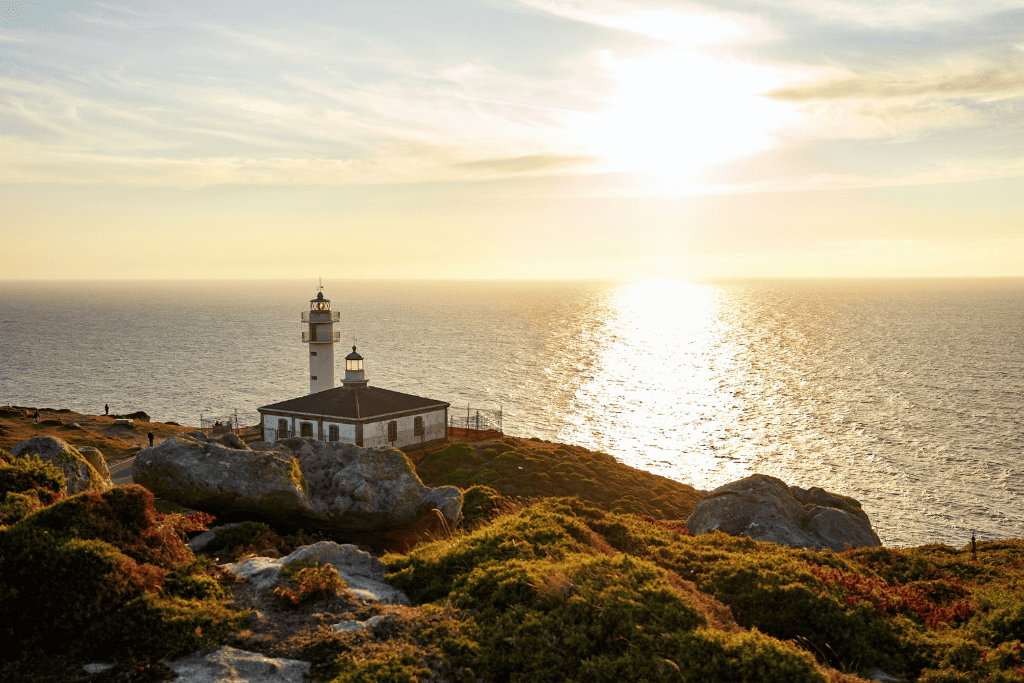
Yet just 30 kilometres away lies an even more singular spot: the Faro de Touriñán. Set on a peninsula thrusting into the Atlantic, it is said to offer, for a few weeks each year, the last sunset on the European mainland. From 60 metres above sea level, its beam reaches almost 37 kilometres. To sit before its horizon is to surrender to a moment of absolute calm.
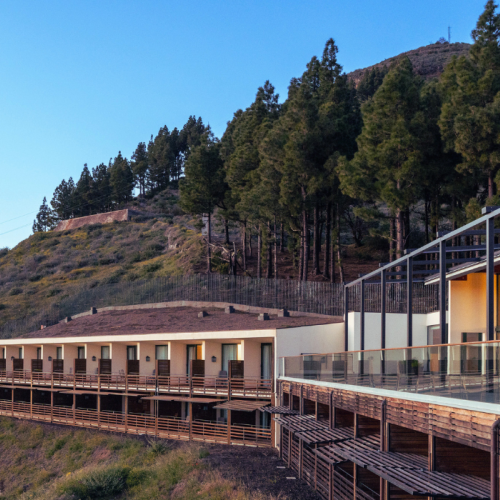
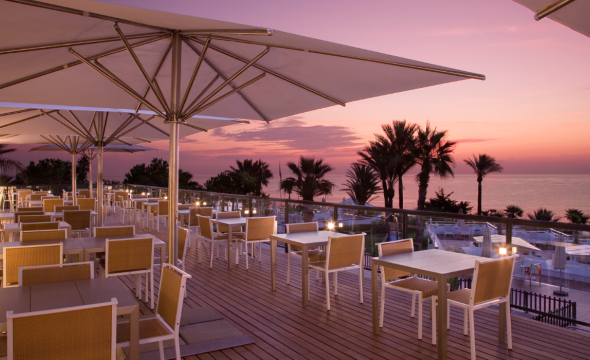
Nearby, the Parador Costa da Morte extends that same sense of serenity. Integrated into the landscape and open to the ocean, its terraced architecture and natural materials evoke the very essence of the Atlantic. A contemporary retreat where tales of shipwrecks and seafaring legends seem to whisper through stone and timber.
BOOK YOUR STAY AT THE PARADOR DE COSTA DA MORTE
The lighthouse that watches over the desert and the sea
At the south-eastern tip of the peninsula, the Mediterranean reveals its wild, mineral character. The Faro del Cabo de Gata, built in 1861 on the site of the former Castle of San Francisco, rises above a volcanic landscape of almost lunar beauty.
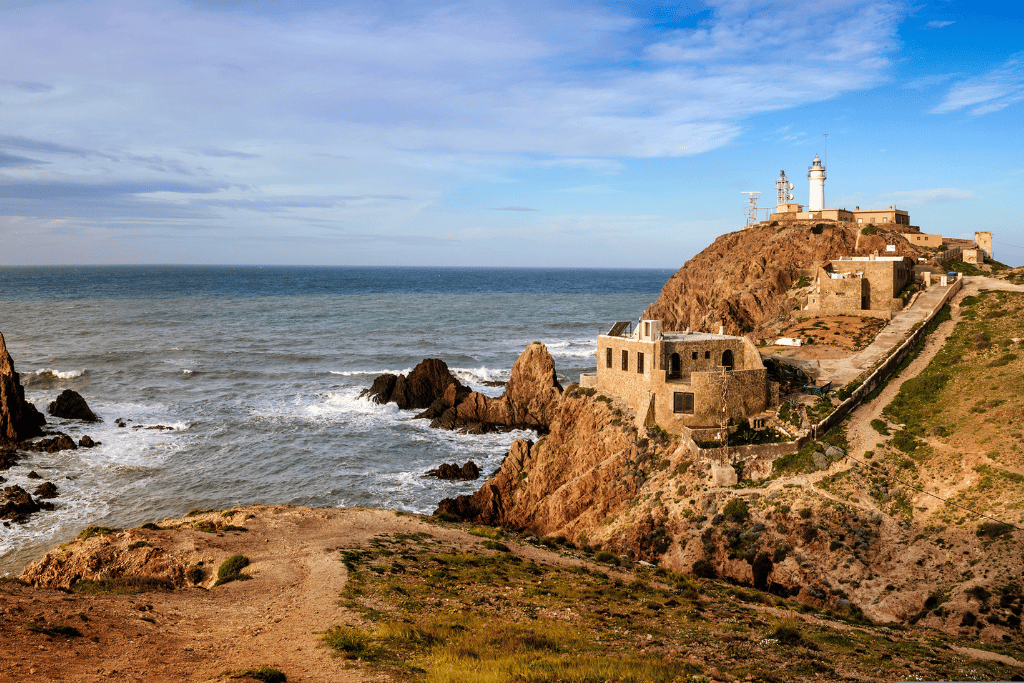
At its feet stretches the Arrecife de las Sirenas, a volcanic rock formation rising from the sea like a natural sculpture. From here, the sweeping views over Playa de las Salinas and the Mediterranean horizon are simply unforgettable.
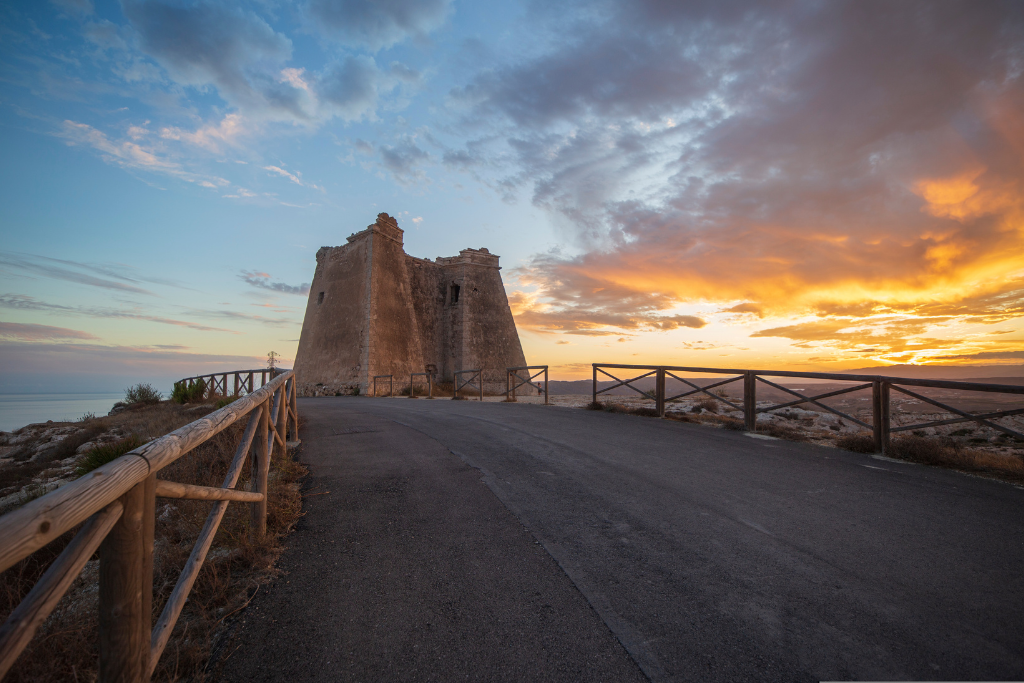
The route can continue to the Faro de Mesa Roldán, the highest lighthouse in the province above sea level. Beside it stands the historic Torre Roldán, dating from the 18th century, a witness to pirate raids and a long-time sentinel of the Carboneras coastline.
The Parador de Mojácar is the perfect place to stay and explore this luminous coastline. Right on the beach, with open views of the sea and cuisine that combines seafood and Almería’s tradition, it is an oasis where the Mediterranean sets the pace for relaxation.
BOOK YOUR STAY AT THE PARADOR DE MOJÁCAR
White light on endless sands
In the province of Tarragona, the Ebro Delta reveals an entirely different landscape, with dunes, rice fields and lagoons where the sky seems to melt into the earth.
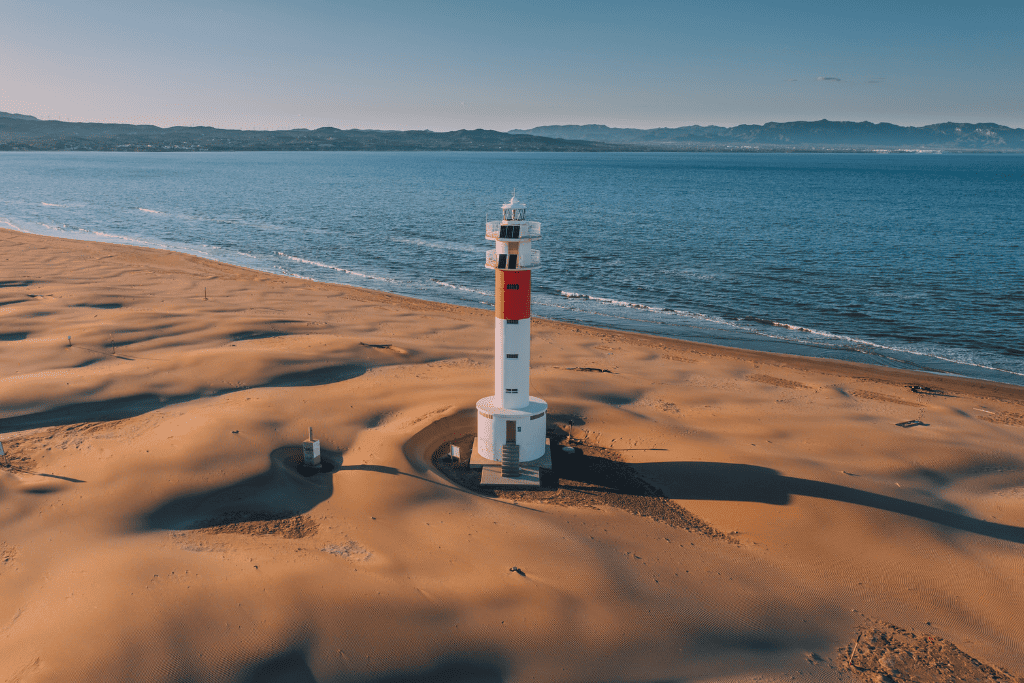
There stands the Faro del Fangar, affectionately known as “La Faroleta”. Its white and red silhouette, encircled by sand, is reached after a pleasant walk that at times requires you to paddle through shallow waters. The original lighthouse dates back to 1864. Following floods and fires, it was rebuilt and automated yet its air of mystery remains undiminished. Legends even speak of presences said to wander its interior on storm-lashed nights.
Just over half an hour away stands the Parador de Tortosa, next to the historic Castillo de la Zuda. With sweeping views over the River Ebro and the city below, it blends a medieval ambience with contemporary comforts. After a day spent among dunes and marshlands, its regional cuisine and tranquil atmosphere offer every reason to linger.
BOOK YOUR STAY AT THE PARADOR DE TORTOSA
The sentinels of the Costa del Sol
In the port of Málaga stands one of the country’s most distinctive lighthouses La Farola de Málaga. Built in the aftermath of the War of Independence, it has withstood earthquakes and armed conflicts alike, becoming an enduring symbol of the city. Its elegant silhouette, visible both from the sea and from Monte Gibralfaro, is an inseparable part of Málaga’s coastal skyline.
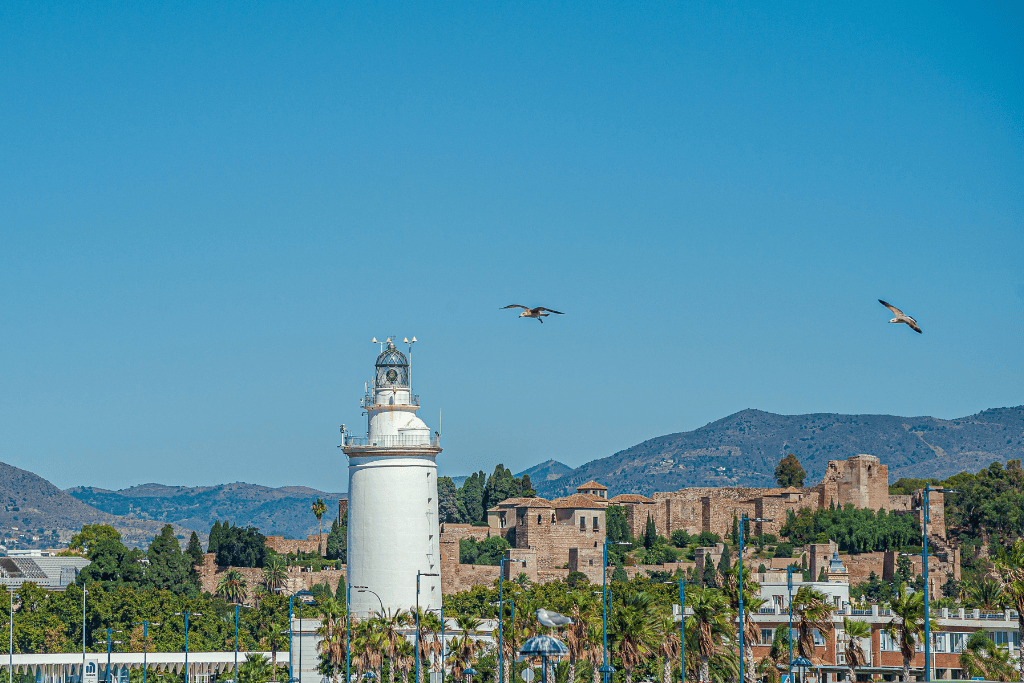
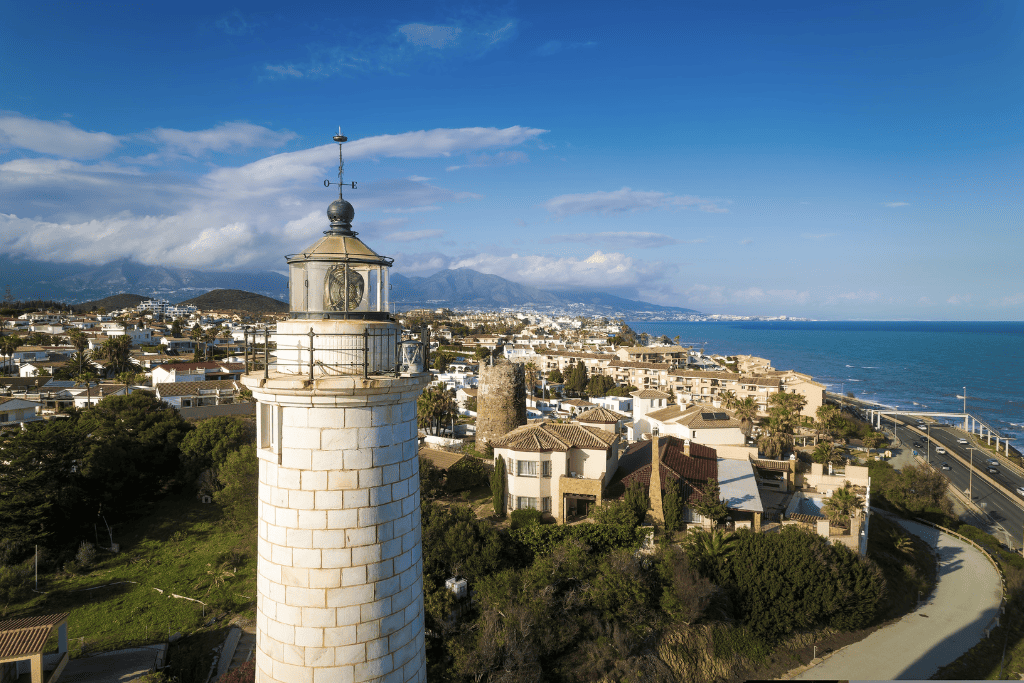
The province is home to other distinctive beacons, such as the Faro de Torrox, set amid Roman remains, and the Faro de Calaburras, also a pioneer in aerial signalling.
To admire the bay from above, there is no finer setting than the Parador de Málaga Gibralfaro. Perched on the hillside from which it takes its name, it commands sweeping views over the port and La Farola de Málaga. From its rooms, swimming pool and restaurant, the sea and its steadfast beacon provide a constant and captivating backdrop to every moment of your stay.