In the most unexpected corners of Spain rise trees that seem to defy time. They are centuries-old or even thousand-year-old specimens, silent witnesses of rural and urban history. They not only offer natural beauty but also the chance to connect with the cultural memory of each place. With the arrival of autumn, as the landscapes are cloaked in golden and ochre tones, visiting these sites becomes a twofold experience: to contemplate the majesty of nature and to delve into the soul of the communities that have safeguarded them.
The century-old pine of the Parador of Mazagón
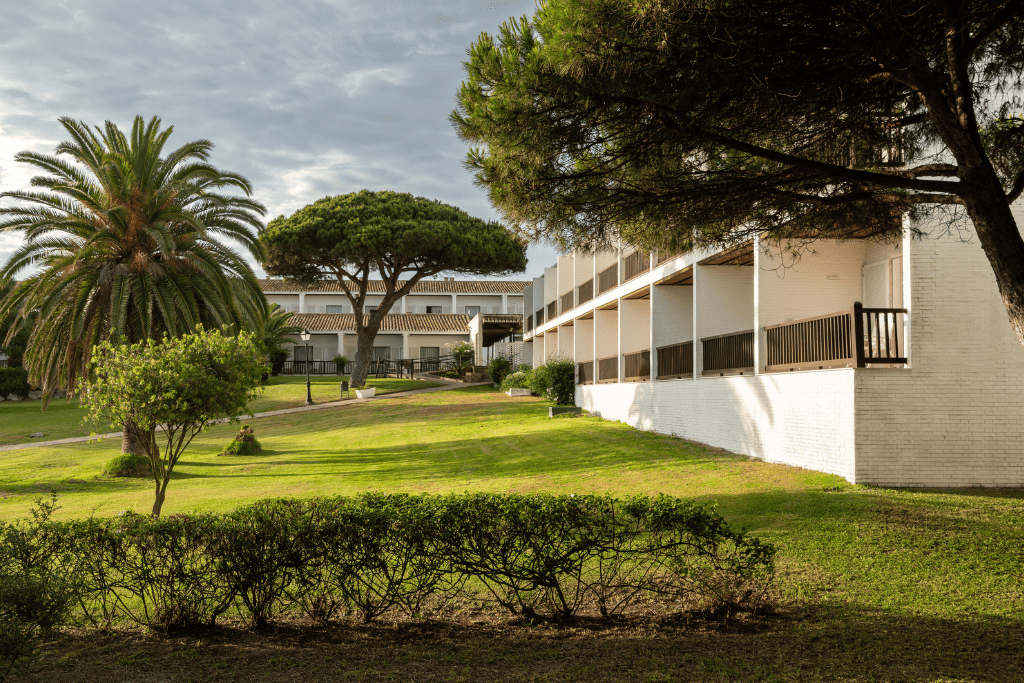
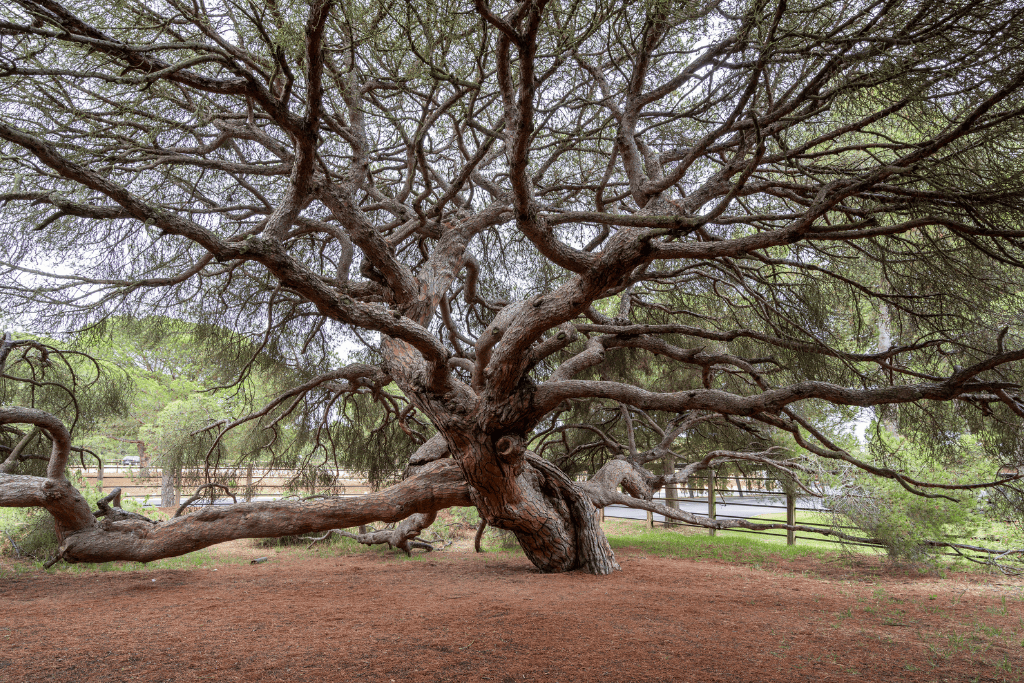
This century-old pine, the result of reforestations in Doñana dating back to 1730, is remarkable less for its height (12 metres) than for the breadth of its crown (a circumference of 157 metres and almost 2,000 m2 in surface area). Its low, twisted trunk, together with its thick, horizontal branches, gives it a peculiar and uncommon appearance for its species. Its value is not only biological but also cultural: it has been declared a Natural Monument by the Regional Government of Andalusia and has long been a protected and much-loved place, where the community has celebrated games, weddings and baptisms. Located in the gardens of the Parador of Mazagón, it is also a special attraction for visitors.
The new of Bermiego (Quirós, Asturias)
Declared a Natural Monument of Asturias in 1995, this ancient yew tree is a true witness to the passage of time, with an estimated age of more than a thousand years. Its impressive dimensions –13 m in height, 6.82 m in trunk diameter and a 15 m crown– give it a unique presence. Standing beside the church of Bermiego, it combines natural value with significant ethnographic meaning, becoming a symbol of Asturias’ living heritage. Just a short distance away, the Parador of Cangas de Onís offers a comfortable retreat from which to explore the landscapes of Eastern Asturias and the majesty of the Picos de Europa.
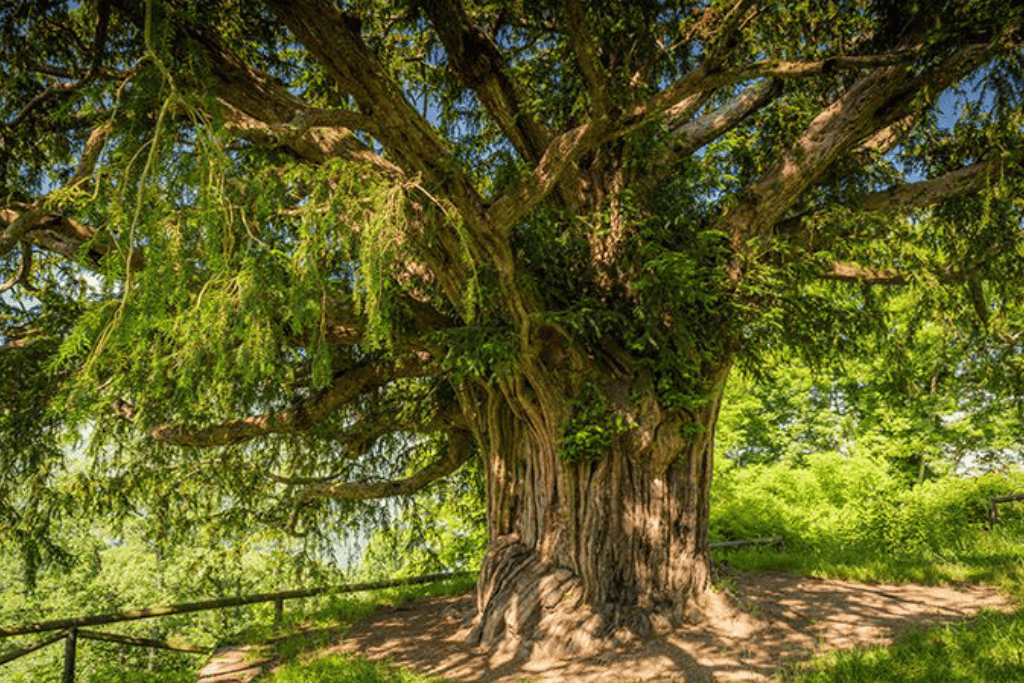
The Carballo of Santa Margarida (Pontevedra)
This imposing common oak (Quercus robur) is a symbolic landmark in Mourente. According to the Regional Government of Pontevedra, it is one of the most famous veteran oaks in Galicia, with an estimated age of around five centuries. Its presence makes it an exceptional tree-monument, bringing together nature, history and devotion in the heart of an urban setting, a silent witness to generations who have grown up in its shade. Nearby, the Parador of Pontevedra offers comfortable accommodation.
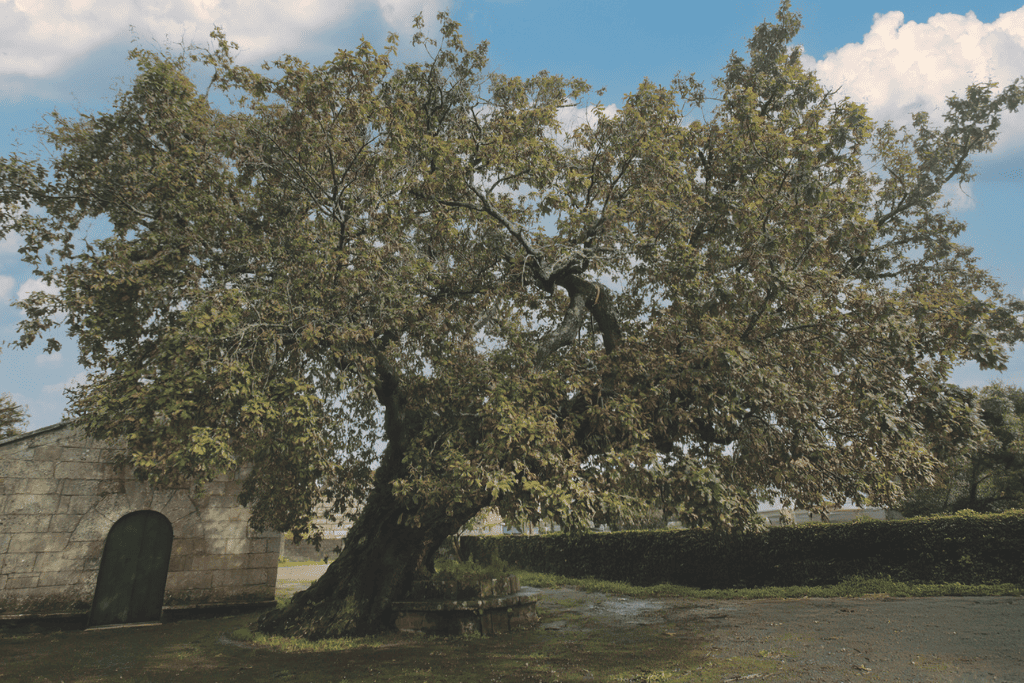
The juniper forest of Calatañazor (Soria)
This Natural Reserve is home to majestic Spanish junipers (Juniperus thurifera) that reach up to 14 metres in height and are as old as two thousand years. It is a living testimony to the natural history of the Iberian System, where each tree seems to recount the centuries that have passed in this unique landscape. Just a short distance away, the Parador of Soria is the ideal base from which to explore both the natural wealth of the juniper forest and the historical and cultural charm of the city.
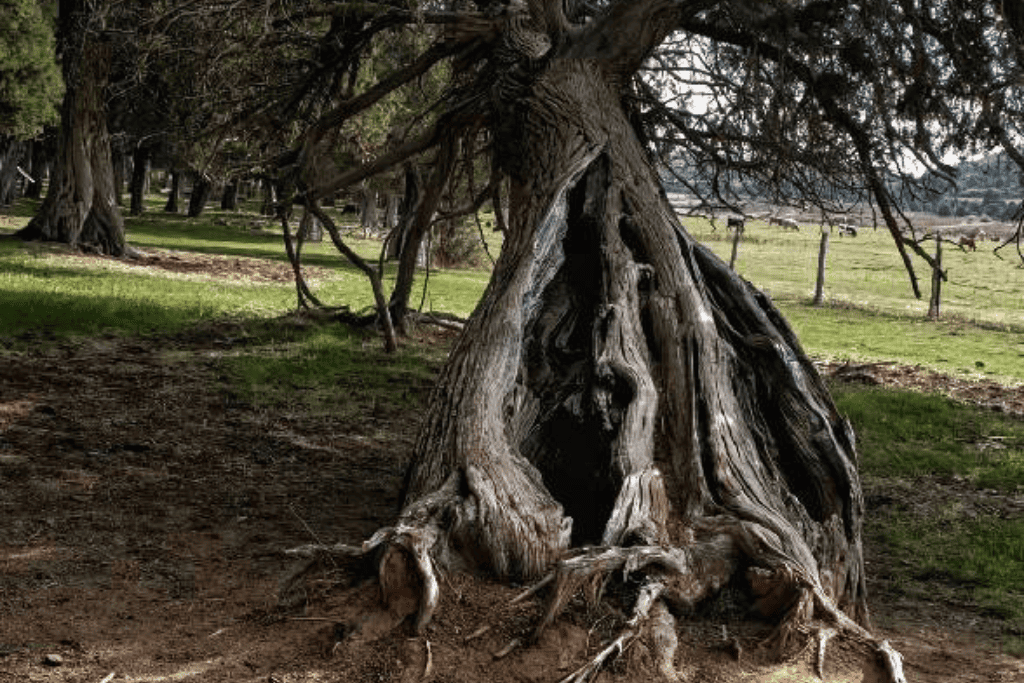
La Terrona holly oak (Zarza de Montánchez, Cáceres)
Considered the largest holly oak on the Iberian Peninsula, La Terrona is a unique tree and a true municipal emblem of Extremadura. Its imposing presence blends into a well-preserved pasture landscape, where nature and tradition intertwine in perfect harmony. It is worth to link the visit with several Paradores in Extremadura, designing routes that combine cultural heritage, natural landscapes and the region’s rich gastronomy.” The Paradores of Cáceres and Plasencia are the closest.
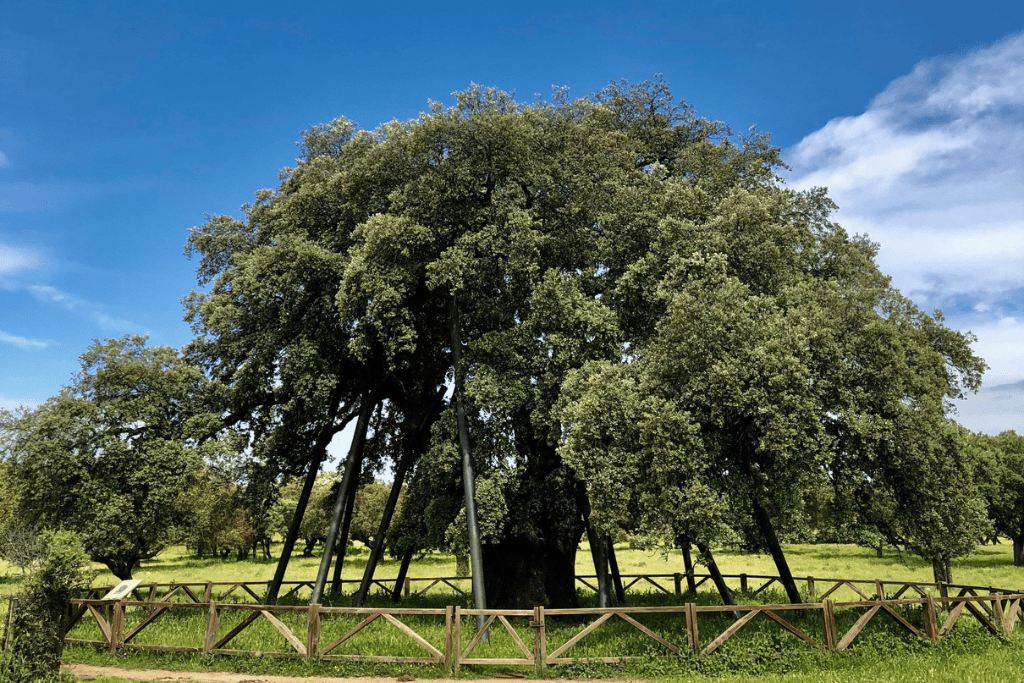
The olive tree of Fuentebuena (Arroyo del Ojanco, Jaén)
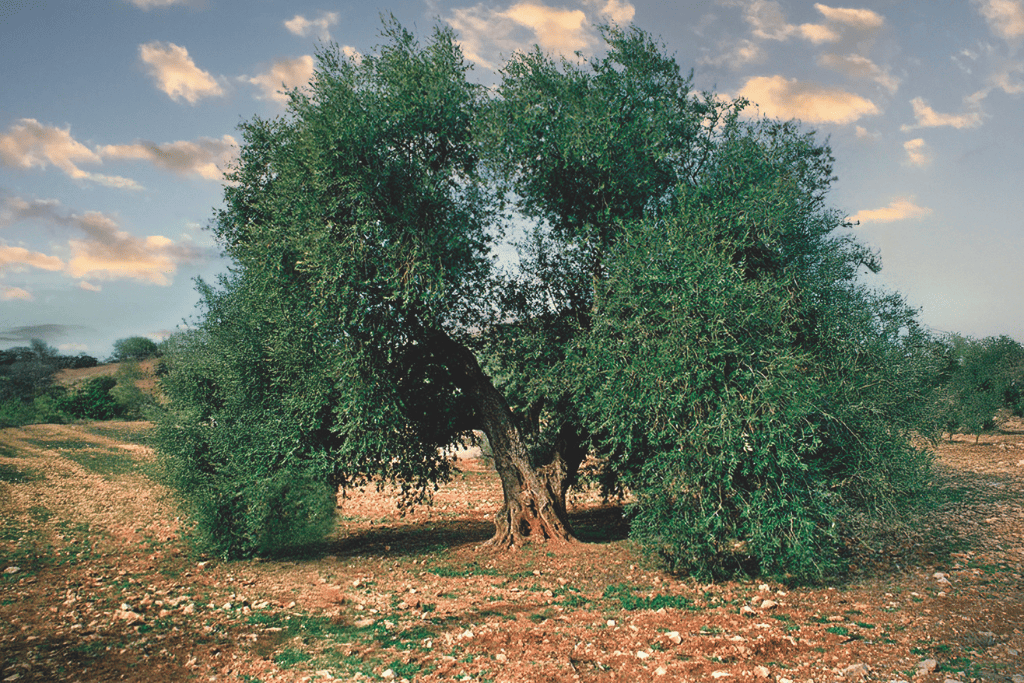
Declared a Natural Monument by the Regional Government of Andalusia –and considered the largest olive tree in the world– it stands out for its extraordinary dimensions and its agricultural and symbolic value. A living witness to the history of the Jaén landscape, it embodies both tradition and natural majesty. A stay at the Parador of Úbeda allows visitors to enjoy the full experience: admiring monumental olive groves and immersing themselves in the richness of the Jaén Renaissance.
The spanish fir of escaleretas (Parauta, Málaga)
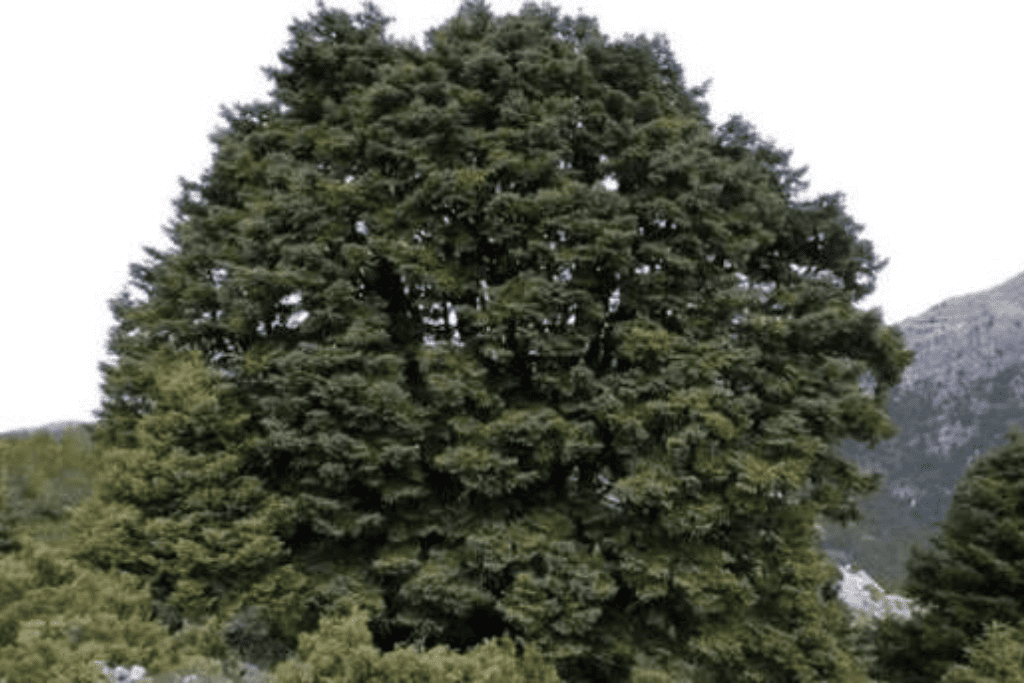
This Abies pinsapo, declared a Natural Monument, is one of the great botanical emblems of the Sierra de las Nieves. Its presence reflects centuries of natural history in a setting of remarkable beauty and ecological value. For a complete landscape contrast, the Parador of Ronda offers unique accommodation from which to explore both the Spanish fir forests and the spectacular mountain massif of the range.
Comunitat Valenciana and Taula del Sénia: the sea of thousand-year-old olive trees
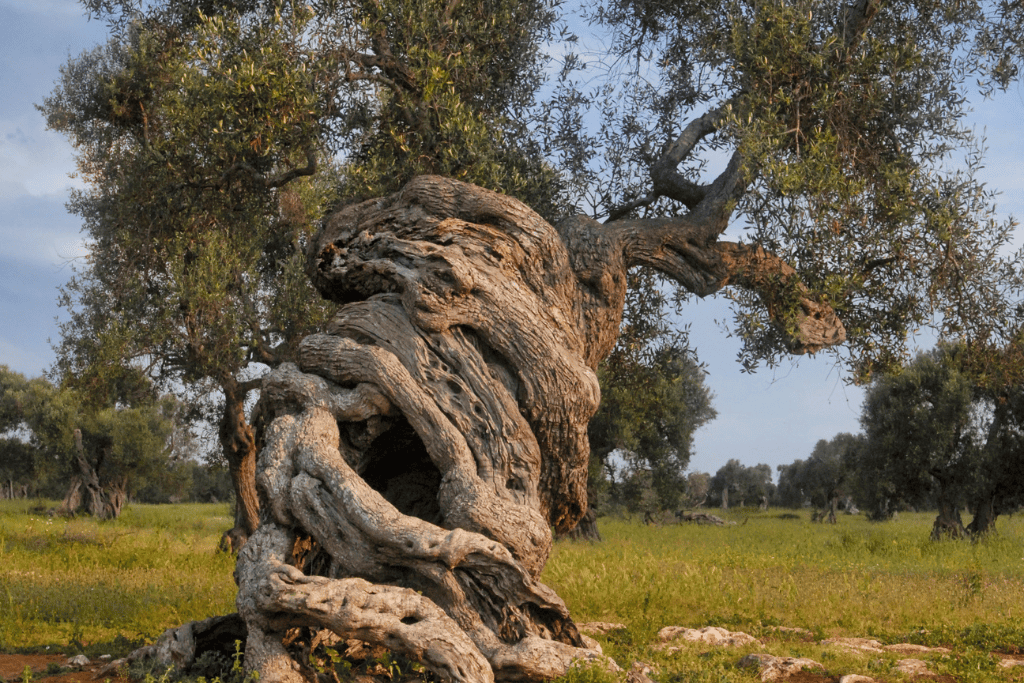
In the triangle formed by the Maestrat, Montsià and Matarraña regions stretches a unique landscape: the route of the thousand-year-old olive trees, a cultural and natural itinerary where history is measured in centuries and the horizon is filled with trunks twisted by time. The Mancomunitat and the Comunitat Valenciana have catalogued the world’s largest concentration of thousand-year-old olive trees, with lots of specimens –most of them of the Farga variety– whose trunks exceed 3.5 metres in circumference at a height of 1.3 metres from the ground.
Tenerife: the Drago Milenario of Icod de los Vinos
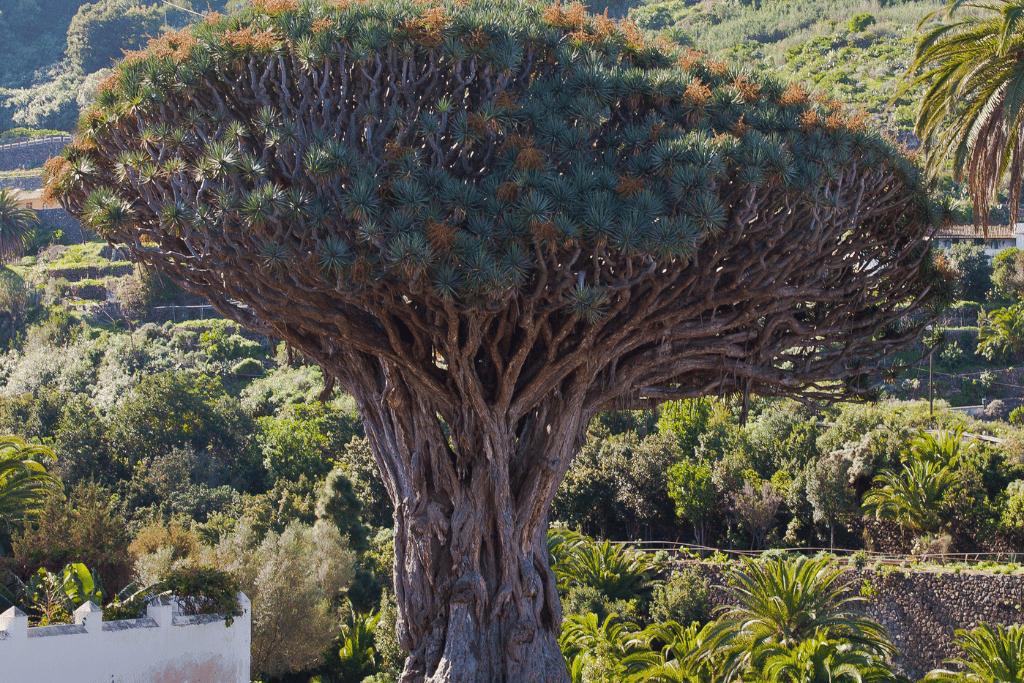
In the north of the island rises the Drago Milenario of Icod de los Vinos, a majestic Dracaena draco which, since 1917, has held the designation of National Monument. The Regional Government of Tenerife and the Town Council of Icod present it as the largest and oldest specimen of its species, an island symbol with oficial measurements that make it a true natural and cultural icon. A visit here offers a singular itinerary, where volcanic geology and botany intertwine. Highly recommended is to begin the excursion at the Parador of Las Cañadas del Teide, in the very heart of the National Park, under the imposing presence of Spain’s highest volcano.
We invite you to discover all the unique experiences that Paradores has prepared especially for you.