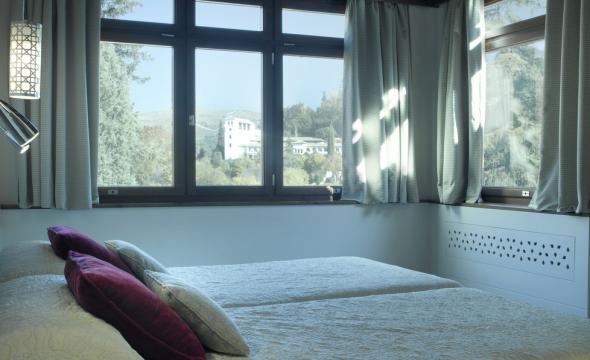
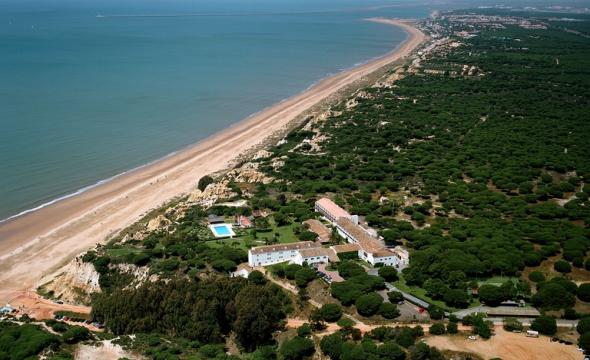
In Paradores there are many corners where time is diluted between pages and evocations. On this occasion, we allow ourselves to be drawn into the fog of mystery and the shadows of forbidden knowledge to delve into The Name of the Rose, the famous novel by Umberto Eco. Although the author was inspired by Italian abbeys to recreate the enigmatic atmosphere of his story, there is one place where the echo of that medieval intrigue resonates strongly: the Monastery of San Pedro de Villanueva, home to the Parador de Cangas de Onís. Here, between centuries-old walls and corridors that hold secrets, history and literature converge in a setting worthy of the most captivating monastic research. Are you coming to discover it?
The novel: The name of the rose
SWithout wanting to reveal the ins and outs of this fantastic novel, we are going to offer a few hints that will arouse your curiosity and invite you to delve into its pages, if you haven't already done so. The Name of the Rose is a work that dazzles as much for its enigmatic plot as for its intellectual depth.
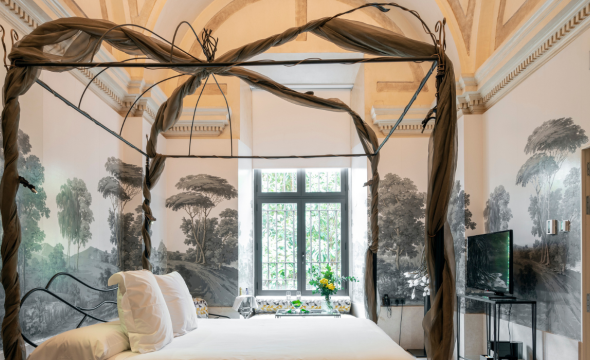
Umberto Eco transports us to a Benedictine monastery in the heart of the 14th century, where knowledge is as precious as it is dangerous and mystery is hidden among the volumes of a labyrinthine library. Through the sharp eye of William of Baskerville and the innocence of his young apprentice, Adso de Melk, the reader is immersed in an investigation that goes beyond a series of murders: it is a journey into philosophical dilemmas, the power of words and the struggle between reason and faith.
Eco interweaves history, intrigue and reflection in a work with an atmosphere of secrets and a masterful setting. The novel invites us to wander through dark corridors and forbidden codices, challenging our perception of knowledge and dogma.
Author: Umberto Eco
This author was one of the most brilliant minds of the 20th century, masterfully combining his passion for semiotics and literature. Born in 1932 in Alessandria, Italy, he began his career as a teacher and communication theorist before becoming an internationally renowned author. His ability to interweave academic knowledge with captivating narratives made him an iconic figure in contemporary literature.
His most famous work, the one we are discussing in this article, The Name of the Rose was a blockbuster and was adapted into a film in 1986. Others of his most outstanding works were: Foucault's Pendulum (1988), The Island of the Day Before (1994) and Baudolino (2000), all marked by his erudite style and intellectual depth.
Beyond fiction, Eco played a crucial role in academia, with influential studies on semiotics and communication. His legacy earned him numerous awards, including the Prince of Asturias Award for Communication and Humanities in 2003 and the title of Knight Grand Cross of the Order of Merit of the Italian Republic in 2011.
He passed away on 19 February 2016, but his work lives on, inspiring generations of readers and scholars in the search for knowledge and interpretation of the signs that surround us.
The Parador
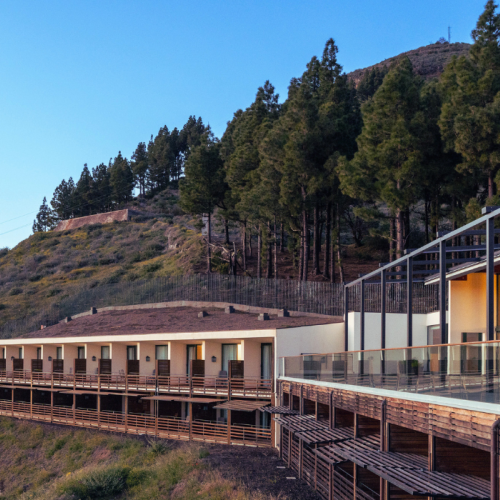
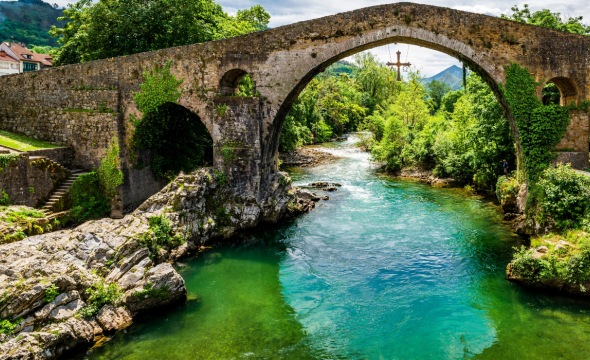
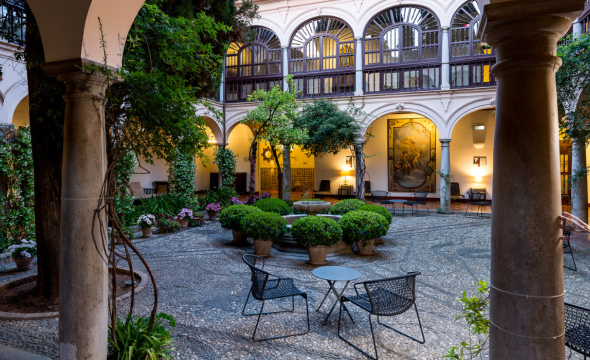
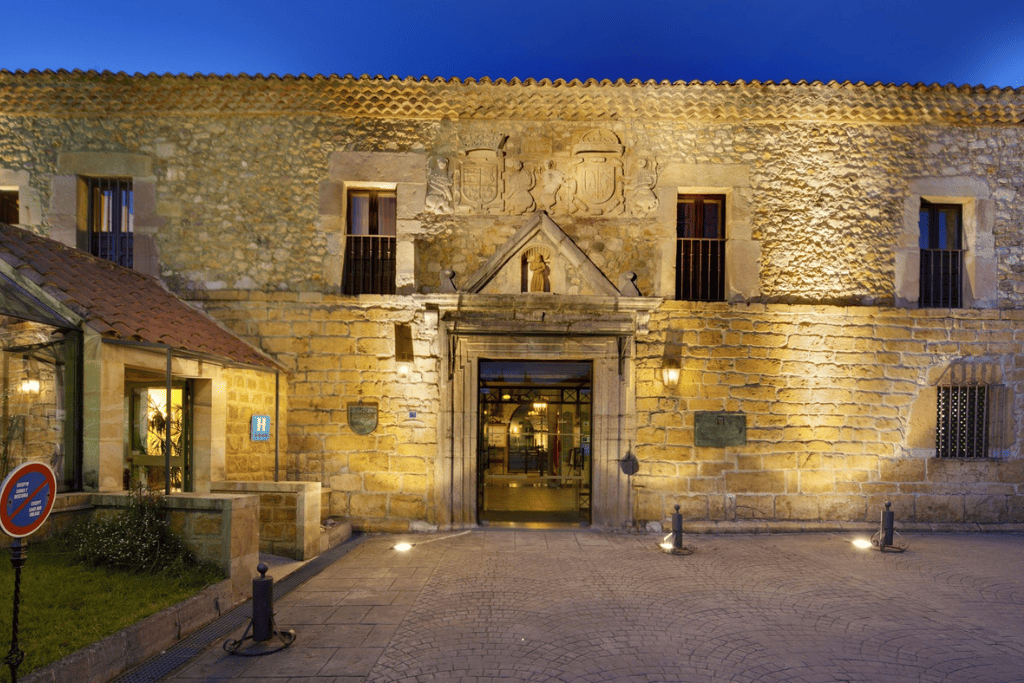
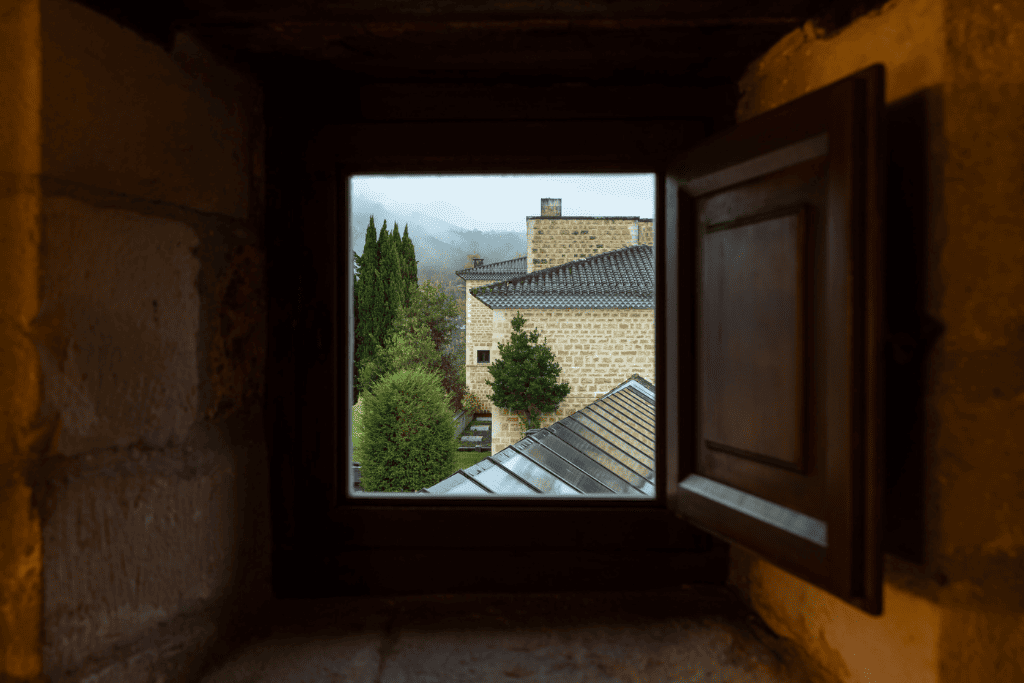
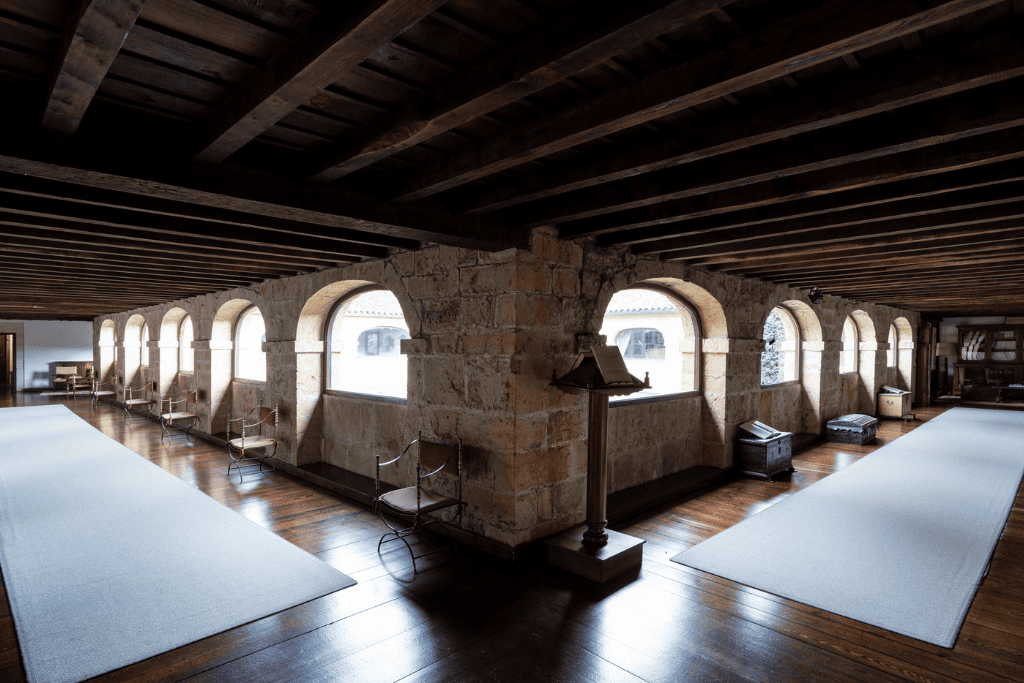
Mystery and history permeate every stone of the Monastery of San Pedro de Villanueva, where the Parador de Cangas de Onís stands today. Although The Name of the Rose was born of Umberto Eco's inspiration in Italian abbeys, its intriguing atmosphere and aura of forbidden knowledge find a fascinating echo in this corner of Asturias.
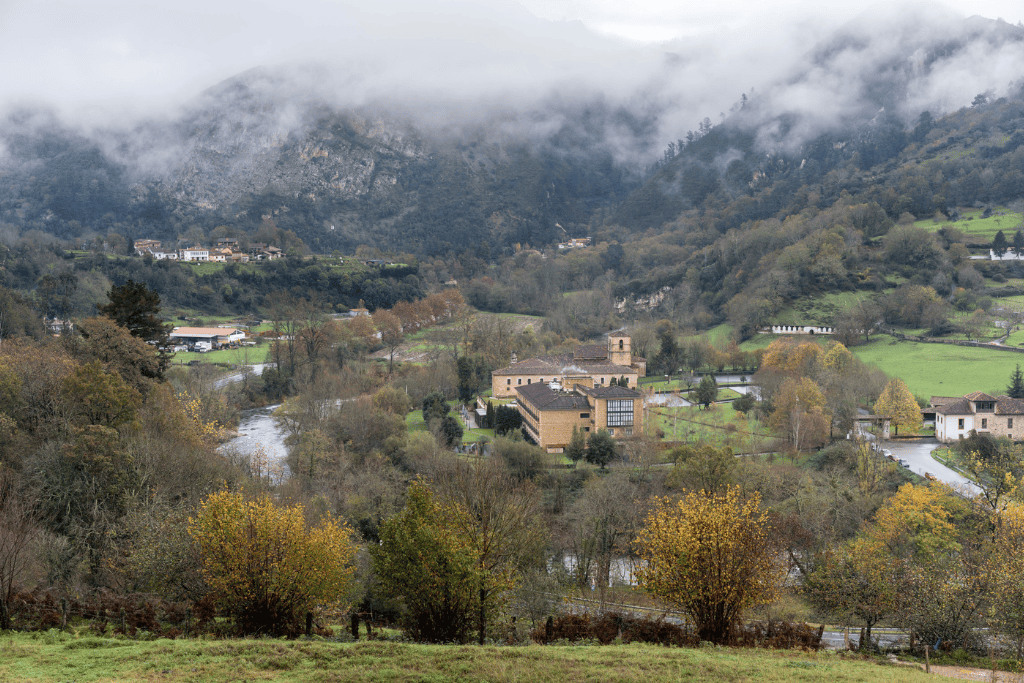
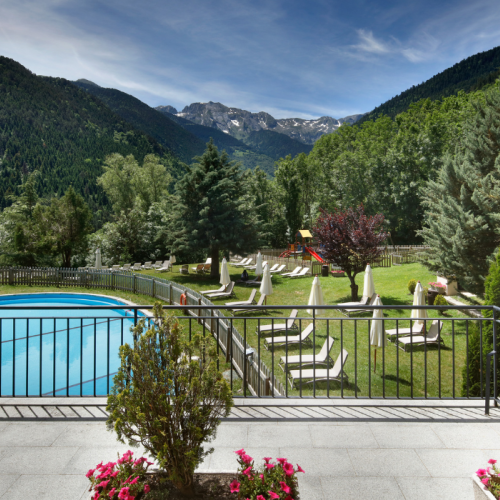
With more than 1,200 years of existence, this monastery, flanked by the imposing Picos de Europa and bathed by the whispers of the river Sella, offers a full immersion in history and literature. As if its walls had absorbed the spirit of the novel, the Parador invites its guests to live their own medieval tale: dramatised tours guided by a Benedictine monk reveal secrets in its corridors, while a game of clues proposed by the Parador challenges the most astute to solve a crime.
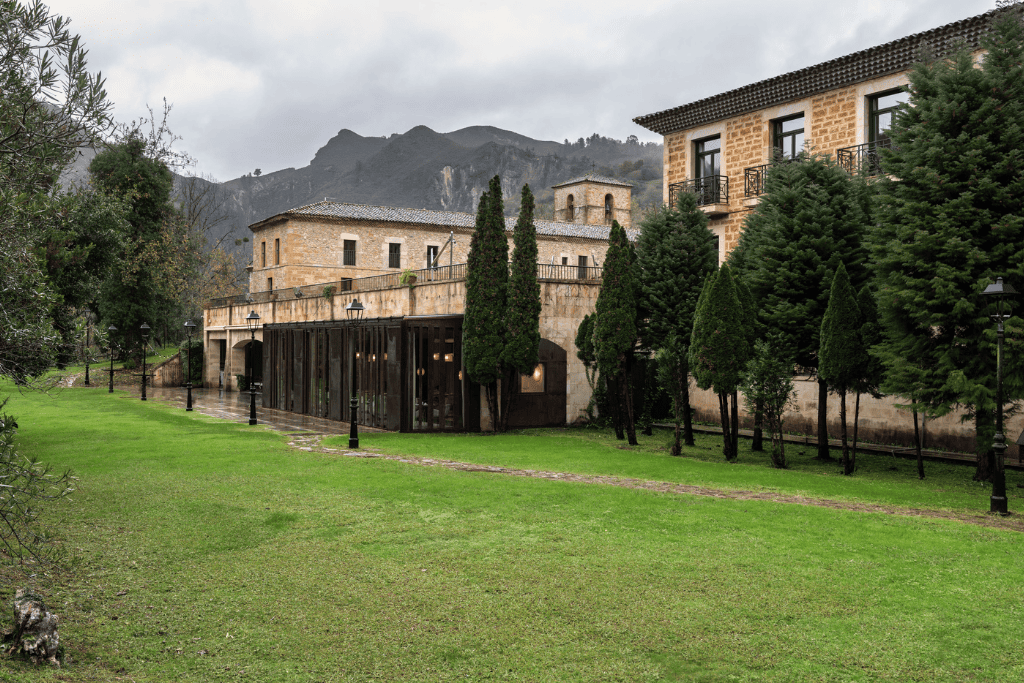
To round off the experience on a high note, visitors can immerse themselves in the film adaptation of The Name of the Rose, directed by Jean-Jacques Annaud and starring Sean Connery and Christian Slater. Thus, the Parador de Cangas de Onís becomes more than just a hotel; it is a setting where time and literature converge, inviting each traveller to become the protagonist of his or her own story.