Summer often makes us gaze out towards the horizon. We seek out coves with crystal-clear waters, long strolls along the shore, or terraces from which to toast the end of the day. Yet, some journeys bring an unexpected charm to this picture-postcard scene: the opportunity to discover great works of art without ever setting foot in a museum.
At various points along the Spanish coast, there are hotels that not only boast prime locations overlooking the Mediterranean, the Cantabrian Sea, or the Atlantic, but also house significant art collections. Paintings, sculptures, tapestries, and photographs blend with the landscape so seamlessly that they become an integral part of the travel experience itself. Art ceases to be a scheduled visit and becomes something that unfolds naturally between a swim, a walk by the sea, or a dinner with a view.
For nearly a century, Paradores has built up one of the most significant art collections held by a hotel chain, with almost 10,000 pieces gracing its properties. Moreover, in these five coastal destinations, this artistic heritage interacts with some of the most beautiful landscapes on the Spanish coast.
The Mediterranean as seen through a Miró
The Costa Brava has always been a land of artists. Its light, its cliffs, and the deep blue of the Mediterranean have inspired generations of creators, and this relationship between landscape and art remains very much alive at the Parador de Aiguablava.
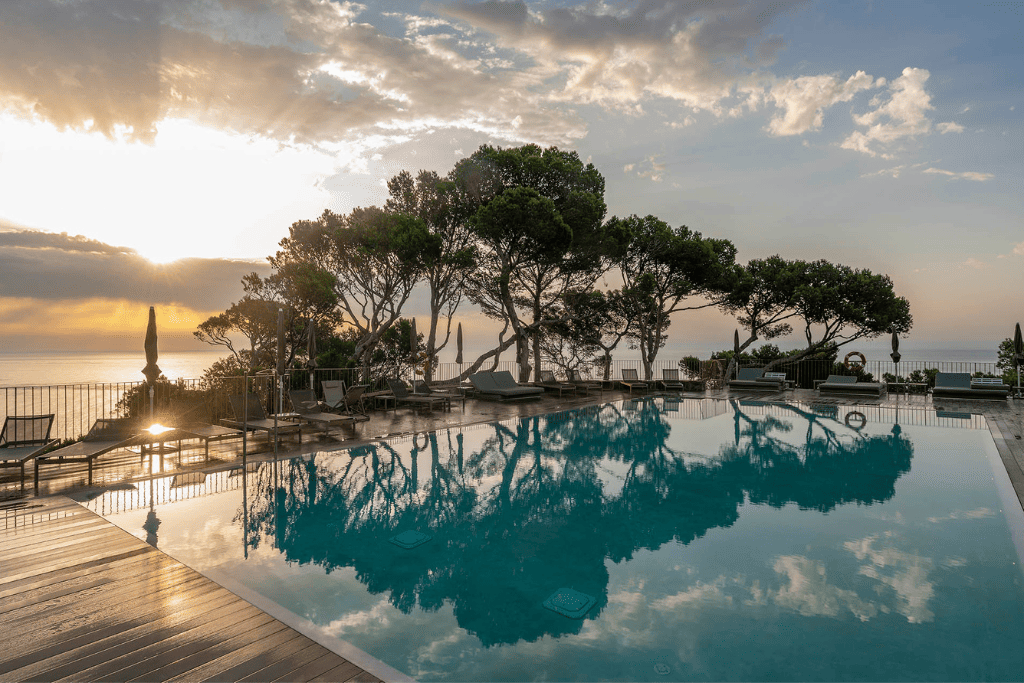
Perched atop one of the most spectacular natural vantage points on the Girona coastline, the building houses an outstanding collection of contemporary Catalan art, featuring seminal figures such as Joan Miró, Antoni Tàpies, Salvador Dalí, Antoni Clavé, Modest Cuixart, and José Beulas. Sculptures by José Luis Sánchez greet visitors at the entrance, marking the start of an artistic journey that accompanies them throughout their stay.
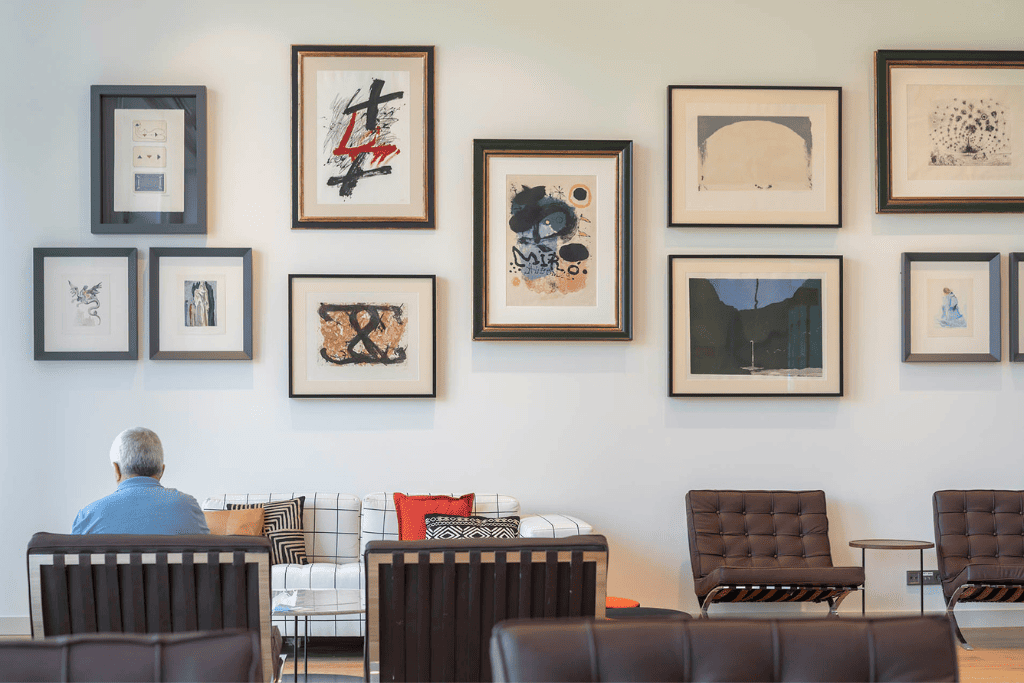
From there, one need only wander down to some of the area’s most iconic coves – such as Aiguablava, Fornells, or Sa Tuna – to realize that the landscape framed by the Parador’s windows possesses the very same expressive power as the works hanging on its walls.
When Pop Art looks to the Mediterranean
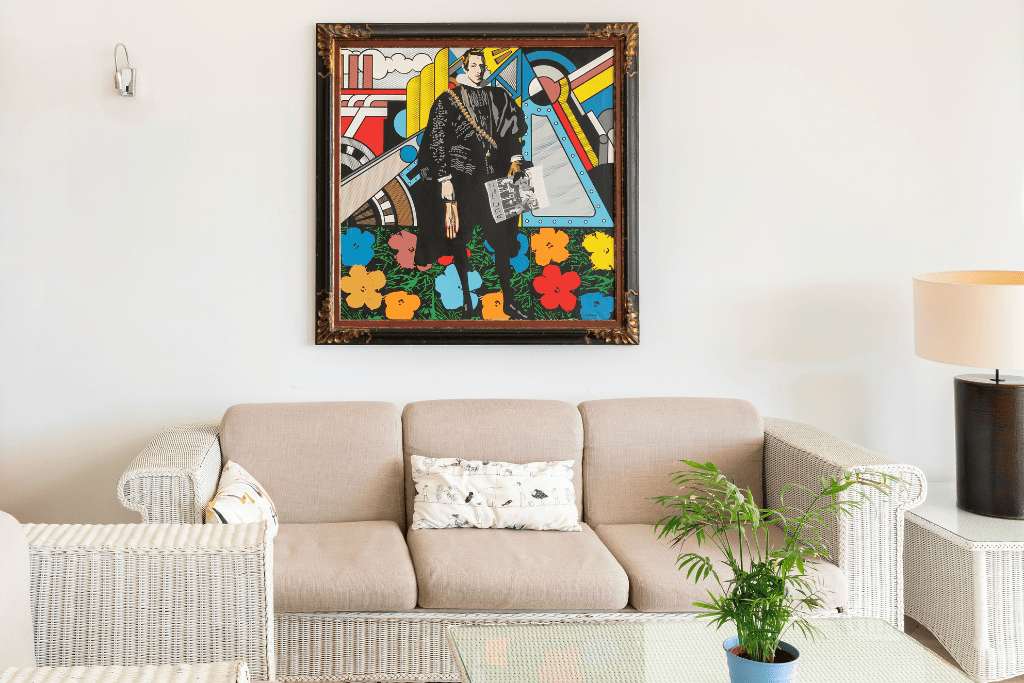
The Mediterranean can also be interpreted through a contemporary lens. At the Parador de Jávea, one of the collection's most striking pieces delights visitors with its vibrant colors and its clever reinterpretation of art history.
This is La Factoría y yo, a large silkscreen print on canvas by Equipo Crónica – the collective formed by Rafael Solbes and Manolo Valdés – which reimagines Velázquez’s famous portrait of Philip IV through the visual language of Pop Art. Brimming with irony, cultural references, and social commentary, the piece perfectly encapsulates the innovative spirit of the Valencian group.
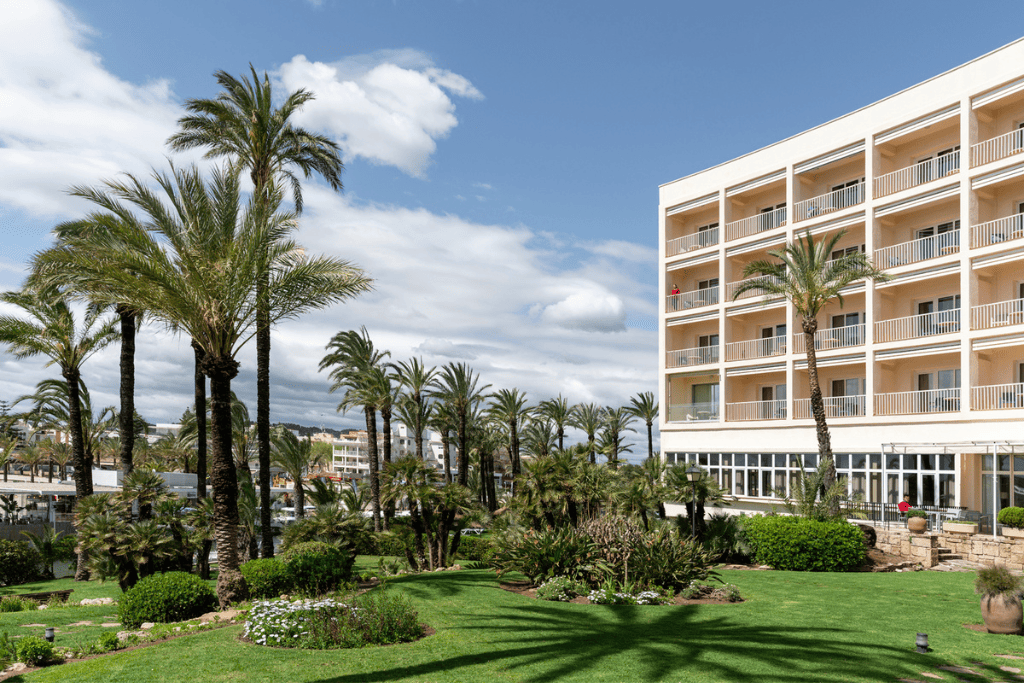
Outside, the scenery changes, but the intensity of the colors remains. The crystal-clear waters of Cala Granadella or Portitxol, the seafront promenade, and the silhouette of Cape San Antonio ensure Jávea is one of those places where nature and artistic creation seem to speak the very same language.
An artistic tribute to Galicia overlooking the Atlantic
The Parador Costa da Morte, nestled into the hillside overlooking Lourido Beach, has made art a natural extension of the surrounding landscape.
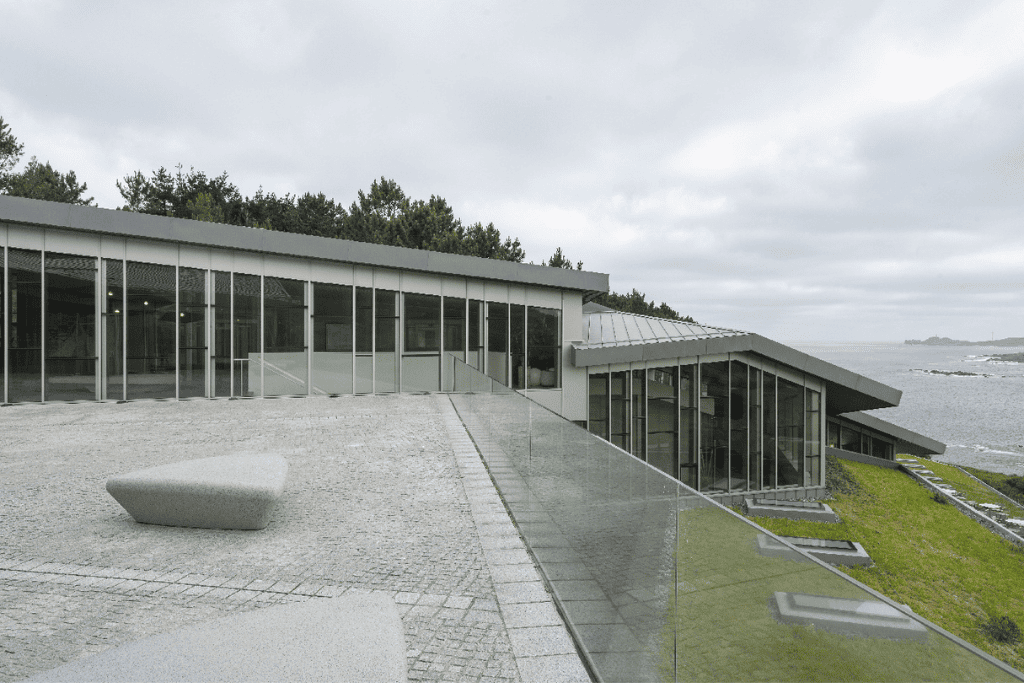
Much of its collection is dedicated to Galician artists. Highlights include sculptures by Francisco Leiro and the monumental Ola by Álvaro de la Vega, crafted from pieces of recycled eucalyptus that evoke the constant movement of the ocean.
Photography also takes center stage thanks to artists such as Manuel Ferrol, Virxilio Vieitez, Ruth Matilda Anderson, Manuel Sendón, and Xurxo Lobato, whose images capture the collective memory of Galicia. Even the Parador’s library, specializing in Galician literature, deepens this cultural immersion.
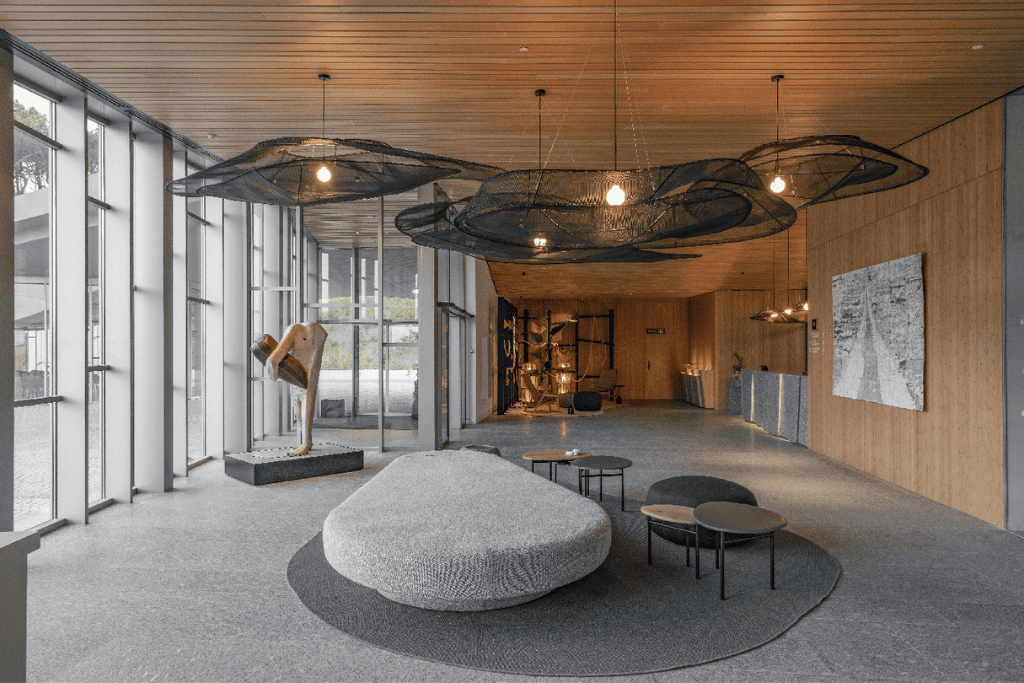
Outside, a landscape of cliffs, wild beaches, the Camiño dos Faros, the Dombate dolmen, and diving routes revealing the submerged heritage of this legendary coastline awaits.
Sleeping alongside Rubens’ tapestries
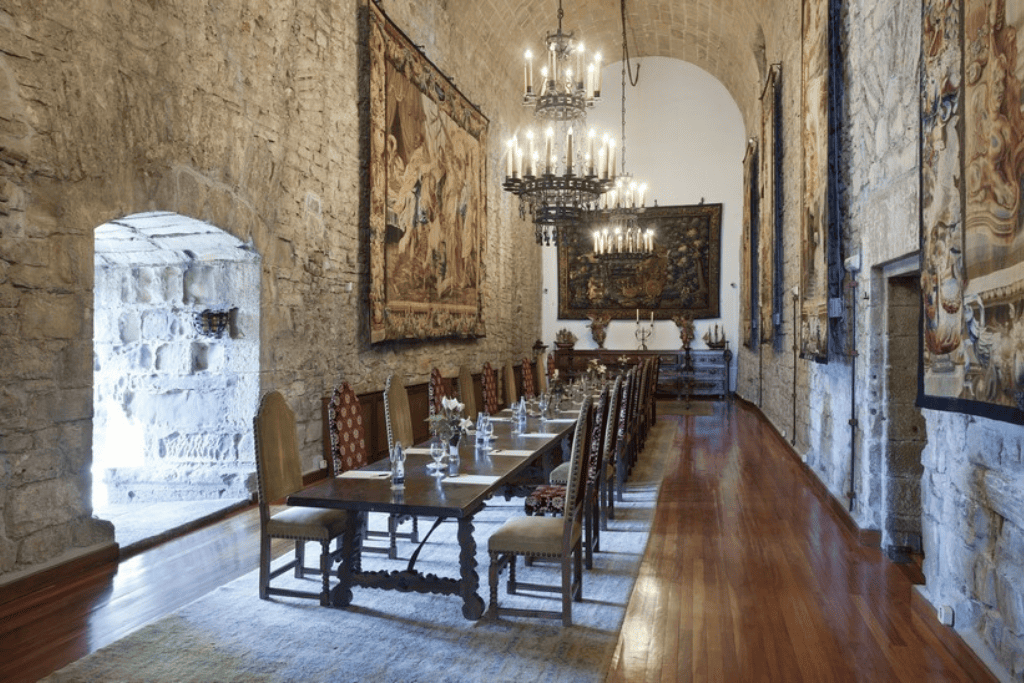
Few hotels can boast a series of tapestries designed by Peter Paul Rubens, but the Parador de Hondarribia is among them.
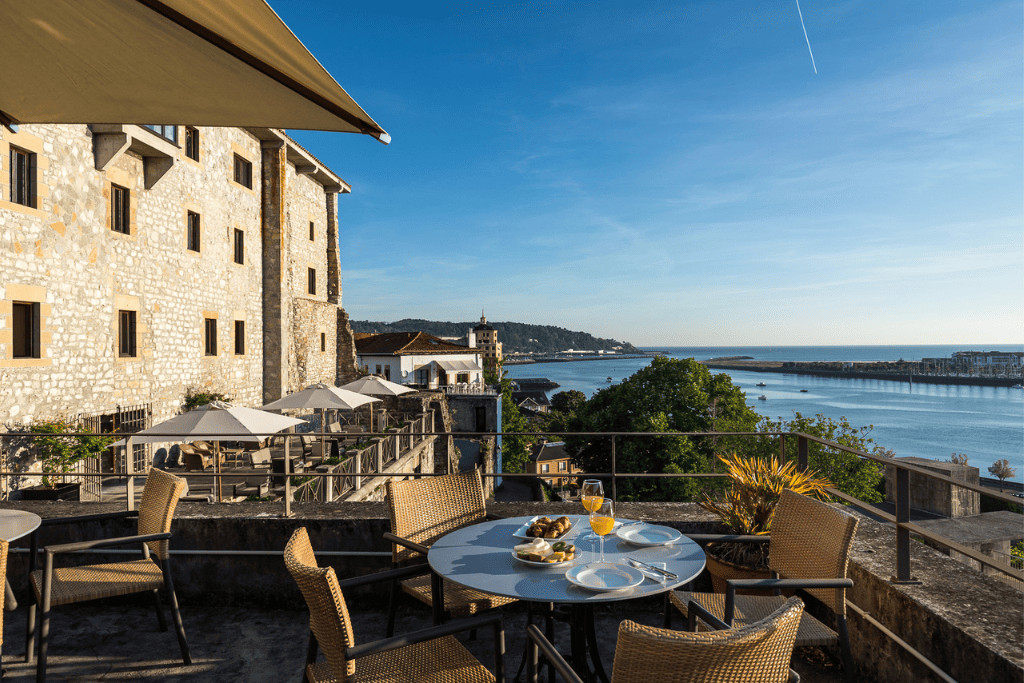
Housed in the Castle of Charles V, a fortress whose origins date back to the 10th century, it preserves six spectacular tapestries from the series The Story of Achilles, woven in Brussels during the 17th century using gold and silver threads. Far more than mere decorative features, they are woven into the building’s own historical narrative, transforming its halls into veritable art galleries.
This experience continues beyond the fortress walls. The historic center of Hondarribia, with its colorful houses, city walls, and rich culinary tradition, leads down to the beach and the bay of Txingudi, where the Cantabrian Sea provides the perfect counterpoint to a day spent exploring heritage and the sea.
A contemporary gallery opening out onto the Atlantic
Light, architecture, and art coexist naturally at the Parador de Cádiz. Its contemporary design, which opens out to the ocean, provides the perfect setting for an art collection focusing on sculpture and contemporary creation.
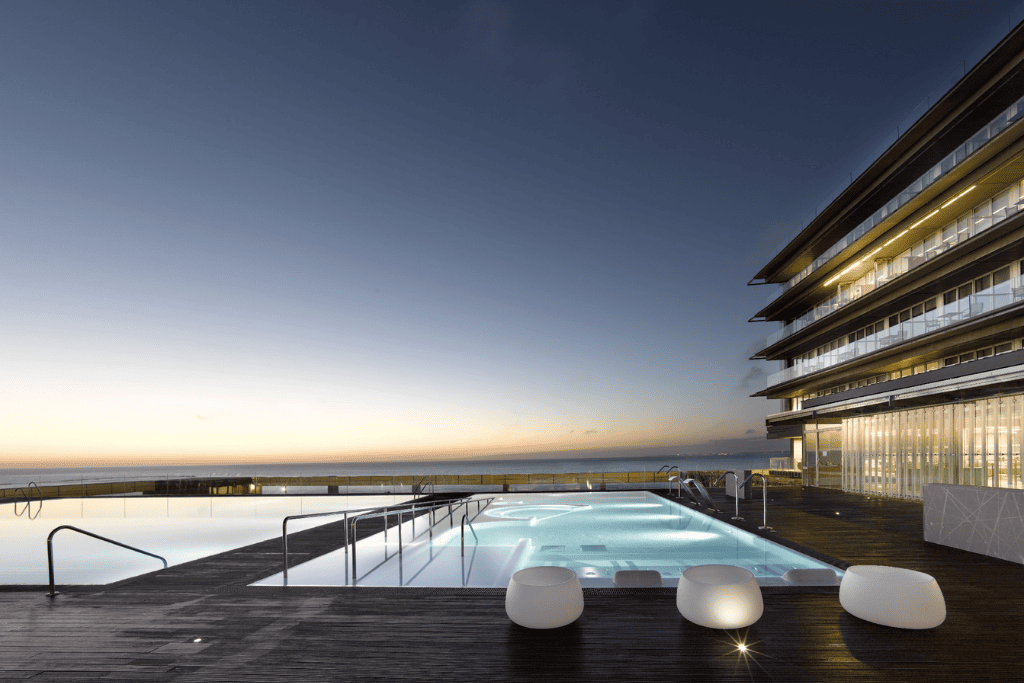
The tour begins with a major installation by the artist Jan Hendrix and continues with works from the ARS FUNDUM collection by artists such as Josep Maria Riera i Aragó, Esther Pizarro, Álvaro Matxinbarrena, Joan Cortés, Florentino Díaz, Carlos Valverde, and Begoña Goyenetxea. Wood, iron, steel, and aluminum blend with the Atlantic light that floods every space in the building.
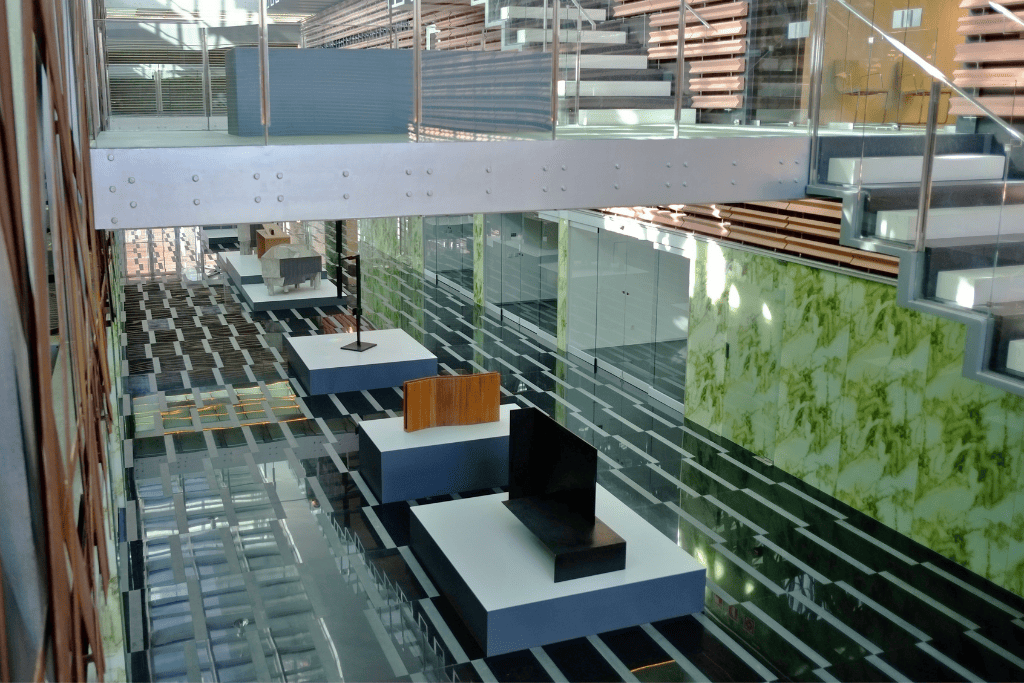
As you step through the door, some of Cádiz’s most iconic sights come into view, including La Caleta beach, Santa Catalina Castle, the La Viña neighborhood, and the seafront promenade. It is a setting where contemporary art finds its natural place in a city that has looked out over the ocean for centuries.