Long before it became a popular route for walkers and cyclists, the Vía de la Plata was already one of the primary transport arteries of the Iberian Peninsula.
Its origins date back to Roman times, when the road linked the major settlements of the western peninsula. Centuries later, the route remains a benchmark for those wishing to explore the region through its history, heritage, and landscapes.
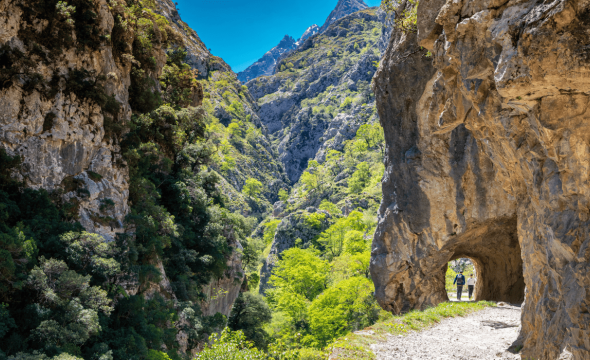
Stretching between Extremadura and Castile and León, the Vía de la Plata Nature Trail allows travelers to rediscover a portion of that legacy as it winds through historic towns, pasturelands, and rural landscapes that have retained much of their original character.
A Route with Two Thousand Years of History
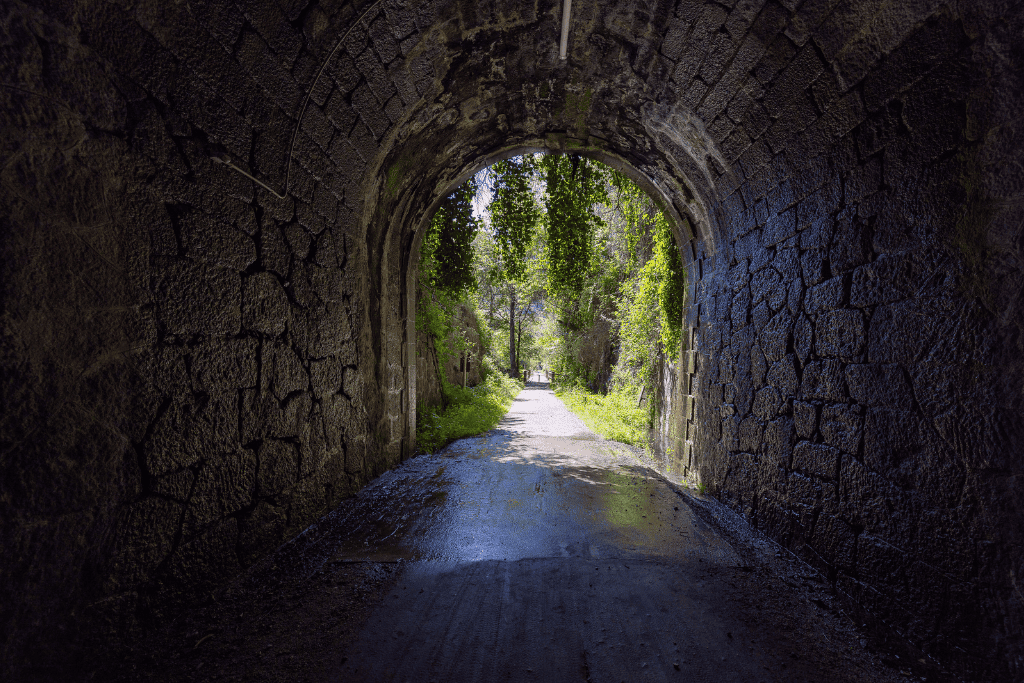
The name ‘Vía de la Plata’ does not refer to the precious metal, but rather to the colloquial evolution of the name given to the ancient Roman road.
For centuries, it was used by traders, travellers, soldiers, and pilgrims. Today, much of that route can be followed via the Camino Natural, which revives historic sections and connects several of the primary heritage sites in western Spain.
To walk this route is to travel through a region where each stage is marked by the presence of diverse cultures and historical eras.
Plasencia, the Gateway to the Route
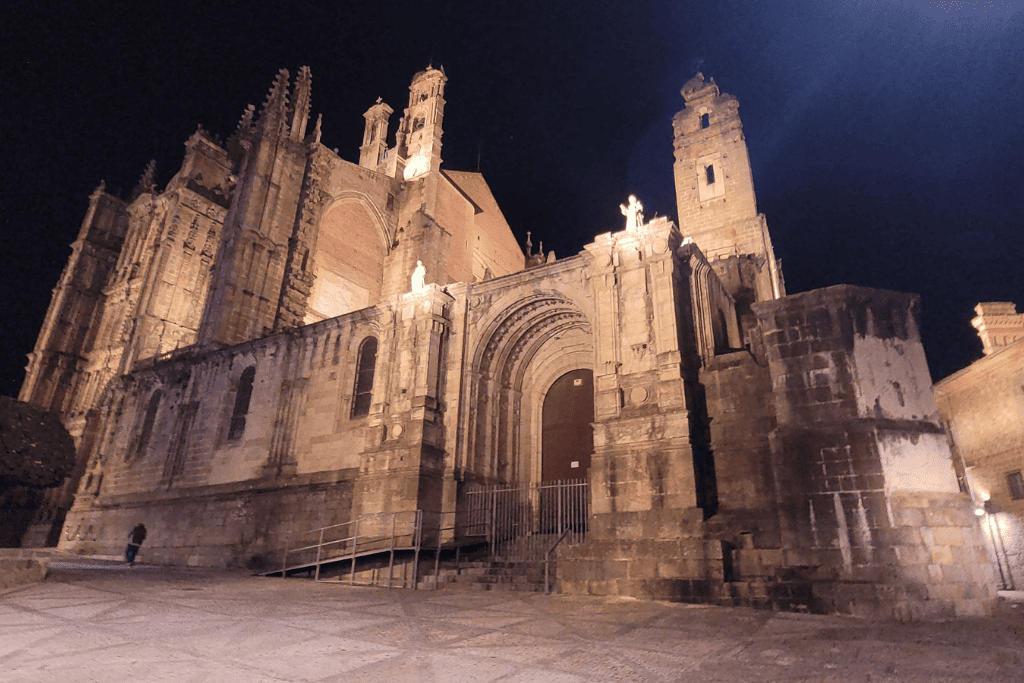
One of the route's defining highlights is the city of Plasencia. The city boasts an impressive array of monuments, comprising medieval walls, Renaissance palaces, and one of Spain’s most unusual cathedrals—the unique result of joining two distinct buildings constructed in different eras.
This serves as the starting point for the stage leading to Jarilla, one of the best-known stretches of the Camino Natural Vía de la Plata.
A stroll through the streets of the historic center before setting off offers a profound insight into the strategic importance the city held for centuries.
The Extremaduran Dehesa Landscape
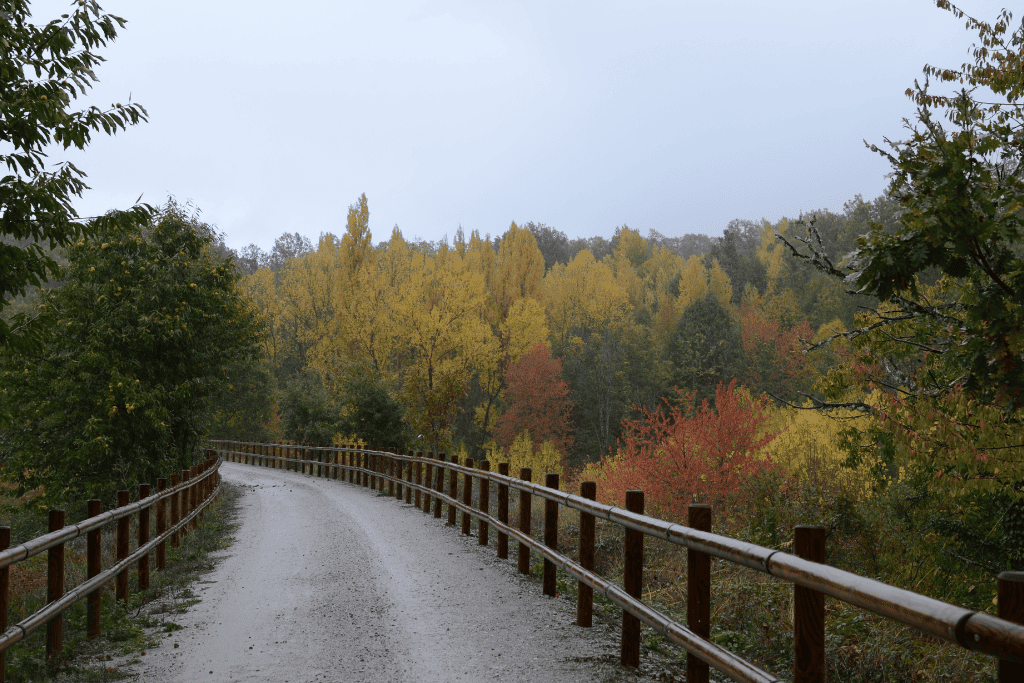
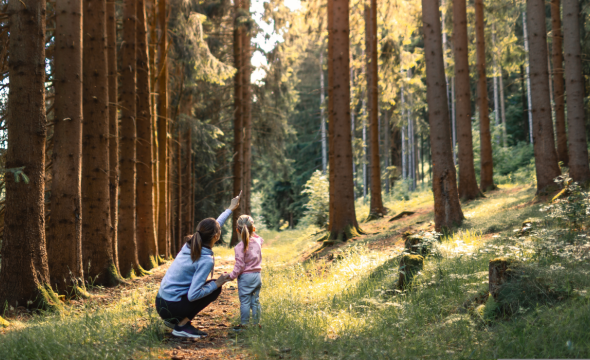
Beyond the towns, the trail passes through one of Extremadura’s most iconic landscapes: the dehesa.
Holm and cork oaks characterize an open landscape where livestock farming, agriculture, and biodiversity coexist. It is an environment that shifts with the seasons, forming an integral part of the region’s cultural and economic identity.
The sheer scale of the landscape ensures that each stage offers an opportunity to view the area from a fresh perspective.
Mérida, a City Built on History
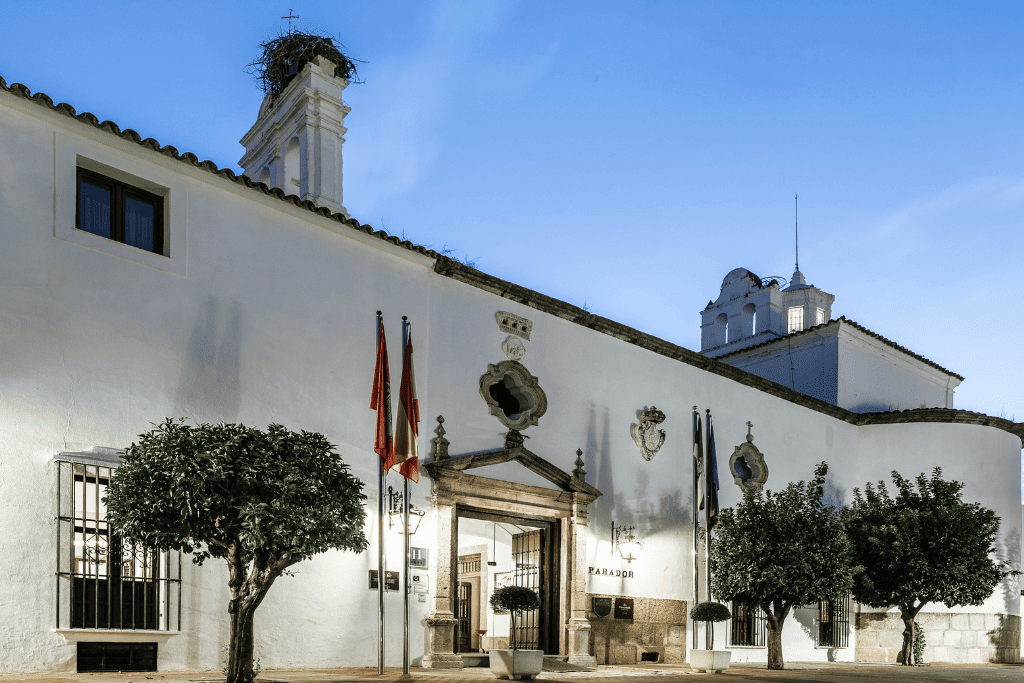
The route finds another of its major landmarks in Mérida. Founded as a Roman colony in 25 BC, the city preserves one of Europe's most significant archaeological sites. Its Roman theatre, amphitheatre, historic bridges, and the National Museum of Roman Art offer a glimpse into the scale the city reached during antiquity.
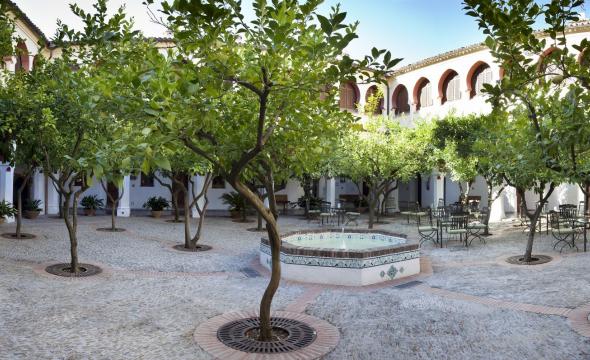
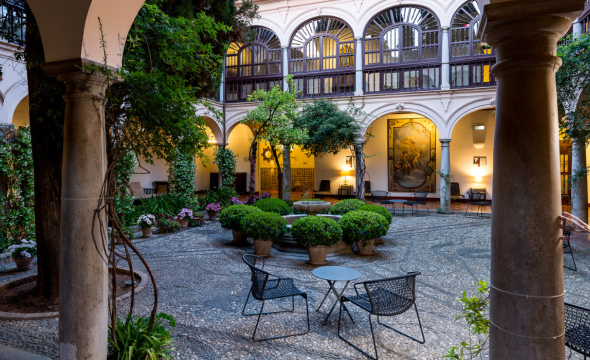
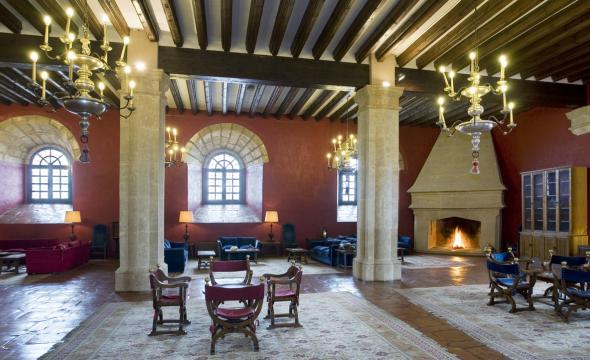
Nearby lies the Parador de Mérida, housed within the former Baroque Convent of Jesús. Its courtyards and gardens still preserve archaeological remnants that bear witness to the city’s various historical eras.
A Route for Walking and Exploring the Region
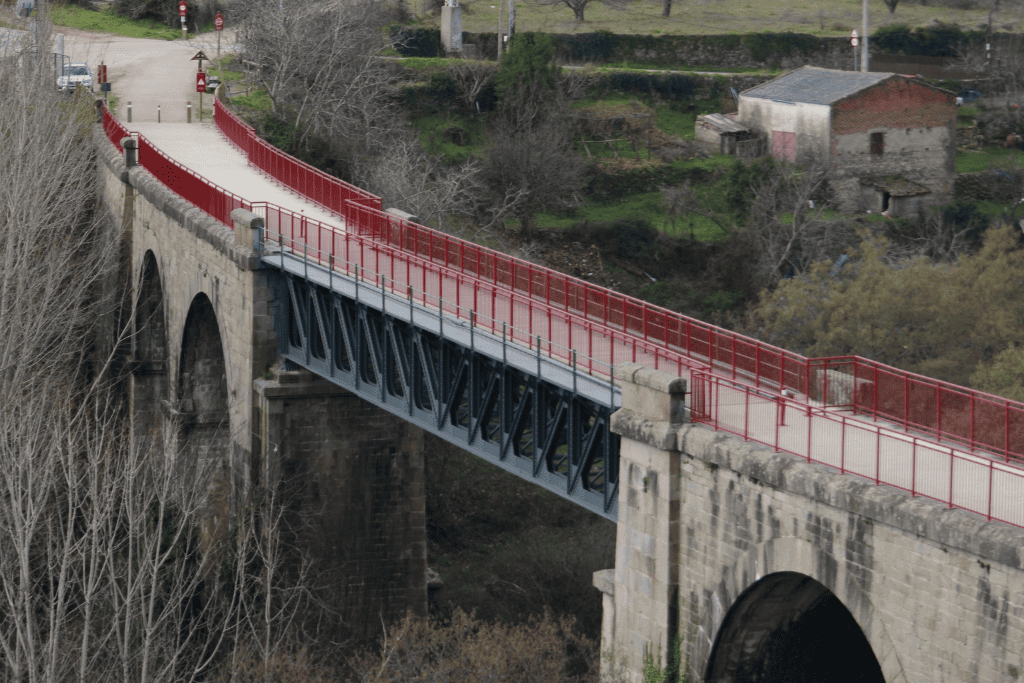
The Vía de la Plata is far more than a mere succession of monuments and natural landscapes; its true appeal lies in the seamless connection between the two.
Along the route, you will encounter historic cities, small villages, vast pastures, and paths trodden for centuries by travellers from different eras.
It offers an exceptional way to explore Extremadura by following one of Spain’s great historic routes, witnessing firsthand how landscape and heritage maintain an inseparable, enduring relationship.