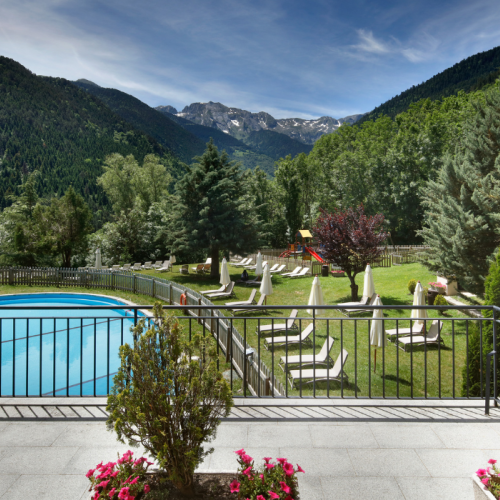
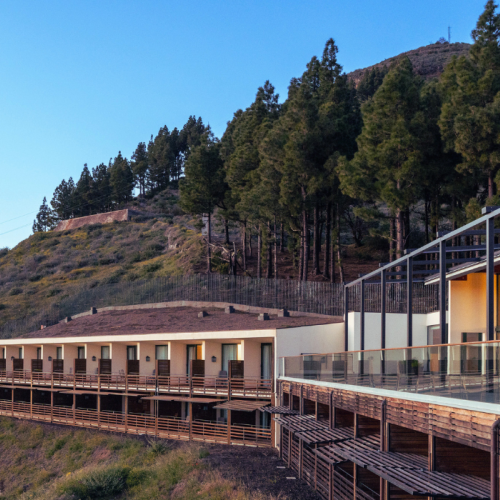
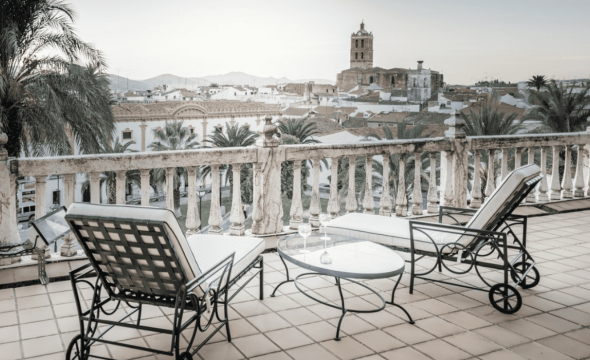
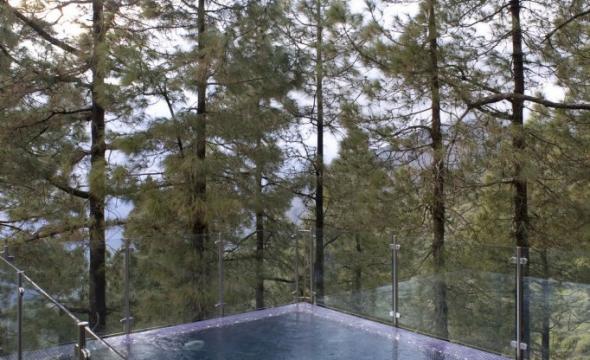
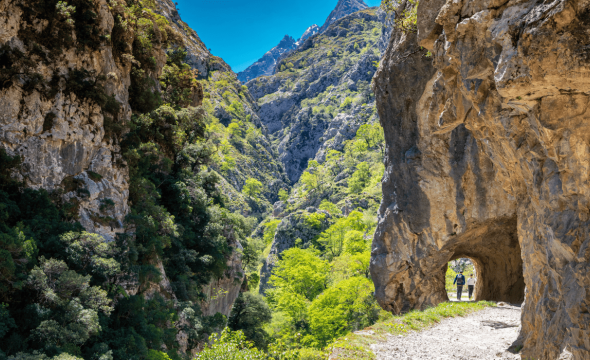
The Nature Trails Network spans over 11,000 kilometres across the country, winding through canyons carved out by great rivers, olive groves, ancient forests, sweeping agricultural plains, volcanic peaks, and timeless villages where life still follows the rhythm of the seasons. Crucially, many of these routes pass right by some of Spain’s most iconic Paradores.
This creates an organic synergy between the Nature Trails and Paradores, allowing travellers to combine two complementary ways of exploring the country : walking through landscapes that tell the story of each region, and staying in historic buildings that are part of that very narrative.
From Galicia to the Canary Islands, these trails seamlessly connect the country’s most breathtaking scenery with establishments that have spent decades bringing travellers closer to Spain’s cultural and architectural heritage.
Journeying Through Canyons, Vineyards and Monasteries
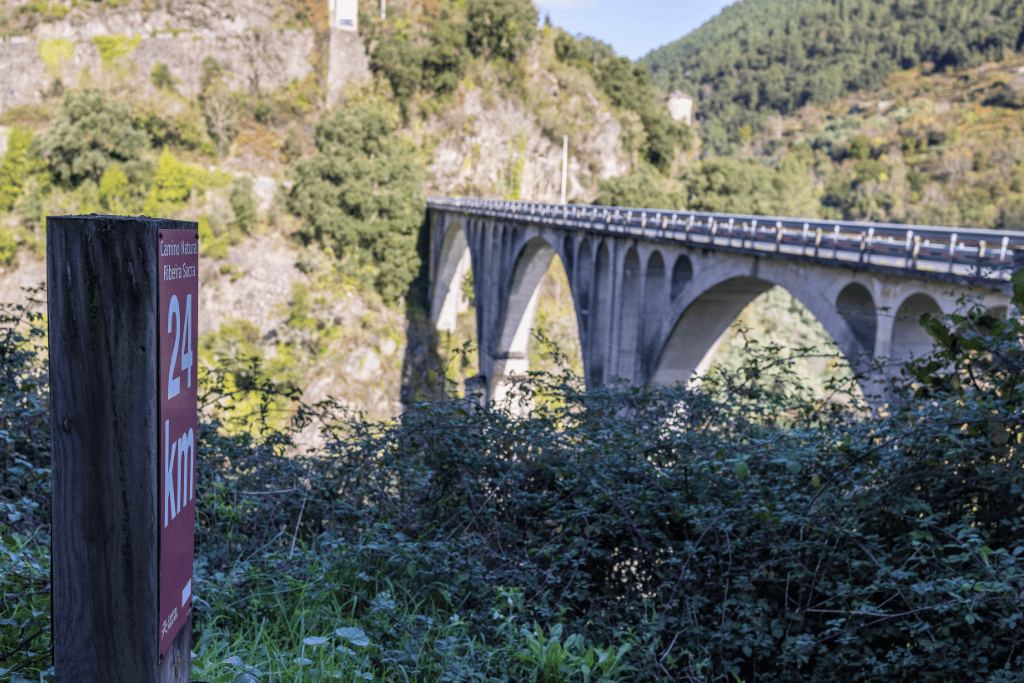
In the Ribeira Sacra, the Miño and Sil rivers have sculpted deep canyons out of mountainsides blanketed in vineyards. Here, ancient monastic paths connect panoramic viewpoints and secluded chapels as the landscape transforms with every step.
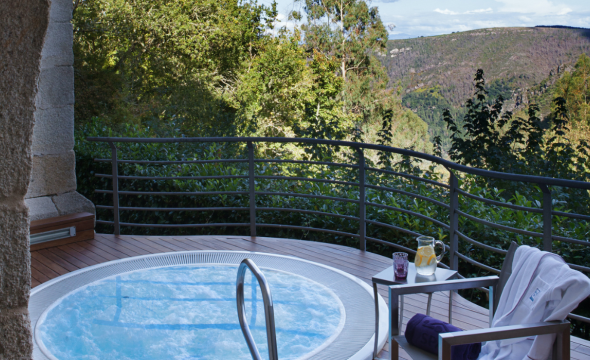
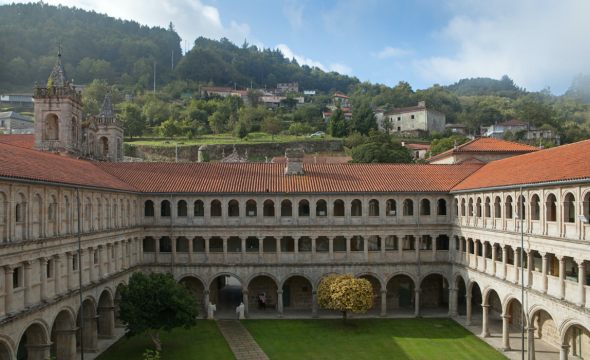
One of the undisputed highlights of the route is the Parador de Santo Estevo, housed in a magnificent monastery whose origins date back to the 6th century. After a rewarding day’s hiking, a stroll through its Romanesque, Gothic, and Renaissance cloisters offers a seamless extension of the journey.
In the Footsteps of History
Certain routes offer the chance to walk through centuries of heritage. The Vía de la Plata, for instance, retraces the ancient Roman road that once connected Mérida with Astorga, and remains one of the great historic arteries of the Spanish interior.
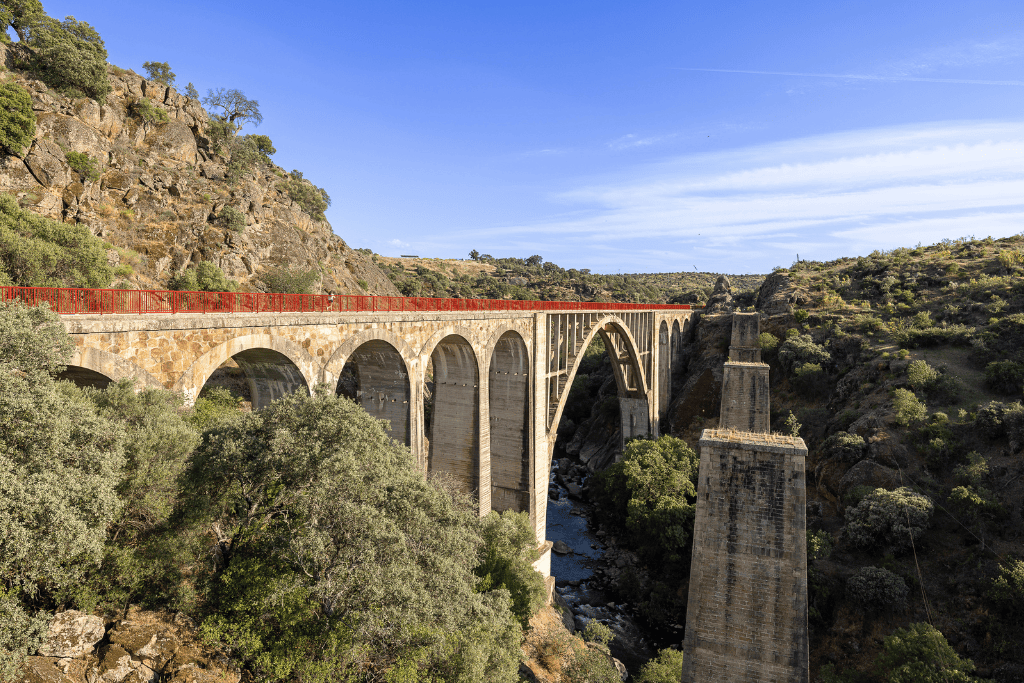
Meanwhile, from Plasencia to Mérida, travellers can alternate between rolling pasturelands and historic towns that preserve the peninsula’s rich Roman, medieval, and Renaissance legacy.
Trails Born of the Railway
Many of the most popular routes within the Nature Trails Network breathe new life into old railway infrastructure.
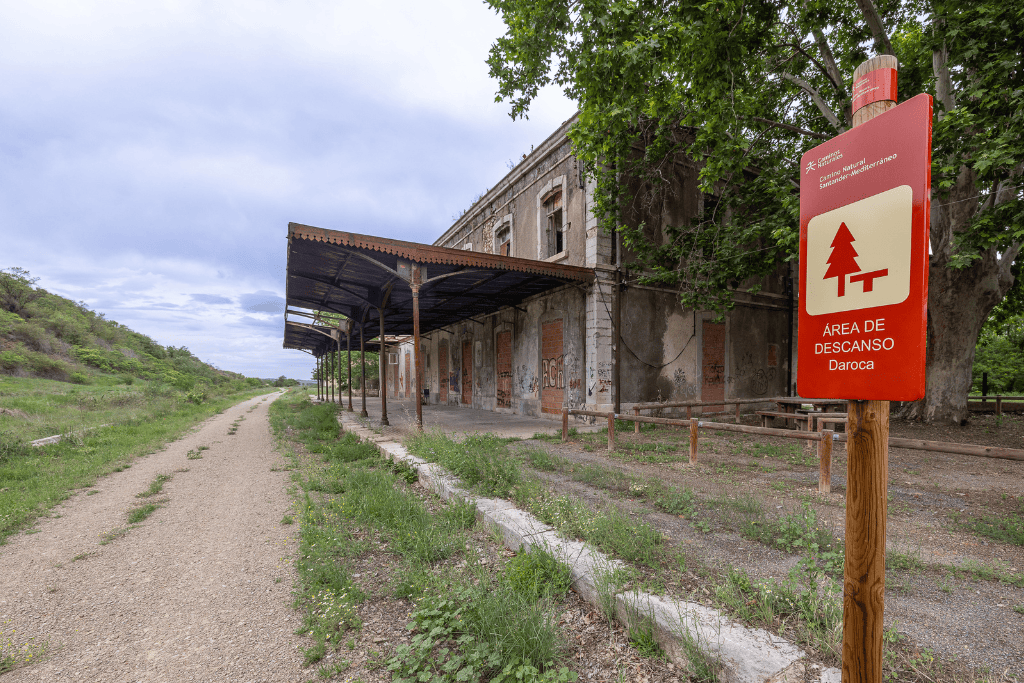
The Vía Verde del Aceite follows the tracks once laid for the so-called ‘Oil Train’ between Jaén and Córdoba. Further east, the Vía Verde del Renacimiento crosses agricultural heartlands and Mediterranean woodland, tracing a railway line that was never actually brought into service.
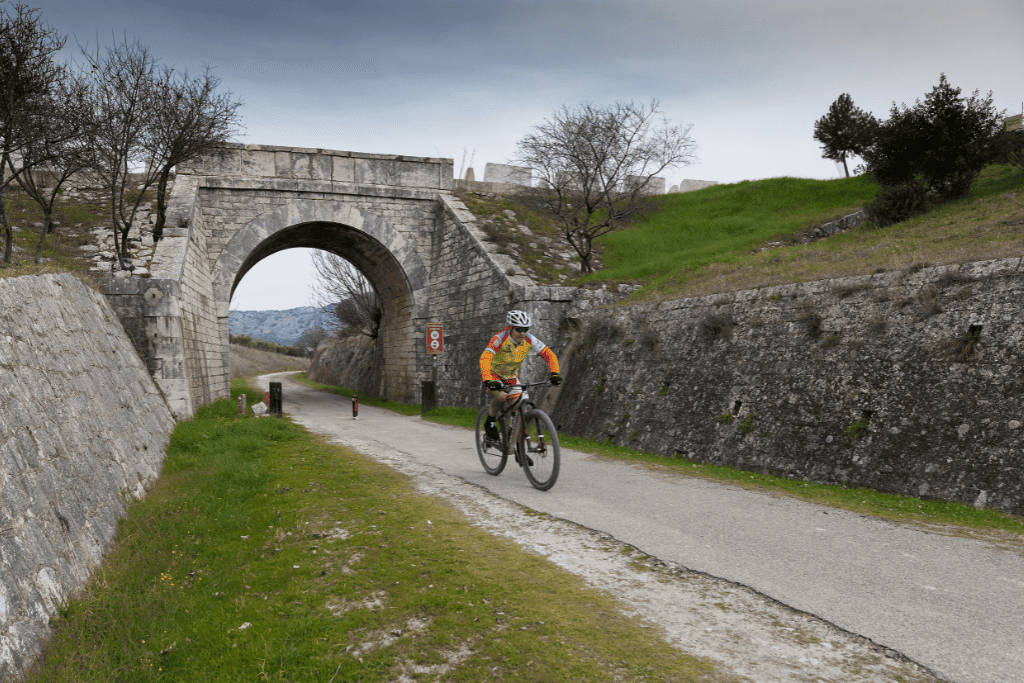
Viaducts, old stations, and tunnels have now been reimagined as scenic routes beloved by walkers and cyclists alike.
Rivers that Shape the Route
Water is another defining element of the Nature Trails.
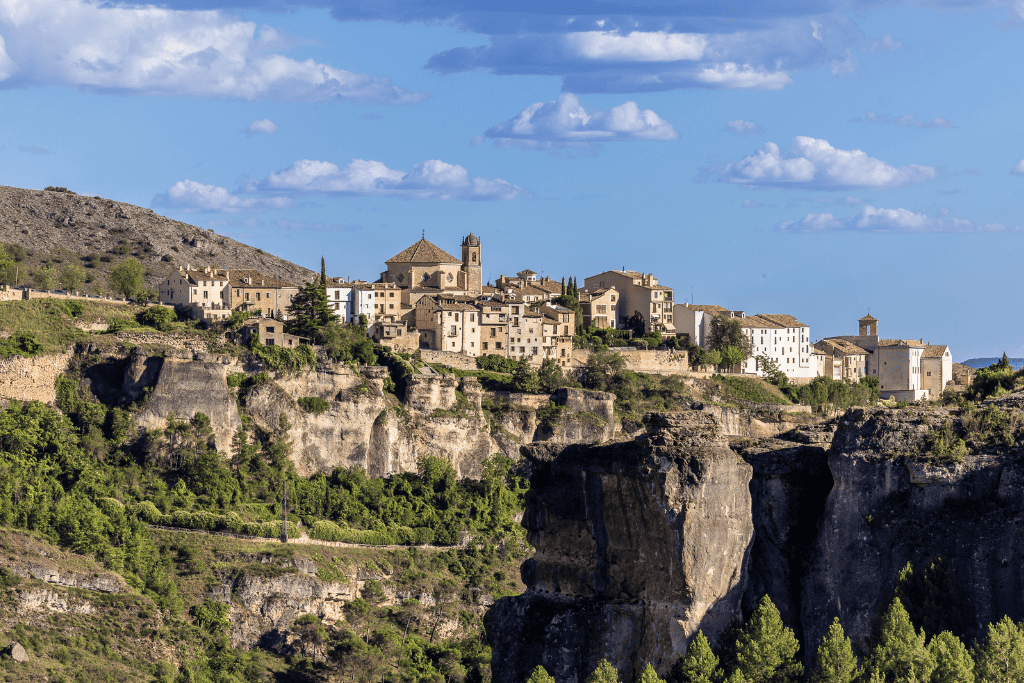
The Guadiana accompanies travellers through idyllic dehesa pastures and fertile plains in Extremadura. The Júcar leads towards Cuenca, carving its way through limestone gorges and dense pine forests. The Ebro, meanwhile, flows steadily towards the Mediterranean, following disused railway lines until it reaches its Delta—one of Europe’s most vital natural wetlands.
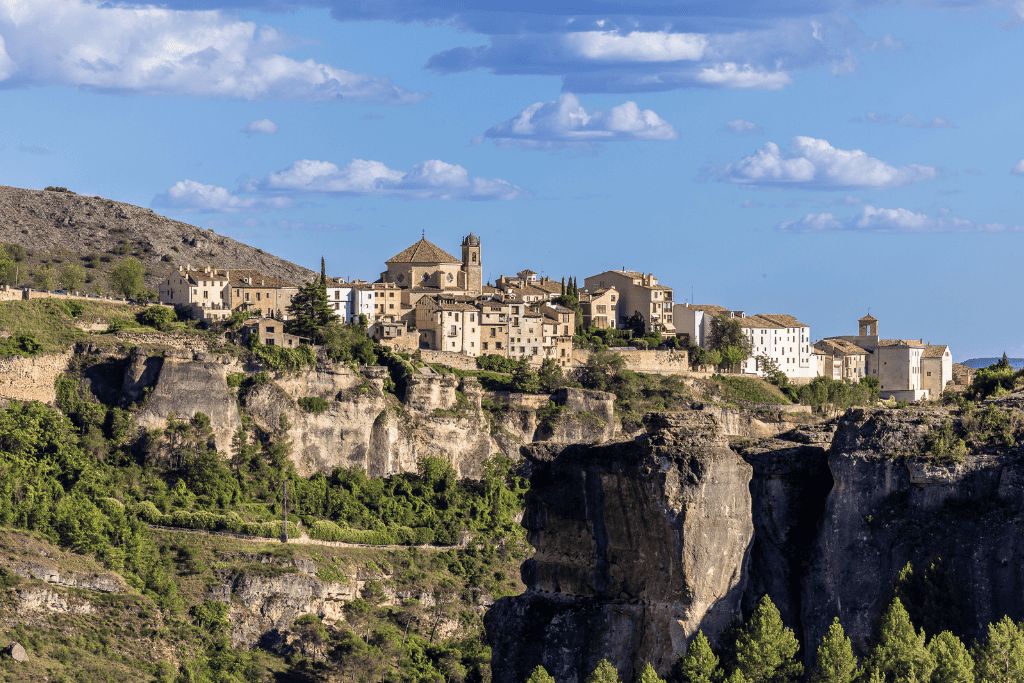
Each river masterfully sculpts a distinct landscape, offering a completely fresh perspective on the region.
From the Interior to the Islands
The sheer diversity of the network becomes beautifully apparent when contrasting the inland routes with those of the Canary Islands.
While the Guadalaviar, the Santander-Mediterranean, or the Camino del Agua Soriano traverse juniper groves, quiet valleys, and landscapes deeply rooted in Mudéjar tradition, the trails on La Gomera and La Palma wind through ancient laurel forests, volcanic terrains, dramatic cliffs, and viewpoints overlooking the vast Atlantic.
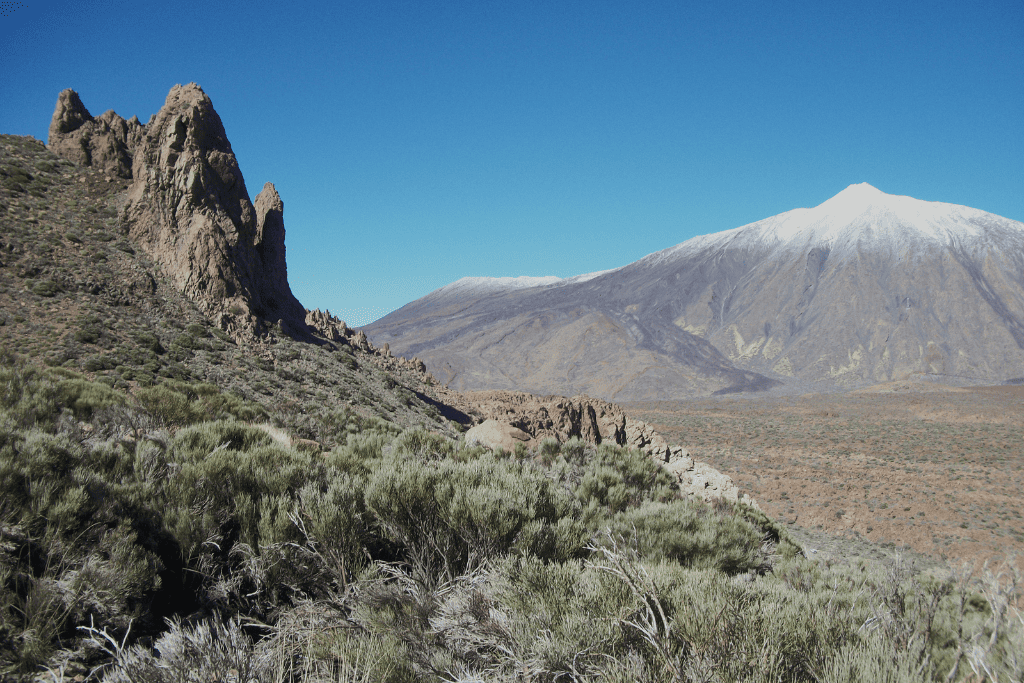
These are contrasting worlds united by a single philosophy: discovering natural heritage through a more dynamic approach to travel.
A Partnership that Revitalises Regions
The collaboration between Caminos Naturales (Nature Trails) and Paradores plays a vital role in breathing new life into rural communities. By guiding visitors off the beaten track, these routes foster a deep appreciation for local traditions, artisanal produce, and historical heritage. The result is a model of tourism that harmoniously connects nature, culture, and the local economy.
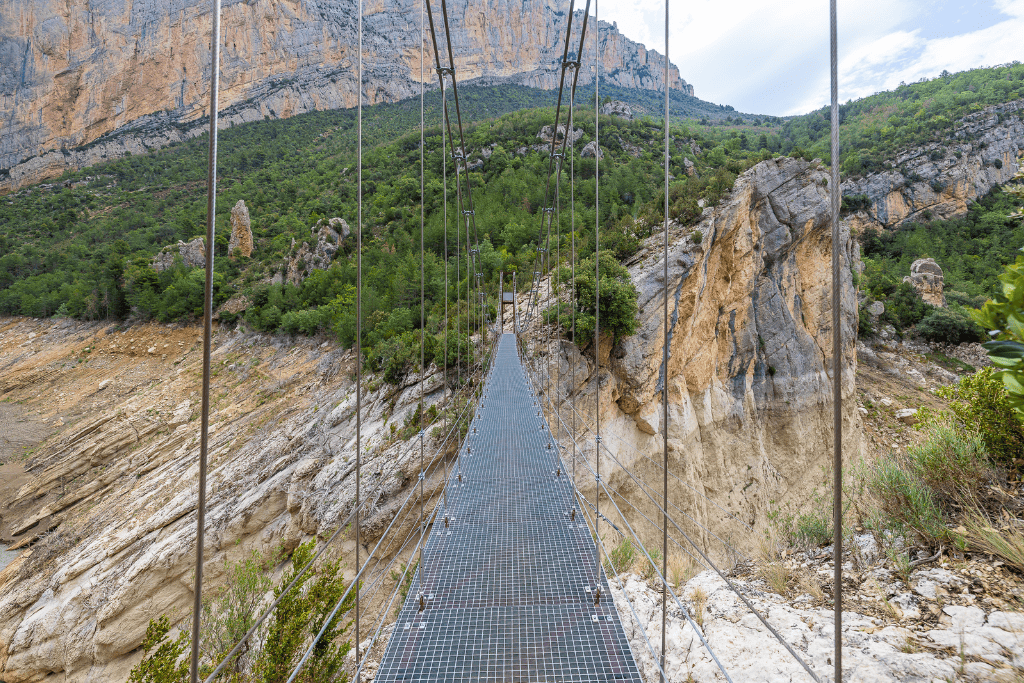
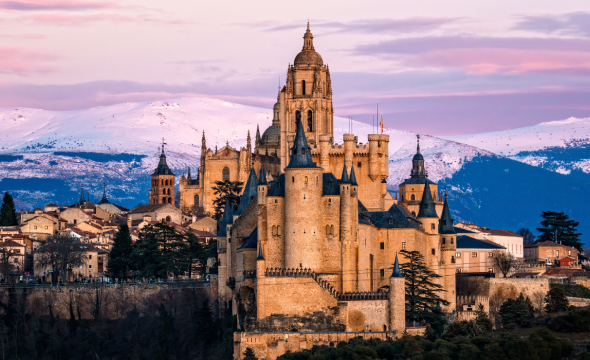
Because across much of Spain, the journey doesn’t simply end when you reach your destination. It continues around a table sampling local gastronomy, within the centuries-old stone walls that shelter you, or in the sweeping views from a fortress built long ago to look out over a valley or the sea.