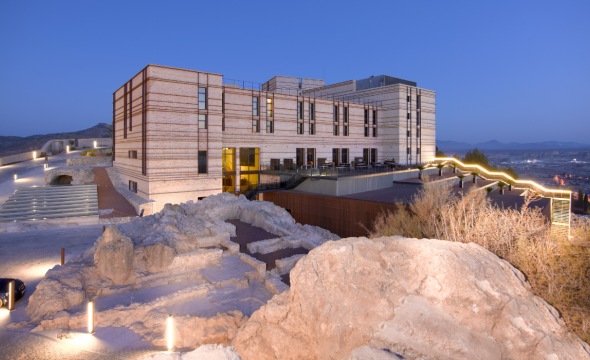
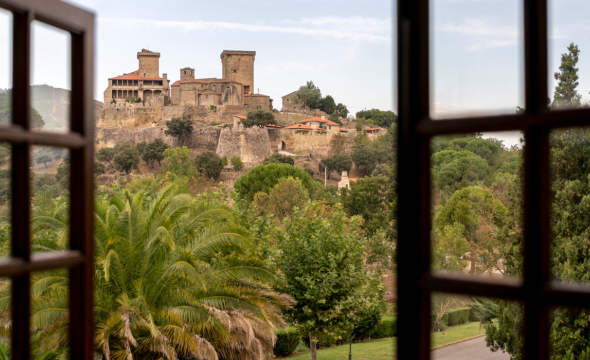
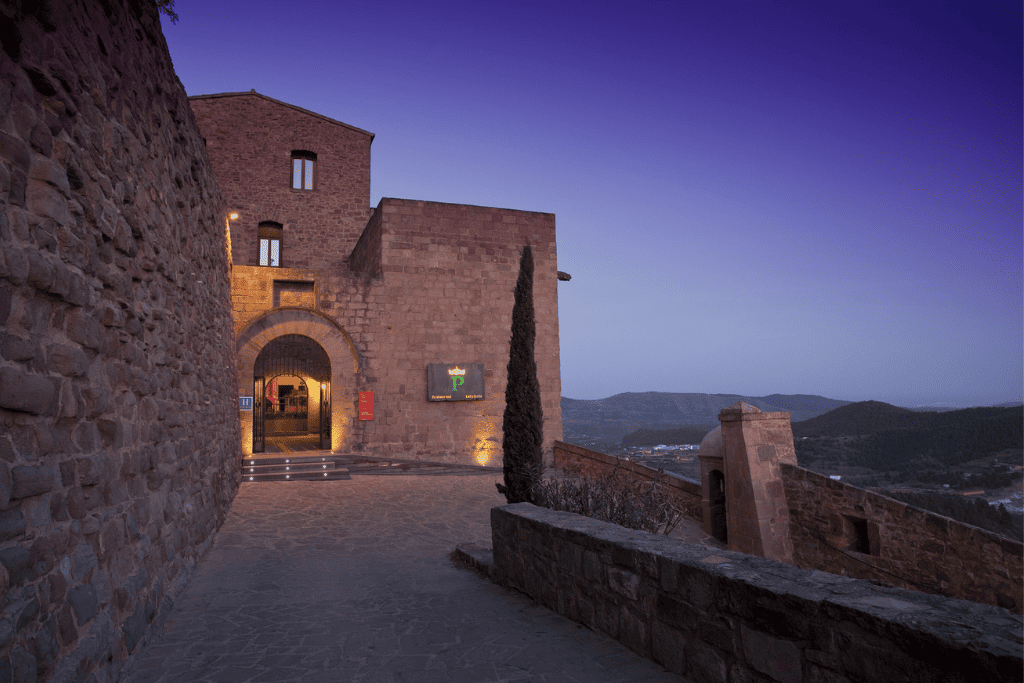
Crossing the Graells gate is stepping into a labyrinth of medieval streets that rise slowly towards the town’s emblem: Cardona Castle, one of the most impressive Paradores.
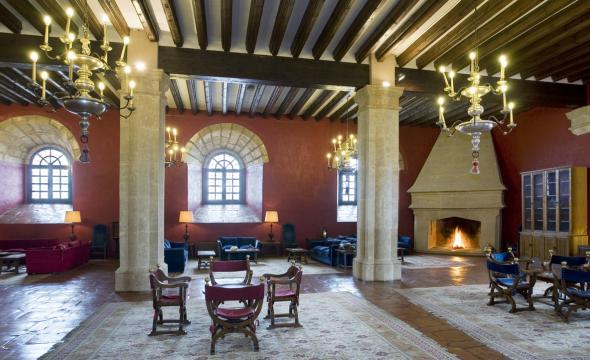
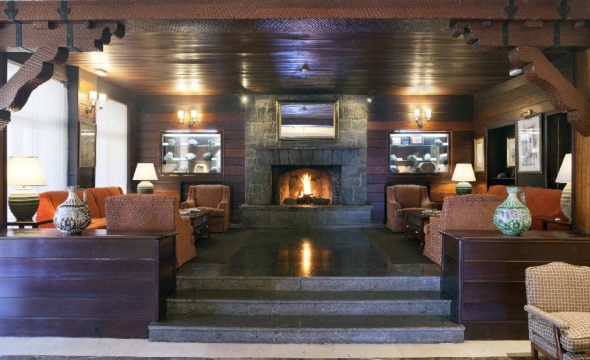
Recently reopened after an investment of nearly three million euros, the Parador de Cardona retains the Romanesque essence of what was once the residence of one of the most powerful families in the Crown of Aragon. Exploring its spaces, wandering through its corridors, or enjoying the views from its rooms are unforgettable experiences, even more so after a renovation project that has enhanced the decoration, roofing, and exterior woodwork, while improving the building’s preservation, thermal insulation, and energy efficiency.
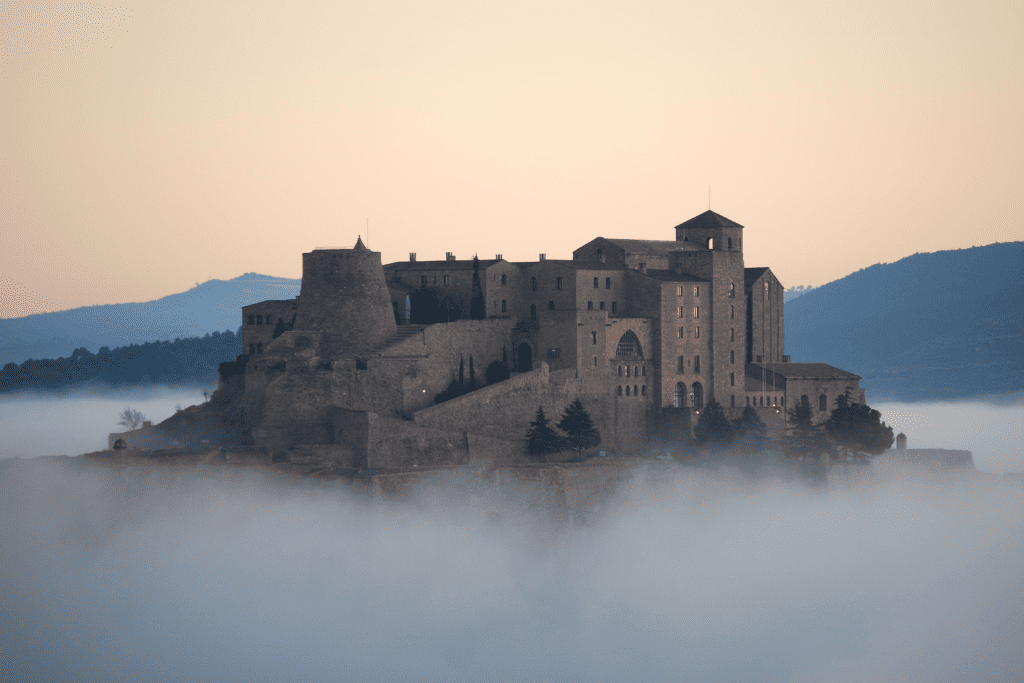
These works add to those carried out by Turespaña with European funding, focused on the restoration, cleaning, and rehabilitation of various elements of the castle, as well as the monumental lighting of this Catalan defensive jewel.
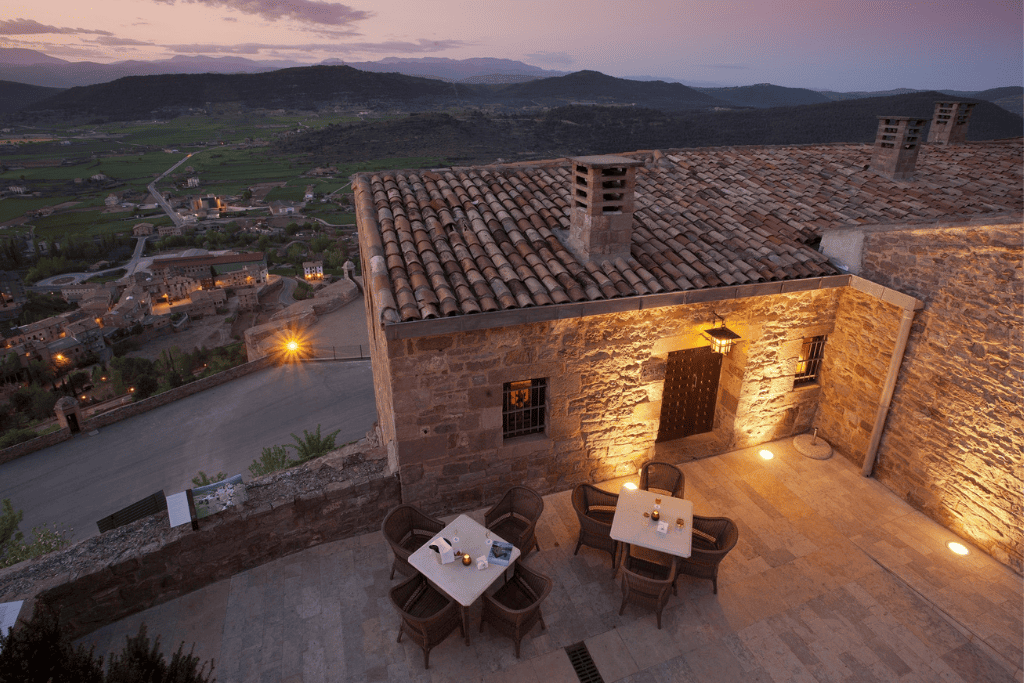
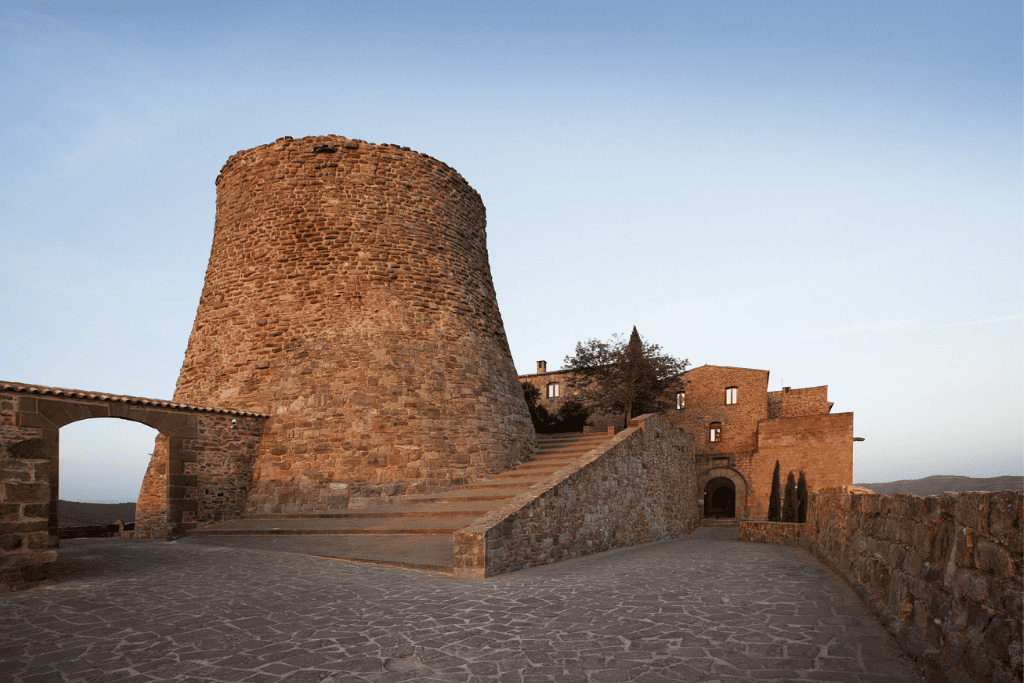
Next to it stands the Collegiate Church of San Vicente. Preceded by a porticoed atrium that still preserves mural paintings a thousand years old, it is one of the masterpieces of early Catalan Romanesque architecture. Defended by the bastions of Sant Pere and Sant Nicolau, it dominates the landscape. Its lantern tower competes in height with the Minyona Tower, despite the fact that the latter was reduced in height in 1812, during the Peninsular War, when Catalonia was, de facto, part of the French Empire.
A privileged watchtower, from here one can view another of the town’s most significant landmarks: the salt mountain, a saline deposit that has been exploited since the Neolithic and has served as the economic engine of the town throughout history.
Gallery tunnels over eighty metres deep, stalactites resembling icicles, and tools encrusted with salt from when the mine was operational, captivate any visitor who dares to venture into its depths. To complete the visit, at the foot of the castle stands the Salt Museum, essential for understanding this mineral’s importance in Cardona over time.
Traditional Catalan cuisine, particularly the gastronomy of the Bagés region in Barcelona, forms the foundation of the Parador of Cardona’s offering. A cuisine prepared with seasonal and locally sourced products such as mushrooms, cold meats, tomatoes, aubergines, cod, snails, lamb and pork, or duck and its derivatives.
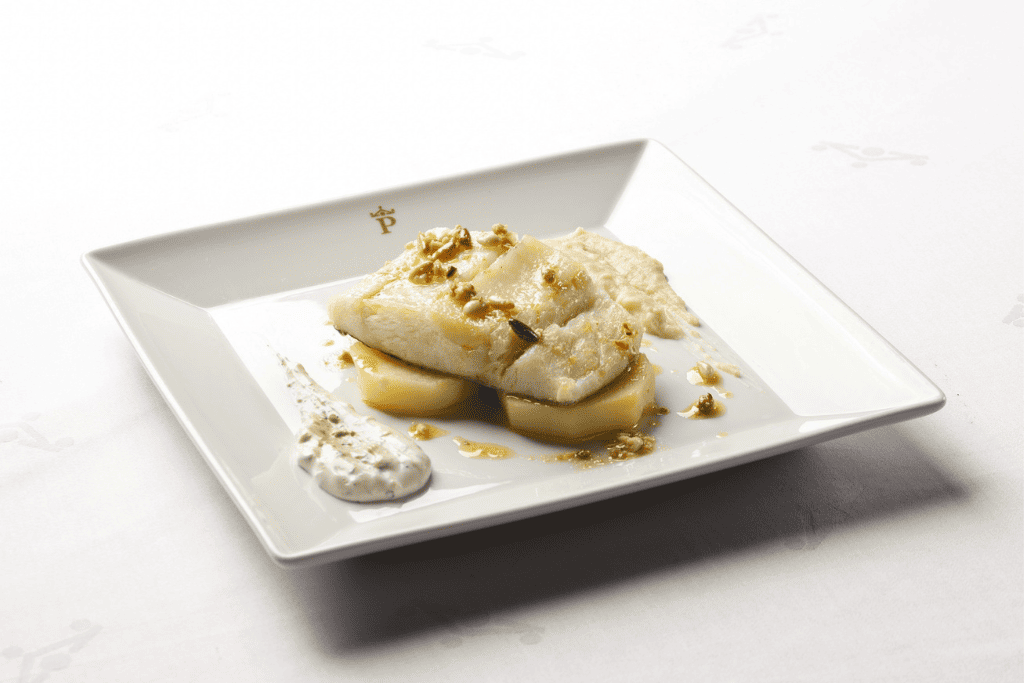
In its impressive medieval dining room, guests can enjoy various textures of cod with brandade, escudella, typical Catalan cold meats with coca de vidre bread and “penjar” tomatoes, grilled vegetables, seafood stew with lobster, hake, monkfish, prawns, and clams.
Silence, we are shooting!
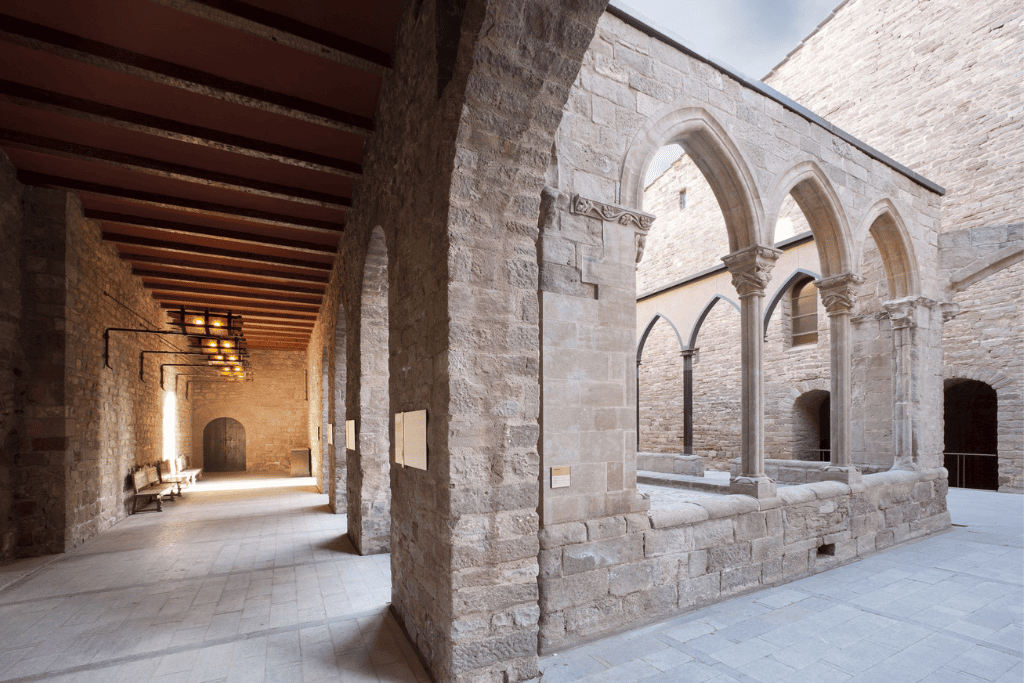
In 1965, the serene stillness of the Collegiate Church of San Vicente was interrupted by the arrival of one of the greatest American filmmakers: Orson Welles. Like a hurricane, the prolific director revolutionised the life of a town where there had been no whiskey until his arrival, turning it into the setting for Chimes at Midnight. Premiered at the Cannes Film Festival, the film won the technical prize. The story unfolds between the arches of the Gothic cloister, the castle, and the Romanesque aisles of the collegiate church, which led to it being recognised in 2016 as a Treasures of European Film Culture by the European Film Academy.
The legend of the Minyona tower
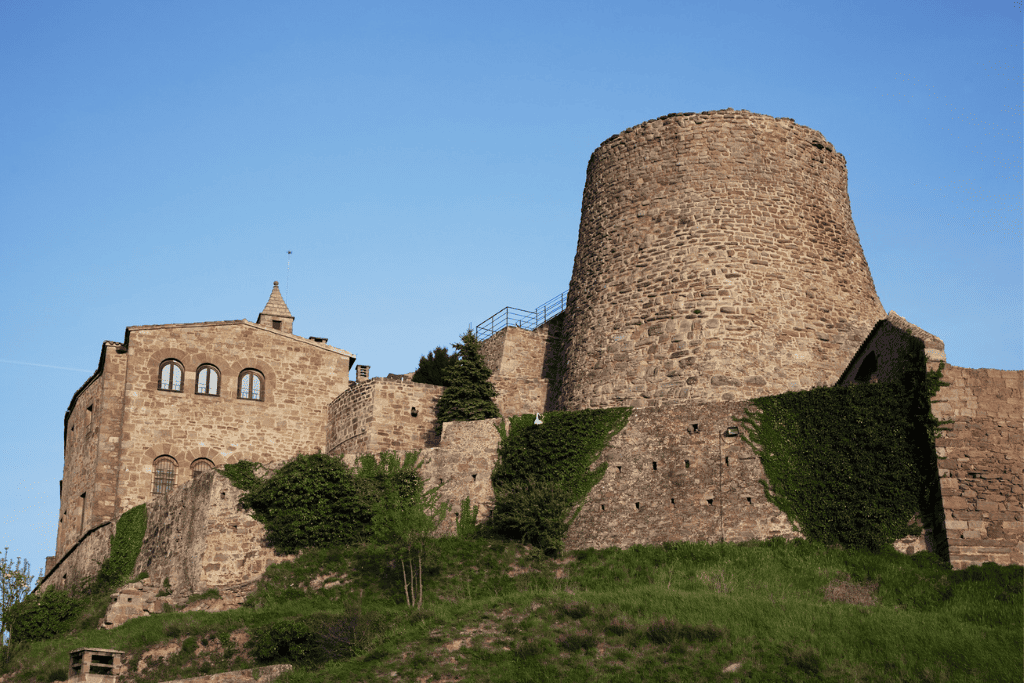
Legend has it that the duke of Cardona lived in the castle with his daughter, Adalés. Tired of war and seeking a secure alliance, he invited the Muslim prince Abdalá to the fortress. While strolling through the gardens, Abdalá met Adalés. That first meeting was followed by many more. They became lovers and swore eternal love to each other. When the duke discovered their relationship, he declared war on the Muslims and imprisoned Adalés at the top of the tower. Abdalá tried to free her but only found death at the hands of the duke’s soldiers. Heartbroken, she died in the tower, which has been known ever since as the “Minyona”, or “maiden” in Catalan.