Andalusian Legacy Route 2026
Route of 7 nights
Paradores on the Route
- Parador de Málaga Golf
- Parador de Ronda
- Parador de Antequera
- Parador de Carmona
- Parador de Córdoba
Immerse yourself in the heart of Andalusia, a melting pot of cultures, and experience its enchantment from the tourist-friendly Málaga coast to the Caliphate-era city of Córdoba.
From 570€ /per person.
Route available from January to December 2026.
This route starts on Sunday
Day 1
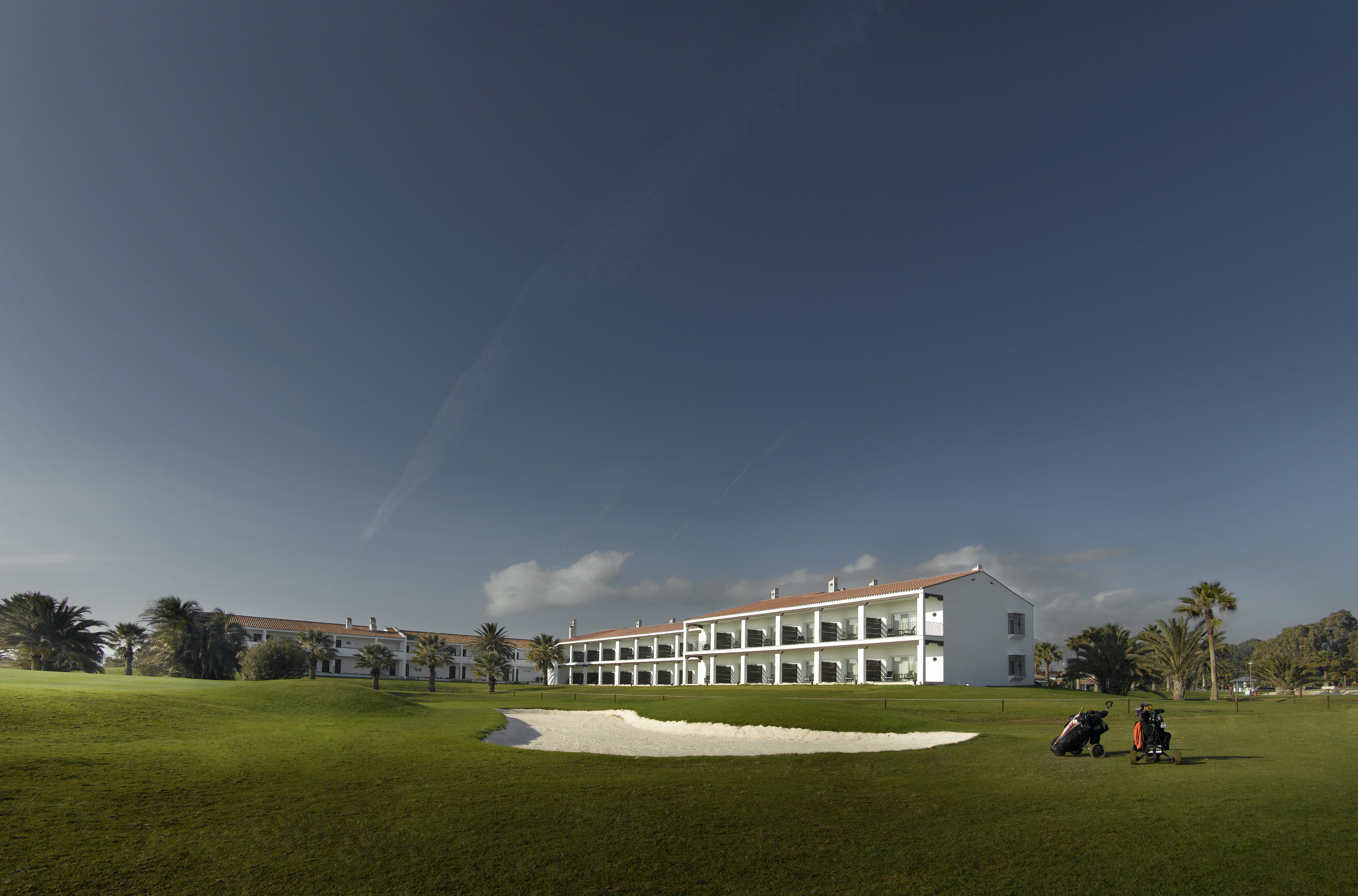
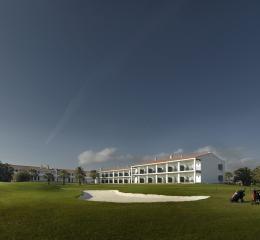
Parador de Málaga Golf
Autovía MA-20 (Málaga - Algeciras) Salida Coín, 29004, Málaga
Hotel: +34 952 381 255 / Golf: +34 951 011 120
Hotel: [email protected] / Golf: [email protected]Sunday
Seven long centuries of Arab influence have left a profound mark on the vast territory known in the Middle Ages as Al-Andalus. Following this legacy, the route begins on the Mediterranean coast. Málaga was once Arab, and its Alcazaba is a beautiful example of that past. It was a palace of the Nasrid kings and today houses the Provincial Archaeological Museum. Other places of interest include the Cathedral, the Cathedral Museum, and the Sanctuary of Our Lady of Victory. With one of the most important cultural offerings and a vibrant contemporary art scene in all of Spain, it is worthwhile to visit the Museum of Fine Arts, the Picasso Birthplace Museum, and the Picasso Museum, where you will discover more than 230 works by the painter, as well as the Centre Pompidou and the Carmen Thyssen Museum. The city of Málaga is the perfect place to enjoy sports—at the Parador you can play a few holes on its renowned golf course—the sun, the white sandy beaches, and the vibrant nightlife in the towns of the picturesque Costa del Sol. Stroll along Malagueta Beach, the city's most famous stretch of sand, admire Gibralfaro Castle and the Roman theater, and explore the pedestrianized and bustling Calle Larios, the city's vibrant heart. And take advantage of the opportunity, because there are few pleasures quite like savoring the exquisite grilled fish skewers, a true Málaga specialty.
Day 2
Monday
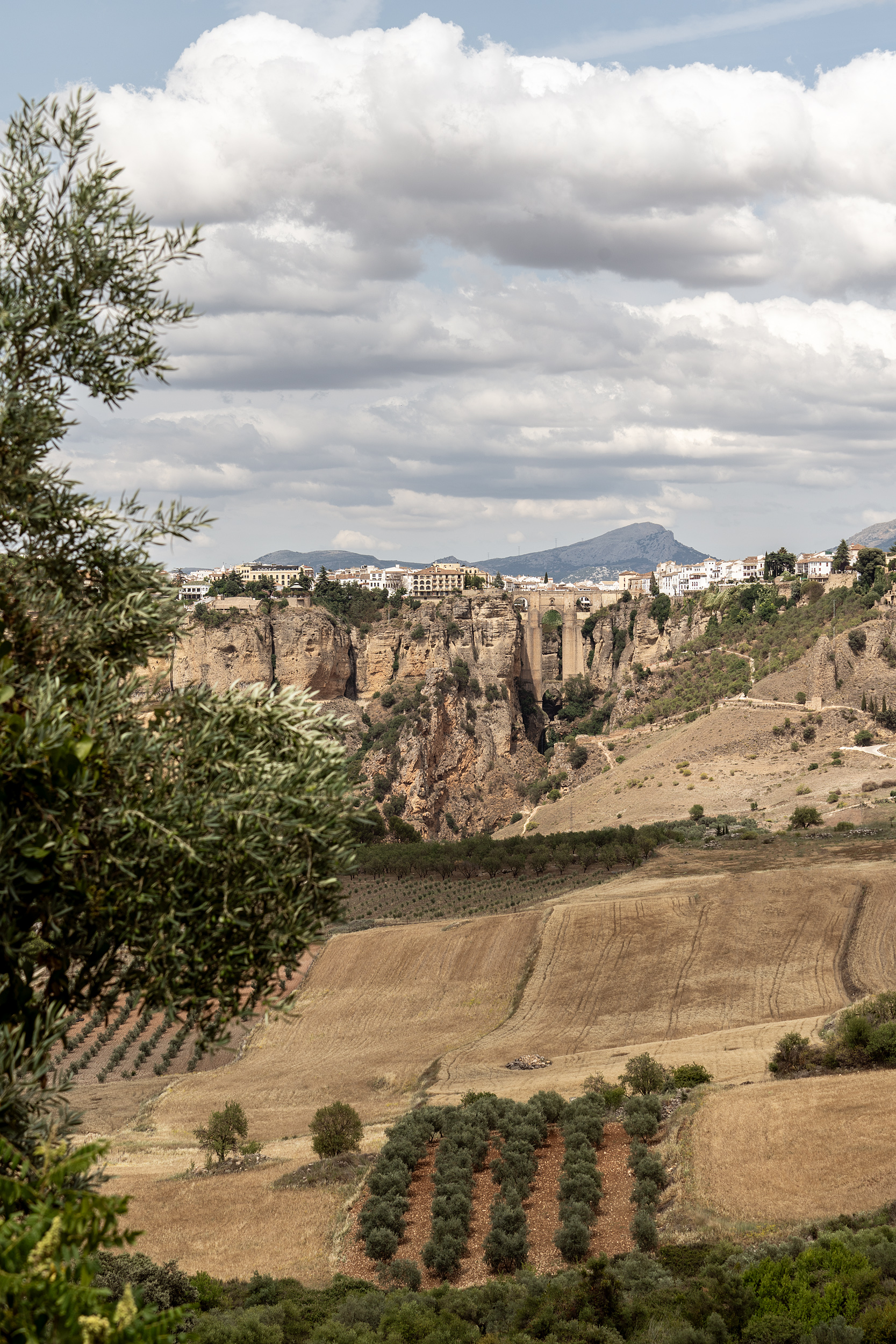
We venture into the inland region of Malaga, into the mountains. Romantic Ronda awaits us, cradle of bullfighting dynasties and bandits. A town of immense beauty. In each of its streets, we perceive its Arab heritage, for Izn-Rand Onda, meaning "City of the Castle," was one of the capitals of Muslim Spain, leaving us monuments such as the Arab Baths, the Old Bridge, the House of the Giant, and the House of Mondragón. But Ronda also boasts landmarks like its Plaza de Toros de la Real Maestranza de Caballería (Royal Cavalry Bullring), one of the oldest and most monumental in Spain, where the annual Corrida Goyesca is held, or the imposing Puente Nuevo (New Bridge), built in a stunning location to span a 120-meter-deep gorge, next to which stands the Parador hotel, offering unique views over the Tajo gorge. The natural surroundings of Ronda are no less beautiful than the city itself, nestled within the Sierra de Grazalema, Sierra de las Nieves, and Los Alcornocales Natural Parks. Just 19 kilometers away lies the picturesque town of Setenil de las Bodegas in Cádiz province, with its unique streets carved into the rocks and its cave houses. Also worth a visit is Reservatauro, a one-of-a-kind theme park dedicated to the Mediterranean dehesa (pastureland), the fighting bull, and the purebred Spanish horse. You can also discover how olive oil is extracted in a traditional mill or visit one of the more than 30 wineries within the Sierras de Málaga/Serranía de Ronda Designation of Origin. You can't leave the Parador without trying one of the great gastronomic standards of the city, an emblem of its Andalusian cuisine with bullfighting reminiscences: the oxtail stewed in the Ronda style, without neglecting other hearty mountain offerings such as migas, partridge pâté, a creamy rice with oxtail, mushrooms and asparagus, or roasted kid shoulder.
Days 3 and 4
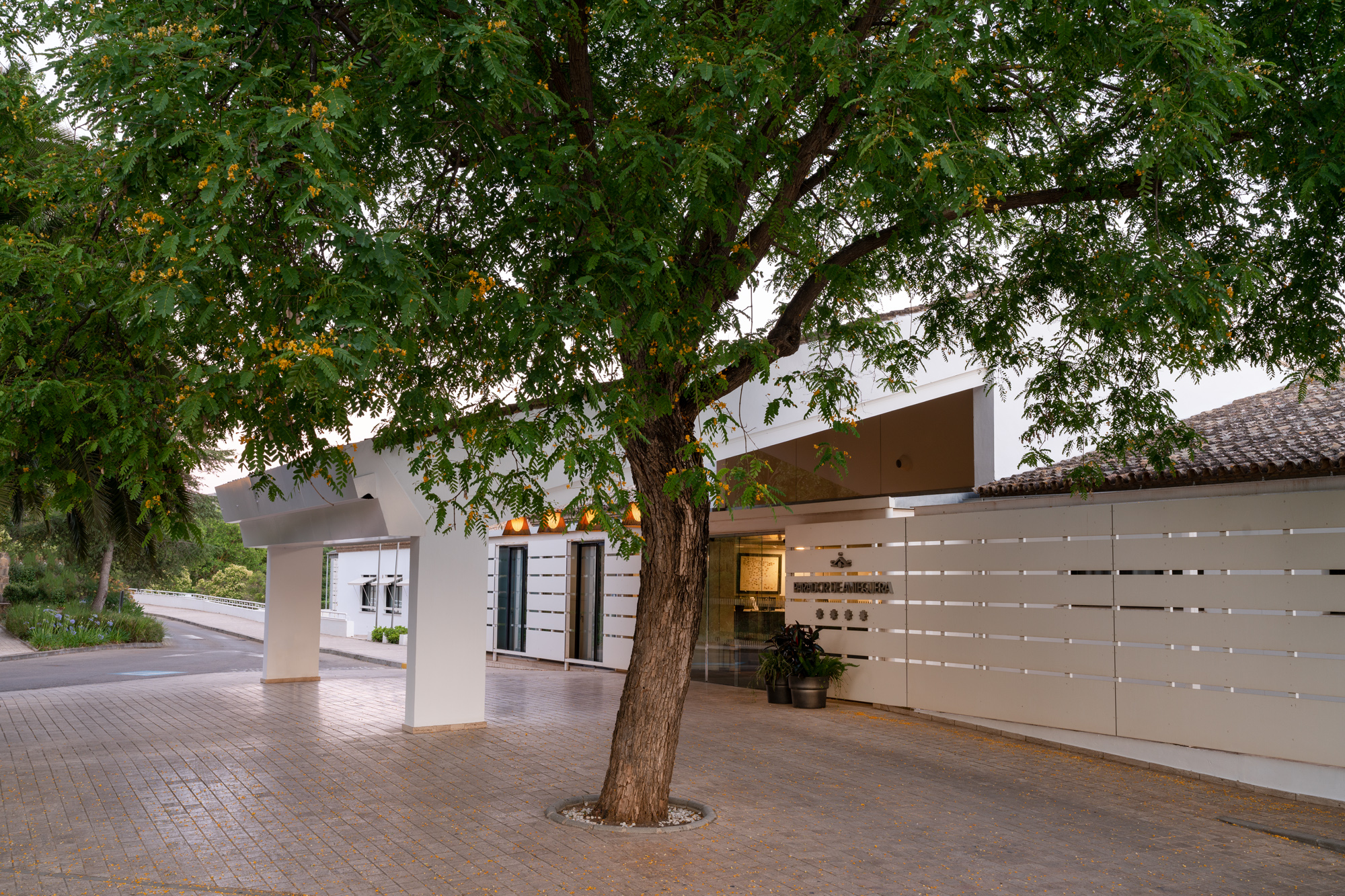
Parador de Antequera
Paseo García del Olmo, 2, 29200, Antequera (Málaga)
+34 952840261
[email protected]Tuesday and Wednesday
Without leaving the province of Malaga, the next stop is Antequera. Its privileged geographical location has attracted several civilizations, leaving behind an interesting cultural legacy. One of the most important monuments is the Menga, Viera, and Romeral Dolmen Complex, dating back to the Bronze Age. Exploring its historic center is like traveling back in time. The churches of San Juan Bautista and San Sebastián are worth visiting, as is the Alcazaba (citadel). Also noteworthy are the Papabellotas Castle shrine and the 17th and 18th-century palaces. All of these are characterized by their striking Spanish Baroque style. In the city center, you can visit the Royal Collegiate Church of San Sebastián, which dates from the 16th century. Don't miss the Convent of the Incarnation and then the Plaza del Coso Viejo, a beautiful bullring near the convent. To recharge after this tour, we recommend trying one of the local specialties: porra antequerana, a cold, thick tomato soup, a close relative of gazpacho. And don't forget the molletes, a typical, lightly baked bread of Arab origin, protected by a Protected Geographical Indication (PGI). Just over 30 kilometers north of the city, in the Los Ardales Natural Park, you'll find the spectacular Caminito del Rey trail, a via ferrata once known as one of the most dangerous in the world, but now completely safe to walk. Be sure to take in the splendid view of the El Chorro gorge, where the Guadalhorce River flows at a height of over 100 meters. Another must-see, just half an hour away, is the unique karst landscape of El Torcal, with its stunning rock formations, chasms, and caves.
Day 5
Thursday
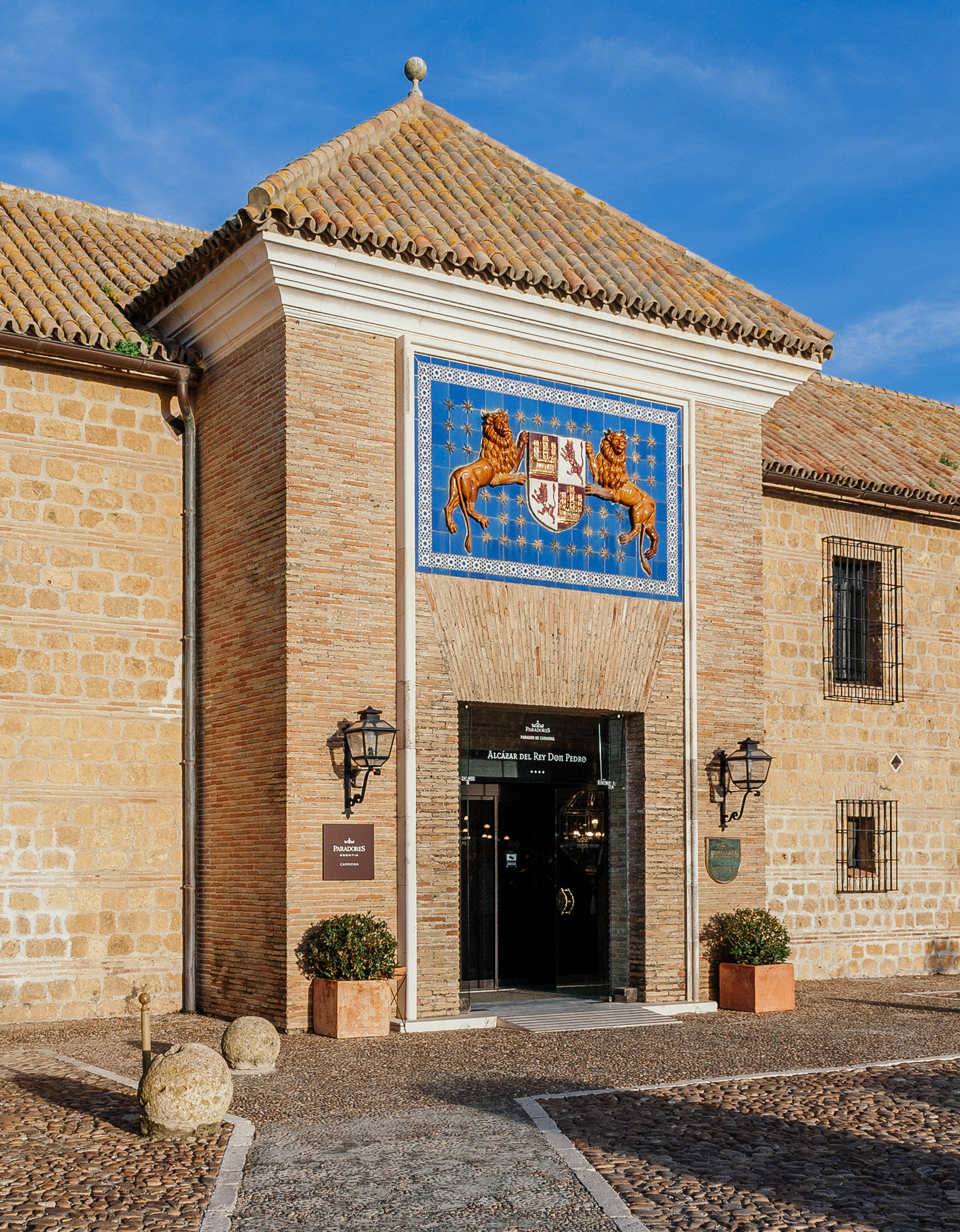
A fine example of the Arab influence can be found at our next stop in Seville province: the town of Carmona. Nestled on the banks of the Corbones River, it is a city renowned for its monumental architecture and the legacy of the diverse cultures that have inhabited it. Churches, palaces, and city walls form part of the significant artistic heritage housed in its historic center, dominated by the imposing presence of its Arab-origin fortress, the Alcázar of King Pedro, next to which stands the Parador, a palace in the exquisite Andalusian style. A visit to the Puerta de Sevilla (Seville Gate), the Roman necropolis—a testament to a glorious past—the Mudéjar quarter of San Felipe, the intricate Jewish quarter, and the City Museum, which offers a journey through its history, is essential. Its location, just a half-hour drive from Seville, allows you to enjoy the immense monumental and artistic heritage of the Andalusian capital, such as the Royal Alcázar, whose construction was begun by Abd al-Rahman III in 913. Also of interest are the Cathedral, the Giralda, and the Torre del Oro, in addition to the numerous leisure activities offered by Seville. A city that exudes light and charm, where religion and festivals are celebrated with particular passion—Holy Week and the April Fair are key events on the calendar—and from which you will fondly remember succulent tapas enjoyed on sunny terraces and magical corners. Attention all those with a sweet tooth! The Arab influence is also evident in the desserts, and the pastries reflect a long convent tradition. Highlights include the English cake, olive oil buns, rice pudding, French toast soaked in sweet wine and honey, homemade shortbread, almond cakes, and the flavorful chestnut stew with cinnamon. Irresistible!
Days 6 and 7
Friday and Saturday
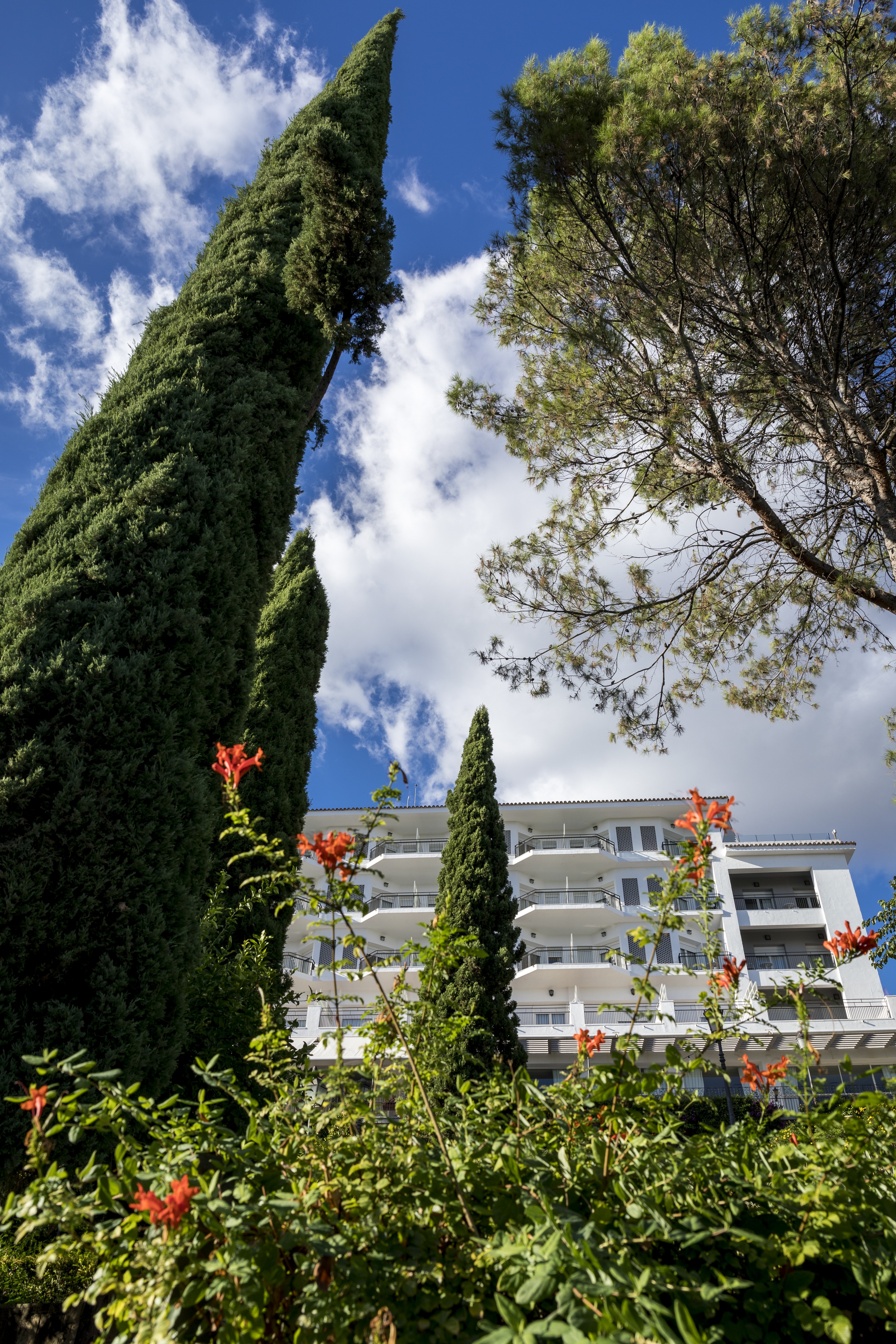
Heading towards Córdoba, halfway there we came across Écija, in the Genil Valley, considered one of the most important artistic centers of Andalusia. Its stately past has bequeathed us a city dominated by its magnificent towers and Baroque domes. We continued on to our destination: Córdoba, the legendary city of the Caliphs, the dream come true of Abd-al Rahman I, capital of the Umayyad Caliphate and center of Western wisdom during that period. A World Heritage City, its Mosque-Cathedral—with its colossal prayer hall of almost a thousand columns joined by horseshoe arches—is the most important monument in all of the Islamic West, and one of the most astonishing in the world. Also noteworthy are the Synagogue, the city walls, the Roman bridge, the Royal Stables, and museums as interesting as the Julio Romero de Torres Museum, the Archaeological Museum, the Bullfighting Museum, and the Museum of Fine Arts. It's worth getting lost in the beautiful corners of one of the most complex and richly decorated urban layouts, with spaces full of charm and sensuality, and letting yourself be surprised by the emblematic patios, with their colorful floral explosion. Eight kilometers from Córdoba, you can't miss visiting the fabulous and mysterious city that Abd-al Rahman III ordered built at the foot of the Sierra Morena mountains: the beautiful Medina Azahara, with a name and history steeped in legend. The Parador in Córdoba is a haven of peace, built on a hilltop atop the ruins of the site where Abd al-Rahman I had his summer palace. It offers the best views of the city and boasts a lush garden with some of the oldest palm trees in Europe. Don't forget to treat yourself to a delicious salmorejo from Córdoba, flamenquines, and a mouthwatering oxtail stew.