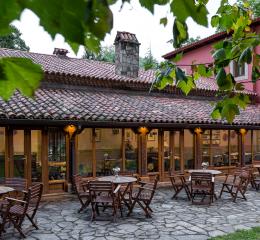
Route along the coast of Asturias and Galicia 2026
Route of 5 nights
Paradores on the Route
- Parador de Gijón
- Parador de Ribadeo
- Parador de Ferrol
- Parador de Cambados
- Parador de Baiona
A tour of the coastal villages of the Cantabrian and Atlantic coasts, exploring beaches, cliffs, meadows, and lush forests.
From 345€ /per person.
Route available from January to December 2026.
This route starts on Sunday
Day 1
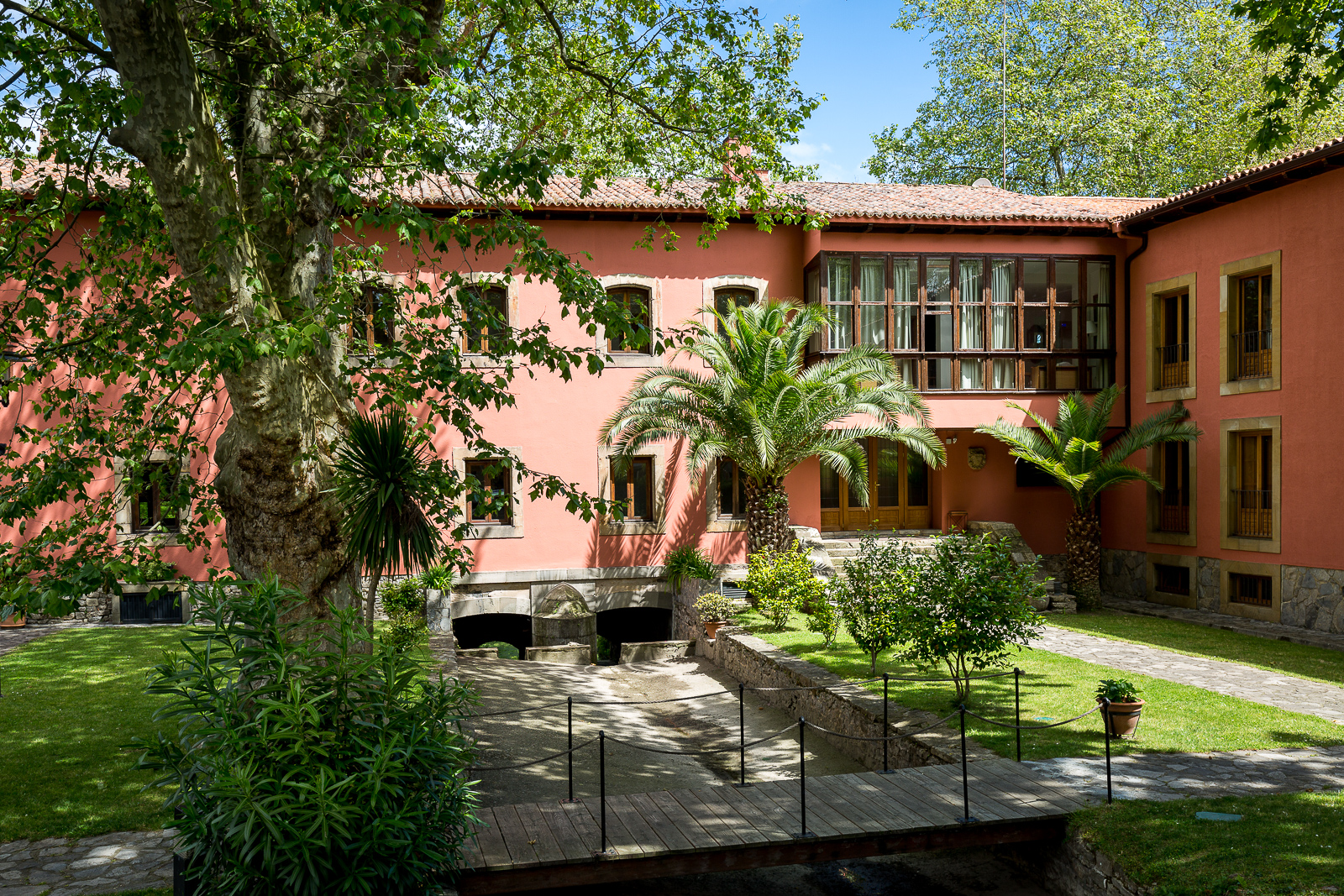
Parador de Gijón
Avenida Torcuato Fernández Miranda, 15, 33203, Gijón (Asturias)
+34 985370511
[email protected]Sunday
We begin our journey in Gijón, a historic, commercial, and industrial city where the sea, the rolling hills, and the urban landscape combine to make it one of the most attractive cities in northern Spain. Its mild climate makes it a year-round destination. San Lorenzo beach, the seafront promenade, the marina, its Semana Negra (Black Week) festival, its vibrant social scene, and its festive atmosphere all beckon you to explore the city. A stroll through the Cimadevilla fishing district is a must, as is climbing Santa Catalina hill, where you'll find Chillida's sculpture "Elogio del Horizonte" (In Praise of the Horizon), and from where the Cantabrian coast offers a breathtaking panoramic view. Among its many attractions, Gijón boasts a network of museums and a diverse cultural scene: the International Film Festival, the Ibero-American Book Fair, the Railway Museum, the International Bagpipe Museum, Jovellanos' Birthplace, the Nicanor Piñole Museum, the Revillagigedo Palace, the Laboral City of Culture... And if you haven't yet succumbed to its charms, it's time to try a hearty fabada (Asturian bean stew) or other Asturian delicacies like cachopo (breaded and fried veal or pork cutlet), washed down with a few glasses of Asturian cider poured in the traditional way, or its unbeatable rice pudding. Heading towards Galicia, Avilés is well worth a stop to visit the Niemeyer Museum, as are typical fishing villages like Candás, Luanco, and Cudillero. Don't miss the majestic mansions built by returning emigrants who made their fortunes in the Americas, scattered throughout the region!
Day 2
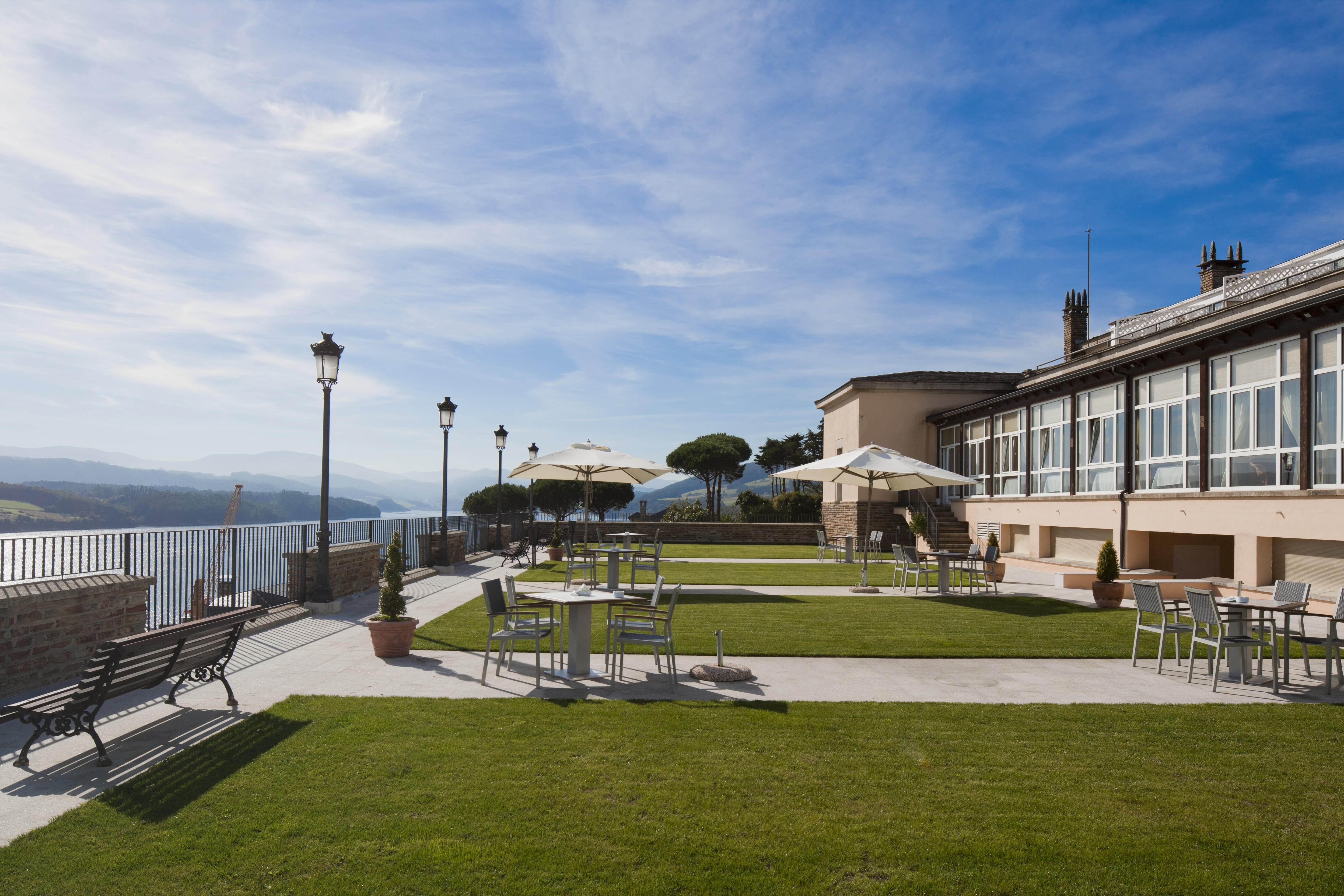
Monday
Following the coast along the Camino del Norte pilgrimage route, we arrive in Ribadeo, a seaside town in Lugo province, on the border between Galicia and Asturias. At the end of the route, the Ribadeo Parador, a Galician manor house at the mouth of the Eo River, offers a welcome respite before exploring stunning landscapes and diverse beaches. Among these, the Playa de las Catedrales (Cathedral Beach) stands out as one of the most spectacular in the world, with its cliffs over 32 meters high, sculpted by the wind and sea into arches and vaults. It has been declared a Natural Monument. Also noteworthy is the Ría de Ribadeo (Ribadeo Estuary), part of the Río Eo, Oscos y Tierras de Burón Biosphere Reserve, a natural inlet of great ecological and environmental importance, and a popular spot for all kinds of nautical and sporting activities. A visit to the San Damián Fort, the Puente Do Santos (Bridge of the Saints), or the nearby town of Castropol is also highly recommended. Here you can delight your palate with the great creations and products of the north with typical dishes of traditional Galician cuisine such as seafood, empanada, lacón, soupy rice with Cantabrian lobster, hake from Puerto Celeiro or their delicious sirloin of suckling veal with Cebreiro cheese sauce.
Day 3
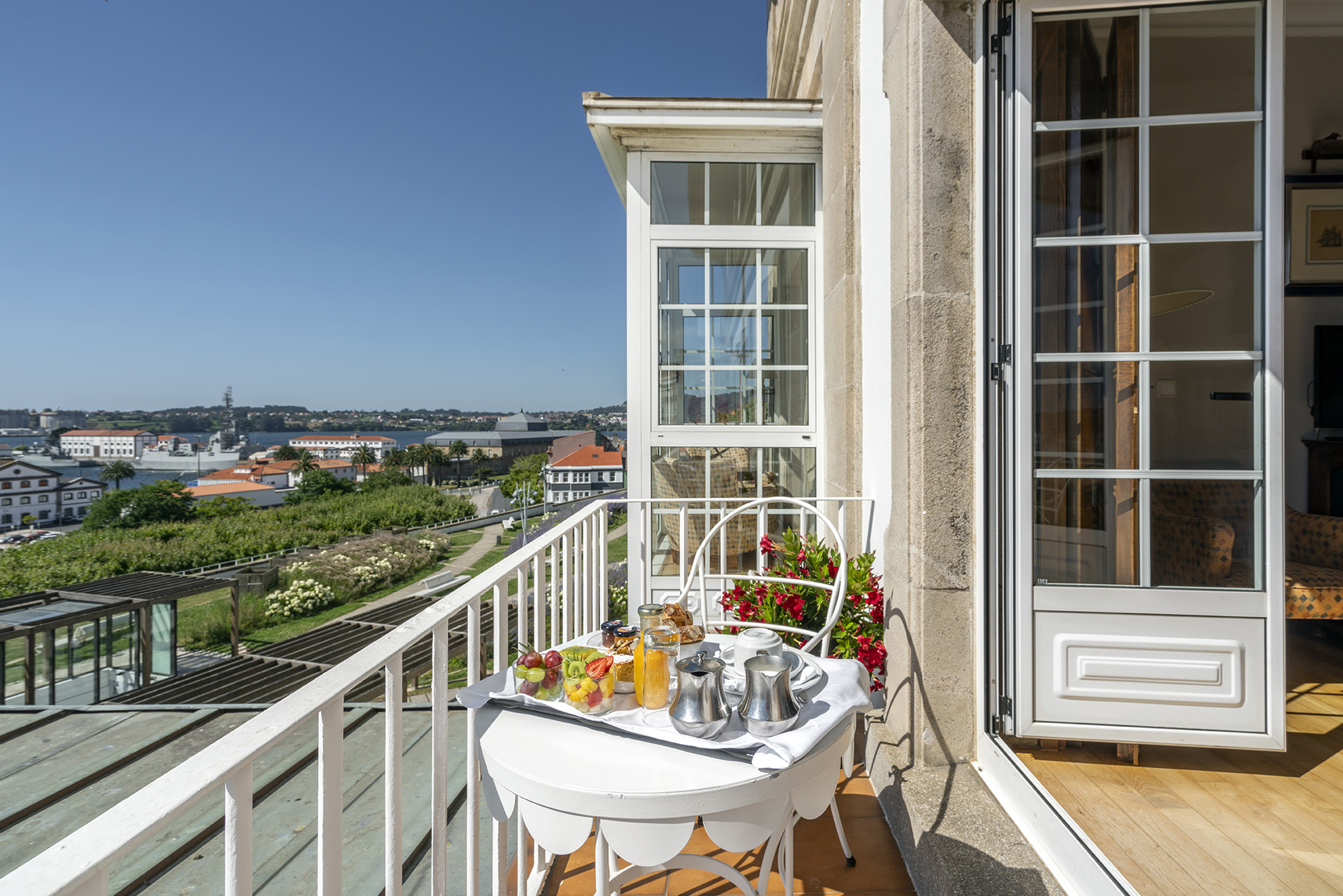
Parador de Ferrol
Praza do Contralmirante Azarola Gresillón, 15401, Ferrol (A Coruña)
+34 981356720
[email protected]Tuesday
Without leaving the coast, we reach Ferrol, one of Galicia's best-kept secrets. A maritime, naval, and military city, its emblematic La Magdalena district, the city's nerve center, is home to the town hall and other important modernist buildings, and where the Parador awaits, a stately mansion with a nautical feel. The hotel is a typical Galician house with white glass-enclosed galleries, surrounded by a beautiful maritime setting. A great plan is to stroll through the old fishing quarter, next to the marina, and stop for some tapas or take a boat trip along the estuary. If you enjoy naval history, the Castle of San Felipe, the Fortresses, and especially the Arsenal are must-sees. Built in the 18th century under the Enlightenment ideals, it's a unique complex of hydraulic works and buildings in Europe, including the Naval Museum, a must-see and highly entertaining visit. A stroll through the streets of the Canido neighborhood is highly recommended. It has been transformed into an international center for street art thanks to the initiative of painting Meninas on building facades, with a festival held every first weekend of September since 2008. Just over twenty minutes away by car, in the municipality of Mugardos, you can visit another beautiful military fortress on the Ferrol estuary, the Castillo de La Palma. Take the opportunity to sample its famous and unique octopus, Mugardos-style. The region is also rich in natural features, boasting numerous beaches open to the Atlantic Ocean, spectacular headlands and natural viewpoints, and natural parks such as Fragas do Eume. Other nearby towns worth visiting include Cedeira, Ortigueira, and Cariño to the north, and Pontedeume and Betanzos to the south. A visit to the city of A Coruña is also a must.
Day 4
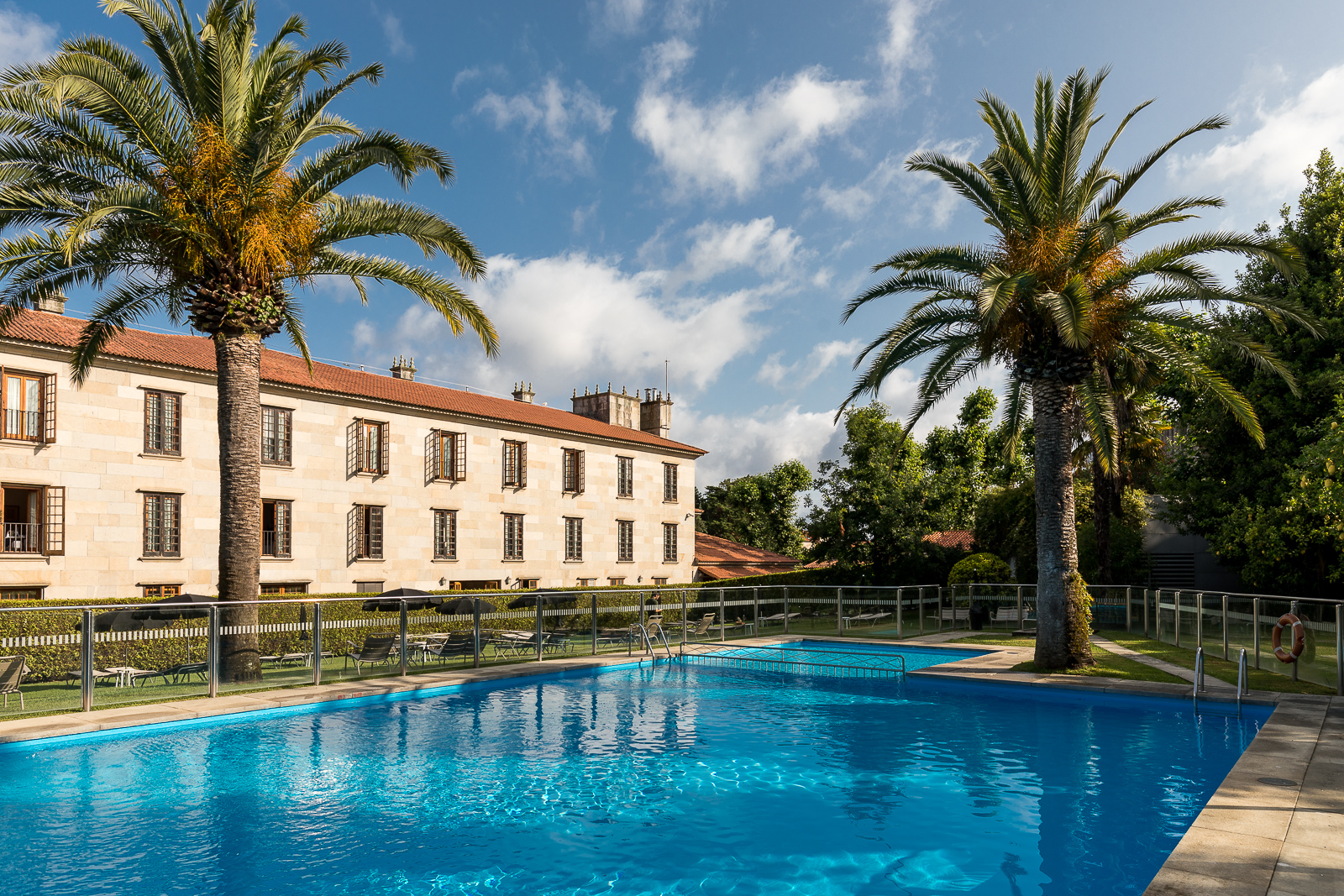
Parador de Cambados
Paseo Calzada, s/n, 36630, Cambados (Pontevedra)
+34 986542250
[email protected]Wednesday
This stage is the perfect ending to this exciting journey. The Val do Salnés subzone, centered in Cambados, is the largest of the five subzones within this Designation of Origin. It's a geographical area that coincides with the opening of the Umia River valley. We're in a privileged location for wine lovers and travelers, with numerous places to visit. Cambados, declared a Site of Cultural Interest, boasts a collection of manor houses (pazos) that make the town an open-air museum. It's the capital of Albariño wine, and the Parador hotel is an ideal base for exploring the Ría de Arousa and the Rías Baixas. You can visit the Wine Museum located next to the emblematic Ruins of Santa Mariña Dozo and take tours of wineries, vineyards, and tasting rooms. And assuming you haven't succumbed to the charms of crustaceans, bivalves, and cephalopods during your entire trip, it's time to treat yourself to a proper seafood feast paired with one of the best white wines in the world. Cheers!
Day 5
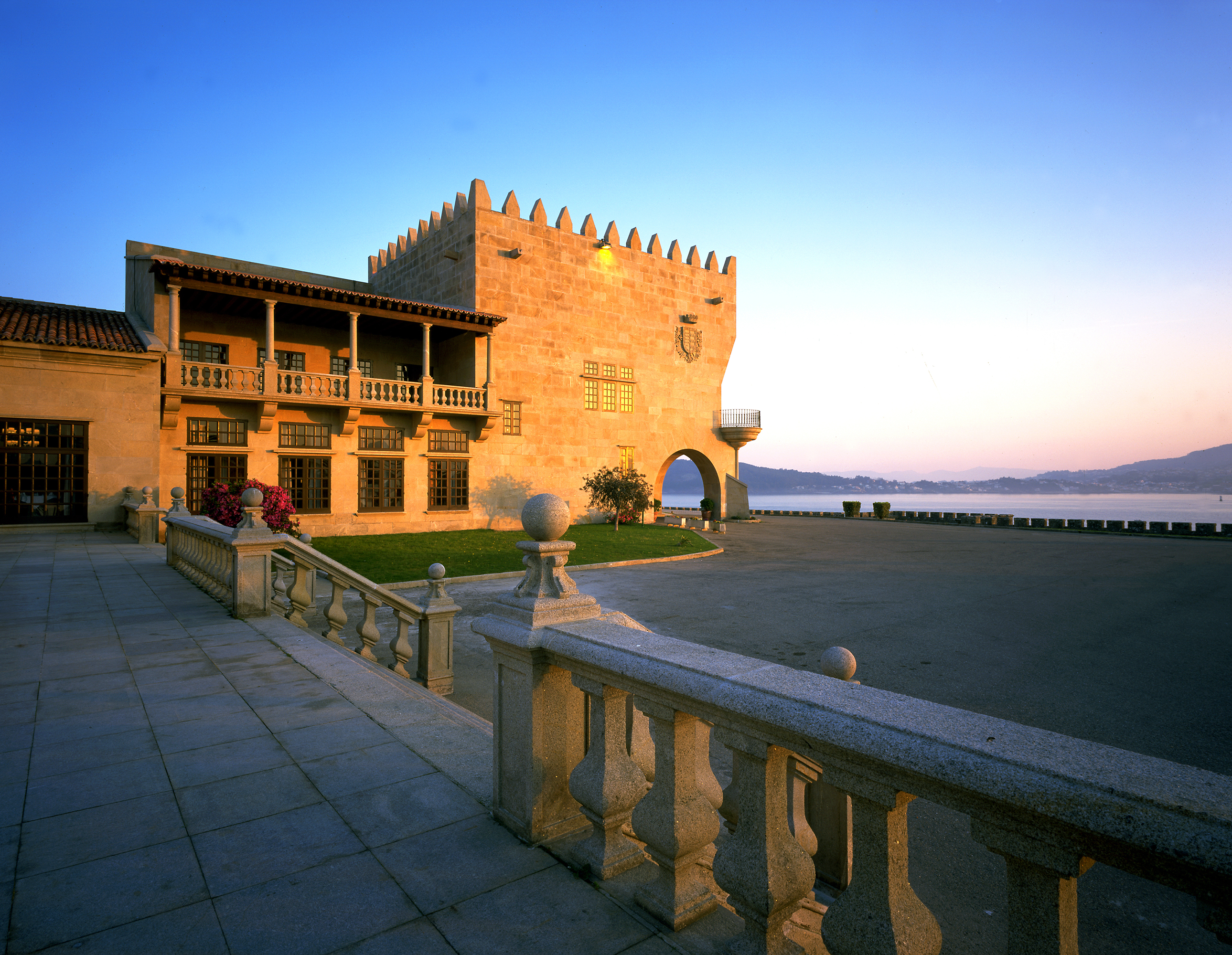
Parador de Baiona
Avenida Arquitecto Jesús Valverde, 3, 36300, Baiona (Pontevedra)
+34 986355000
[email protected]Thursday
Heading towards the Atlantic coast, we come to Baiona. Of Roman origin, it was in 1493 that the caravel La Pinta arrived at its port, making it the first town in Europe to learn of the discovery of America. This event has given rise to a large period festival held annually at the beginning of March. In this beautiful coastal town in the southern Rías Baixas, there is much to visit, such as the Church of Santa María, the iconic Monterreal fortress where the Parador hotel is located, the Trinity cross, a splendid old town, its stately homes and mansions with coats of arms, and its seafront promenade with a prominent marina. The area surrounding the town also offers numerous beautiful spots where you can enjoy breathtaking sunsets, such as Monte de A Groba, from which the Rías Baixas resemble a stark and colorful watercolor painting; Cabo de Sillero; or the nearby Cíes Islands, which beckon you to explore their cliffs, beaches and dunes, their seabed, and their unspoiled trails. And assuming that by this point in your trip you haven't yet succumbed to the allure of crustaceans, bivalves, and cephalopods, it's time to treat yourself to a delicious seafood feast paired with one of the world's finest white wines. And if you're looking for a lively atmosphere on summer nights, this is the perfect destination. Here you can enjoy terraces overlooking the sea and numerous bustling bars and clubs.