España Verde Route 2026
Route of 7 nights
Paradores on the Route
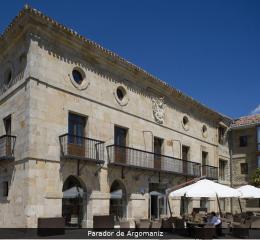
- Parador de Argomaniz
- Parador de Limpias
- Parador de Fuente Dé
- Parador de Cangas de Onís
- Parador de Ribadeo
- Parador de Vilalba
Enjoy the picturesque Cantabrian coastline from the Basque Country to Galicia, with a detour to the majestic Picos de Europa mountains.
From 570€ /per person.
Route available from January to December 2026.
This route starts on Sunday
Day 1
Sunday
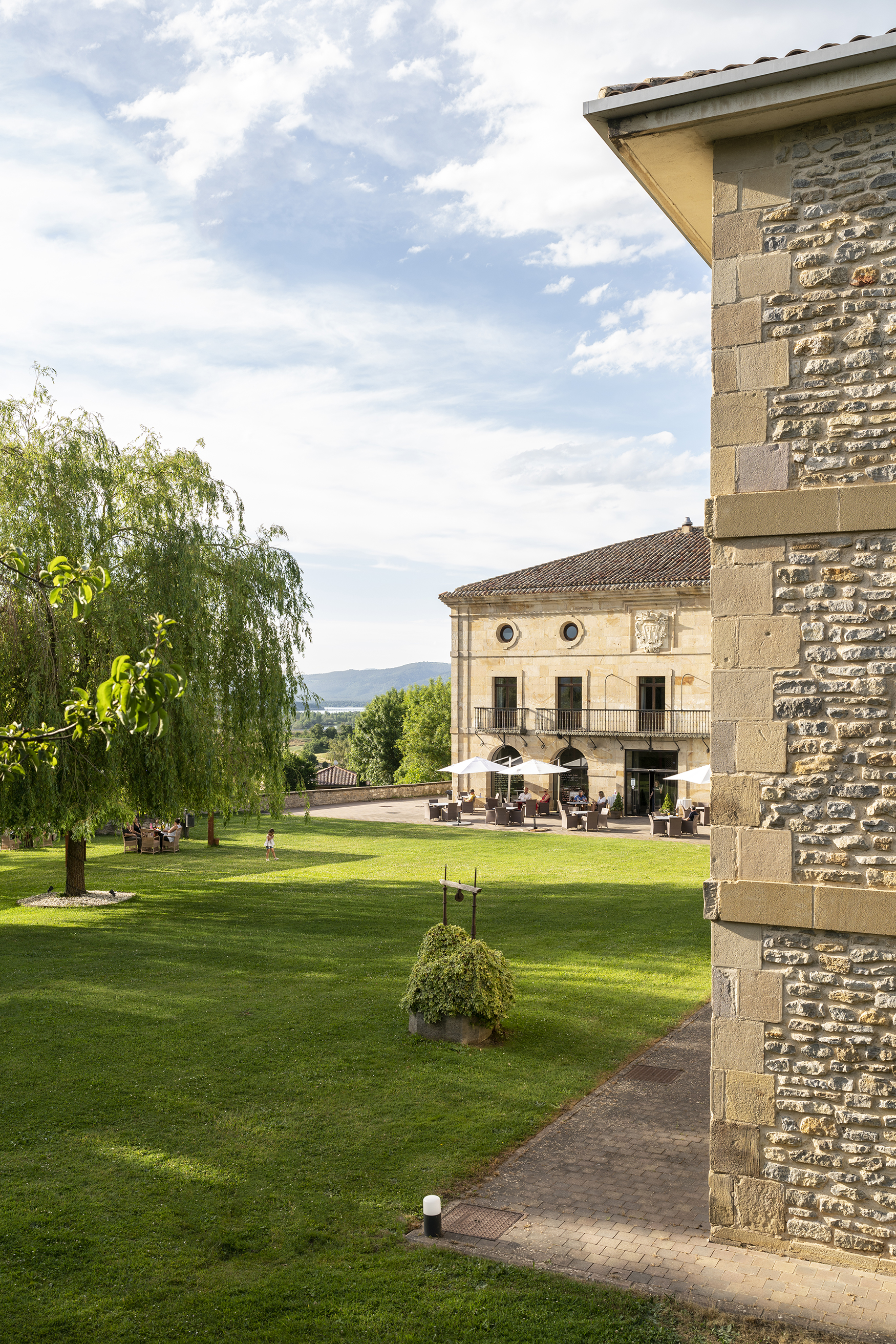
In the heart of the Llanada Alavesa region, the Parador de Argomaniz is located just a few kilometres from Vitoria-Gasteiz. The city offers an unquestionable quality of life, with a large number of natural spaces and a green belt. There are numerous museums in the city. All of them are located in buildings that are worth visiting in their own right. Highlights include Artium, the Basque Museum of Contemporary Art, the Museum of Sacred Art, the Natural Science Museum, BIBAT, the Fournier Playing Card Museum and the Archaeology Museum. Don't forget to visit the beautiful Cathedral of Santa María or Old Cathedral, whose restoration inspired Kent Follet to write his acclaimed ‘The Pillars of the Earth’, or the medieval quarter, the churches of San Miguel and San Pedro, the Pan Vicente tower, the Villasuso Palace and the Montehermoso Palace. As in the rest of the Basque Country, txikiteo (bar hopping) is a deeply rooted tradition, so keep an eye out for the dates of Pintxo Pote (which vary depending on the area), when once a week, bars and restaurants include a tapa with each drink at a reasonable price. There are several routes to choose from!
Days 2 and 3
Monday and Tuesday
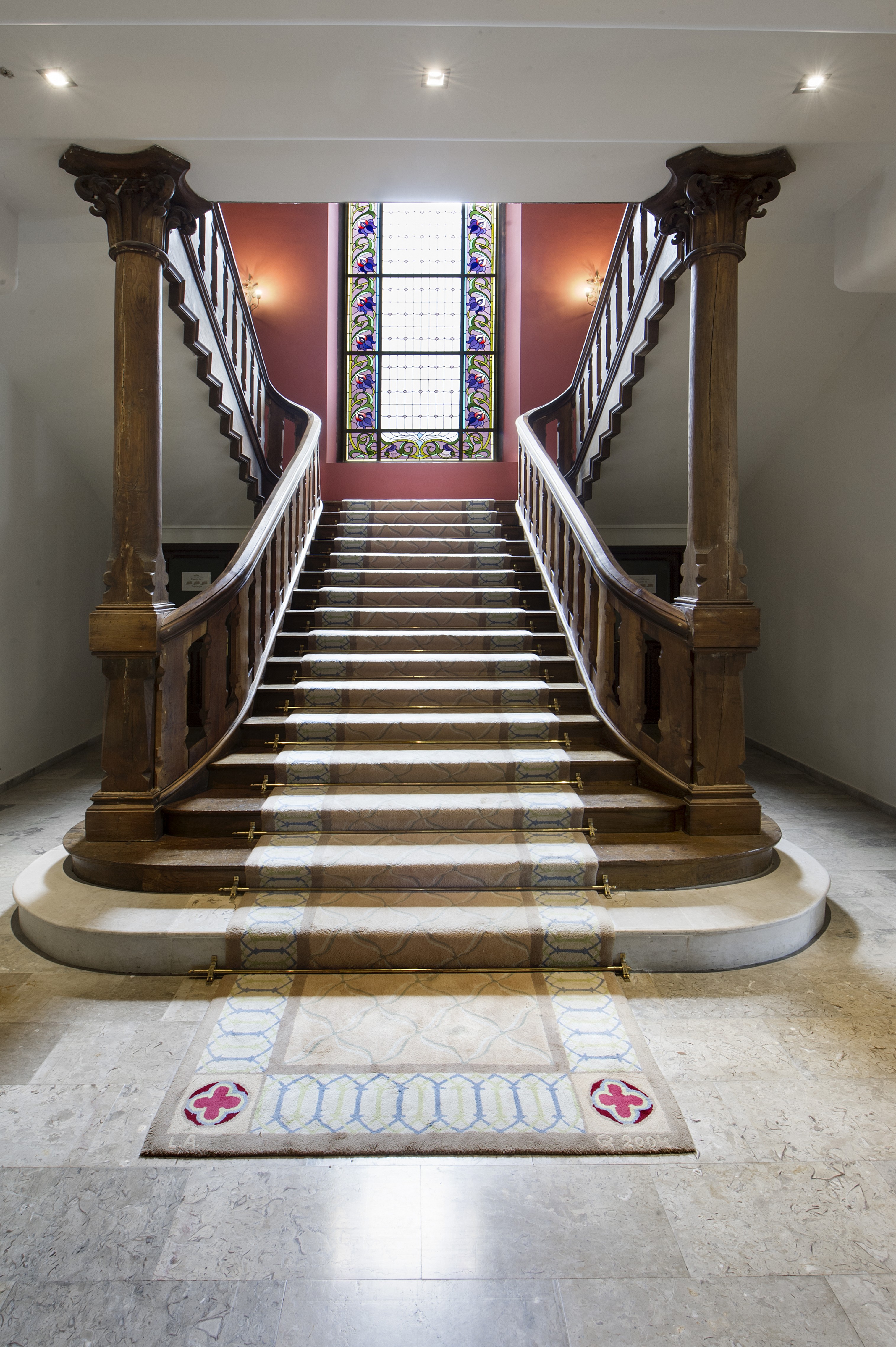
We enter Cantabrian territory. Limpias owes its fame to the Cristo de la Agonía (Christ of Agony), popular for its manifestations of life in the form of tears, sweat and blood, which you will find in the Church of San Pedro. In the surrounding area there are many interesting fishing villages such as Laredo, where La Salvé, one of the longest and most beautiful beaches in the region, is located, as well as Castro Urdiales and Santoña. The area is ideal for rowing and canoeing. Also worth visiting is the Cabárceno Nature Park, a 750-hectare park with more than a hundred animal species from the five continents living in semi-freedom, or the Asón Valley. Santander, with its rabas (squid rings) and the Botín Centre, and Bilbao, with its famous pintxos (tapas) and the Guggenheim Museum, are also other attractive places that are a must-see. Don't miss out on trying the artisan anchovies in olive oil, a preserve that also makes a great souvenir that is sure to be a hit.
Day 4
Parador de Fuente Dé
Fuente Dé, s/n, 39588, Fuente Dé, Camaleño (Cantabria)
+34 942736651
[email protected]Wednesday
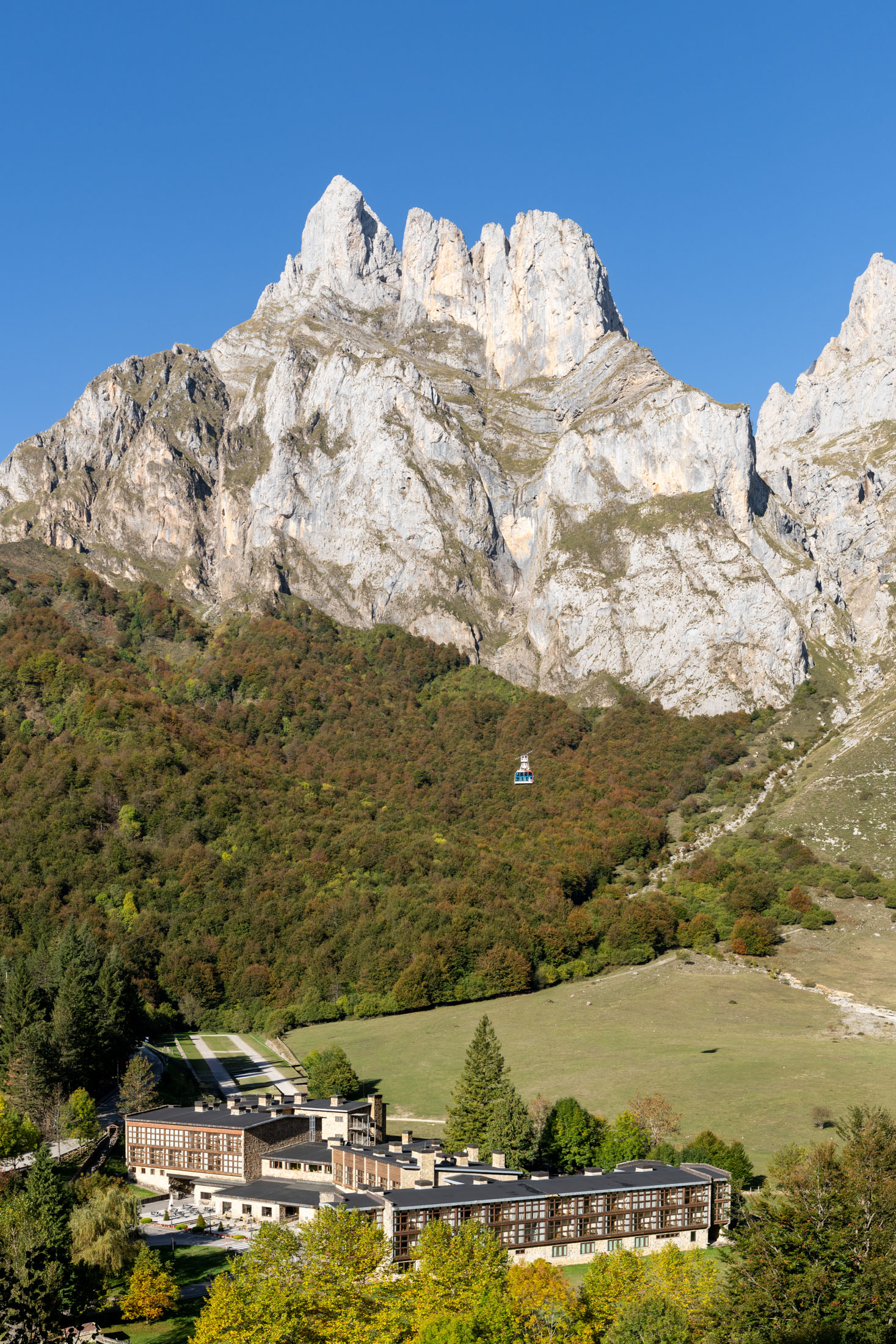
We continued onward into the rugged Picos de Europa mountains along the traditional Way of St James route that led from the coast to Liébana, approaching via the Nansa basin and the Lamasón Valley. From there, there were two variants, the first via the Collado de Pasaneu to the Bedoya Valley, and the second via the Collado de Arceón to Lebeña. Both routes rejoined in Castro and followed the course of the River Deva to Potes. Surrounded by the imposing verticality and idyllic landscape of the mountains of the Picos de Europa National Park, you will find the Parador de Fuente Dé which, together with the well-known cable car - you must go up to enjoy a panoramic view of the valley at an altitude of 2,000 metres - is the gateway to magical forests, hillsides and viewpoints that form a natural paradise of incomparable beauty. The Gothic-style church of Santo Toribio de Liébana is the most important religious building in the valley, where the Lignim Crucis, the largest surviving piece of the Cross of Christ, is venerated. It is also interesting to visit Potes, the Mozarabic church of Lebeña and the hermitage of San Tirso. The cocido lebaniego (a local stew) is a great way to recharge your batteries after your excursions in the area, and you must try the unique Picón Bejes-Tresviso cheese, which is matured in caves.
Day 5
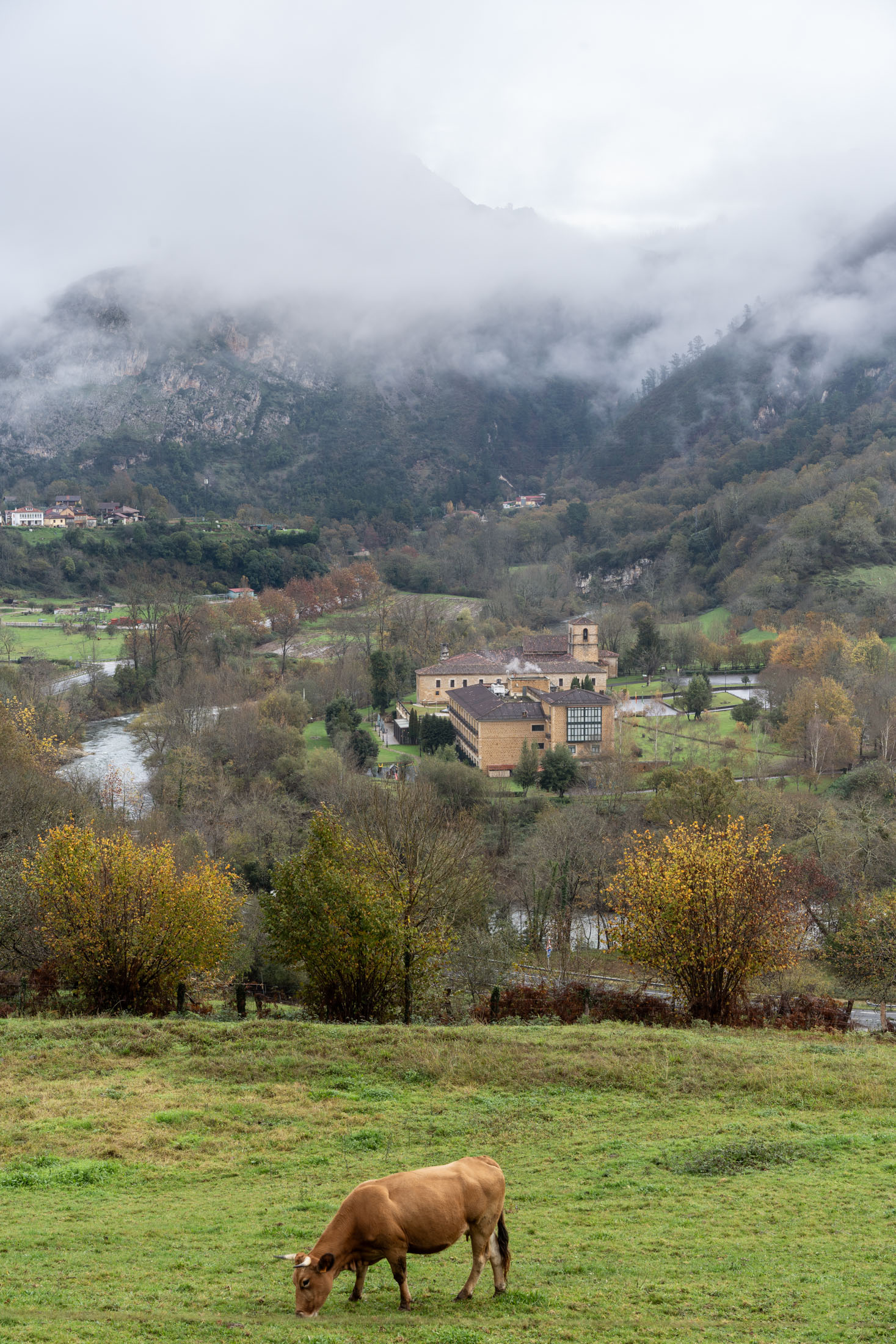
Parador de Cangas de Onís
Monasterio de San Pedro de Villanueva s/n , 33550, Villanueva (Cangas de Onís). Principado de Asturias.
+34 985849402
[email protected]Thursday
Asturias finds its finest expression in these lands. In the town of Cangas de Onís, we suggest visiting the Roman Bridge, from which hangs a replica of the 10th-century Cross of Victory commemorating the Battle of Covadonga, the Hermitage of Santa Cruz, and the Cortés Palace. To immerse yourself in the culture of the Principality, a visit to a cider bar (chigre) is a must to witness the spectacle of cider pouring and enjoy it paired with Cabrales cheese or the many other delicious dishes prepared in this region. A destination for hikers and mountaineers, near the Picos de Europa National Park, visit Casa Dago (Visitor Reception Center). The Royal Site of Covadonga, a pilgrimage site that houses La Santina (the Virgin of Covadonga), is another place of special interest in the area, along with the Lakes of Covadonga (Enol and La Ercina) and the Cares Route.
Day 6
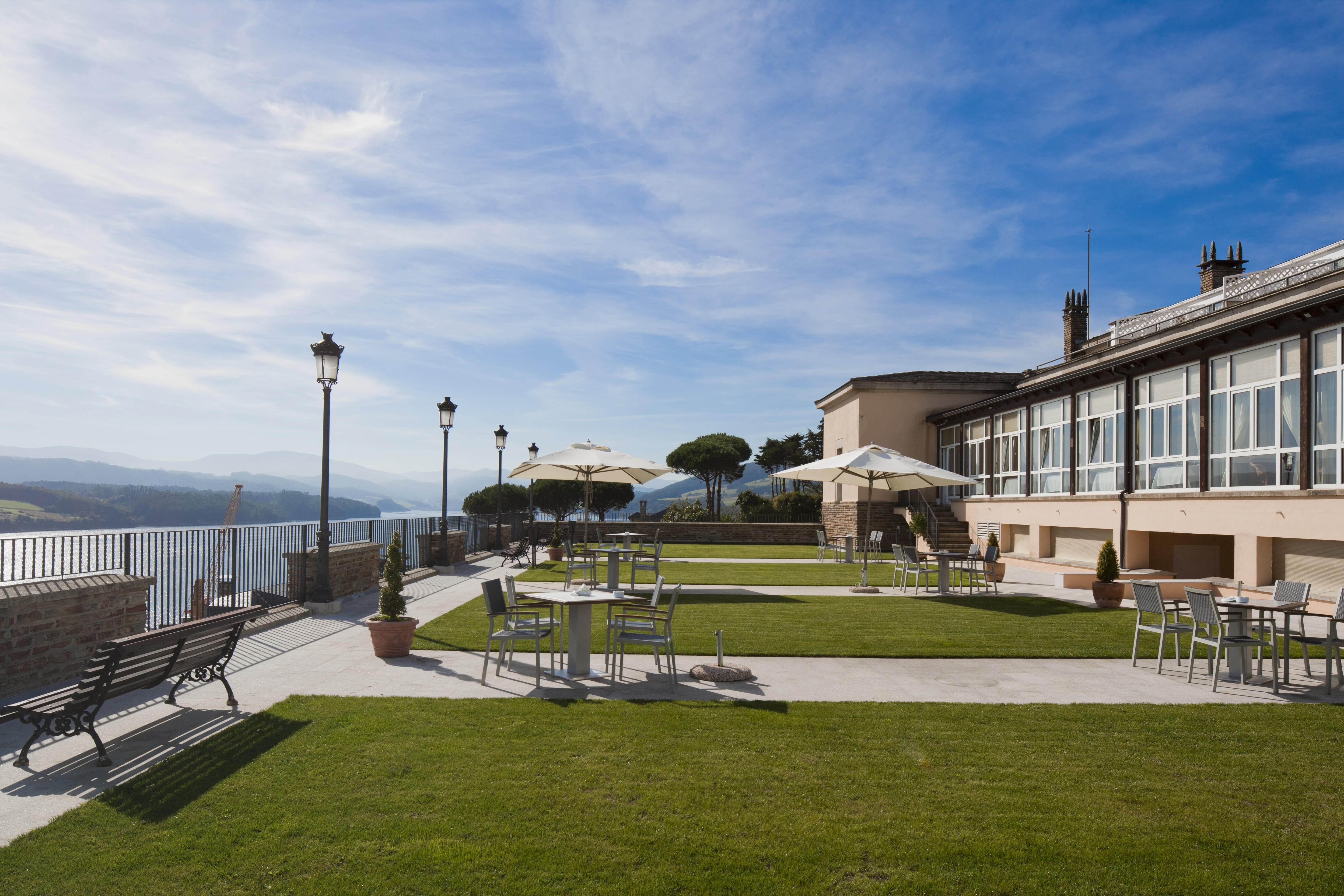
Friday
We arrived in Ribadeo, a seaside town in Lugo province, on the border between Galicia and Asturias. The Ribadeo Parador, a Galician manor house at the mouth of the Eo River, provided us with the necessary rest to explore places of great beauty and diverse beaches. Among them, the Playa de las Catedrales (Cathedral Beach) stands out as one of the most spectacular in the world, with its cliffs over 32 meters high, sculpted by the wind and sea into arches and vaults. It has been declared a Natural Monument. Also worth visiting is the Ribadeo Estuary, part of the Eo River, Oscos and Burón Lands Biosphere Reserve, a natural inlet of great ecological and environmental importance, and also a setting for all kinds of nautical and sporting activities. We also recommend visiting the San Damián Fort, the Puente Do Santos (Santos Bridge), or the nearby town of Castropol. Here you can delight your palate with the great creations and products of the north with typical dishes of traditional Galician cuisine such as seafood, empanada, lacón, soupy rice with Cantabrian lobster, hake from Puerto Celeiro or their delicious sirloin of suckling veal with Cebreiro cheese sauce.
Day 7
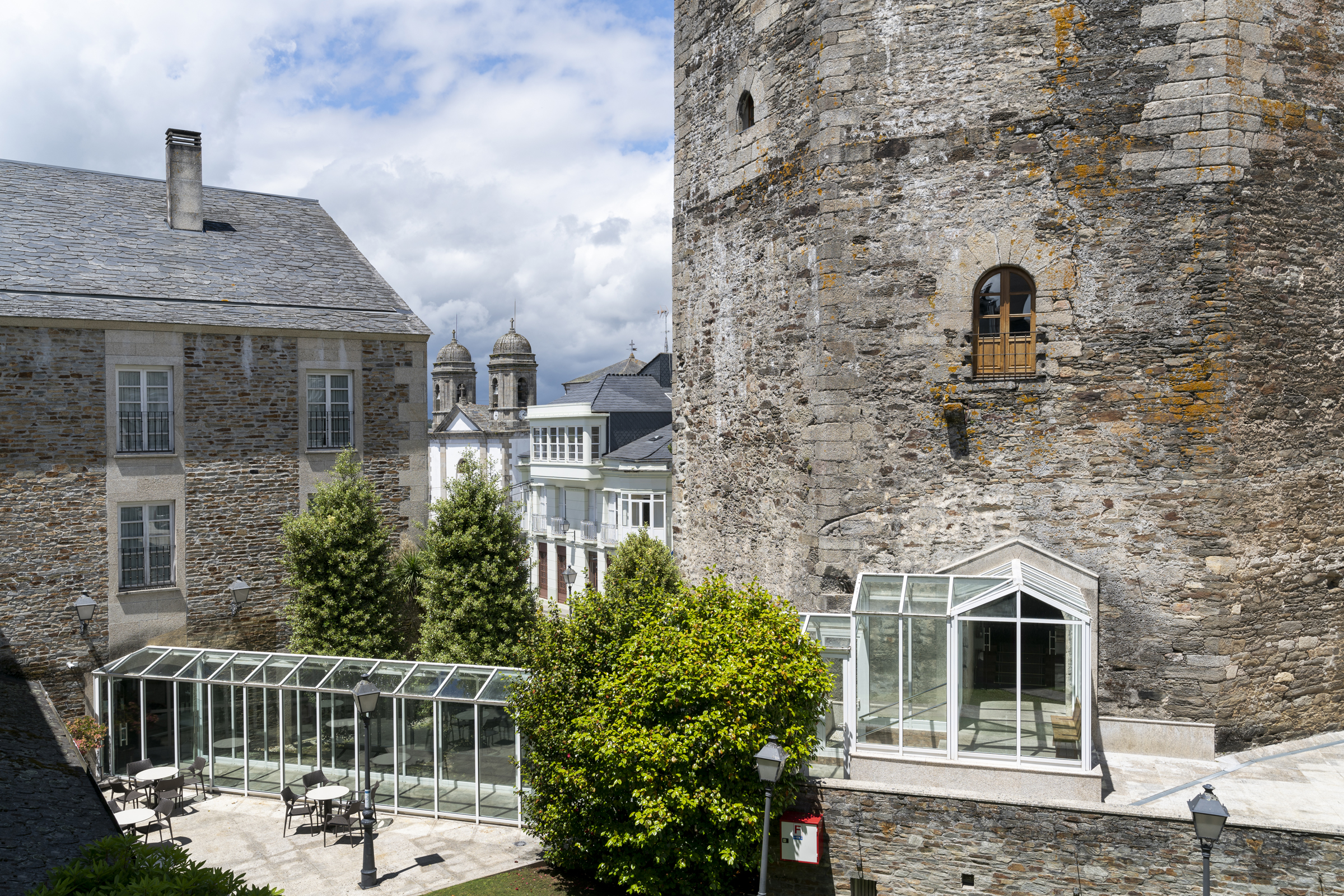
Saturday
Heading inland, our destination is Vilalba, an ancient and stately town, steeped in legend where the rivers and plains dominate the landscape. Near Vilalba, the natural areas of the Magdalena and Ladra rivers and the Alligal Medicinal Pool, with its thermal waters, are well worth a visit. Here you can experience the most authentic Galician cuisine. We invite you to discover traditional dishes such as pulpo a feira (Galician-style octopus), empanada de zorza (Galician sausage pie) and cheese, or the delicious crepes filled with cream, without forgetting the warmer options like caldo gallego (Galician broth) and cocidos (Galician stews) during the colder months. If you travel during the Christmas season, be sure to try the prized and sublime "Capón de Vilalba," a capon that is castrated when young and fattened for consumption. You also shouldn't miss two nearby towns: Mondoñedo, a small cobbled town surrounded by green mountains, declared a Historic-Artistic Site. The atmosphere here is magical. In winter, fog drifts through narrow streets where time seems to stand still, and in summer, its beautiful cathedral, a National Monument, shines even brighter. Don't miss the chance to treat yourself to the delicious Mondoñedo Cake. Another city you'll love to visit is Lugo, home to its Roman Walls, a UNESCO World Heritage Site thanks to their perfect state of preservation, and some of the finest cuisine in Galicia, where tapas are practically a religion.